
The Devil’s Pool
  • 145
  • 0
  • 26
  • Reads 145
  • 0
  • Part 26
Completed, First published Mar 02, 2026

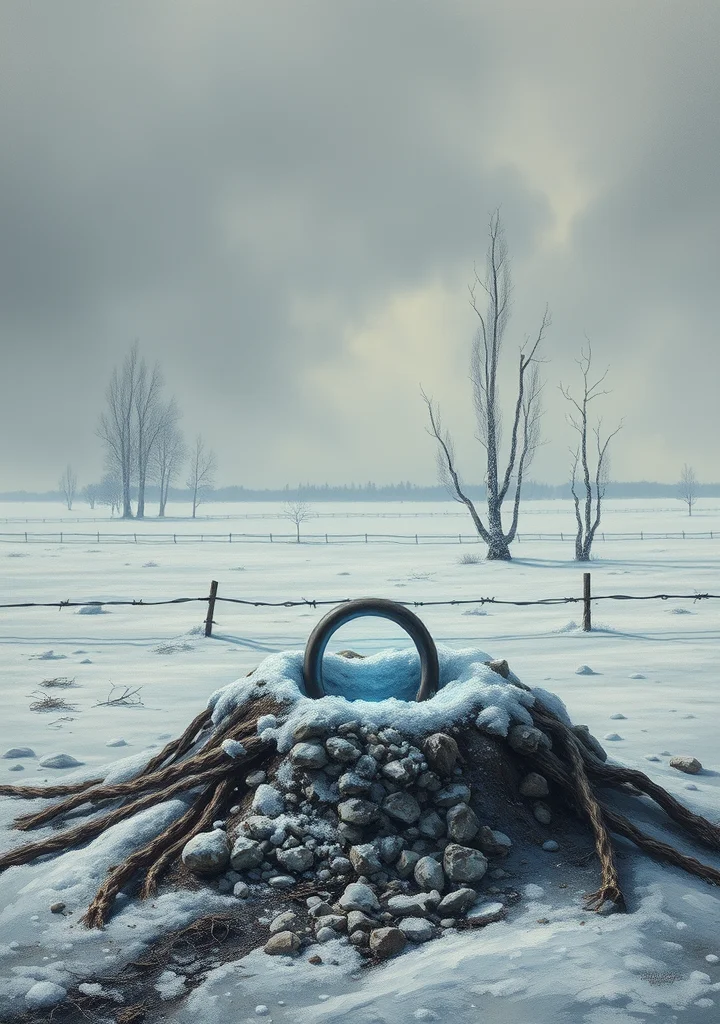
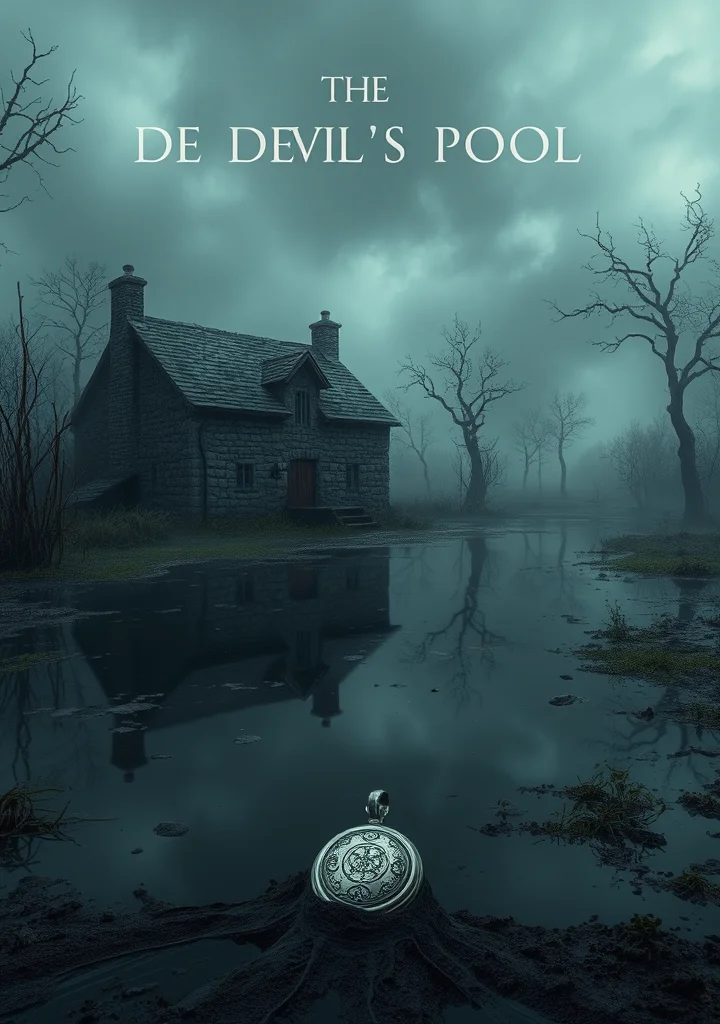
The air hangs thick with peat smoke and the scent of decaying reeds. A perpetual twilight clings to the stagnant waters of the Devil’s Pool, mirroring the shadowed corners of the soul. Here, in the heart of the Breton marshes, a legacy of whispered curses and drowned secrets clings to the crumbling stone farmhouse of Jean le Flamand. It is a place where the boundaries between the living and the dead blur with each rising mist, where the hollow men of the village mutter of pacts made with things older than the bog itself. A woman arrives, drawn by the fractured memories of a childhood spent within those walls—memories that surface in fragmented dreams, punctuated by the relentless cry of unseen birds. She finds a house haunted not by ghosts, but by the weight of unfulfilled desires, of promises broken against the unforgiving stone. The landscape itself breathes resentment, twisting familiar paths into labyrinths of grief. Each step deeper into the mire is a descent into a darkness woven from the rustling of unseen wings, the cold touch of water against bone, and the suffocating realization that the pool doesn't merely *reflect* despair—it *creates* it. The narrative unfolds like a slow poisoning, the beauty of the moor masking a rot that consumes everything it touches. It is a story of inheritance, not of wealth, but of sorrow, a lineage bound to the very mire that threatens to swallow them all.
Copyright: Public Domain
This license allows anyone to use your story for any purpose, including printing, selling, or adapting it into a film freely.
Recommended for you
62 Part
Dust motes dance in the fading light of provincial chateaux, mirroring the slow decay of ambition and the brittle fragility of hope. These letters, unearthed from forgotten bureaux and damp attics, whisper of two women bound by circumstance and the suffocating weight of societal expectation. One, a bride purchased for lineage, haunted by the spectral echoes of a loveless marriage. The other, a bride of convenience, her youth traded for the preservation of a crumbling estate. The narrative unfolds not in grand pronouncements, but in the tremor of a penned word, the bleed of ink mirroring the slow erosion of their spirits. Each missive is a fragment of a fractured life, stained with the bitter residue of betrayal, the chill of isolation, and the gnawing desperation for a love that exists only in the shadowed corners of their dreams. A pervasive melancholy clings to the pages, thick as the fog that shrouds the ancestral homes. The air hangs heavy with the scent of dying roses and the unspoken resentments that fester beneath layers of silk and lace. The landscapes—bleak vineyards, crumbling manors, and the oppressive silence of shadowed forests—become extensions of the women's internal landscapes: barren, desolate, and haunted by the ghosts of promises broken. The letters themselves are not merely communication, but desperate pleas cast into a void, each echoing with the chilling realization that they are trapped within a labyrinth of obligation and despair, their fates inextricably intertwined with the decaying grandeur of a bygone era.
25 Part
A creeping dread clings to the snow-swept moors, mirroring the chill that settles in the heart of the protagonist. Buchan’s *Midwinter* unfolds within a decaying manor house, isolated by blizzards and shadowed by ancient, malevolent histories. The narrative breathes with the icy air, each chapter a descent into fractured memory and suppressed guilt. Dust motes dance in the fractured light of dying embers, illuminating portraits of stern, unforgiving faces—ancestors who seem to watch, judge, and subtly influence the present. The estate itself is almost a character, its stone bones groaning under the weight of winter’s fury and the weight of secrets. Rooms whisper with echoes of past tragedies, the scent of damp earth and forgotten perfume clinging to velvet drapes. A pervasive sense of claustrophobia, not just physical but psychological, permeates the narrative. The protagonist is haunted by fragments of a stolen inheritance, a fractured legacy, and the specter of a betrayal that unravels with each falling snowflake. The novel doesn’t deliver grand horrors, but a suffocating atmosphere of unease—a slow, deliberate unraveling of sanity amidst a landscape that mirrors the fractured state of the soul. It’s a story steeped in the melancholic beauty of decay, where the true darkness resides not in the supernatural, but in the cold, brittle spaces within the human heart. The silence of the winter landscape is broken only by the howl of the wind, and the whispers of a past determined to claim its due.
65 Part
A suffocating fog clings to the cobblestones of Paris, mirroring the miasma of dread that seeps from the shadowed alleys and the decaying grandeur of the city’s heart. Gaboriau doesn’t offer a mere crime to unravel, but a descent into a labyrinthine underworld where the desperate are bound by debts of flesh and spirit to a cabal of silent, unseen masters. The air is thick with the scent of rot—not just of corpses discovered in the Seine, but of lives systematically broken down, of wills surrendered to a creeping, insidious control. Each chapter feels like a stolen glance through a keyhole, revealing glimpses of shadowed figures flitting between pawn shops and opium dens. The narrative winds through a decaying aristocracy, haunted by past sins and complicit in present ones, and a brutalized underworld of forgers, thieves, and the discarded. It’s a Paris where every whispered confidence is a transaction, every act of kindness a snare, and the boundaries between victim and predator blur into a sickening grey. The novel doesn't build to a climactic reveal, but rather unravels like a unraveling shroud, revealing not *who* commits the crimes, but *how* the very fabric of Parisian society is woven with corruption. A sense of helplessness pervades, a suffocating weight that descends with the Parisian rain. The reader is not merely observing a mystery; they’re being submerged in the moral decay of a city on the brink of collapse, where the only true currency is silence, and the price of freedom is paid in stolen breaths.