
-
Read 1.5K
-
0
-
Part 108
Completed, First published Mar 02, 2026
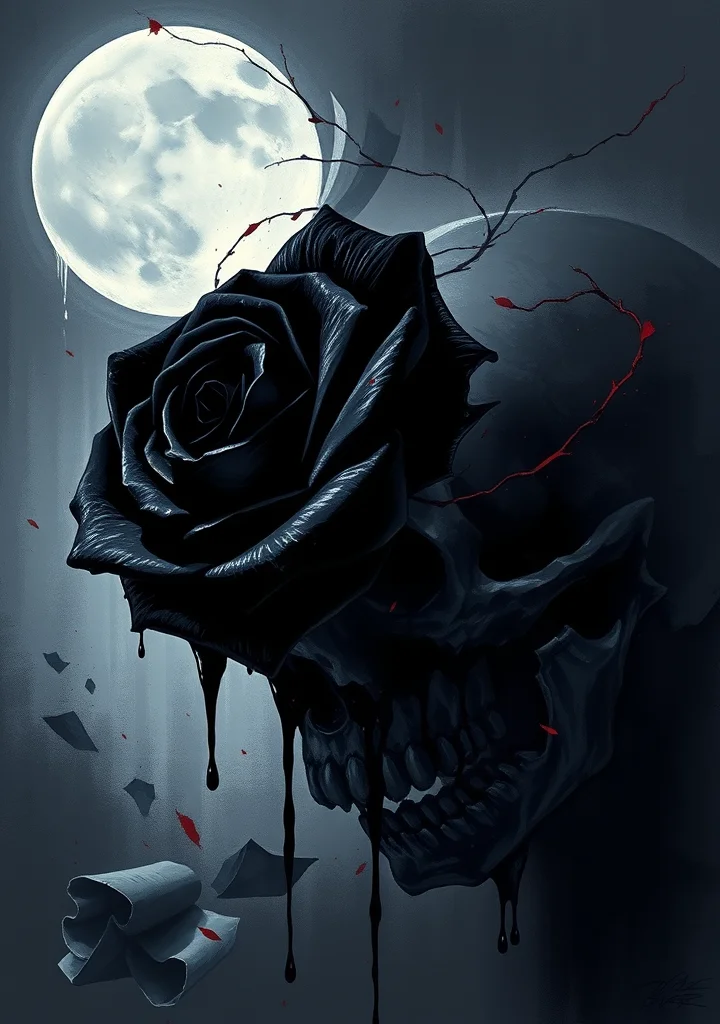
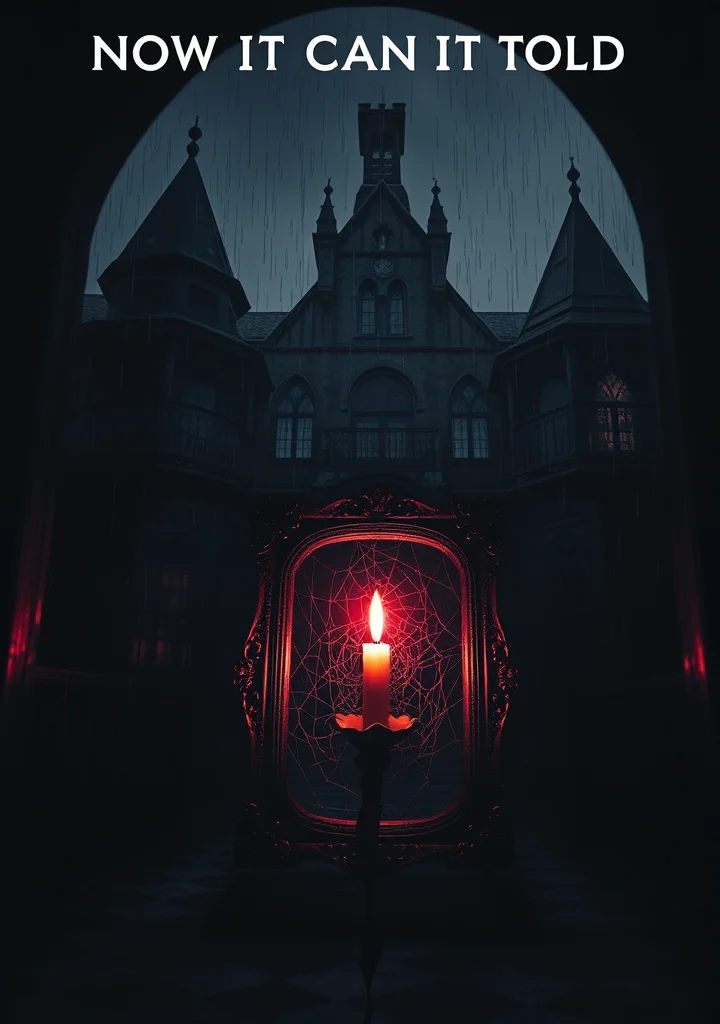
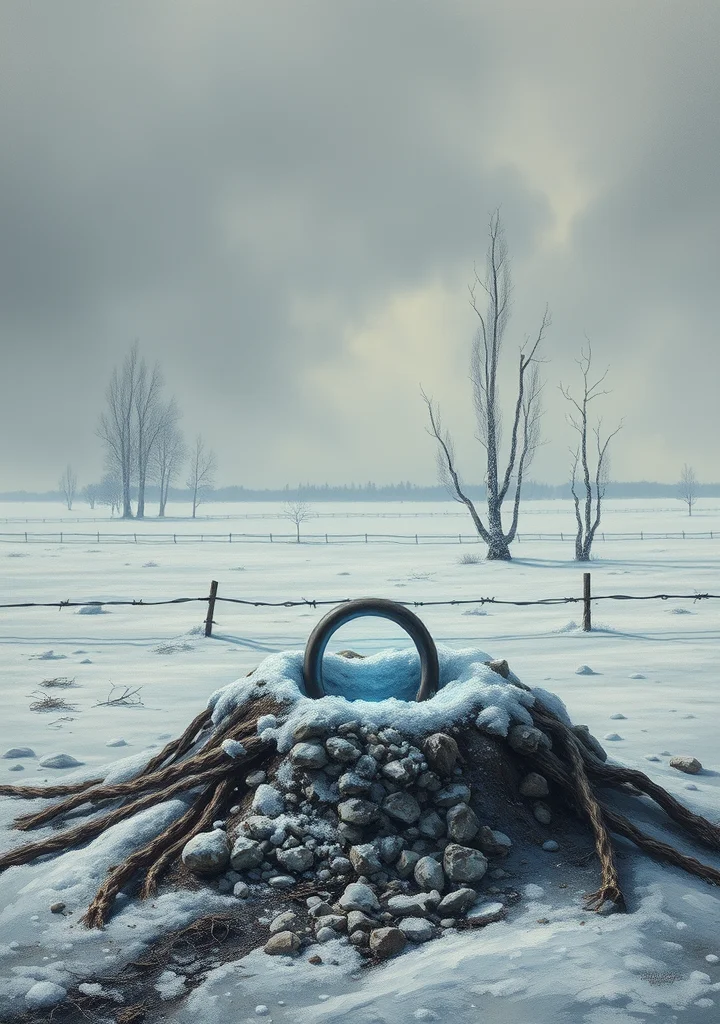
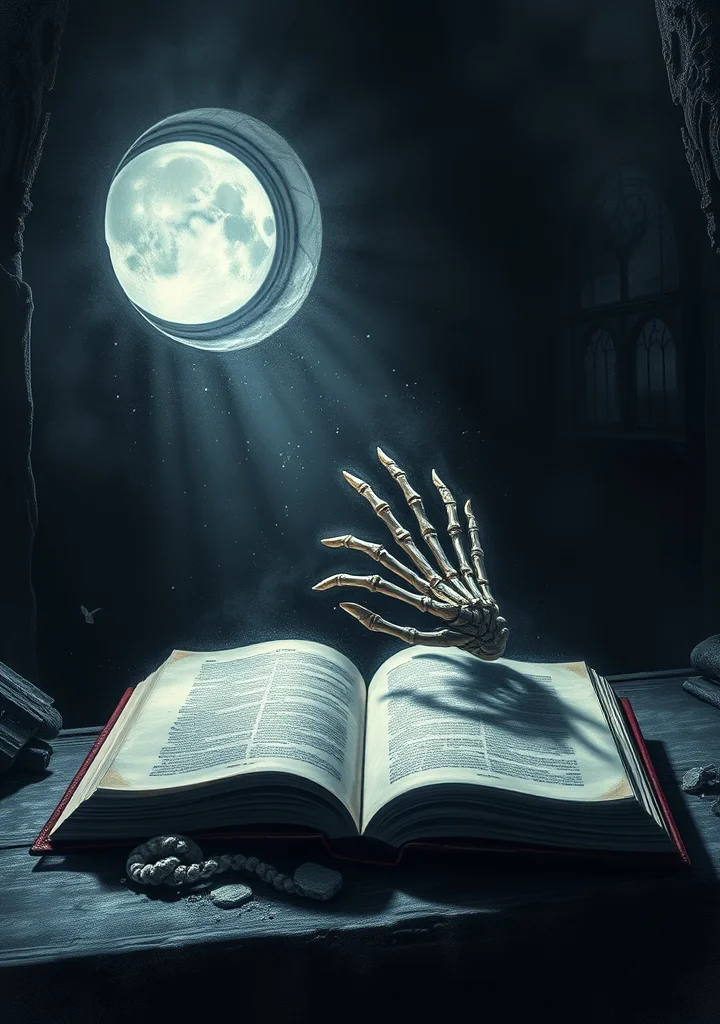
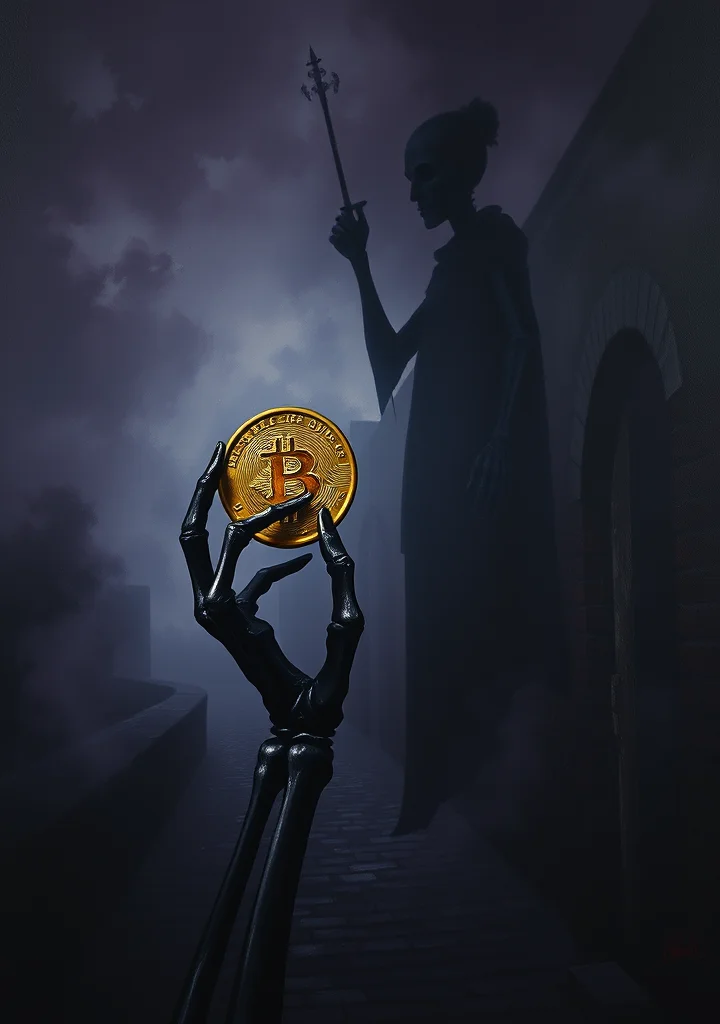
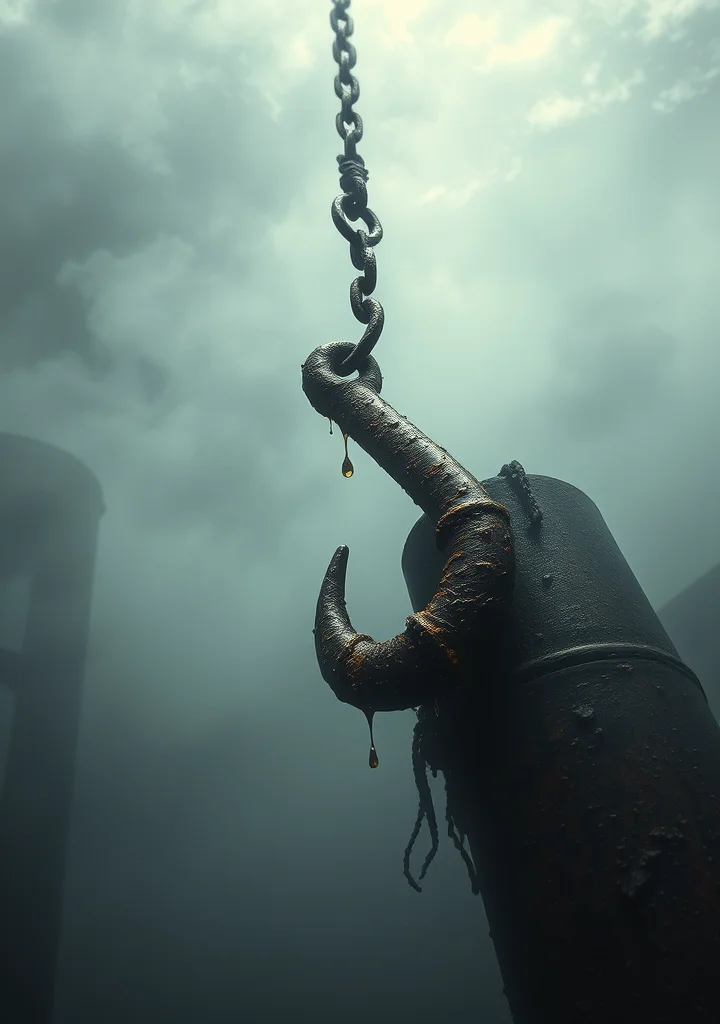
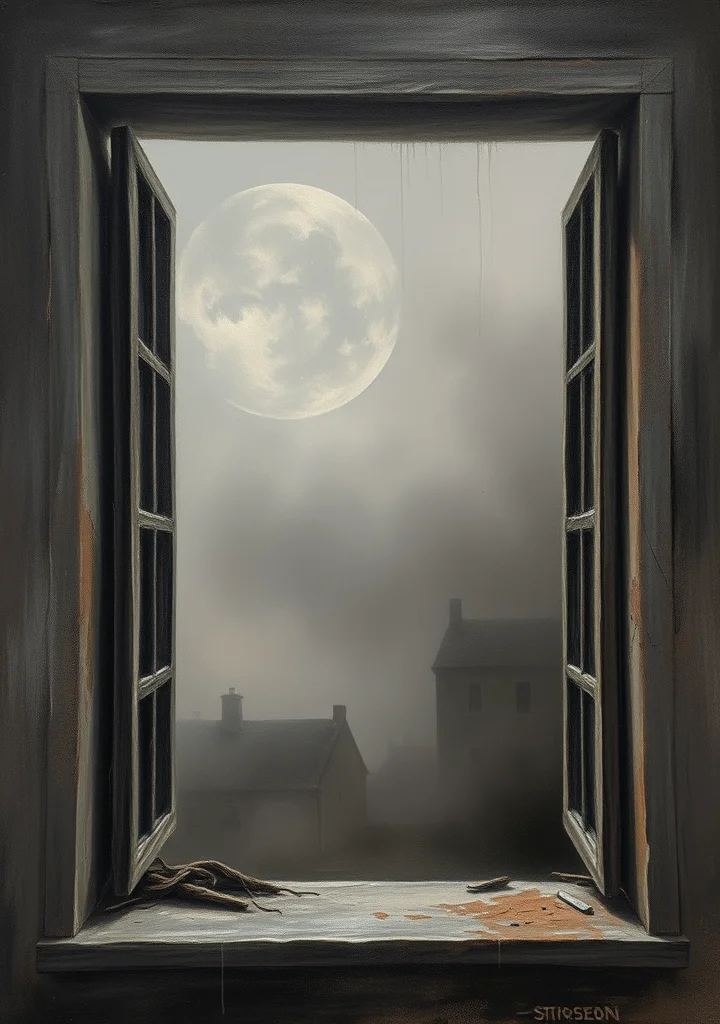
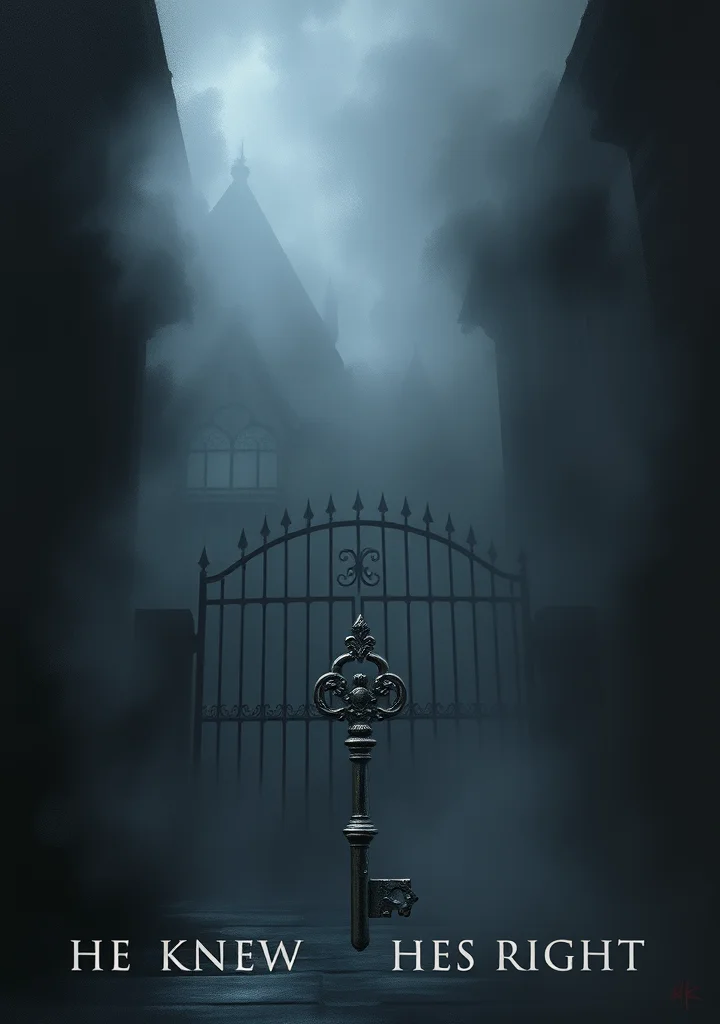
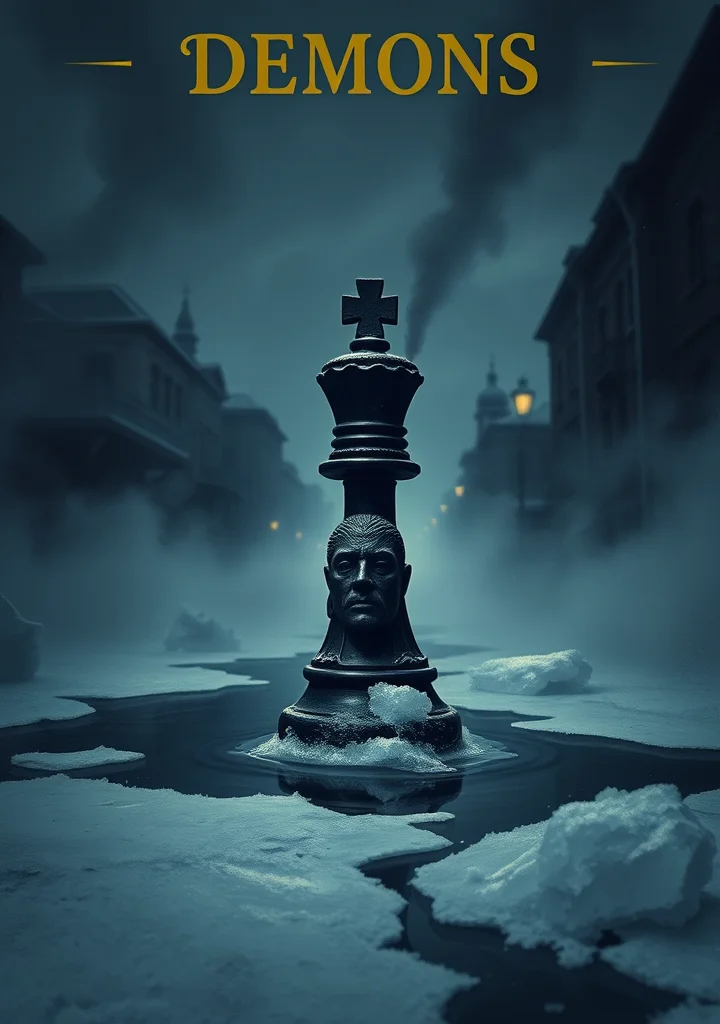
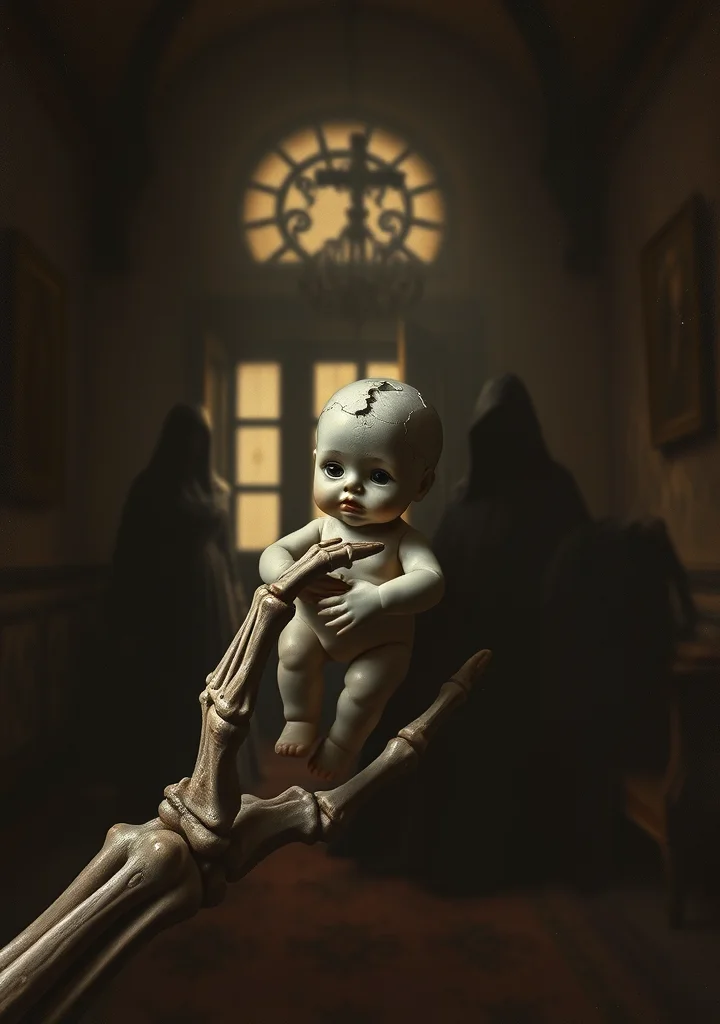
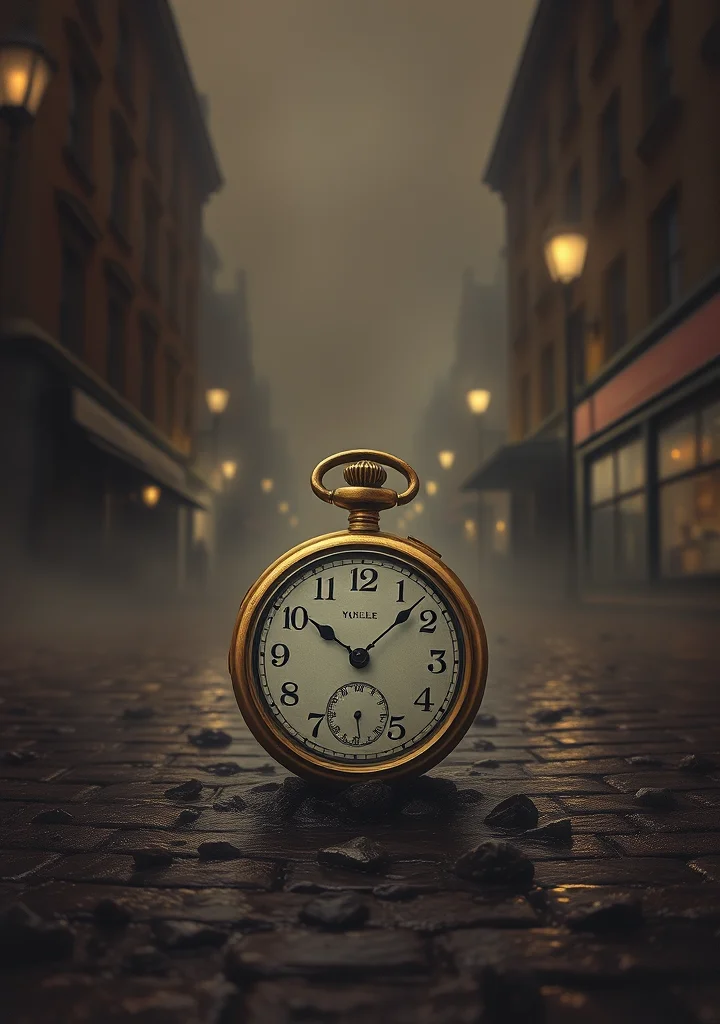
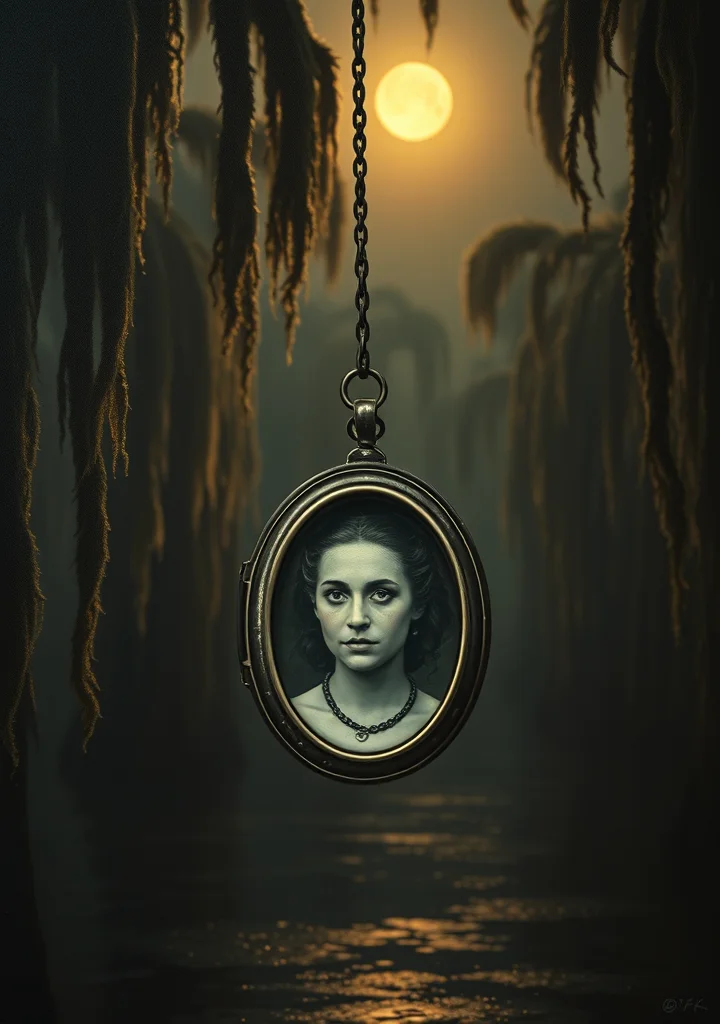
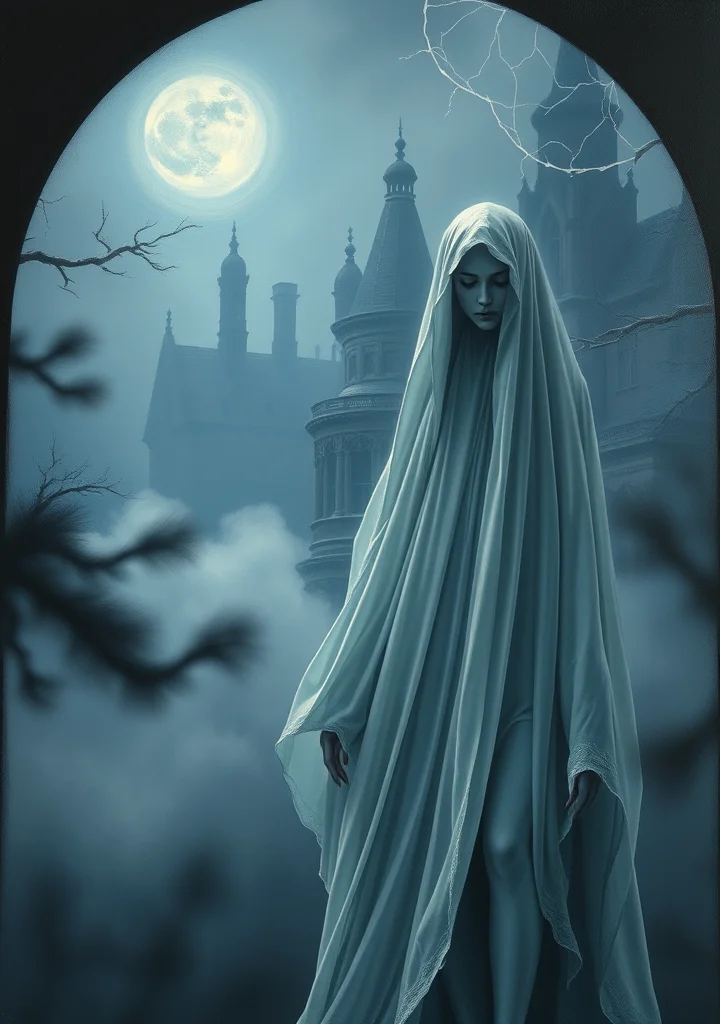
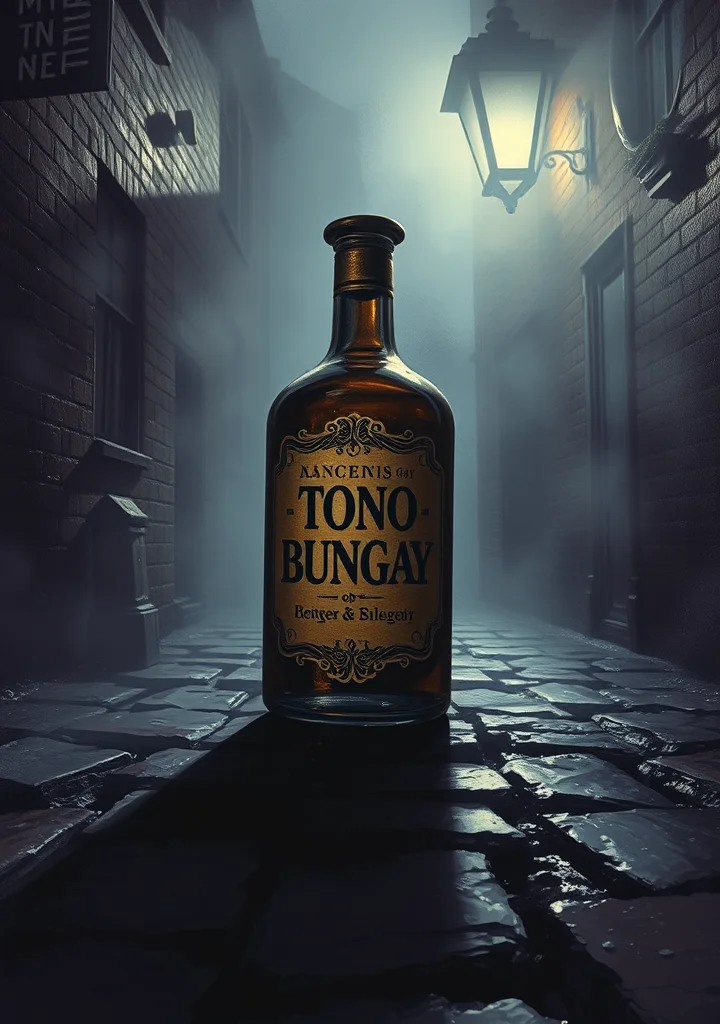
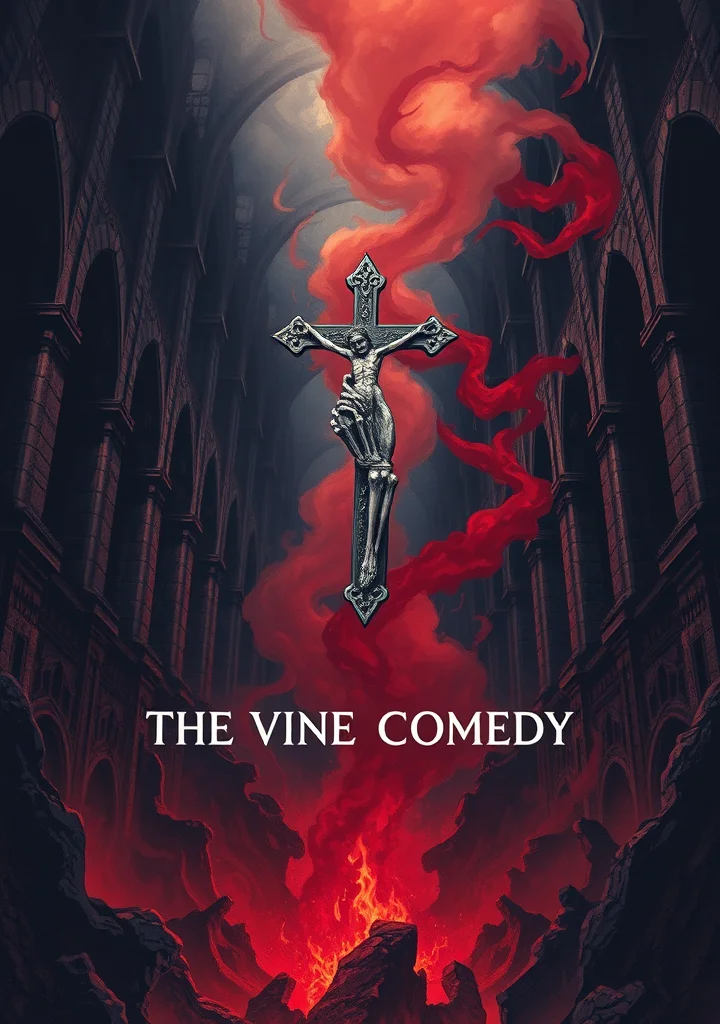
A descent into shadowed realms where the air hangs thick with the scent of sulfur and regret. This is not a journey of salvation, but a spiraling fall through the architecture of sin, each circle of Hell echoing with the screams of the damned and the weight of forgotten virtues. The author’s voice, a spectral guide, leads through landscapes sculpted from despair – forests of withered souls, frozen lakes of remorse, and cities built upon the fractured bones of ambition. A chilling wind whispers through the infernal valleys, carrying fragments of confession and the gnawing hunger of eternal torment. Above, a fragile hope flickers in the celestial spheres, yet even Paradise is tainted by the echoes of earthly suffering. The narrative is a claustrophobic pilgrimage, not towards light, but towards the very heart of darkness, where the boundaries between the mortal and the divine dissolve into a swirling vortex of anguish and revelation. Expect a suffocating atmosphere of gothic grandeur, where every stone, every shadow, and every whispered prayer is etched with the indelible stain of human fallibility. The weight of ages presses upon the reader, a suffocating dread that clings to the soul long after the final verse fades into silence.
Copyright: Public Domain
This license allows anyone to use your story for any purpose, including printing, selling, or adapting it into a film freely.
This license allows anyone to use your story for any purpose, including printing, selling, or adapting it into a film freely.
Chapter List
-
« The Divine Comedy »📖 Continue Reading
-
« Chapter_3 »
-
« The Divine Comedy »
-
« Chapter_6 »
-
« Chapter_7 »
-
« Chapter_8 »
-
« Chapter_9 »
-
« Chapter_10 »
-
« Chapter_11 »
-
« Chapter_12 »
-
« Chapter_13 »
-
« Chapter_14 »
-
« Chapter_15 »
-
« Chapter_16 »
-
« Chapter_17 »
-
« Chapter_18 »
-
« Chapter_19 »
-
« Chapter_20 »
-
« Chapter_21 »
-
« Chapter_22 »
-
« Chapter_23 »
-
« Chapter_24 »
-
« Chapter_25 »
-
« Chapter_26 »
-
« Chapter_27 »
-
« Chapter_28 »
-
« Chapter_29 »
-
« Chapter_30 »
-
« Chapter_31 »
-
« Chapter_32 »
-
« Chapter_33 »
-
« Chapter_34 »
-
« Chapter_35 »
-
« Chapter_36 »
-
« Chapter_37 »
-
« Chapter_38 »
-
« Chapter_39 »
-
« Chapter_40 »
-
« Purgatorio »
-
« Chapter_42 »
-
« Chapter_43 »
-
« Chapter_44 »
-
« Chapter_45 »
-
« Chapter_46 »
-
« Chapter_47 »
-
« Chapter_48 »
-
« Chapter_49 »
-
« Chapter_50 »
-
« Chapter_51 »
-
« Chapter_52 »
-
« Chapter_53 »
-
« Chapter_54 »
-
« Chapter_55 »
-
« Chapter_56 »
-
« Chapter_57 »
-
« Chapter_58 »
-
« Chapter_59 »
-
« Chapter_60 »
-
« Chapter_61 »
-
« Chapter_62 »
-
« Chapter_63 »
-
« Chapter_64 »
-
« Chapter_65 »
-
« Chapter_66 »
-
« Chapter_67 »
-
« Chapter_68 »
-
« Chapter_69 »
-
« Chapter_70 »
-
« Chapter_71 »
-
« Chapter_72 »
-
« Chapter_73 »
-
« Chapter_74 »
-
« Chapter_75 »
-
« Paradiso »
-
« Chapter_77 »
-
« Chapter_78 »
-
« Chapter_79 »
-
« Chapter_80 »
-
« Chapter_81 »
-
« Chapter_82 »
-
« Chapter_83 »
-
« Chapter_84 »
-
« Chapter_85 »
-
« Chapter_86 »
-
« Chapter_87 »
-
« Chapter_88 »
-
« Chapter_89 »
-
« Chapter_90 »
-
« Chapter_91 »
-
« Chapter_92 »
-
« Chapter_93 »
-
« Chapter_94 »
-
« Chapter_95 »
-
« Chapter_96 »
-
« Chapter_97 »
-
« Chapter_98 »
-
« Chapter_99 »
-
« Chapter_100 »
-
« Chapter_101 »
-
« Chapter_102 »
-
« Chapter_103 »
-
« Chapter_104 »
-
« Chapter_105 »
-
« Chapter_106 »
-
« Chapter_107 »
-
« Chapter_108 »
-
« Chapter_109 »
-
« Chapter_110 »
108
-
« The Divine Comedy »
-
« Chapter_3 »
-
« The Divine Comedy »
-
« Chapter_6 »
-
« Chapter_7 »
-
« Chapter_8 »
-
« Chapter_9 »
-
« Chapter_10 »
-
« Chapter_11 »
-
« Chapter_12 »
-
« Chapter_13 »
-
« Chapter_14 »
-
« Chapter_15 »
-
« Chapter_16 »
-
« Chapter_17 »
-
« Chapter_18 »
-
« Chapter_19 »
-
« Chapter_20 »
-
« Chapter_21 »
-
« Chapter_22 »
-
« Chapter_23 »
-
« Chapter_24 »
-
« Chapter_25 »
-
« Chapter_26 »
-
« Chapter_27 »
-
« Chapter_28 »
-
« Chapter_29 »
-
« Chapter_30 »
-
« Chapter_31 »
-
« Chapter_32 »
-
« Chapter_33 »
-
« Chapter_34 »
-
« Chapter_35 »
-
« Chapter_36 »
-
« Chapter_37 »
-
« Chapter_38 »
-
« Chapter_39 »
-
« Chapter_40 »
-
« Purgatorio »
-
« Chapter_42 »
-
« Chapter_43 »
-
« Chapter_44 »
-
« Chapter_45 »
-
« Chapter_46 »
-
« Chapter_47 »
-
« Chapter_48 »
-
« Chapter_49 »
-
« Chapter_50 »
-
« Chapter_51 »
-
« Chapter_52 »
-
« Chapter_53 »
-
« Chapter_54 »
-
« Chapter_55 »
-
« Chapter_56 »
-
« Chapter_57 »
-
« Chapter_58 »
-
« Chapter_59 »
-
« Chapter_60 »
-
« Chapter_61 »
-
« Chapter_62 »
-
« Chapter_63 »
-
« Chapter_64 »
-
« Chapter_65 »
-
« Chapter_66 »
-
« Chapter_67 »
-
« Chapter_68 »
-
« Chapter_69 »
-
« Chapter_70 »
-
« Chapter_71 »
-
« Chapter_72 »
-
« Chapter_73 »
-
« Chapter_74 »
-
« Chapter_75 »
-
« Paradiso »
-
« Chapter_77 »
-
« Chapter_78 »
-
« Chapter_79 »
-
« Chapter_80 »
-
« Chapter_81 »
-
« Chapter_82 »
-
« Chapter_83 »
-
« Chapter_84 »
-
« Chapter_85 »
-
« Chapter_86 »
-
« Chapter_87 »
-
« Chapter_88 »
-
« Chapter_89 »
-
« Chapter_90 »
-
« Chapter_91 »
-
« Chapter_92 »
-
« Chapter_93 »
-
« Chapter_94 »
-
« Chapter_95 »
-
« Chapter_96 »
-
« Chapter_97 »
-
« Chapter_98 »
-
« Chapter_99 »
-
« Chapter_100 »
-
« Chapter_101 »
-
« Chapter_102 »
-
« Chapter_103 »
-
« Chapter_104 »
-
« Chapter_105 »
-
« Chapter_106 »
-
« Chapter_107 »
-
« Chapter_108 »
-
« Chapter_109 »
-
« Chapter_110 »
More like this