
-
Read 956
-
0
-
Part 58
Completed, First published Mar 02, 2026
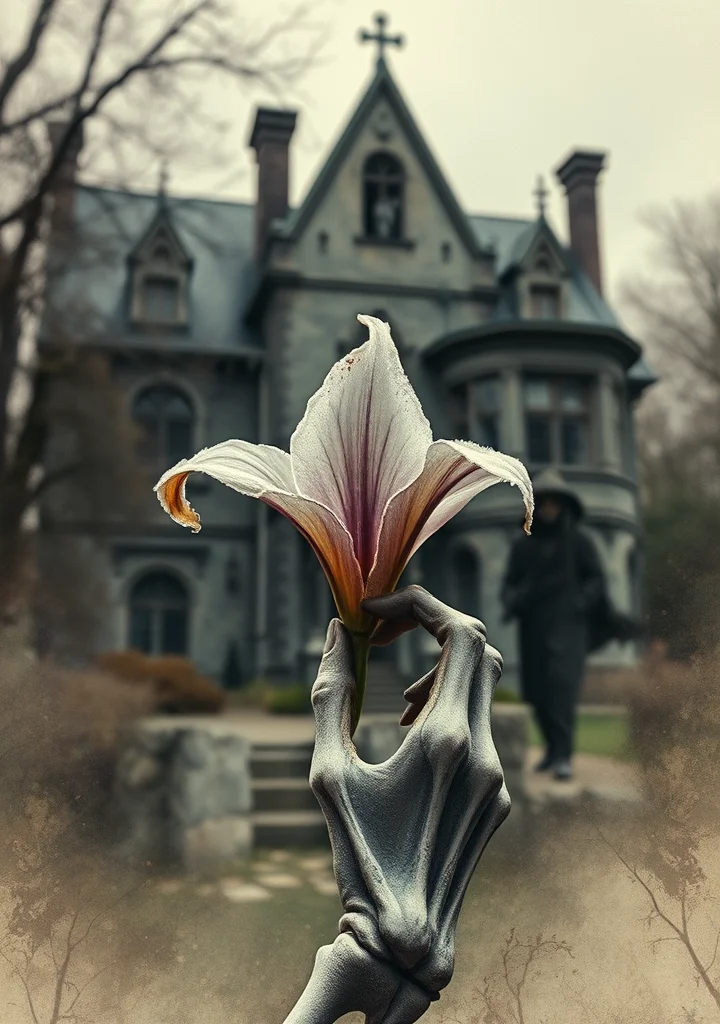
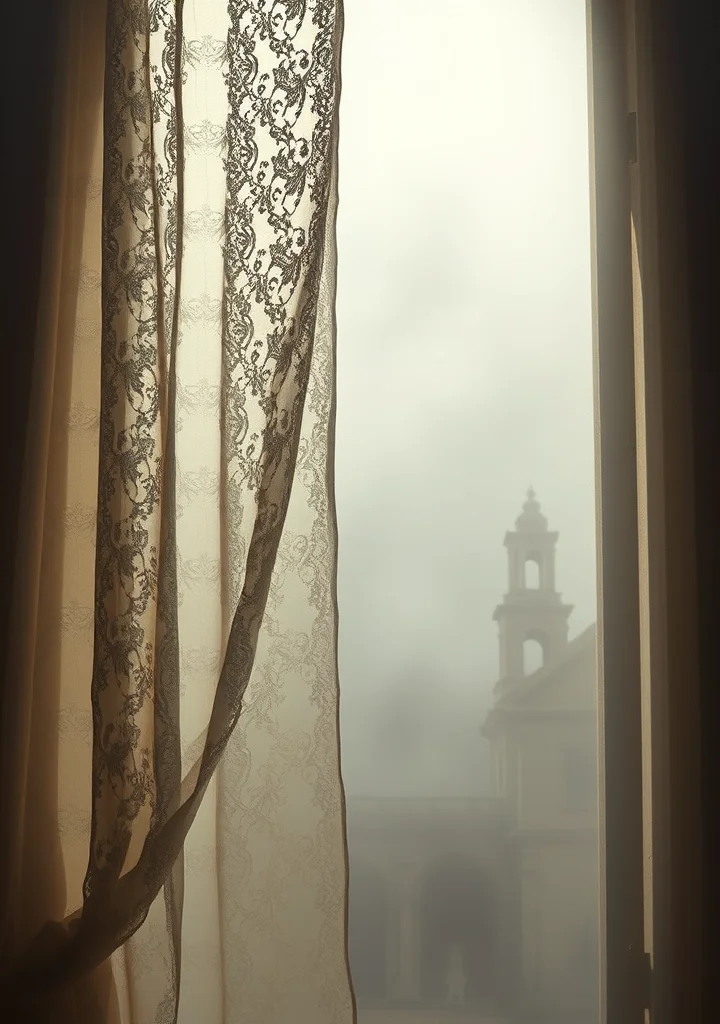
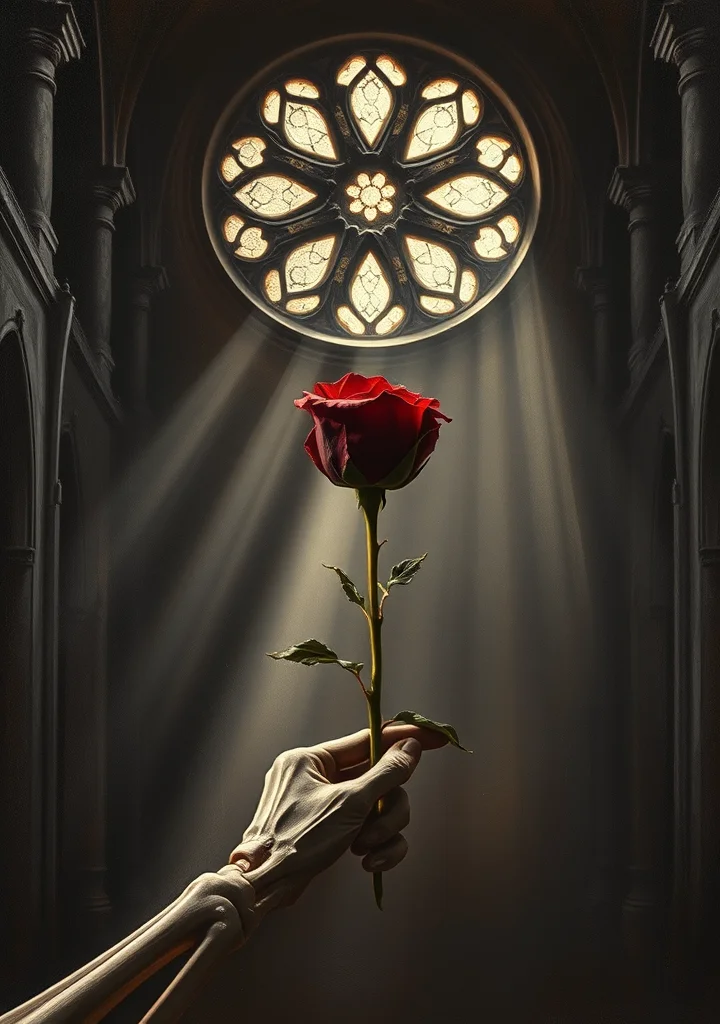
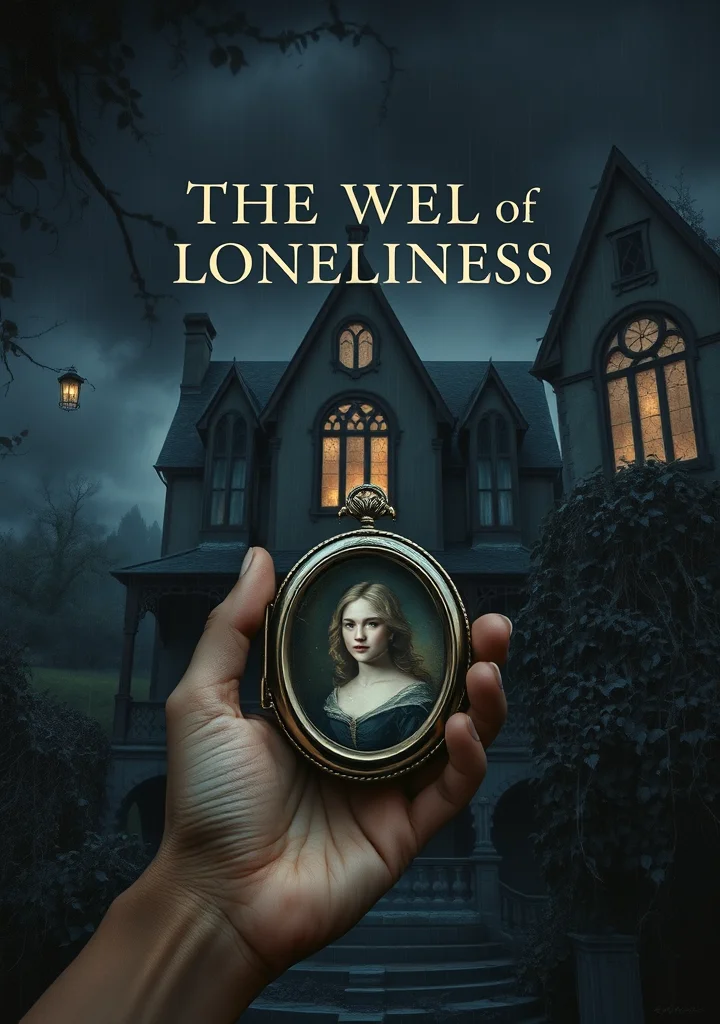
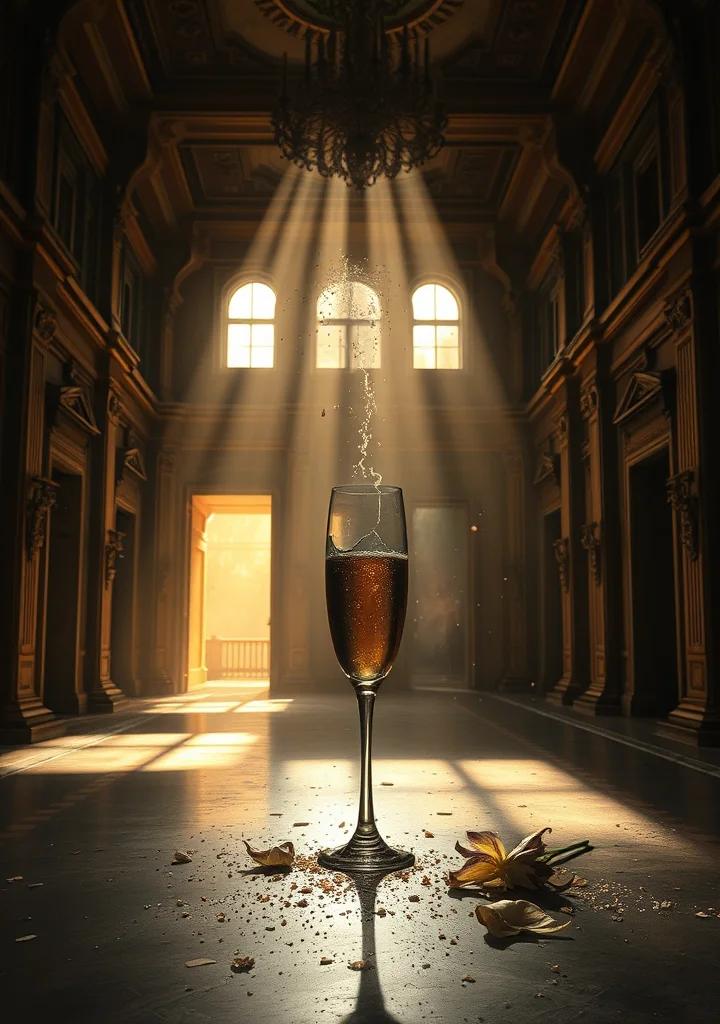
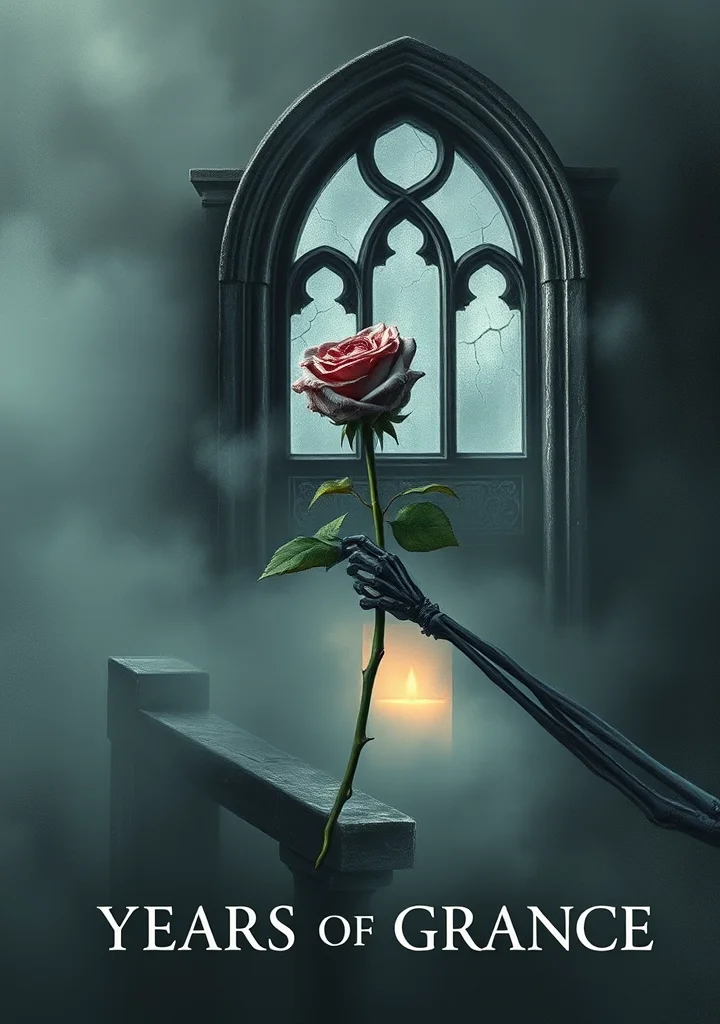
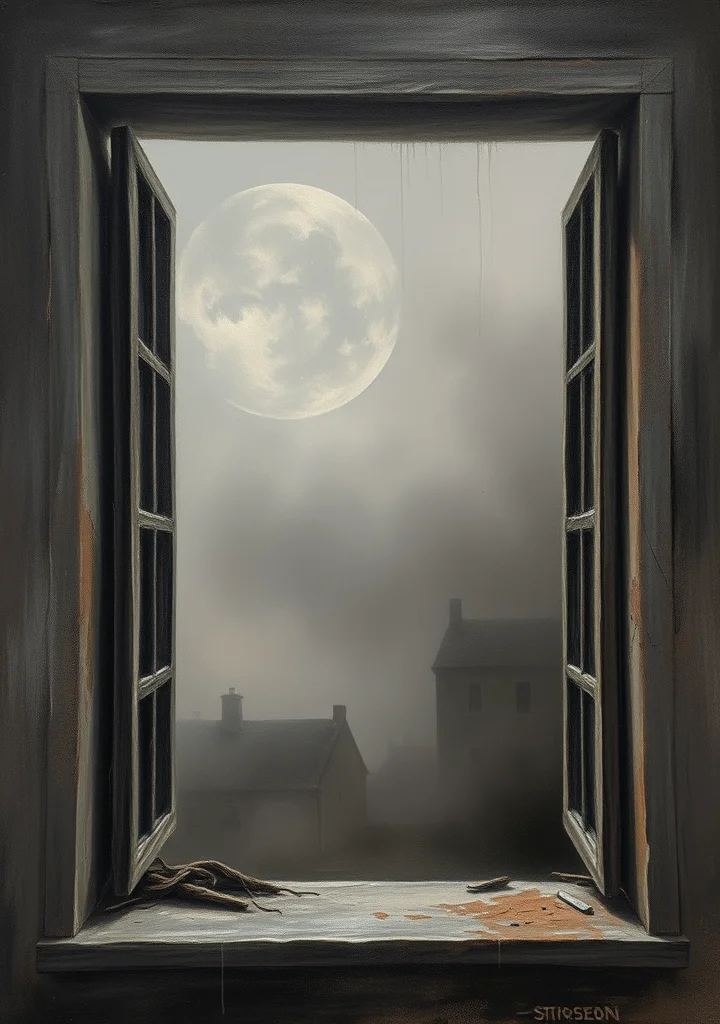
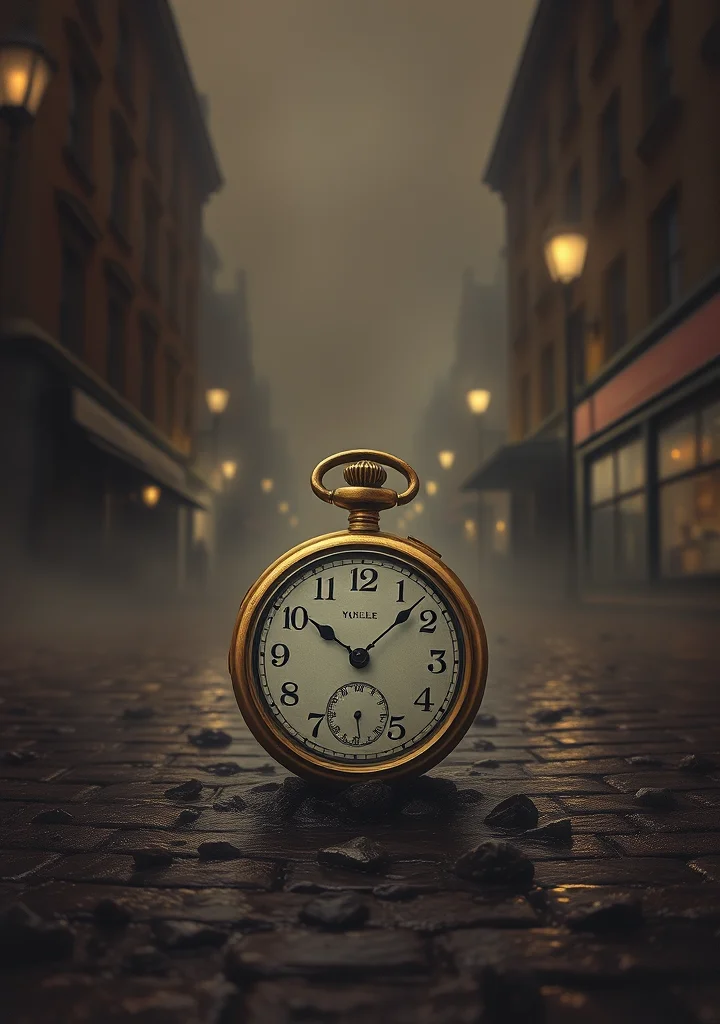
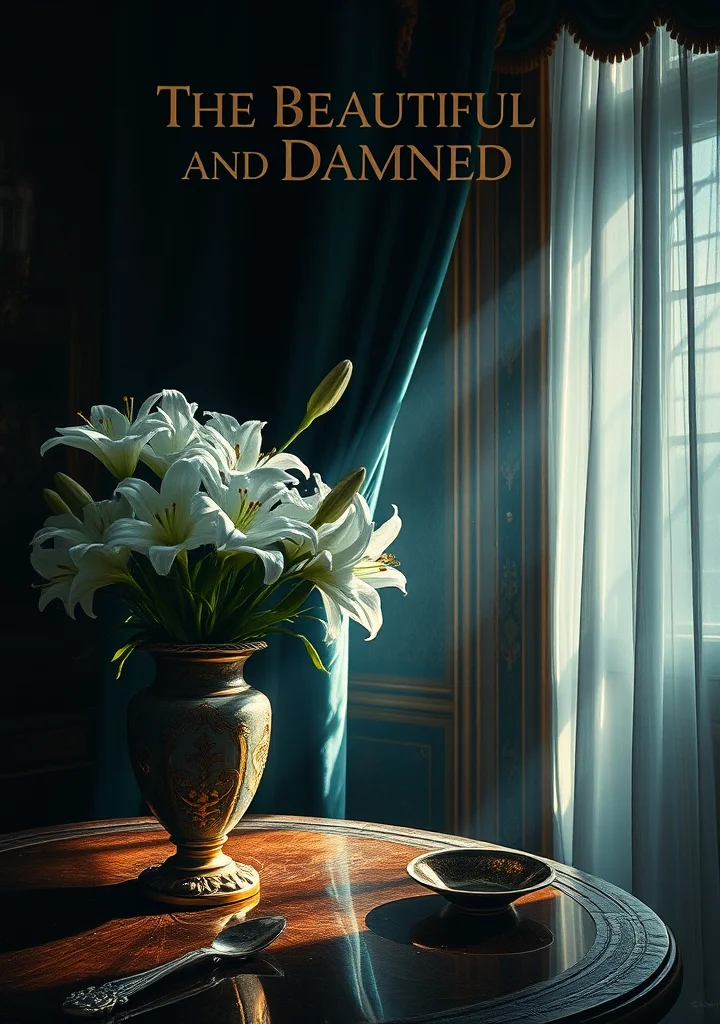
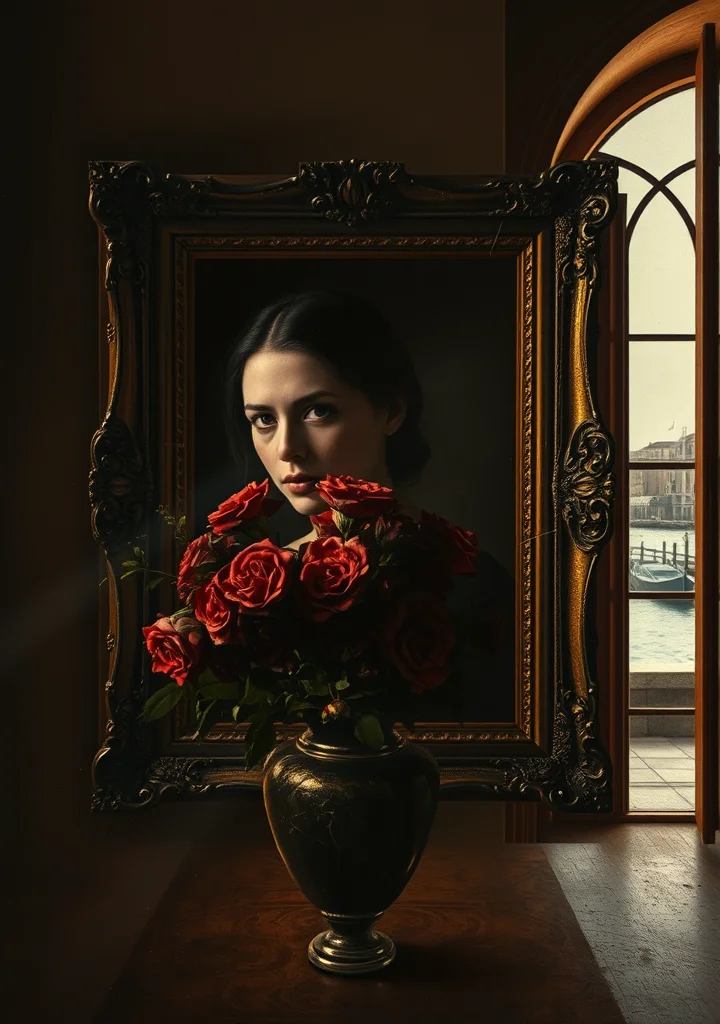
Dust motes dance in the perpetual twilight of Palazzo Rucce, mirroring the slow decay of innocence within its shadowed halls. The air hangs thick with the scent of dying roses and the hushed whispers of Venetian canals, a city built on secrets and submerged desires. A young American, emboldened by naive ambition and a thirst for European refinement, finds herself drawn into the orbit of a charismatic expatriate, a master of veiled intentions. But beneath the polished veneer of Italian society, a predatory elegance unfolds.
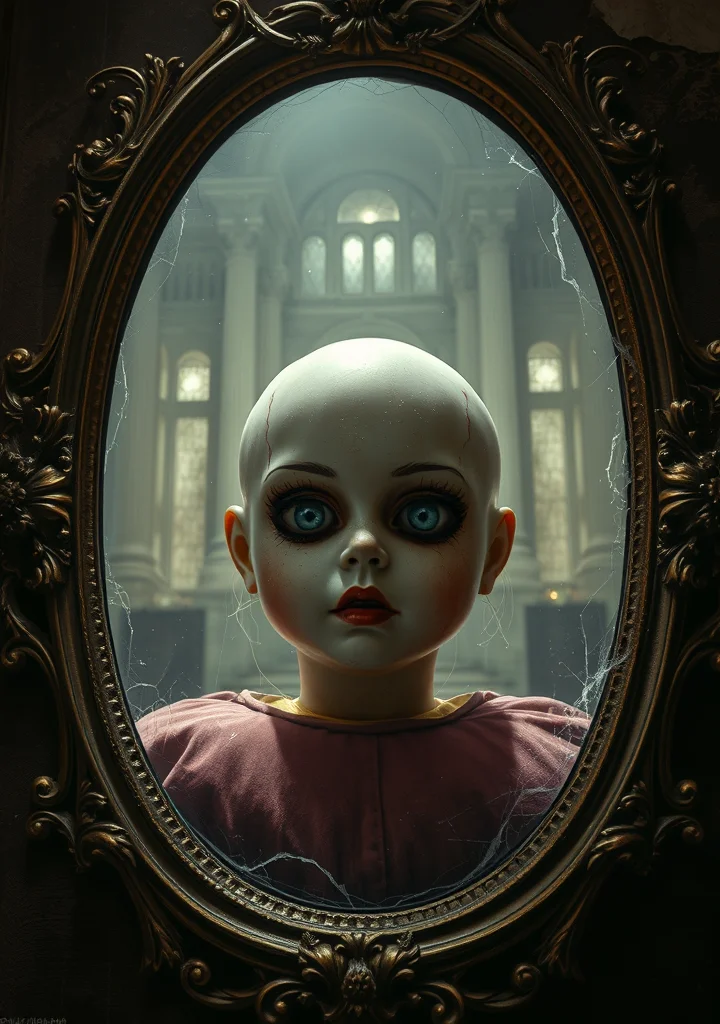
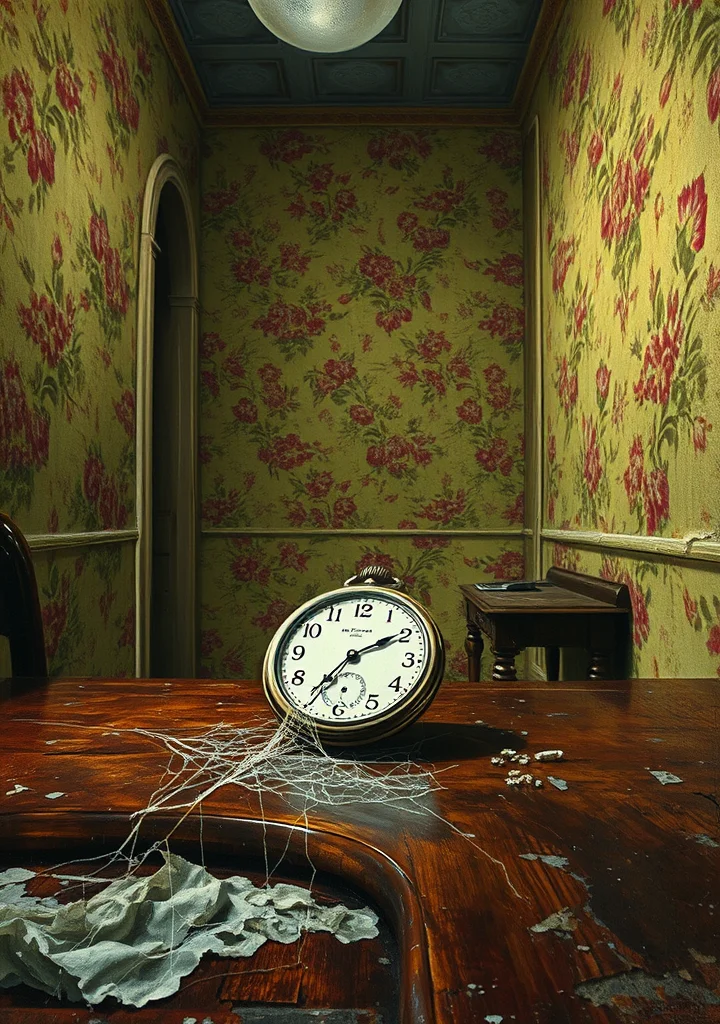
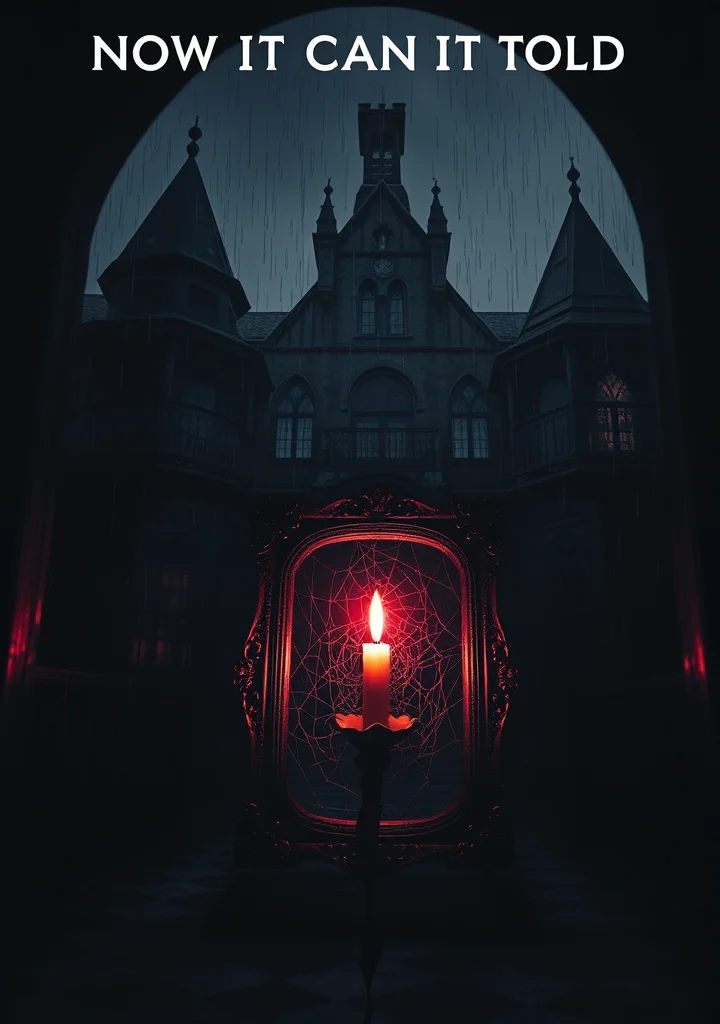
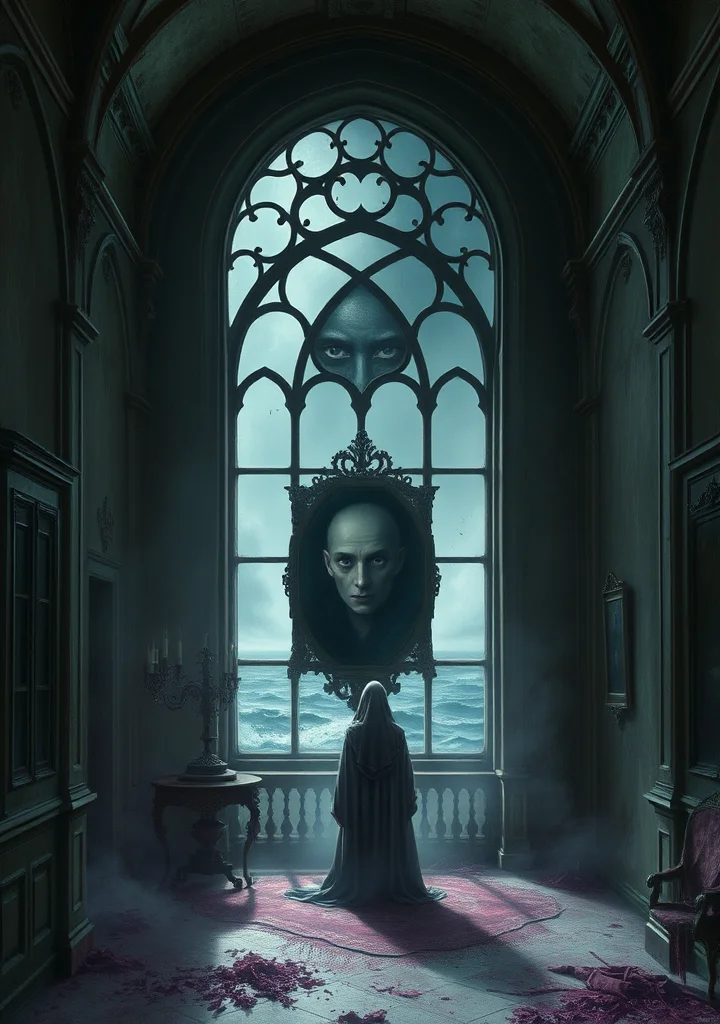
The palazzo itself breathes with a suffocating beauty, its marble floors cold beneath bare feet, its gilded mirrors reflecting not truth, but distorted fragments of a soul unraveling. A creeping sense of enclosure permeates every gilded room, a gilded cage for a heart ensnared by its own longing. The narrative isn't one of grand gestures, but of insidious erosion—the slow leaching of vitality from a spirit starved for passion, yet fed only with polite deceits.
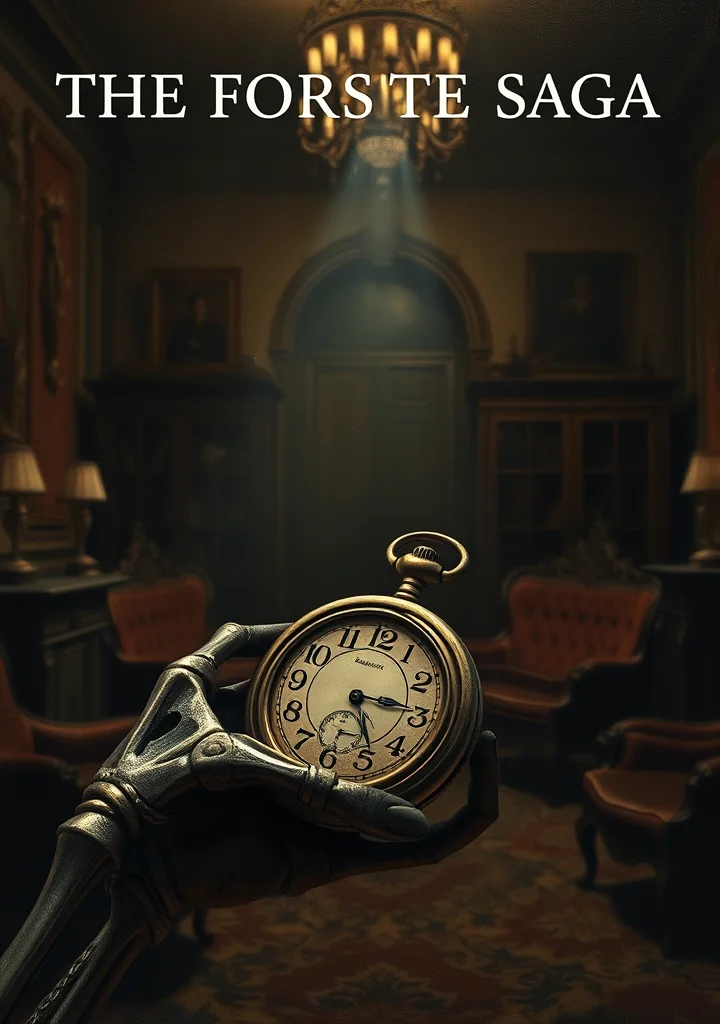
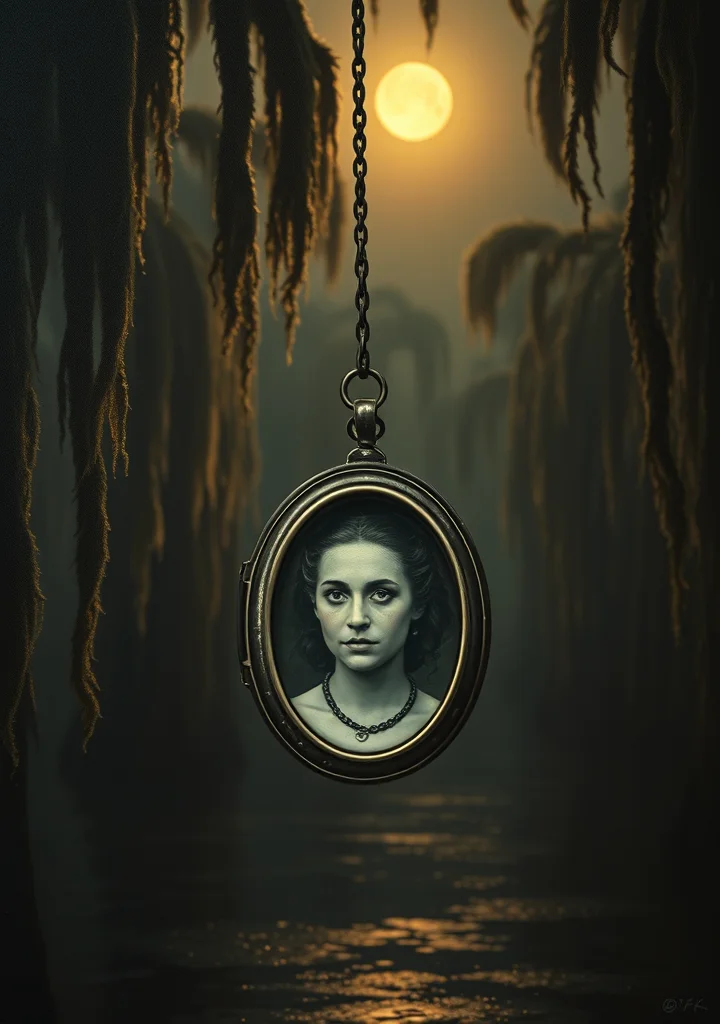
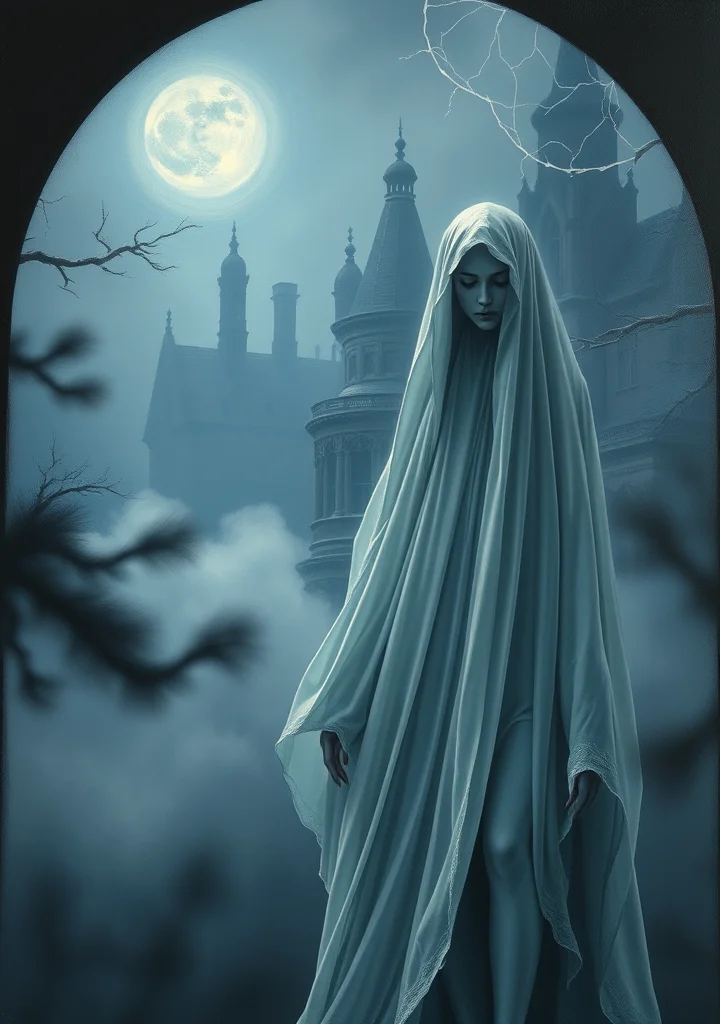
Each encounter is a tightening coil, a subtle shift in the balance of power, veiled in courteous conversation. The weight of unacknowledged expectation, the sting of unfulfilled promises, settles like a frost upon the bones. It is a portrait not of a lady’s triumph, but of her exquisite, agonizing unraveling—a descent into a gilded ruin where ambition is measured in the currency of lost futures and the only escape lies in the hollow echo of what might have been. The pallid light of waning hope casts long shadows on the marble busts, silent witnesses to a tragedy unfolding with the languid grace of a dying swan.
Copyright: Public Domain
This license allows anyone to use your story for any purpose, including printing, selling, or adapting it into a film freely.
This license allows anyone to use your story for any purpose, including printing, selling, or adapting it into a film freely.
Chapter List
-
« The Portrait of a Lady »📖 Continue Reading
-
« Preface »
-
« The Portrait of a Lady »
-
« I »
-
« II »
-
« III »
-
« IV »
-
« V »
-
« VI »
-
« VII »
-
« VIII »
-
« IX »
-
« X »
-
« XI »
-
« XII »
-
« XIII »
-
« XIV »
-
« XV »
-
« XVI »
-
« XVII »
-
« XVIII »
-
« XIX »
-
« XX »
-
« XXI »
-
« XXII »
-
« XXIII »
-
« XXIV »
-
« XXV »
-
« XXVI »
-
« XXVII »
-
« XXVIII »
-
« XXIX »
-
« XXX »
-
« XXXI »
-
« XXXII »
-
« XXXIII »
-
« XXXIV »
-
« XXXV »
-
« XXXVI »
-
« XXXVII »
-
« XXXVIII »
-
« XXXIX »
-
« XL »
-
« XLI »
-
« XLII »
-
« XLIII »
-
« XLIV »
-
« XLV »
-
« XLVI »
-
« XLVII »
-
« XLVIII »
-
« XLIX »
-
« L »
-
« LI »
-
« LII »
-
« LIII »
-
« LIV »
-
« LV »
58
-
« The Portrait of a Lady »
-
« Preface »
-
« The Portrait of a Lady »
-
« I »
-
« II »
-
« III »
-
« IV »
-
« V »
-
« VI »
-
« VII »
-
« VIII »
-
« IX »
-
« X »
-
« XI »
-
« XII »
-
« XIII »
-
« XIV »
-
« XV »
-
« XVI »
-
« XVII »
-
« XVIII »
-
« XIX »
-
« XX »
-
« XXI »
-
« XXII »
-
« XXIII »
-
« XXIV »
-
« XXV »
-
« XXVI »
-
« XXVII »
-
« XXVIII »
-
« XXIX »
-
« XXX »
-
« XXXI »
-
« XXXII »
-
« XXXIII »
-
« XXXIV »
-
« XXXV »
-
« XXXVI »
-
« XXXVII »
-
« XXXVIII »
-
« XXXIX »
-
« XL »
-
« XLI »
-
« XLII »
-
« XLIII »
-
« XLIV »
-
« XLV »
-
« XLVI »
-
« XLVII »
-
« XLVIII »
-
« XLIX »
-
« L »
-
« LI »
-
« LII »
-
« LIII »
-
« LIV »
-
« LV »
More like this