
The Pilgrim’s Progress
  • 58
  • 0
  • 8
  • Reads 58
  • 0
  • Part 8
Completed, First published Mar 02, 2026

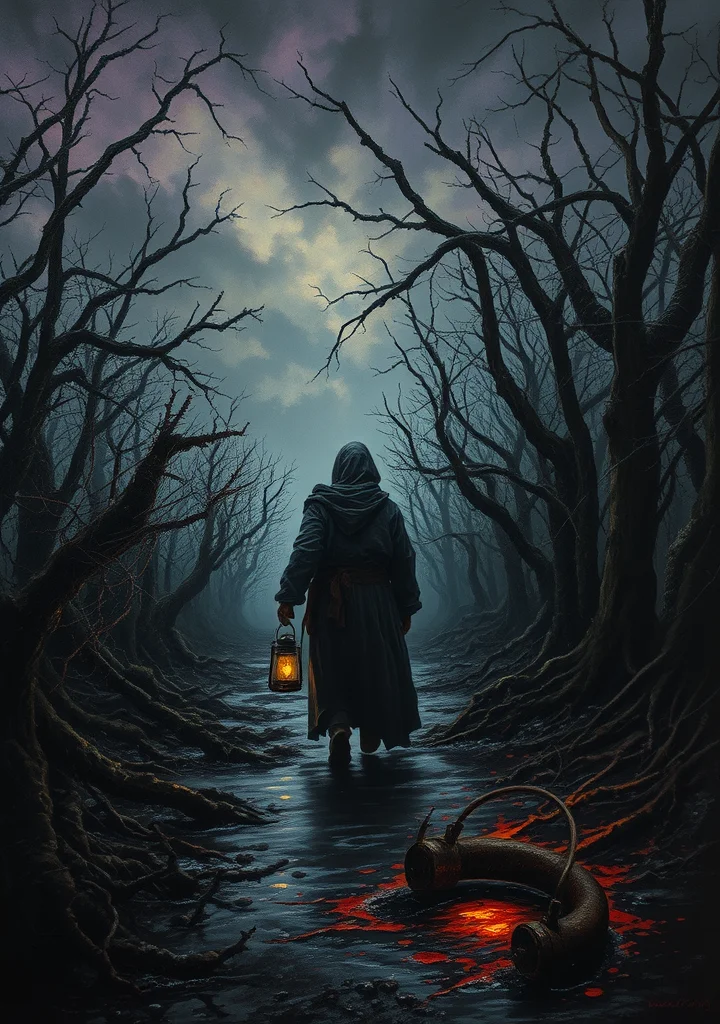
A mire of shadowed valleys and choked forests clings to the very bones of this tale. Though ostensibly a journey towards celestial light, the path is paved with the dust of despair and the rot of forgotten sins. Every thorn bush whispers of temptation, every bog breathes with the fever dreams of the lost. The air hangs thick with the stench of sulfur and regret, clinging to the pilgrim's threadbare cloak as he stumbles through landscapes sculpted by remorse. Sunlight is a fractured thing here, glimpsed only through the skeletal branches of ancient, gnarled trees—trees that seem to weep black resin in their eternal vigil. Each inn is a hollowed-out tomb, haunted by the echoes of failures and the gnawing hunger of abandonment. The very stones underfoot seem to groan with the weight of centuries, burdened by the weight of souls who sought salvation and found only further entanglement in the tendrils of doubt. A perpetual twilight bleeds into the horizon, blurring the line between waking nightmare and the cold, unyielding reality of the pilgrim’s desperate stride towards a heaven perpetually veiled in mist. It is not a journey *to* salvation, but a descent *through* a labyrinth of the soul, where the only true companion is the creeping dread of what waits just beyond the next shadowed bend.
Copyright: Public Domain
This license allows anyone to use your story for any purpose, including printing, selling, or adapting it into a film freely.
Recommended for you
54 Part
A creeping dread clings to the shadowed halls of Blackwood Manor, where the legacy of the Ashworths—a family steeped in melancholic piety and stifled ambition—unwinds like a silken noose. The narrative breathes with the damp chill of decaying grandeur, each room a mausoleum of forgotten vows and whispered sins. Old Mr. Ashworth’s failing health isn't merely illness, but a slow erosion of the boundaries between this world and something…else. His daughter, burdened by the weight of expectation and a suppressed, feverish devotion, finds her spirit fracturing alongside his. The story isn't one of outward horror, but a suffocating claustrophobia born of repressed desire and the suffocating weight of religious fervor. A subtle poison seeps through the narrative, laced with the scent of dying lilies and the rustle of unseen presences in the long corridors. The barriers between the Ashworths’ carefully constructed faith and the gnawing darkness within begin to blister and crack. The estate itself is a character—a labyrinth of shadowed alcoves and overgrown gardens where the rot of secrets blooms under a perpetual twilight. The very stones seem to weep with the grief of generations past. The air hangs thick with the anticipation of a reckoning, not of ghouls or specters, but of a soul laid bare, consumed by the flames of its own unfulfilled longings. It’s a story told in the fading light of a dying man’s consciousness, where the boundaries of reality blur with the feverish visions of a desperate heart.
101 Part
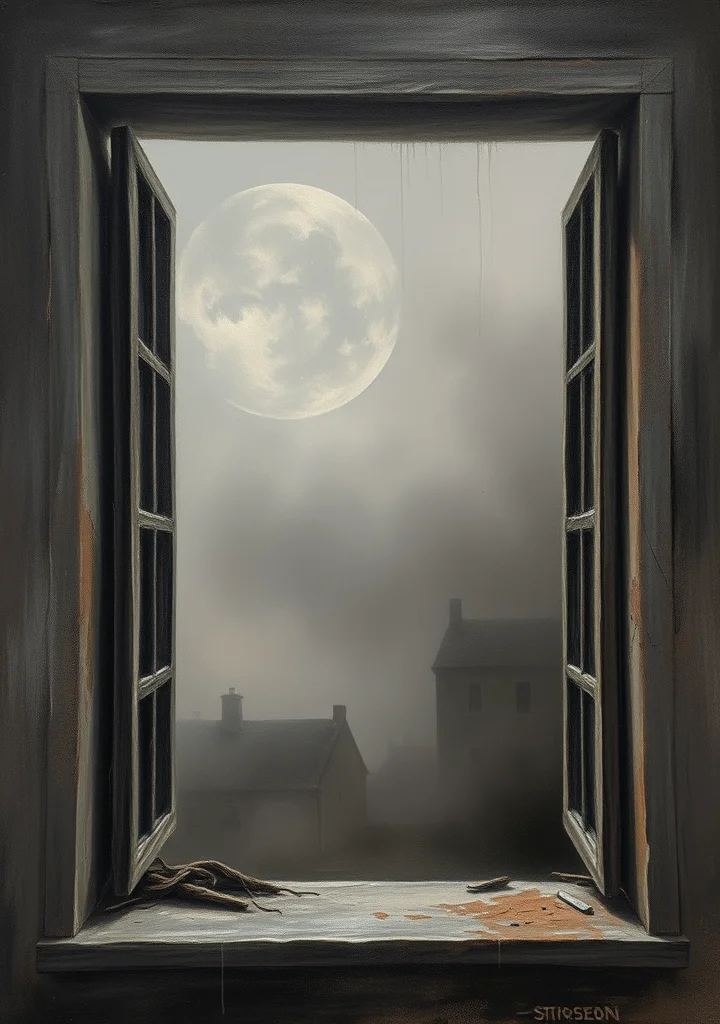
A creeping fog clings to the Yorkshire moors, mirroring the secrets held within the hearts of five strangers bound together by chance and a shared, unsettling journey. The year is nineteen thirty-one, and the weight of England’s failing industries presses down on each companion like a suffocating shroud. But this is no mere tale of economic hardship. It’s a slow unraveling, a gothic pilgrimage across a landscape haunted by fractured memories and the ghosts of unspoken desires. Each character carries a fragment of a forgotten tragedy, their pasts woven into the very fabric of the crumbling pubs and desolate railway lines they traverse. The narrative breathes with a melancholic rhythm, echoing the rhythmic clatter of train wheels and the mournful cry of distant sheep. A sense of premonition hangs heavy – not of spectacular doom, but of quiet, insidious decay. The camaraderie feels brittle, laced with suspicion and a desperate need to understand the shadows lurking within their companions’ eyes. As the companions draw closer to London, the oppressive atmosphere intensifies, mirroring the city’s labyrinthine streets and the moral murk beneath its glittering façade. A creeping sense of inevitability settles upon them, hinting that their shared journey isn’t merely across England, but towards a reckoning with the darkness within themselves. It’s a story told in hushed tones, where the true horrors aren’t found in grand gestures, but in the silences between words and the chilling recognition of shared, unacknowledged grief.

15 Part
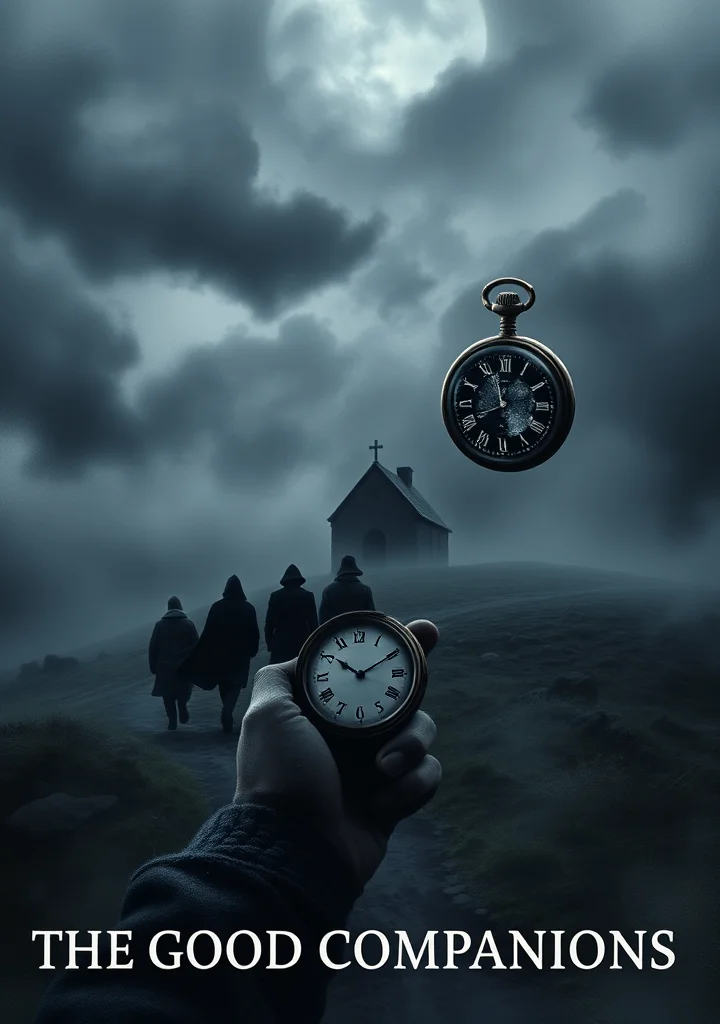
A suffocating mist clings to the crumbling stone of Wollaston’s world, a landscape haunted by the ghosts of reason abandoned. This is not a tale of spectral apparitions, but of a rot within the very bone of existence, where the boundaries between the natural world and the fracturing psyche dissolve. The narrative unfolds like a slow poisoning, tracing the decay of a man’s faith not through divine revelation, but through the cold, clinical dissection of the world’s mechanics. Every wildflower dissected, every star’s trajectory charted, feels less a discovery and more an incision – revealing not the hand of God, but the gaping void where devotion once resided. A pervasive dread settles not in grand, theatrical horrors, but in the meticulous observation of decay. The prose mirrors the era’s obsession with precision, yet each measured sentence feels like a tightening noose. Sunlight here is not a promise of warmth, but a harsh glare exposing the barrenness of a landscape stripped of all comfort. It is a study in isolation, not of hermits in remote cabins, but of a consciousness slowly entombed within the suffocating rationality of its own design. The silence isn’t emptiness, but the stifled scream of a soul observing its own extinction. The air itself tastes of ash and the scent of dried herbs, hinting at a morbid alchemy where the pursuit of natural law becomes a ritual of self-annihilation. One reads not to understand a religion, but to witness the unraveling of one man’s mind as he methodically charts his descent into the barren, unforgiving wilderness of a godless universe.
31 Part
A creeping fog clings to the cobbled streets of Windsor, thick with whispers of discontent and shadowed desires. Though laughter rings from the alehouses, it’s a brittle sound, echoing off the damp stone walls of houses where secrets fester like rot beneath floorboards. Mistress Page and Mistress Ford, pillars of their small society, find their lives curdled by a cunning malice – a desperate, disguised man, fueled by wounded pride and fueled by envy. The air smells of woodsmoke and simmering resentment, and the scent of roses in their gardens is tainted by the thorns of suspicion. The play unfolds not as merriment, but as a tightening snare. Every jest feels laced with threat, every shared confidence a potential betrayal. Sunlight feels weak and sickly, unable to penetrate the gloom that clings to the characters, mirroring the darkness within their hearts. The forest surrounding Windsor becomes a labyrinth of anxieties, where the shadows dance with the phantom of a cuckolded husband, driven to madness by the possibility of deceit. Even the fool's antics feel edged with desperation, mirroring the frantic attempts to keep a crumbling facade of respectability intact. The play is a slow suffocation under the weight of societal expectation, where the merriment is a desperate, feverish attempt to ward off a lurking dread. It's a world where a stolen glance, a whispered word, can unravel lives and leave only the hollow echo of broken trust.