
The Social Contract
  • 199
  • 0
  • 58
  • Reads 199
  • 0
  • Part 58
Completed, First published Mar 02, 2026

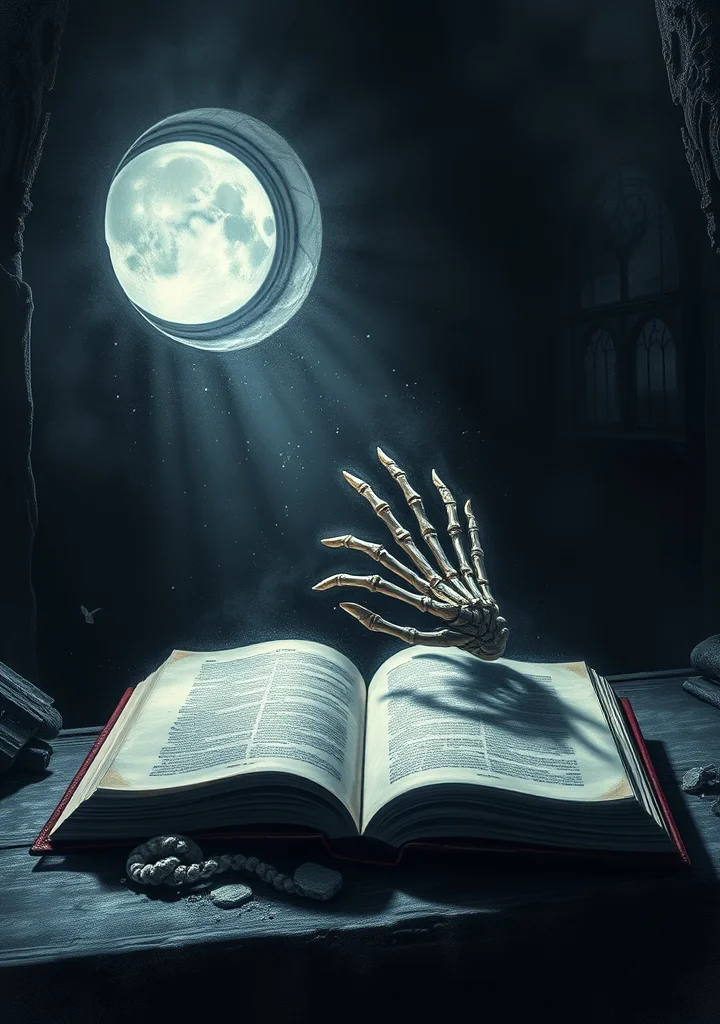
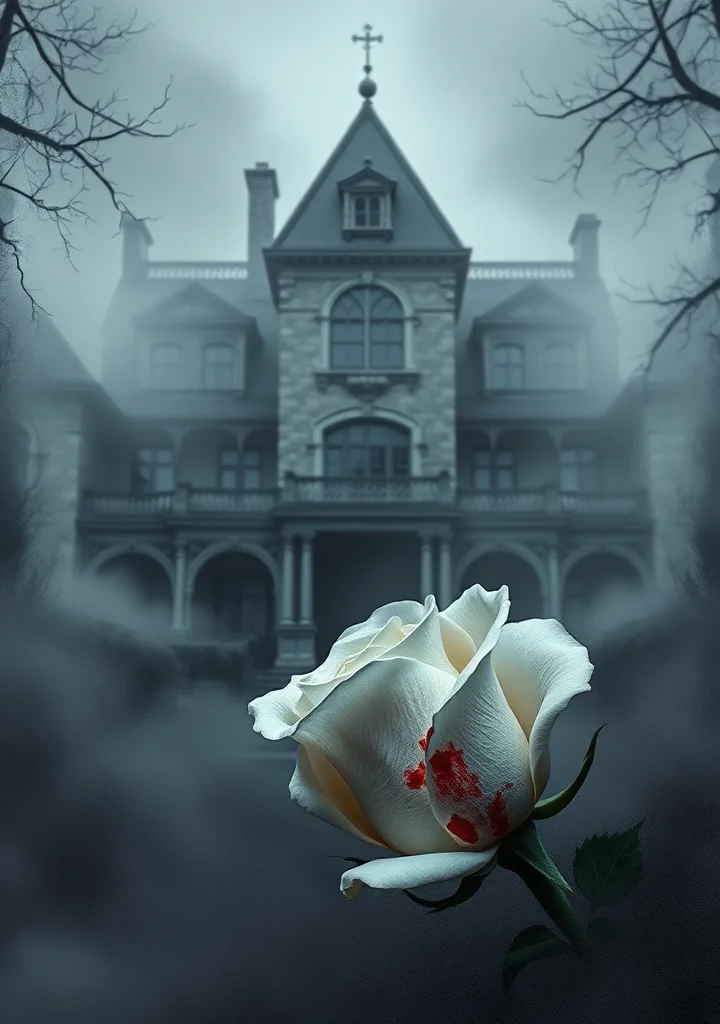
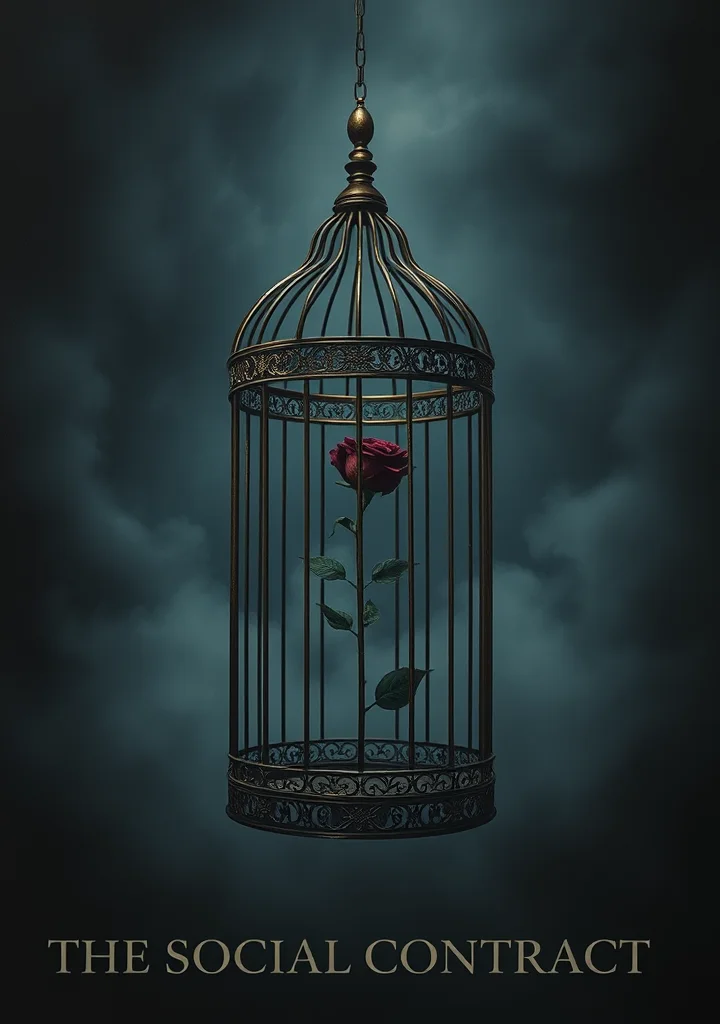
A creeping fog clings to the crumbling estate of reason, where the specter of societal expectation chills the very marrow. Within shadowed chambers, the whispers of obligation weave a suffocating tapestry, binding the soul to a gilded cage of mutual need. The air hangs thick with the scent of decaying ideals, of promises made and broken amidst manicured gardens concealing thorns of resentment. A relentless scrutiny permeates every shadowed corner, demanding conformity at the cost of individual lament. Here, the echoes of enforced unity reverberate through hollow halls, twisting the heart’s desire into a grotesque parody of freedom. The contract itself—a brittle parchment stained with the ink of compromise—becomes a tombstone marking the burial of authentic self. Each enforced smile, each calculated gesture, is a nail hammered into the coffin of genuine feeling. The estate is not merely observed, but consumed—a slow, deliberate erosion of spirit under the weight of a watchful, silent judgment. The narrative unravels like a shroud, revealing the skeletal framework of a world where belonging is purchased with the currency of one’s own ghost. A suffocating darkness descends as the boundaries between individual will and the collective will dissolve into an indistinguishable, haunted grey.
Copyright: Public Domain
This license allows anyone to use your story for any purpose, including printing, selling, or adapting it into a film freely.
Chapter List

58

Recommended for you
41 Part
A creeping dread clings to the shadowed corners of Blackwood Manor, where Miss Mole, a woman steeped in quiet desperation, arrives as governess. The air is thick with unspoken histories, the very stones breathing with the weight of generations past. She finds herself not merely employed, but *absorbed* into the decaying grandeur, a fragile moth drawn to a flickering, dangerous flame. The manor’s isolation isn’t merely geographical; it’s a severance from the living world, a slow suffocation within velvet curtains and dust-motes dancing in perpetual twilight. Her charge, a pale child haunted by whispers, mirrors the manor’s own decaying beauty, and Miss Mole’s attempts to nurture life feel less like kindness and more like a futile struggle against the encroaching rot. The scent of jasmine and decay intertwine, mirroring the insidious blossoming of a love born from loneliness, a connection forged in the oppressive silence. But beneath the surface of polite society and veiled affections lurks a chilling awareness – a sense of being watched, not by prying eyes, but by the very fabric of the house itself. Every shadow holds a secret, every smile a carefully constructed facade, and Miss Mole discovers that Blackwood Manor doesn’t just *contain* secrets; it *feeds* on them, drawing its sustenance from the fractured souls within its walls. The narrative unravels like a moth-eaten tapestry, revealing a tapestry of obsession, loss, and a haunting question: will Miss Mole escape Blackwood’s embrace, or become another ghostly echo within its shadowed halls?

45 Part
A perpetual twilight clings to the crumbling manors and shadowed forests of Värmland, where the legend of Gösta Berling unfolds. He is a ghost amongst the living, a disinherited nobleman drifting through the estates of his former masters, bound by a debt of storytelling to the aging, melancholic Ylva. Each tale he spins is a fragment of a fractured past—of forbidden loves, of battles lost and won in the hearts of men, of the spectral weight of ancestral sins. The air is thick with the scent of decaying grandeur, the rustle of secrets in long corridors, and the mournful howl of wolves mirroring the hunger within Gösta’s own soul. The narrative is less a linear progression than a haunting procession of characters—a spectral cavalcade of priests, peasants, and fallen aristocrats—each touched by Gösta’s wandering hand. Their lives intertwine and unravel amidst the harsh beauty of the Scandinavian landscape, stained crimson by autumn’s decay. A simmering, fatalistic romance blooms within the confines of Ylva's decaying manor, shadowed by the specter of Gösta's past and the encroaching darkness of a world indifferent to honor or grace. Every whispered confidence, every stolen glance, is laced with the premonition of tragedy—a world where salvation is a fragile illusion and the echoes of loss resonate through generations. The very stones of the estates seem to weep with forgotten grief, absorbing the stories Gösta tells until they become indistinguishable from the land’s own ancient sorrow.
26 Part
A creeping dread emanates from the snow-blinded peaks surrounding the Castle, a fortress not of stone and mortar but of suffococating bureaucracy and fractured logic. The protagonist, nameless and adrift, is drawn into its labyrinthine corridors not by invitation, but by an insidious compulsion, a need to understand its impossible laws. Each attempt to reach its masters, the unseen Archduke and his attendants, is met with echoing silence, mirrored by the villagers who speak of the Castle only in hushed, fearful whispers. The landscape itself is a character – a perpetual twilight descends, smothering the world in a gray, suffocating weight. Rooms stretch into impossible distances, hallways twist into mirroring repetitions, and the very architecture seems designed to frustrate comprehension. The air is thick with the scent of damp stone and decaying paper, a testament to decades of unfulfilled petitions. A pervasive sense of futility clings to every interaction. The Castle’s inhabitants, pale and withdrawn, engage in rituals of pointless administration, their faces etched with a hollow resignation. Hope is not extinguished, but slowly eroded, replaced by a gnawing awareness of one’s own insignificance within a system that exists solely to perpetuate its own obscurity. The narrative unfolds as a descent into a waking nightmare, a prison built not of bars, but of endless, incomprehensible protocols. The Castle isn’t merely a location; it’s a symptom of a deeper, unknowable malaise, an infection of the soul.