
-
Read 616
-
0
-
Part 41
Completed, First published Mar 02, 2026
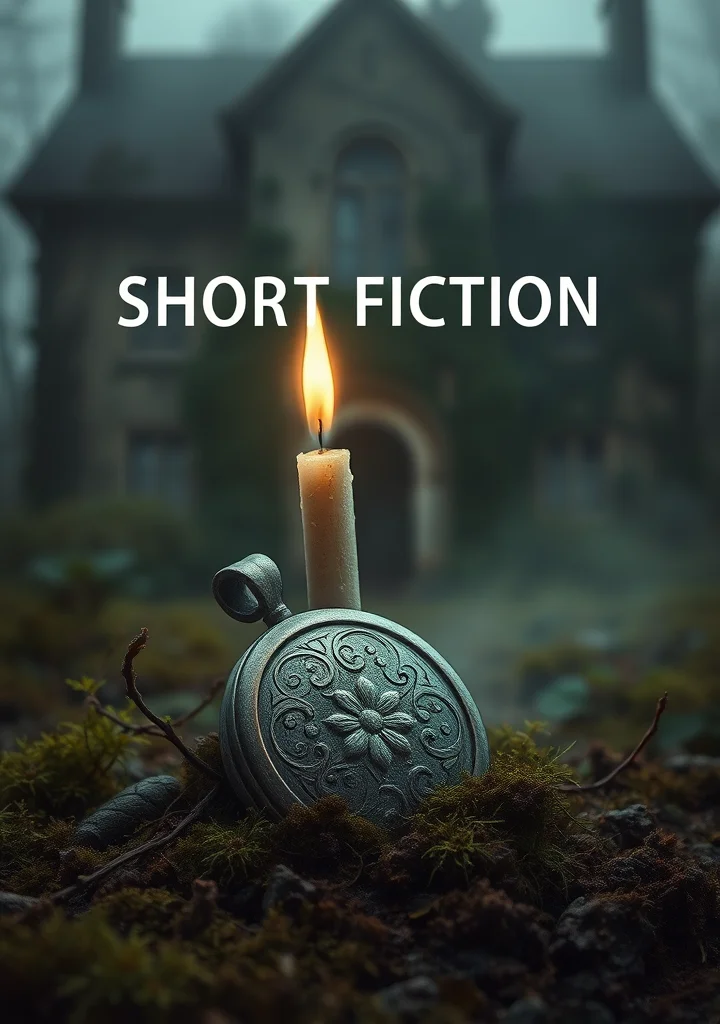
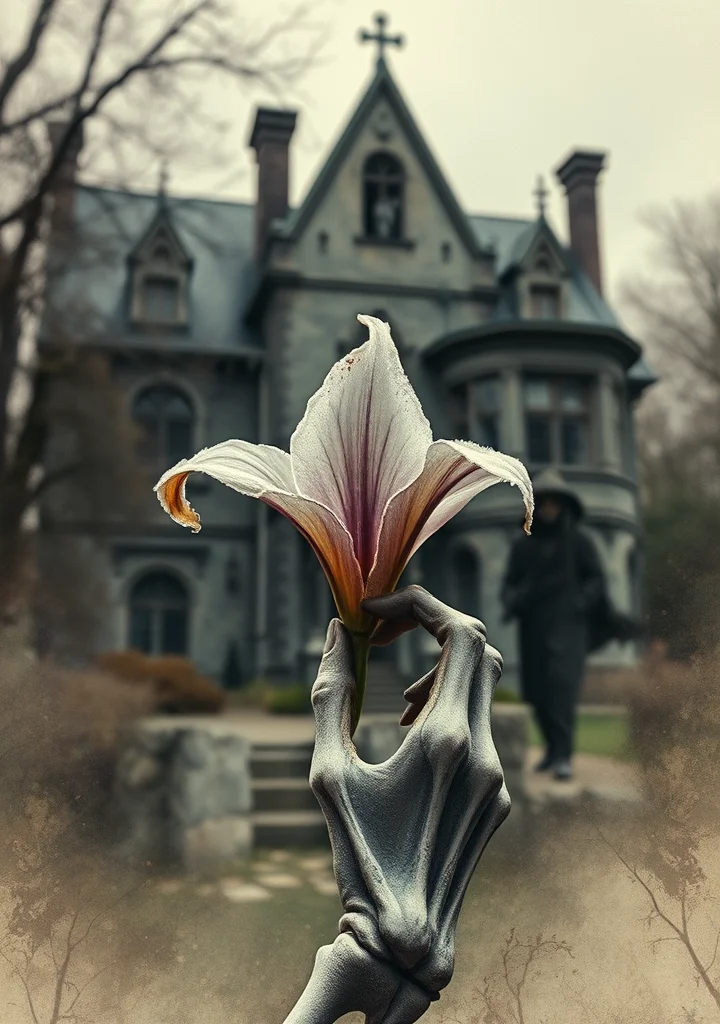
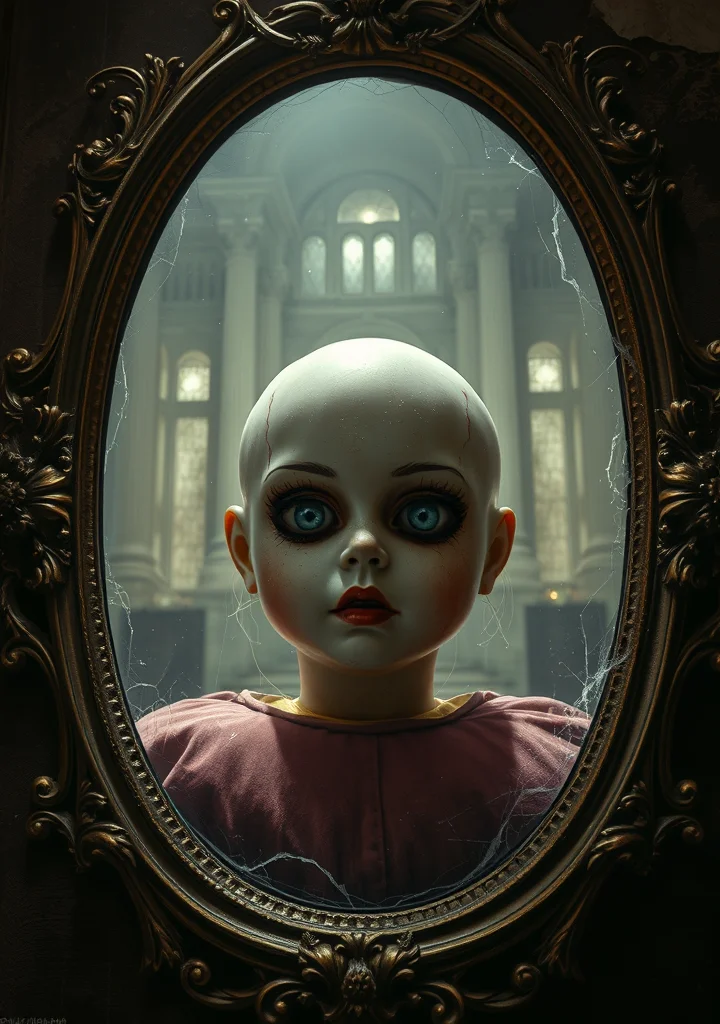
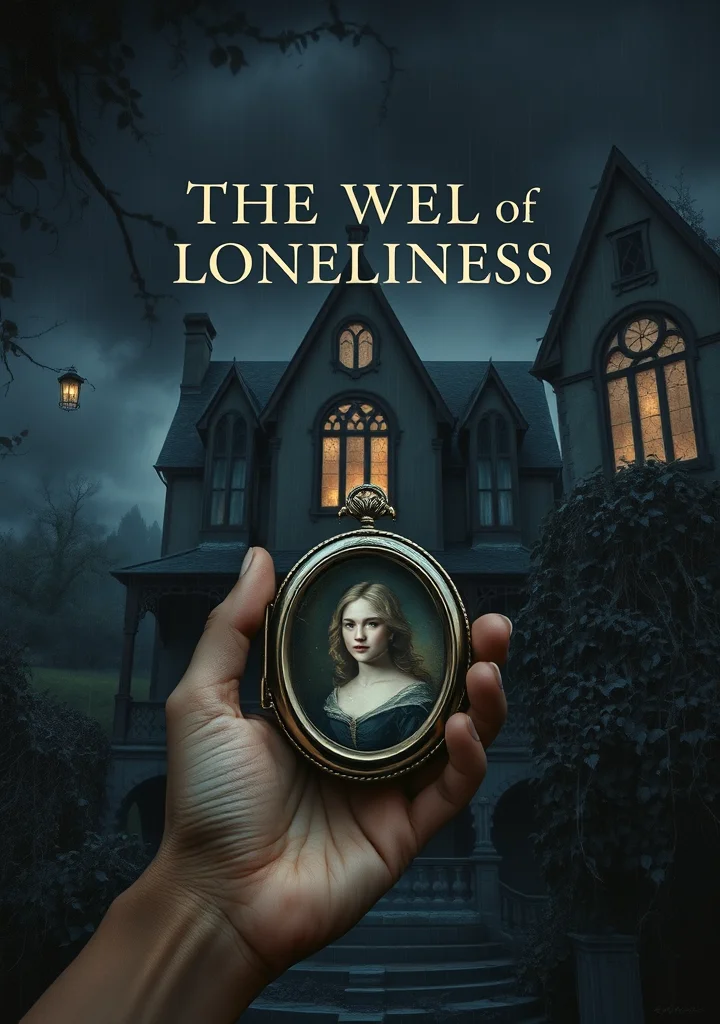
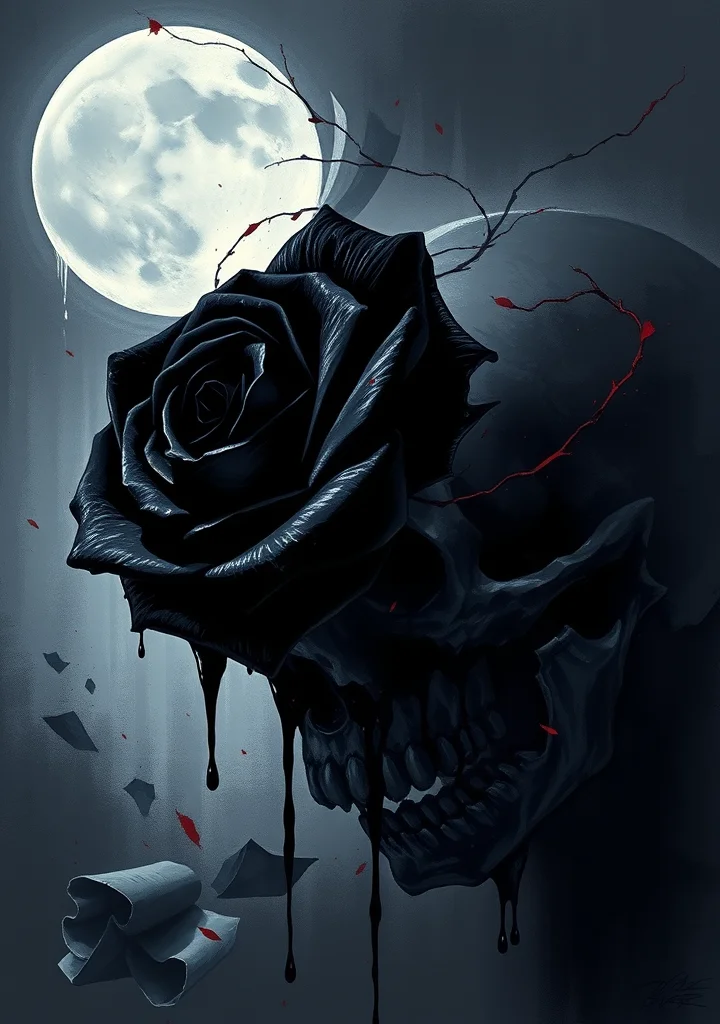
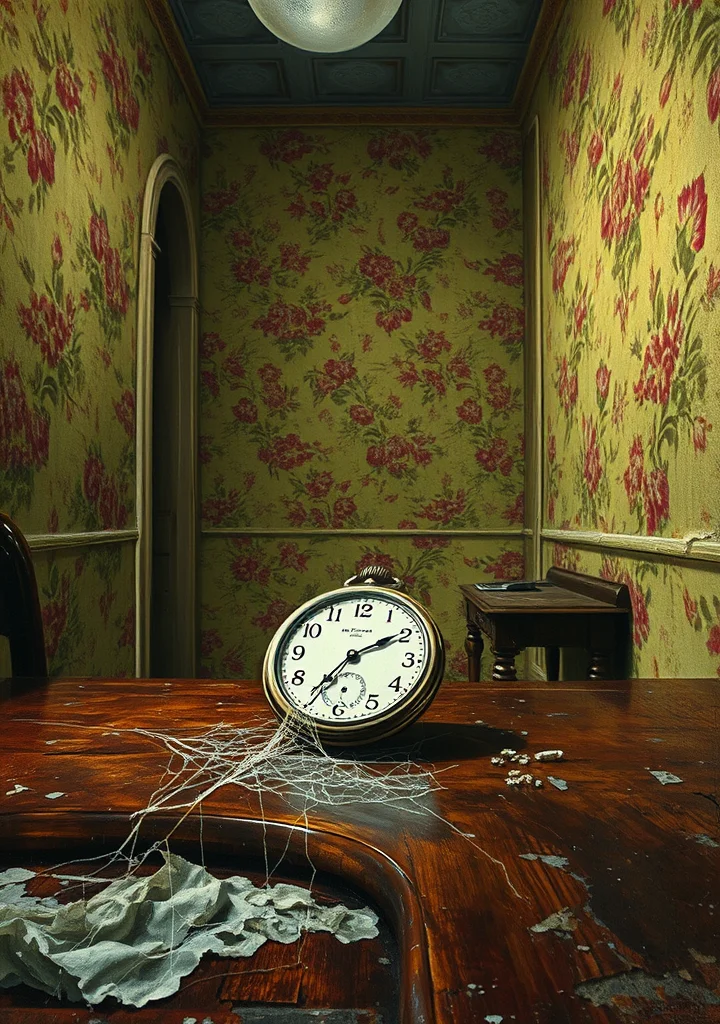
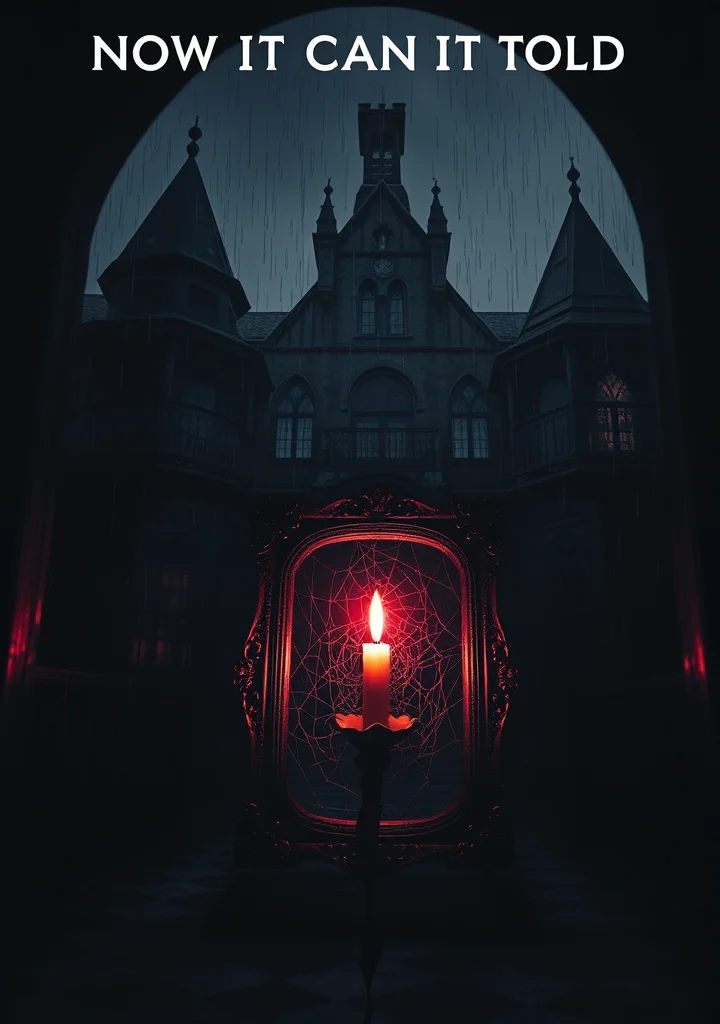
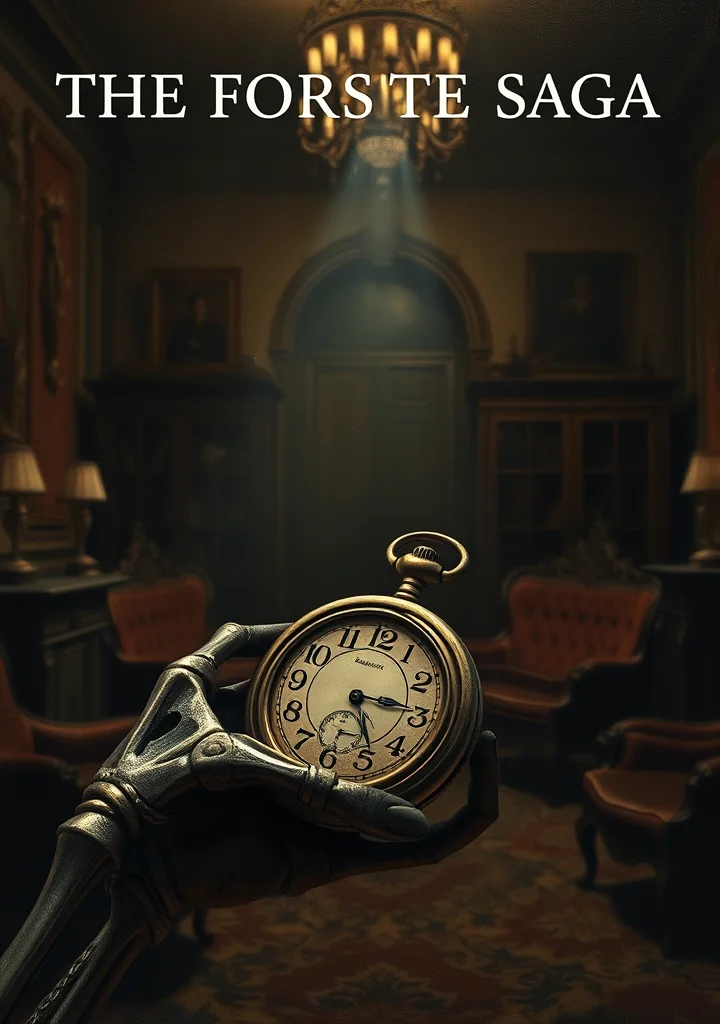
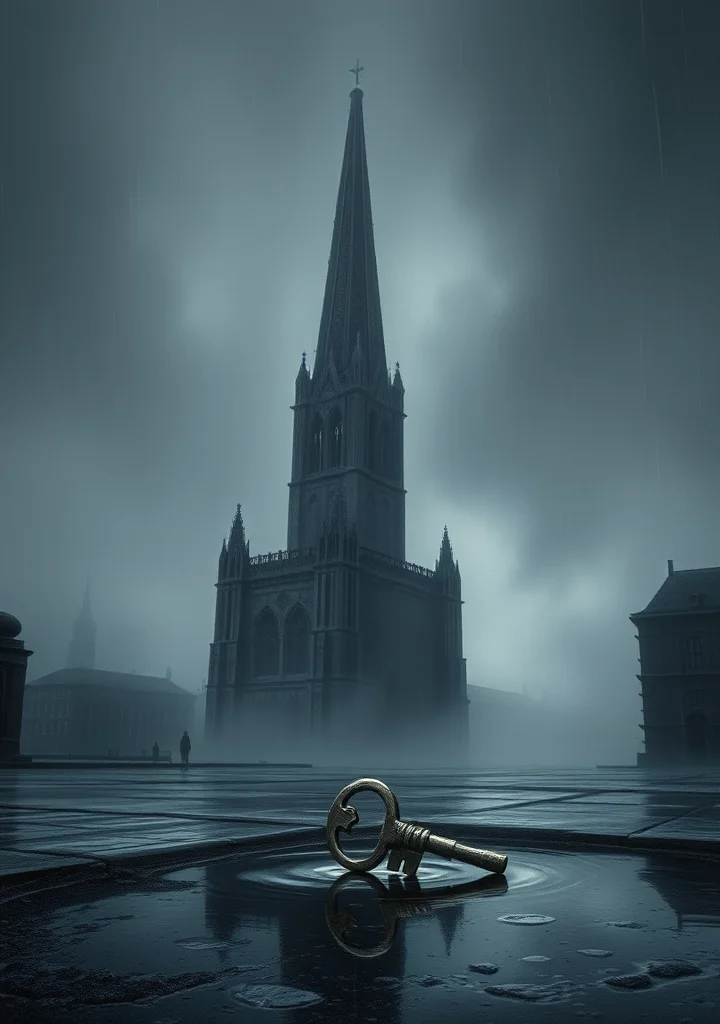
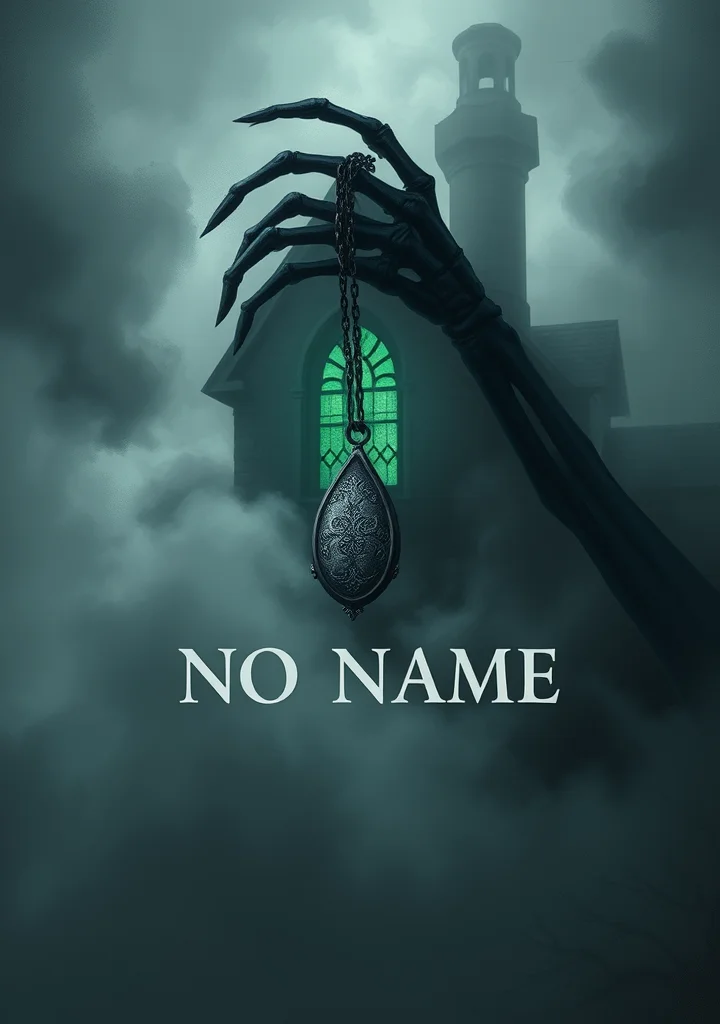
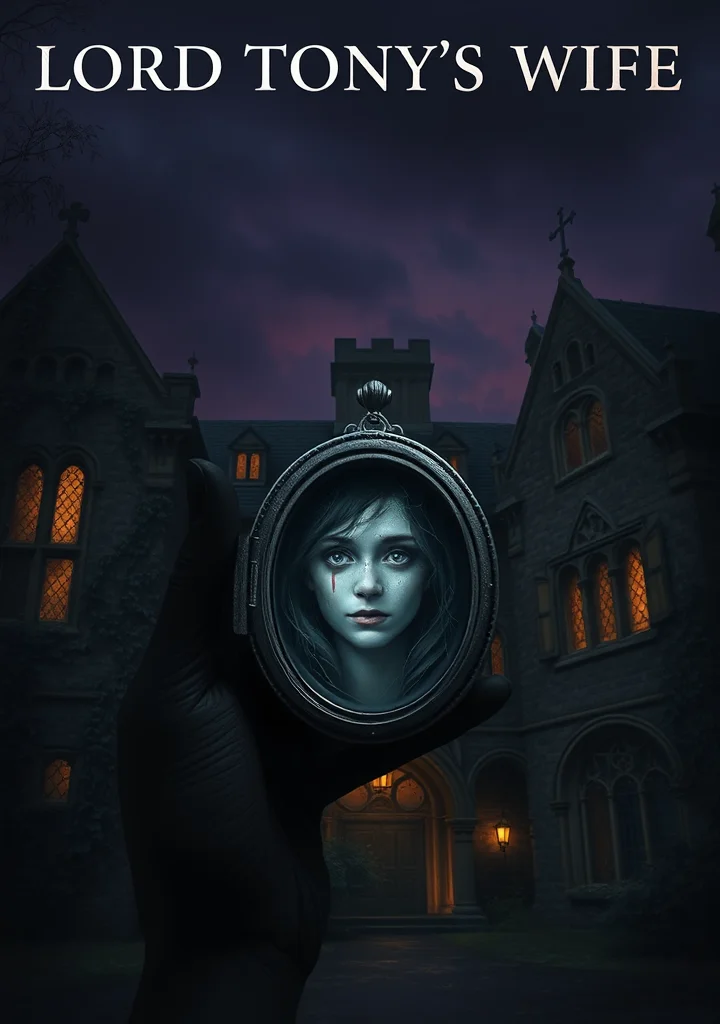
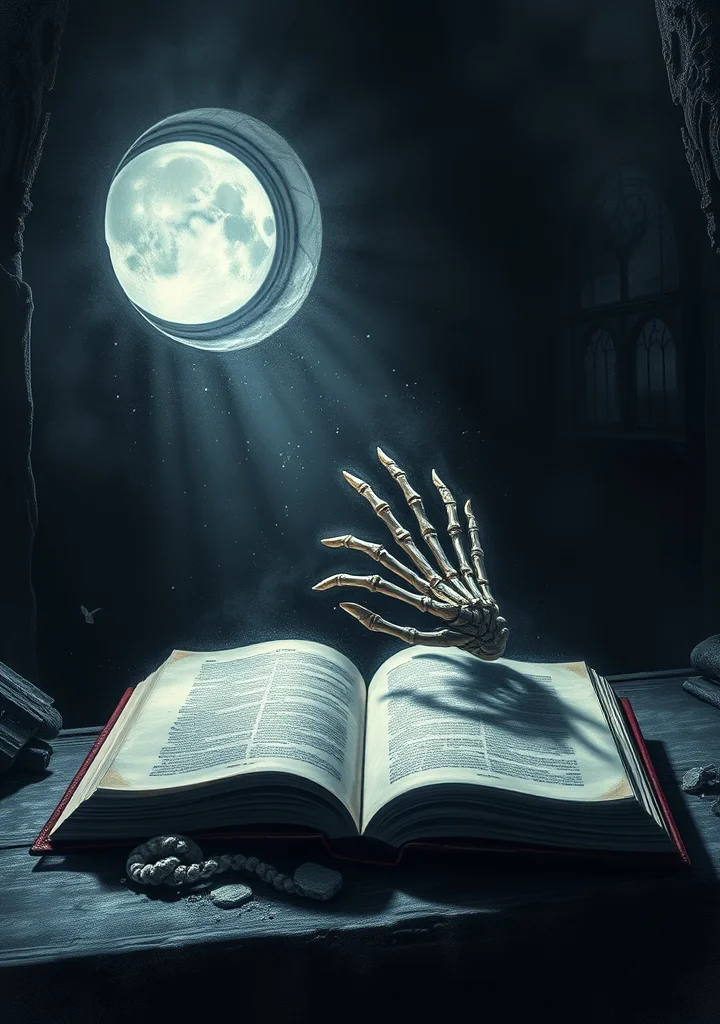
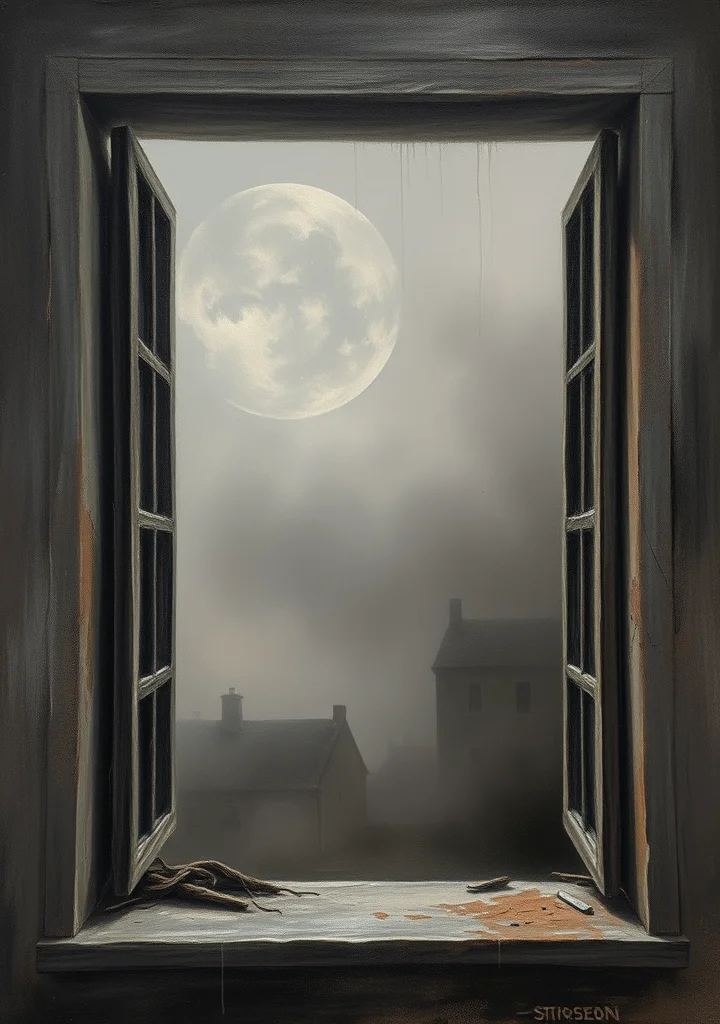
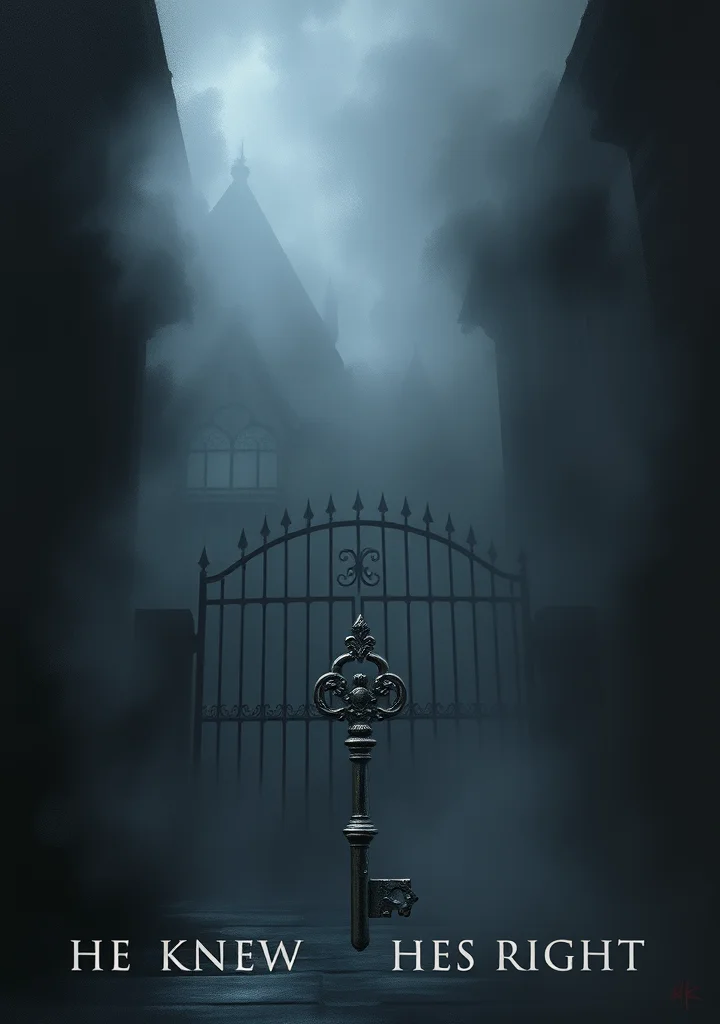
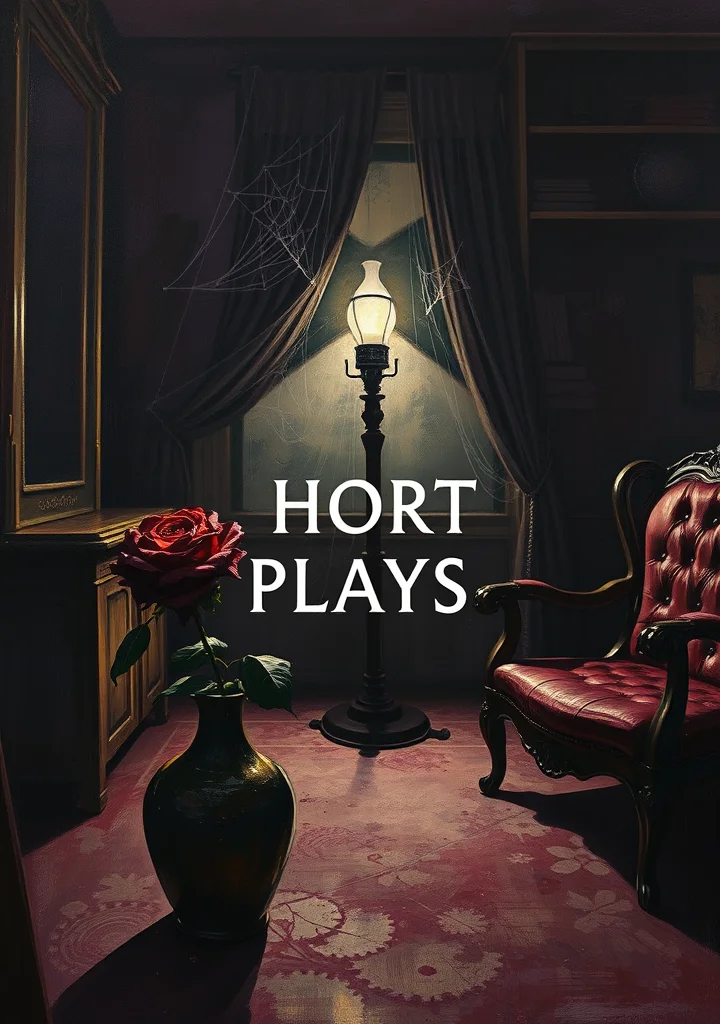
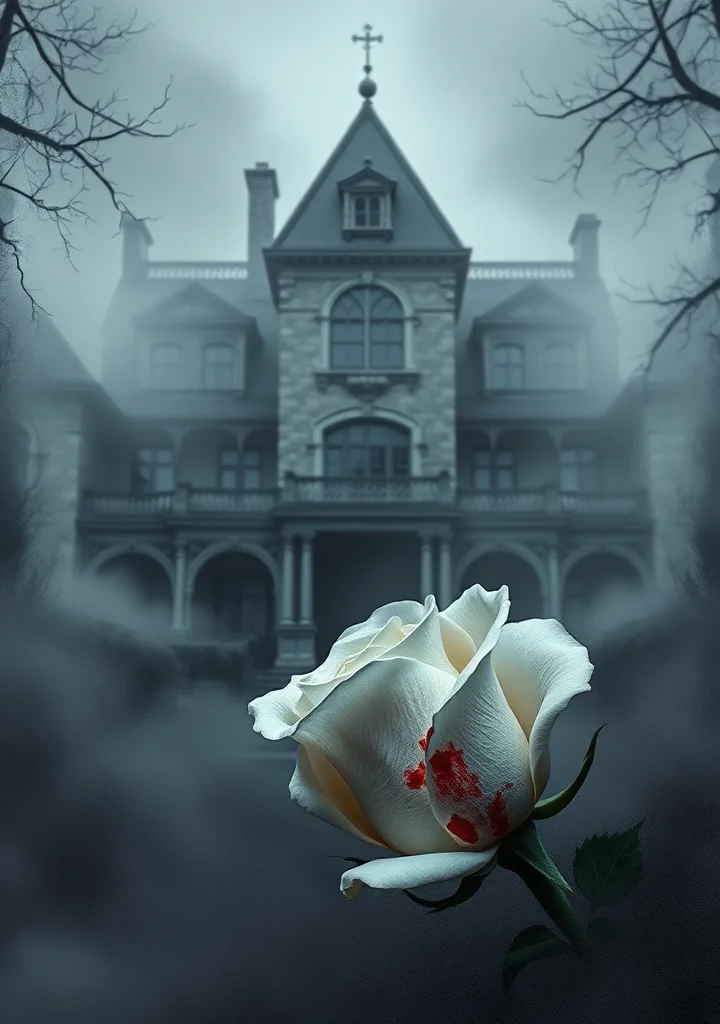
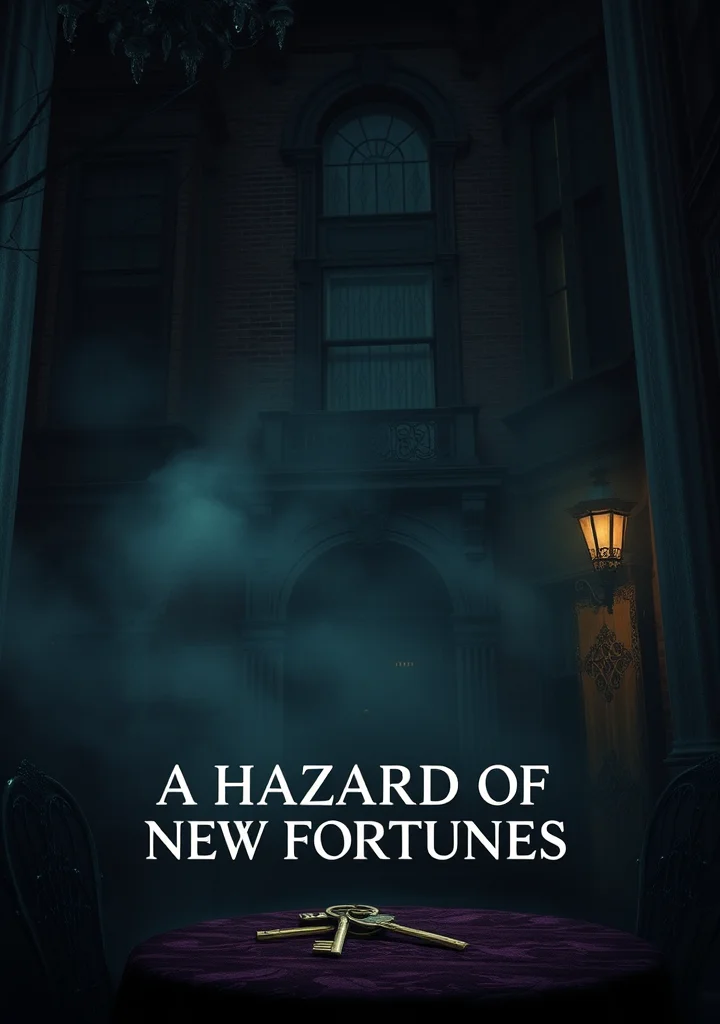
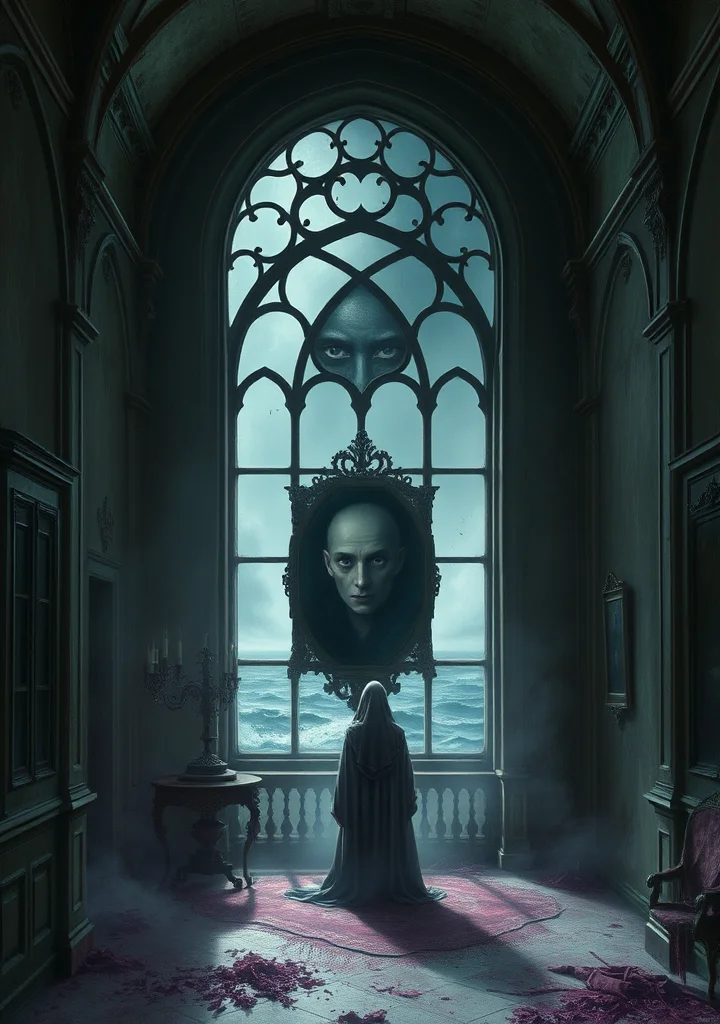
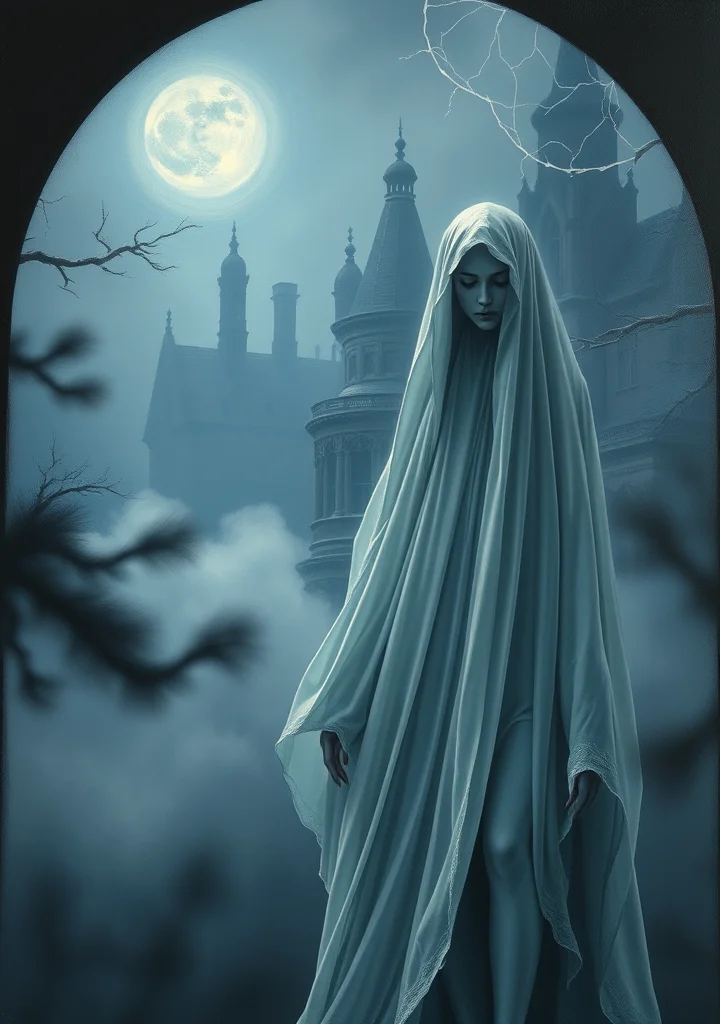
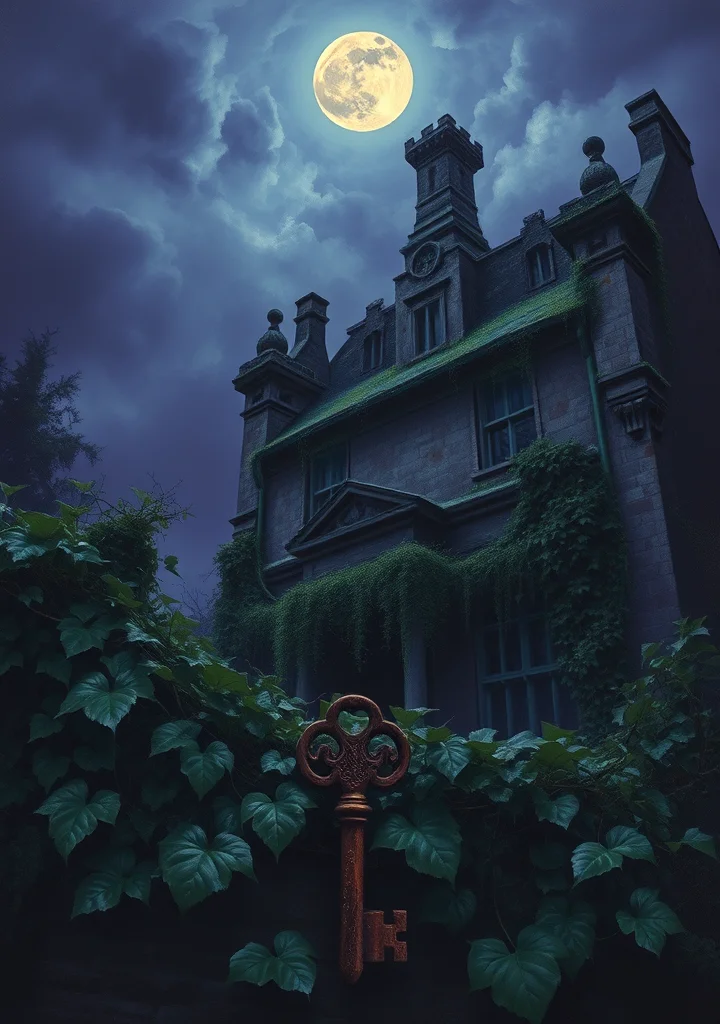
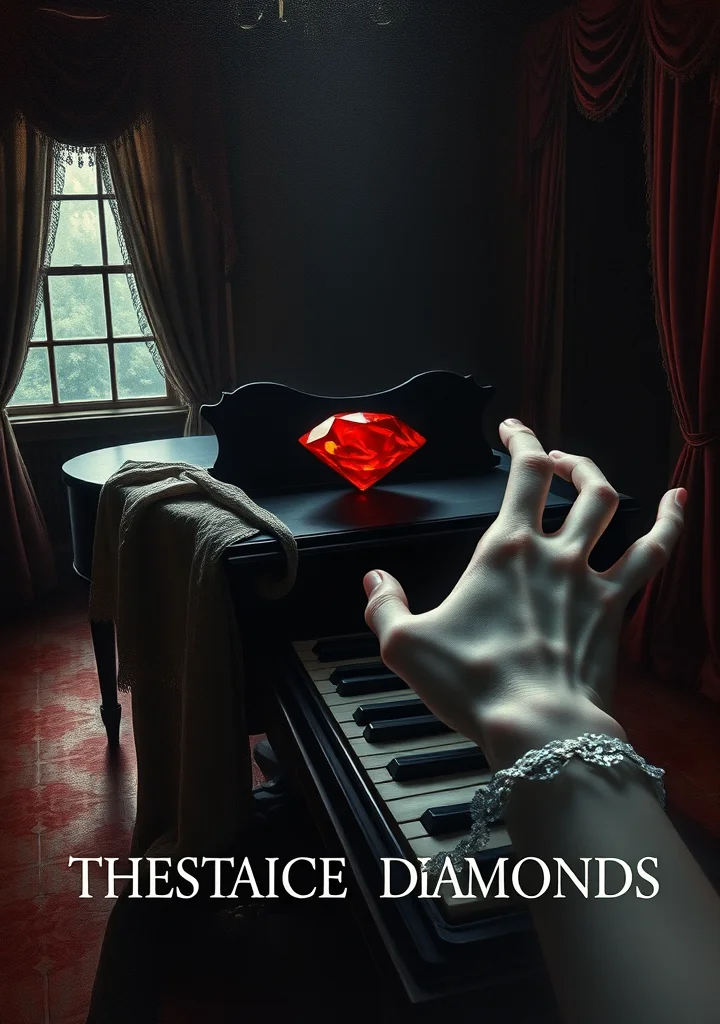
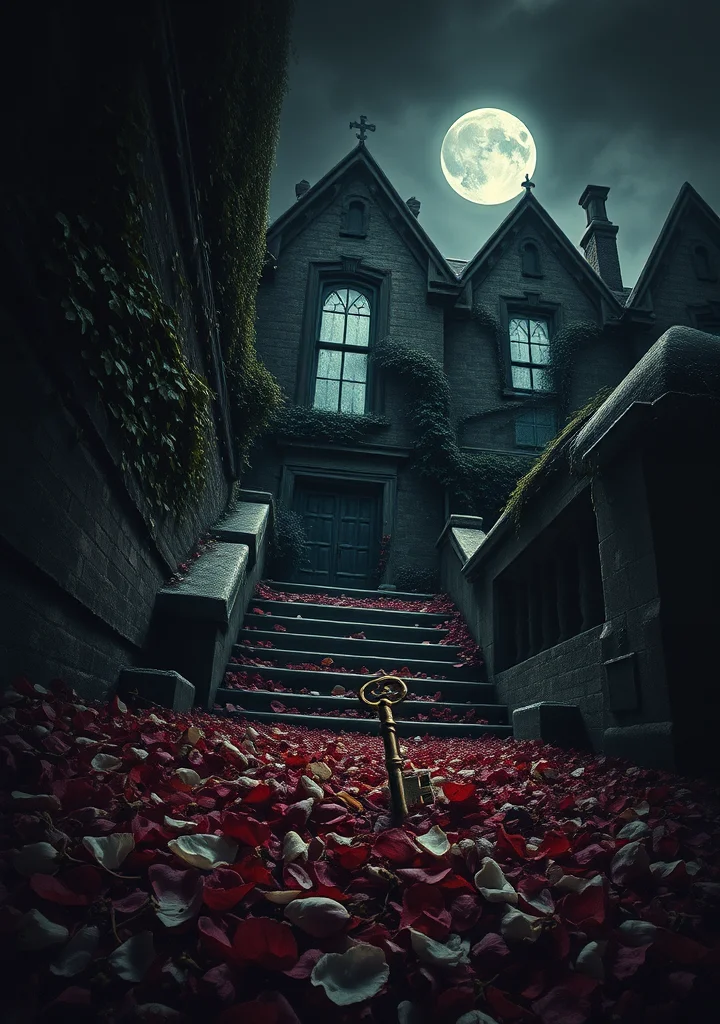
A creeping dread clings to the shadowed corners of Blackwood Manor, where Miss Mole, a woman steeped in quiet desperation, arrives as governess. The air is thick with unspoken histories, the very stones breathing with the weight of generations past. She finds herself not merely employed, but *absorbed* into the decaying grandeur, a fragile moth drawn to a flickering, dangerous flame. The manor’s isolation isn’t merely geographical; it’s a severance from the living world, a slow suffocation within velvet curtains and dust-motes dancing in perpetual twilight. Her charge, a pale child haunted by whispers, mirrors the manor’s own decaying beauty, and Miss Mole’s attempts to nurture life feel less like kindness and more like a futile struggle against the encroaching rot. The scent of jasmine and decay intertwine, mirroring the insidious blossoming of a love born from loneliness, a connection forged in the oppressive silence. But beneath the surface of polite society and veiled affections lurks a chilling awareness – a sense of being watched, not by prying eyes, but by the very fabric of the house itself. Every shadow holds a secret, every smile a carefully constructed facade, and Miss Mole discovers that Blackwood Manor doesn’t just *contain* secrets; it *feeds* on them, drawing its sustenance from the fractured souls within its walls. The narrative unravels like a moth-eaten tapestry, revealing a tapestry of obsession, loss, and a haunting question: will Miss Mole escape Blackwood’s embrace, or become another ghostly echo within its shadowed halls?
Copyright: Public Domain
This license allows anyone to use your story for any purpose, including printing, selling, or adapting it into a film freely.
This license allows anyone to use your story for any purpose, including printing, selling, or adapting it into a film freely.
Chapter List
-
« Miss Mole »📖 Continue Reading
-
« I »
-
« II »
-
« III »
-
« IV »
-
« V »
-
« VI »
-
« VII »
-
« VIII »
-
« IX »
-
« X »
-
« XI »
-
« XII »
-
« XIII »
-
« XIV »
-
« XV »
-
« XVI »
-
« XVII »
-
« XVIII »
-
« XIX »
-
« XX »
-
« XXI »
-
« XXII »
-
« XXIII »
-
« XXIV »
-
« XXV »
-
« XXVI »
-
« XXVII »
-
« XXVIII »
-
« XXIX »
-
« XXX »
-
« XXXI »
-
« XXXII »
-
« XXXIII »
-
« XXXIV »
-
« XXXV »
-
« XXXVI »
-
« XXXVII »
-
« XXXVIII »
-
« XXXIX »
-
« XL »
41
-
« Miss Mole »
-
« I »
-
« II »
-
« III »
-
« IV »
-
« V »
-
« VI »
-
« VII »
-
« VIII »
-
« IX »
-
« X »
-
« XI »
-
« XII »
-
« XIII »
-
« XIV »
-
« XV »
-
« XVI »
-
« XVII »
-
« XVIII »
-
« XIX »
-
« XX »
-
« XXI »
-
« XXII »
-
« XXIII »
-
« XXIV »
-
« XXV »
-
« XXVI »
-
« XXVII »
-
« XXVIII »
-
« XXIX »
-
« XXX »
-
« XXXI »
-
« XXXII »
-
« XXXIII »
-
« XXXIV »
-
« XXXV »
-
« XXXVI »
-
« XXXVII »
-
« XXXVIII »
-
« XXXIX »
-
« XL »
More like this