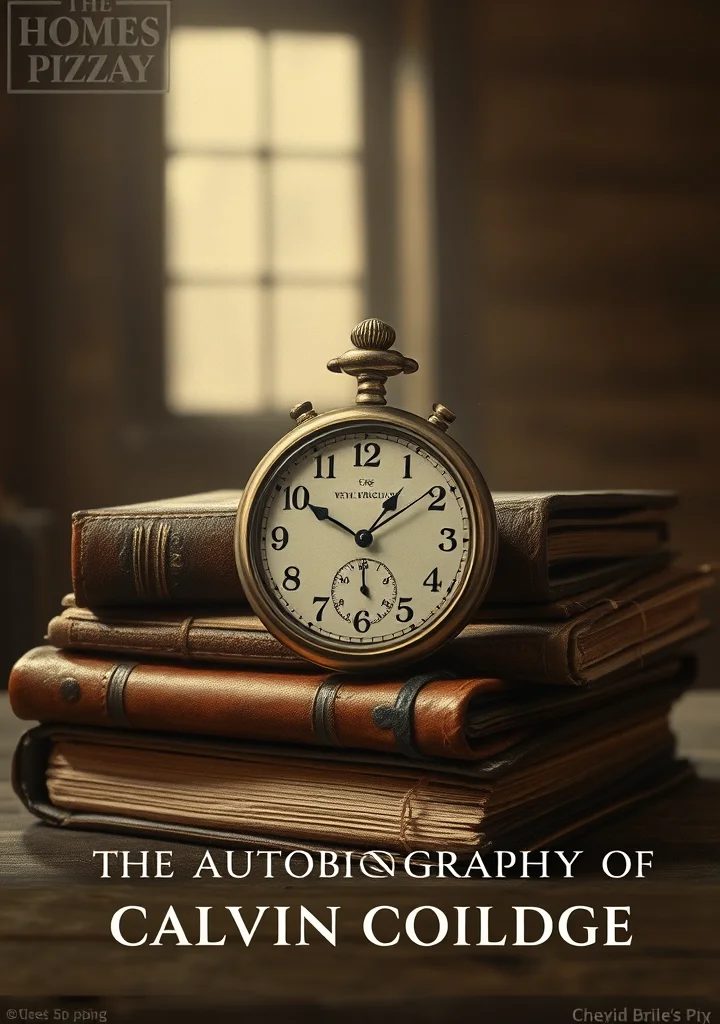

The Autobiography of Calvin Coolidge
  • 48
  • 0
  • 9
  • Reads 48
  • 0
  • Part 9
Completed, First published Mar 02, 2026

Dust motes dance in the perpetual twilight of a New England farmhouse, mirroring the stillness within the man himself. This is not a confession, but an excavation – a slow unveiling of granite composure chipped away by decades of silence. The narrative unfolds not with grand pronouncements, but with the weight of unsaid things, the chilling precision of a clock ticking in an empty room. Each measured phrase, each carefully constructed observation, feels less like recollection and more like the meticulous charting of a landscape devoid of warmth. The air hangs heavy with the scent of pine and regret, the chill seeping from the shadowed corners of memory. A life deliberately pruned, rendered to bone-white efficiency, yet haunted by the ghosts of ambition deferred. It is a landscape of restraint, where every averted glance speaks volumes, and the absence of feeling is the most terrifying revelation of all. The prose itself is a glacial drift, leaving a residue of loneliness and the echoing vastness of an interior life held in check. It is a study in the architecture of absence, a testament to the power of withholding, and the slow, deliberate carving of a man into a monument of quietude. One senses, beneath the surface, a creeping dread – not of failure, but of the very act of being known.

Copyright: Public Domain
This license allows anyone to use your story for any purpose, including printing, selling, or adapting it into a film freely.
Recommended for you
42 Part
A chilling wind sweeps across frozen plains, mirroring the fracturing of ideals within Emma Goldman’s heart. This is not a chronicle of revolution’s triumph, but a descent into the grey, suffocating disillusionment of a promised land turned prison. The narrative unfolds amidst snow-drifted streets and shadowed interiors, where the fervor of anarchist dreams curdles into the bitter taste of betrayal. Goldman’s prose bleeds with the icy resignation of witnessing a people’s hope strangled by bureaucracy and the suffocating weight of a new tyranny. The air hangs thick with the scent of coal smoke and unspoken despair, as Goldman navigates a landscape of whispered accusations and broken promises. Every encounter – a hushed conversation in a cramped apartment, a furtive exchange of pamphlets, a glimpse of hollow eyes in the breadline – is rendered in shades of muted grey, reflecting the erosion of conviction. It is a story of isolation, of the agonizing realization that even in the wake of upheaval, the chains of oppression merely shift their hold, tightening around the spirit. A haunting stillness pervades the pages, broken only by the distant howl of wolves and the echoing thud of boots on cobblestones, a constant reminder of the ever-present surveillance. The narrative doesn't offer explosions of rebellion, but the slow, agonizing freeze of a heart witnessing the birth of a new darkness, a darkness born not of malice, but of the crushing weight of unrealized expectation.
19 Part
A suffocating Madrid summer hangs heavy with dust and discontent. The novel breathes with the stifled ambitions of its characters, clinging to the shadowed alcoves of a city poised between old grandeur and creeping modernity. Galdós doesn’t offer spectacle, but a slow, insidious unraveling—a rot beneath the polished veneer of bourgeois life. The narrative coils around the fractured idealism of Don Ramón, a man adrift in the aftermath of political turmoil, haunted by the ghosts of republican fervor and the weight of unfulfilled potential. Every encounter is a stifled confession, every room a stage for quiet desperation. Sunlight bleeds through shuttered windows, illuminating not warmth, but the lingering residue of regret. The scent of decaying flowers, of stale ambition, permeates the air. It’s a novel of interiors—claustrophobic apartments, dimly lit cafes—where characters are trapped not by bars, but by the invisible architecture of social expectation. A creeping sense of dread settles over the reader as the narrative descends into the labyrinthine streets of Madrid, mirroring Don Ramón’s descent into self-doubt and disillusionment. The city itself is a character, its labyrinthine alleys echoing with the murmur of lost causes and the silent weight of unspoken desires. It’s a portrait of a man unraveling, mirroring a city slowly suffocating under its own ambitions. The atmosphere is one of oppressive heat, stifled voices, and the pervasive scent of decay—a Madrid steeped in melancholy, where even the brightest days are shadowed by the specter of failure.
35 Part
A creeping dread clings to the crumbling estates of the Rohmer estate, a legacy steeped in shadow and whispered blasphemies. The air hangs thick with the scent of decay and the cloying sweetness of night-blooming jasmine, mirroring the rot within the ancestral line. Here, amidst the suffocating grandeur of decaying manor houses and forgotten crypts, a lineage cursed by ancient pacts stirs. The narrative unfolds as a descent into a suffocating matriarchy—a dynasty of women who weave their power from the loam of the land, from the bones of their ancestors. Each generation births a witch-queen, her beauty a gilded cage concealing an iron will and a hunger that transcends mortality. A chilling wind howls through the skeletal branches of ancient oaks, carrying the screams of those who dared to cross the threshold of the Black Abbey—the heart of the Queen’s dominion. The shadows lengthen, twisting into monstrous shapes that writhe with the secrets of the family’s pact with the darkness. This is not a tale of mere witchcraft, but a chronicle of possession, of bodies and wills surrendered to a hunger that predates the stones themselves. It’s a suffocating atmosphere of inherited madness and the insidious corruption of bloodlines, where every kiss is a binding, every birth a sacrifice to the Queen's insatiable hunger. The very earth breathes with her malice, and the ancient stones weep with the sorrow of those consumed by her shadow. The narrative is a spiral into a darkness where the veil between worlds thins, and the boundaries between sanity and oblivion dissolve into a suffocating, sweet-rotted haze.