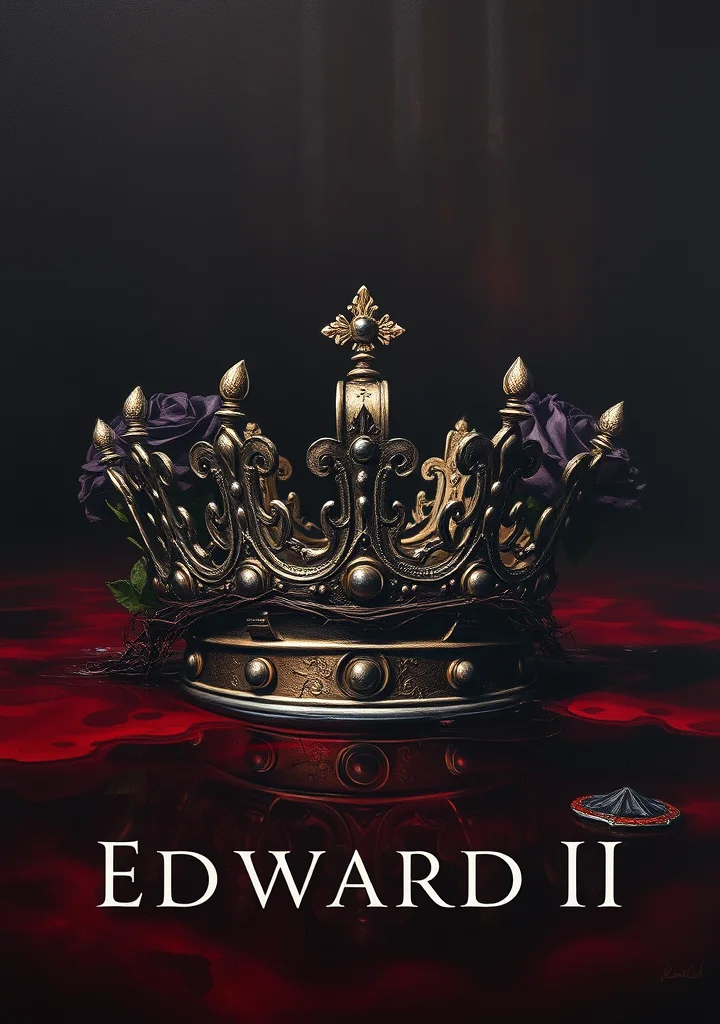

Edward II
  • 276
  • 0
  • 31
  • Reads 276
  • 0
  • Part 31
Completed, First published Mar 02, 2026

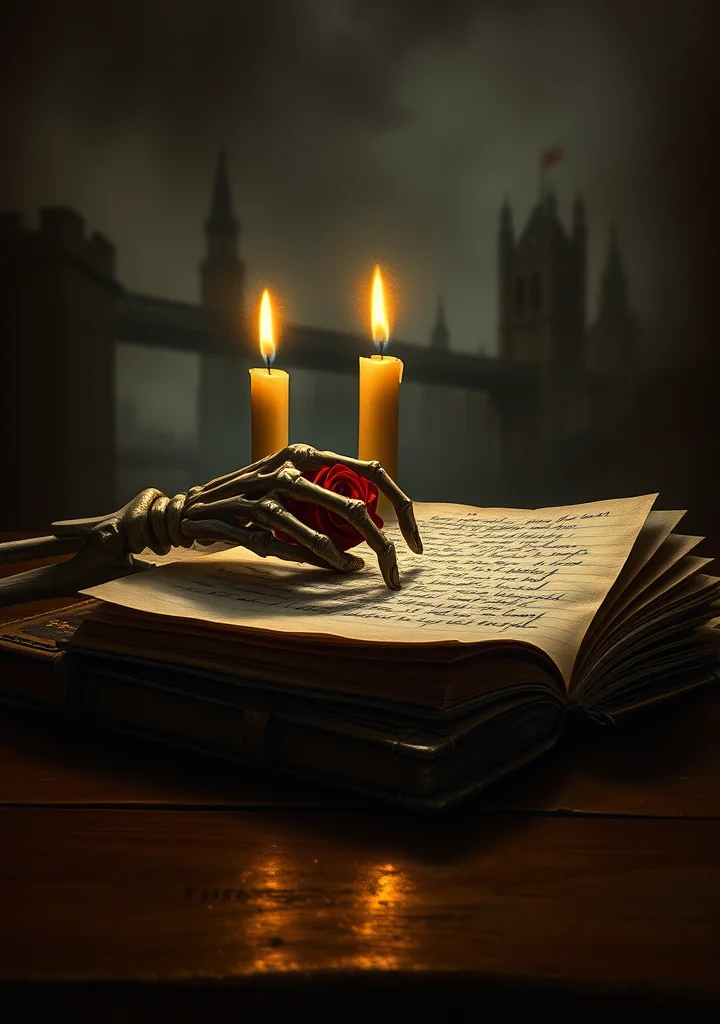
A creeping dread clings to the stone of Elsinore, though here it is not Denmark but England that bleeds. Marlowe doesn’t gift us with ghosts, but with rot—a slow, suffocating decay of kingship and desire. The air hangs thick with the scent of damp earth and unshed tears, mirroring the clandestine meetings in shadowed gardens and the whispers that unravel a throne. This is a tragedy of fractured loyalties, where power is bartered with kisses and ambition drowns in wine-dark nights. The narrative coils like a serpent, striking not with grand battles but with the venom of betrayal within gilded chambers. Every stolen glance, every whispered oath, is rendered in shades of grey—the grey of impending storms, of worn tapestries concealing daggers, of the pallor of a lover’s face as they watch their king descend into ruin. The weight of crowns, the sting of broken oaths, and the chilling beauty of a doomed passion—these are the stones upon which Marlowe builds a suffocating sense of inevitability. It isn’t merely a fall from grace, but a descent into a suffocating darkness where the lines between loyalty and lust, vengeance and despair, become fatally blurred, leaving only the echo of a broken kingdom and the scent of blood on the cold stone floors.
Copyright: Public Domain
This license allows anyone to use your story for any purpose, including printing, selling, or adapting it into a film freely.
Recommended for you
23 Part
Beneath a bruised, equatorial sky, where the jungle breathes with suffocating humidity, this is not the Tarzan of legend, but a descent into a fever-dream of forgotten civilizations. The familiar echoes of his apanage are warped by the discovery of a subterranean world—a hive of chitinous bodies and clicking mandibles, a kingdom carved from the earth’s decaying heart. Here, amidst phosphorescent fungi and the drip of unseen waters, the line between man and insect blurs, and the savage grace of Tarzan is tested against a horror older than the jungle itself. The air hangs thick with the scent of decay and something acridly sweet, a perfume of living rot. Ancient, cyclopean structures rise from the darkness, their surfaces crawling with a silent, insidious life. This is a realm of perpetual twilight, where shadows twist into monstrous shapes and the whispers of the ant-men carry on currents of suffocating dread. Tarzan’s strength is not enough to conquer, only to survive, as he unravels a lineage of monstrous royalty and discovers that the apes of his youth were but a pale imitation of the true masters of this green hell. A creeping paranoia blooms within him, fueled by the knowledge that every grain of sand, every drop of water, holds the potential for a million biting, stinging deaths. It is a descent into a darkness where the very soil seems to conspire against him, and where the screams of the jungle are drowned out by the relentless, chitinous chorus of the underworld.
64 Part
A creeping dread clings to the shadowed avenues of New York, mirroring the suffocating ambition of Silas Thorne. Dreiser paints a city not of gilded promise, but of iron bone and suffocating brick, where Thorne’s ascent – fueled by ruthless calculation and the hollow echo of inherited wealth – casts a lengthening pall over all who dare to witness it. The narrative unfolds not as a story of triumph, but as a slow, agonizing compression of the human spirit, each step on Thorne’s staircase to power marked by the crumbling residue of lives discarded as if they were merely stones in his foundation. Fog-choked streets become a labyrinth of moral decay, mirroring the labyrinth within Thorne himself. His mansion, a monolith of granite and shadowed glass, isn’t a home, but a mausoleum for the living, each room echoing with the phantom weight of compromised ideals. The air thickens with the scent of decaying ambition, of secrets corroded by greed. The narrative doesn’t revel in grand spectacle, but in the subtle rot of complicity. It's a story whispered in darkened hallways, a chill felt in the periphery of Thorne's gaze. A sense of inevitability, of a crushing, mechanical doom, pervades the pages. The titan doesn’t conquer; he consumes, leaving behind a barren landscape of broken promises and the dust of extinguished souls. The city itself seems to hold its breath, waiting for the inevitable collapse of this monstrous edifice of a man. It's a darkness not of overt horror, but of a slow, inexorable suffocation.

21 Part
A creeping dread clings to the salt-laced shores of Varick Isle, where the crumbling manor of its namesake stands sentinel against a perpetual grey sky. The story unfolds not as a linear descent, but as a slow unraveling—a tapestry of whispered confessions unearthed in brine-soaked journals and the fevered ramblings of those who dared to seek Varick’s secrets. Saltus paints a world steeped in maritime rot and the suffocating weight of ancestral guilt. Each chapter feels like a chipped fragment of a drowned memory, revealing glimpses of a man consumed by his own meticulous, morbid obsession with charting the currents of madness. The narrative breathes with the damp chill of forgotten crypts, where shadows twist into the shapes of Varick’s monstrous creations—not of flesh and bone, but of painstakingly transcribed nightmares. A suffocating claustrophobia permeates the text, mirroring the labyrinthine passages of the manor itself. The air is thick with the scent of decaying parchment and the metallic tang of blood, both real and imagined. The truth, as it surfaces, is less a revelation than a contagion—a spreading stain of corruption that seeps into the reader's mind, blurring the line between the rational and the grotesque. It is a story of inheritance not of wealth, but of decay, a descent into a watery grave where the boundaries of sanity dissolve into the churning depths. One finds oneself not merely reading of Varick’s madness, but *experiencing* it, drawn into its suffocating vortex, haunted by the echoes of its mournful cries carried on the wind.