
Theodore Savage
  • 175
  • 0
  • 24
  • Reads 175
  • 0
  • Part 24
Completed, First published Mar 02, 2026

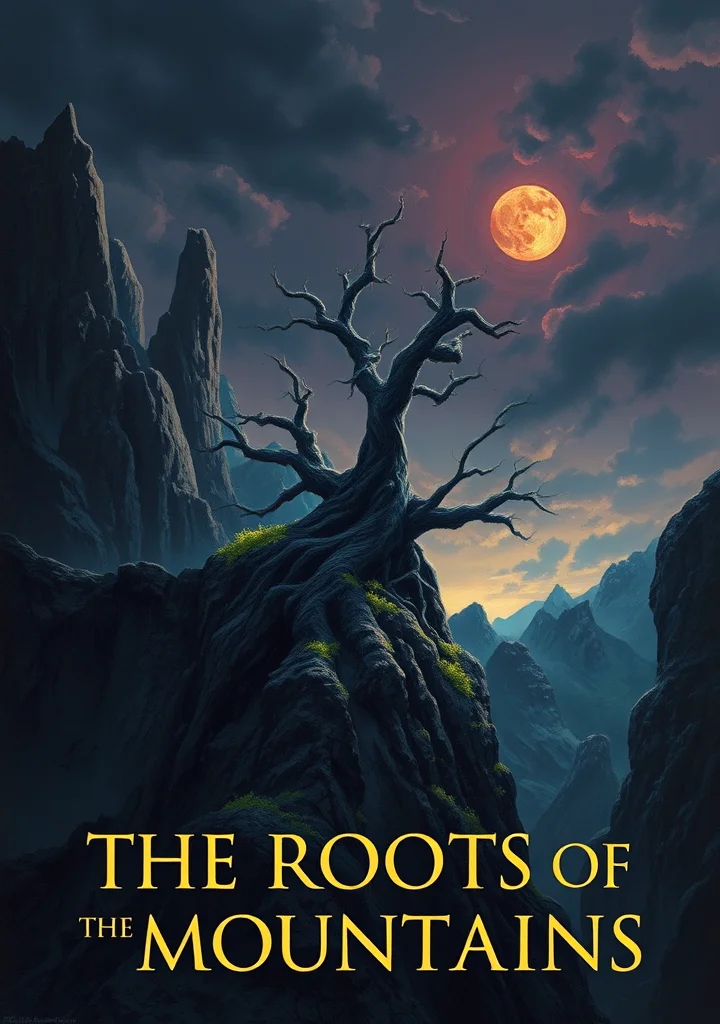
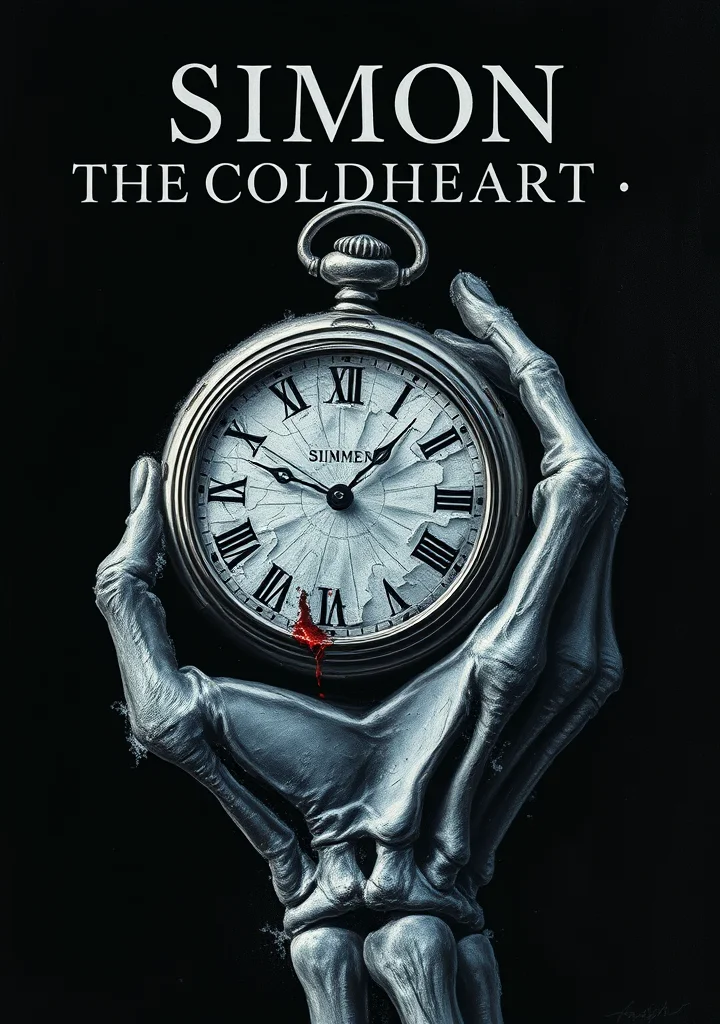
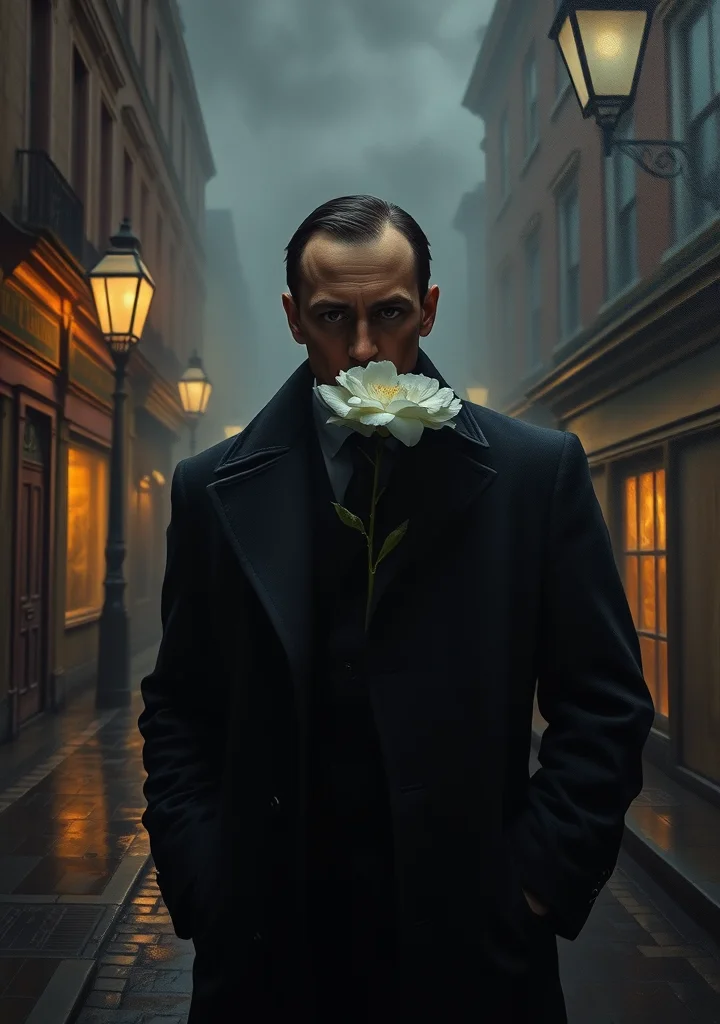
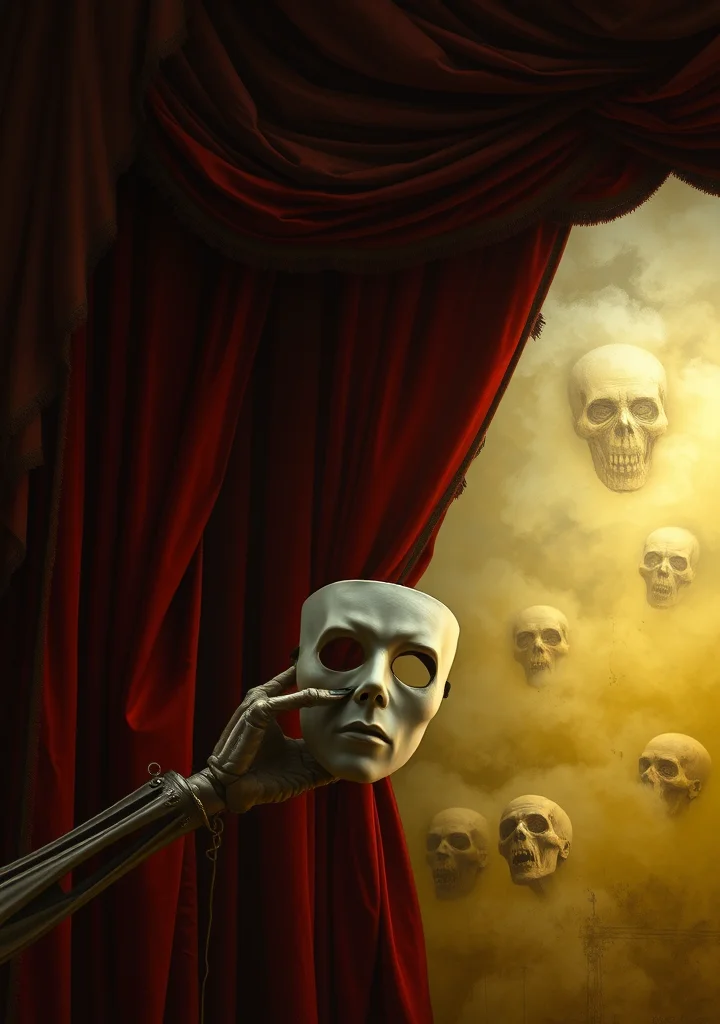
A creeping dread clings to the shadowed corners of this narrative, a suffocating London fog made ink and bone. Theodore Savage is not a man of his time, but a phantom stitched from grief and obsession, haunting the brittle elegance of Edwardian society. He stalks the periphery of a life unraveling—his wife’s chilling detachment, the whispers of a past trauma echoing in the gaslit streets, the insidious bloom of a perverse devotion. Hamilton doesn’t offer grand horrors, but a slow, agonizing rot—a decay of the spirit mirrored in the decaying grandeur of a house consumed by its own secrets. The narrative breathes with the stifled anxieties of its era, a claustrophobic study of a man consumed by a morbid fascination, blurring the lines between protector and predator, sanity and obsession. Every encounter feels laced with a subtle poison, each shadowed room a tomb holding a fragment of a broken soul. The oppressive weight of unspoken desires and the stifling rituals of a fractured marriage create an atmosphere thick with impending doom, a sense of being watched by something unseen—something within Savage himself. It is a haunting where the true terror lies not in what is revealed, but in what remains stubbornly, chillingly, concealed.

Copyright: Public Domain
This license allows anyone to use your story for any purpose, including printing, selling, or adapting it into a film freely.
Recommended for you
15 Part
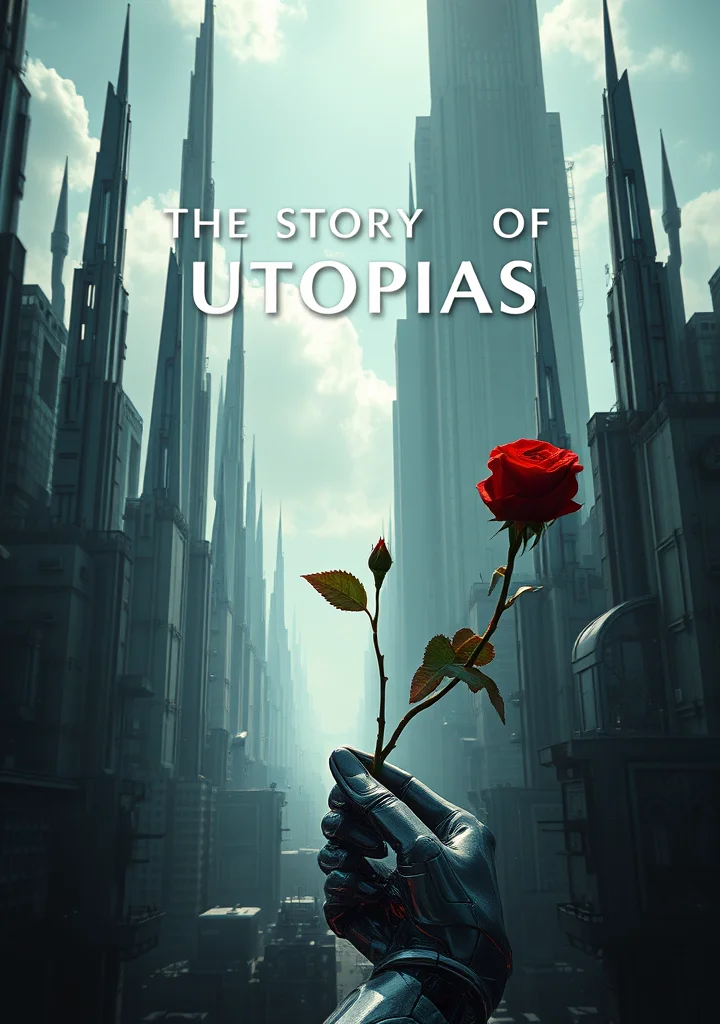
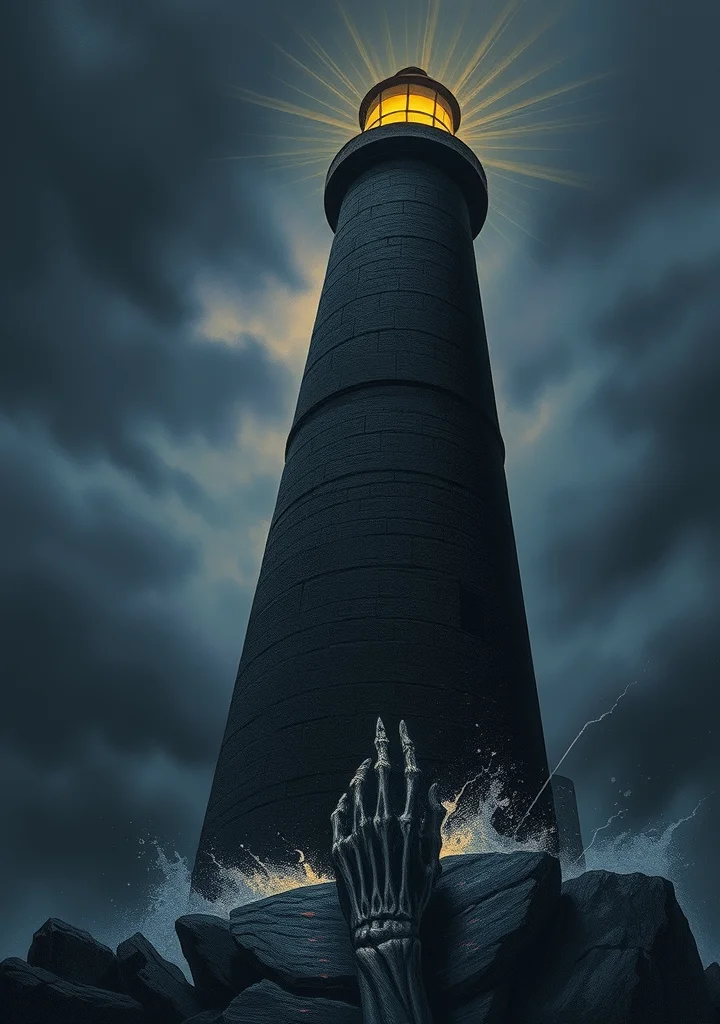
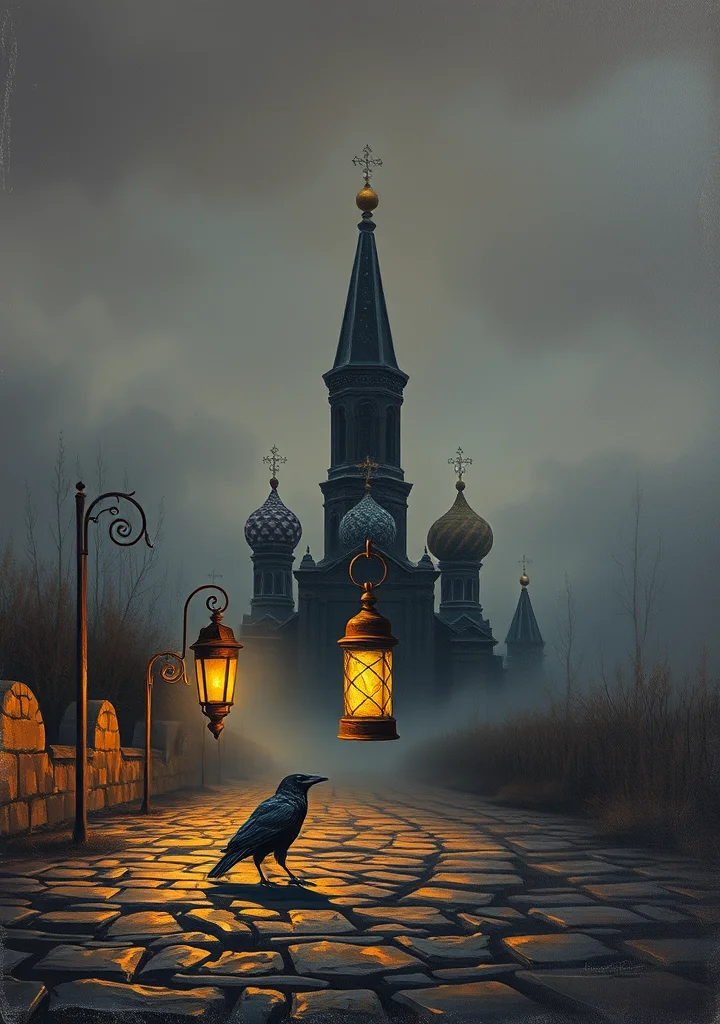
The last cities cling to the underside of a perpetual twilight, choked by dust and the ghosts of ambition. Generations have forgotten the sun, trading it for the cold, efficient glow of orbital mirrors – mirrors that now flicker and fail. Elias Thorne, a salvage man haunting the skeletal remains of skyscrapers, doesn’t look up anymore. He knows the sky isn’t empty, not after the Collapse. It’s filled with things better left unseen, whispers of what was, and the hollow ache of what’s lost. But a signal, a desperate plea coded in obsolete frequencies, cracks across his receiver. A ship, adrift for decades, claims to have found *something* beyond the Rim. Something the architects of the Sky-Cities buried with their dying light. Thorne, driven by a debt he can't outrun and a curiosity he can't suppress, takes the offer. Each mile upward is a descent into a deeper, more suffocating decay. The ship, the *Argos*, is a mausoleum of forgotten promises, haunted by the lingering echoes of its crew. The further they climb, the more the sky seems to press down, a suffocating weight of metal and shadow. The signal isn't just a beacon; it's a lure, drawing them toward a truth that will unravel not just the city’s foundations, but the very fabric of Thorne's memory. It's a place where the stars are cold, the silence screams, and the last vestiges of humanity are consumed by a hunger older than the dust itself. The sky doesn't give up its secrets easily. It demands a reckoning.
26 Part
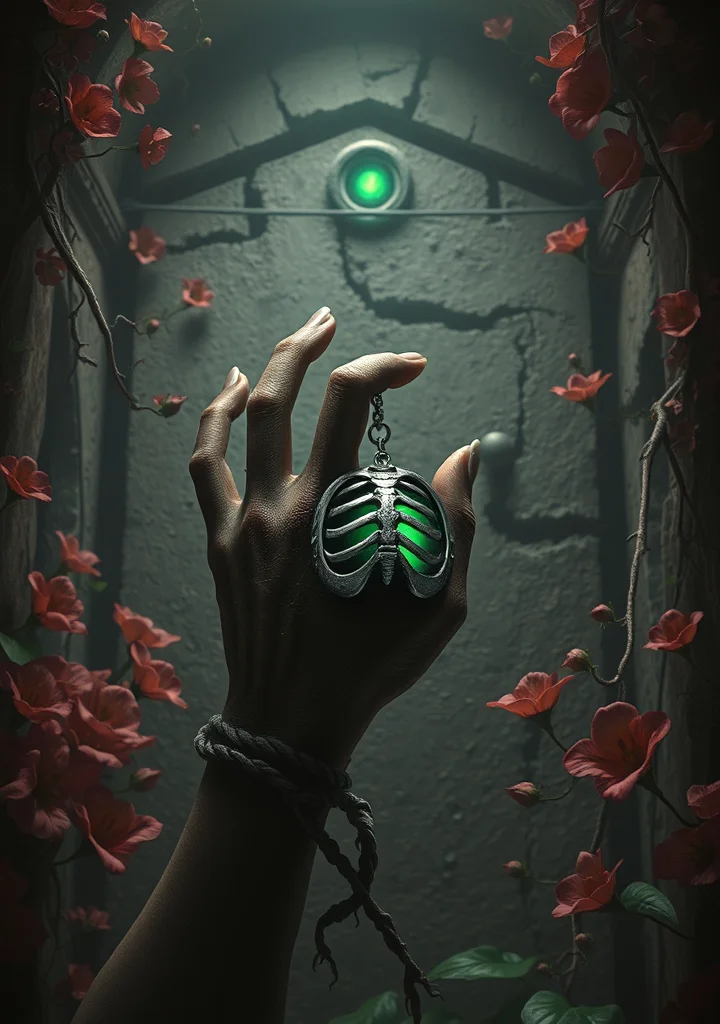
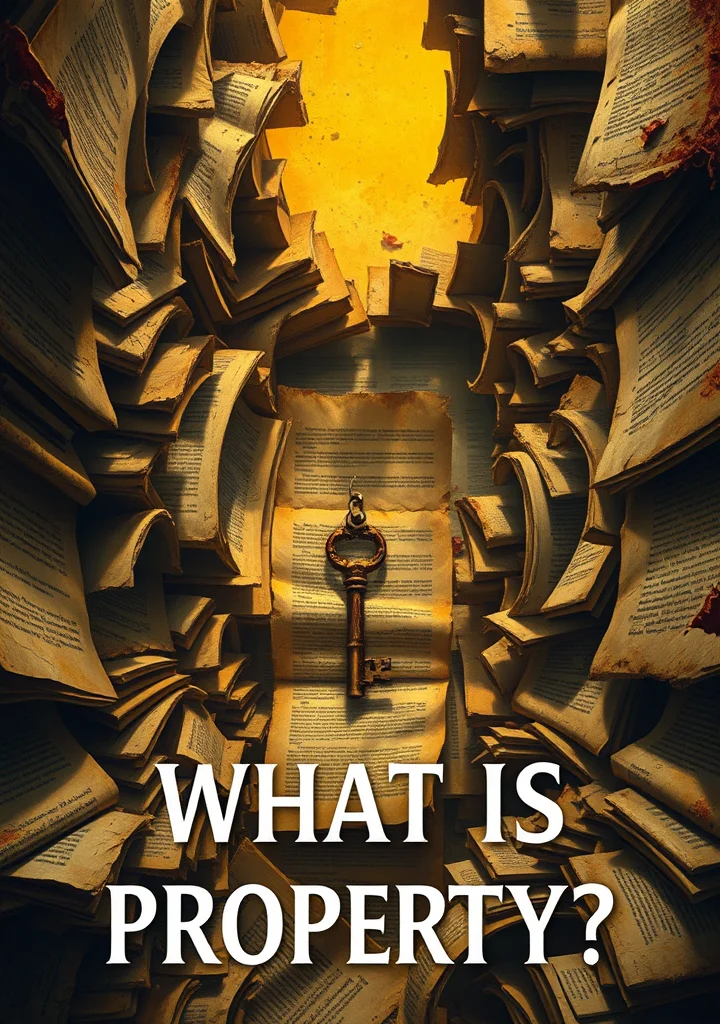
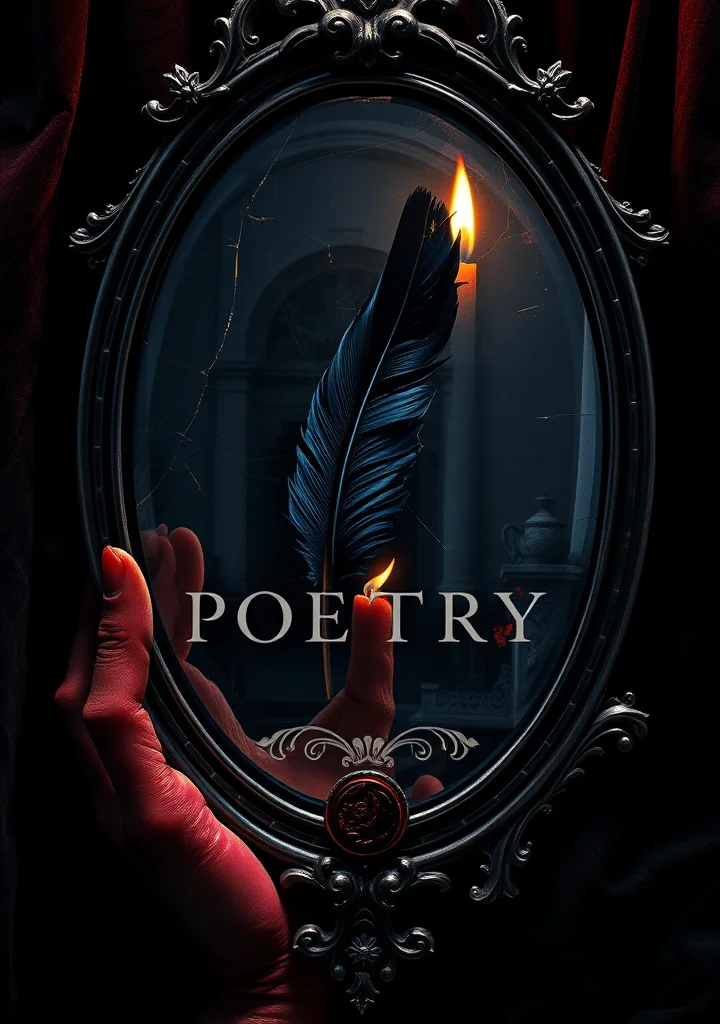
Dust motes dance in the perpetual twilight of Blackwood Penitentiary, where Elias Thorne, a cartographer of forgotten grief, meticulously charts the unraveling minds of the condemned. He doesn’t map territories of land, but the labyrinthine landscapes of despair etched onto the letters of the dead – missives intercepted from beyond the veil, penned by those who’ve tasted oblivion. Each spectral script is a fragment of a final reckoning, a whispered confession bleeding through the paper like ichor. The prison itself breathes with a cold, damp sorrow, the stones weeping with the memories of generations swallowed by its maw. Thorne believes the letters aren’t simply *about* death, but *from* it – echoes of fractured souls attempting to rebuild themselves from the wreckage of their final moments. But as he deciphers their chilling prose, a pattern emerges: a recurring symbol, a name whispered in every fractured script, and a creeping realization that Blackwood isn’t merely holding the dead, but *creating* them. The air thickens with the scent of decay and regret. Shadows cling to the corners of Thorne’s workshop, mirroring the shapes of his own unraveling sanity. He’s not just reading the dead’s last words; he’s becoming possessed by their final, suffocating breaths. The prison isn’t just a place of confinement; it's a crucible where the boundaries between the living and the dead dissolve, and the letters become keys to a descent into a darkness that consumes all who dare to decipher its secrets. The silence isn’t empty, but pregnant with the screams of those lost within the stone, waiting to be reborn from the ink of forgotten letters.
24 Part
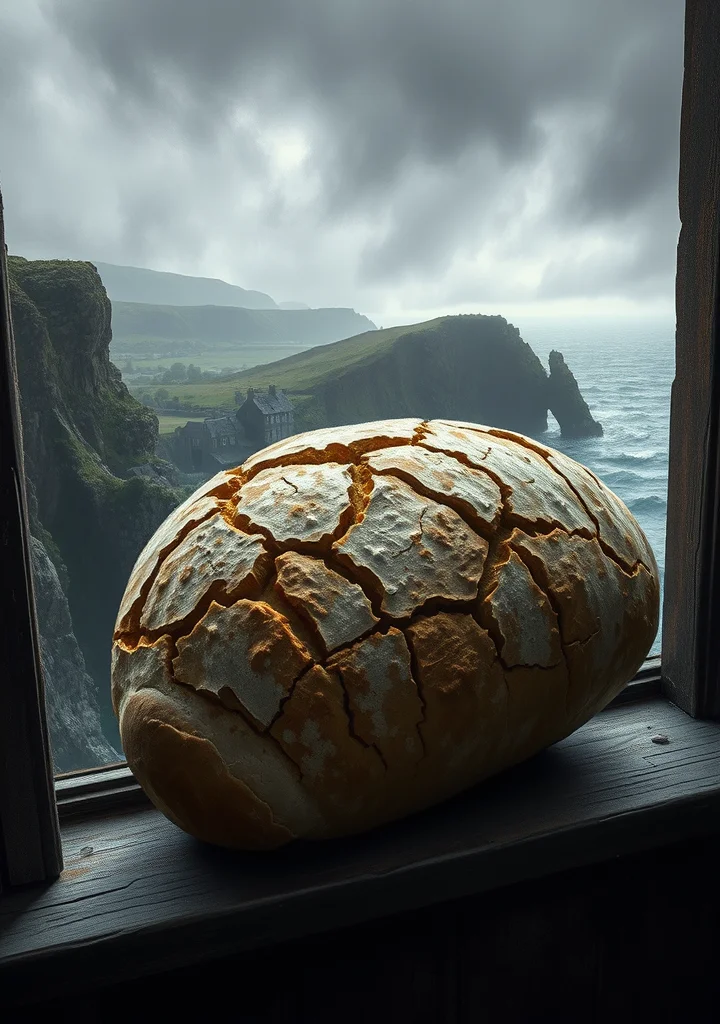
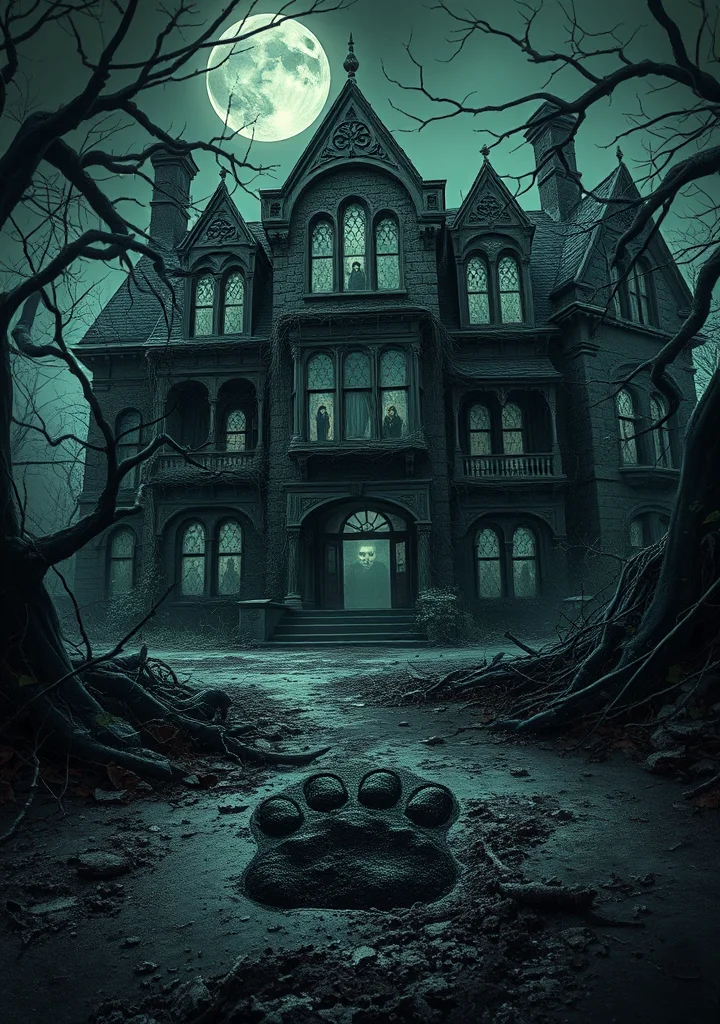
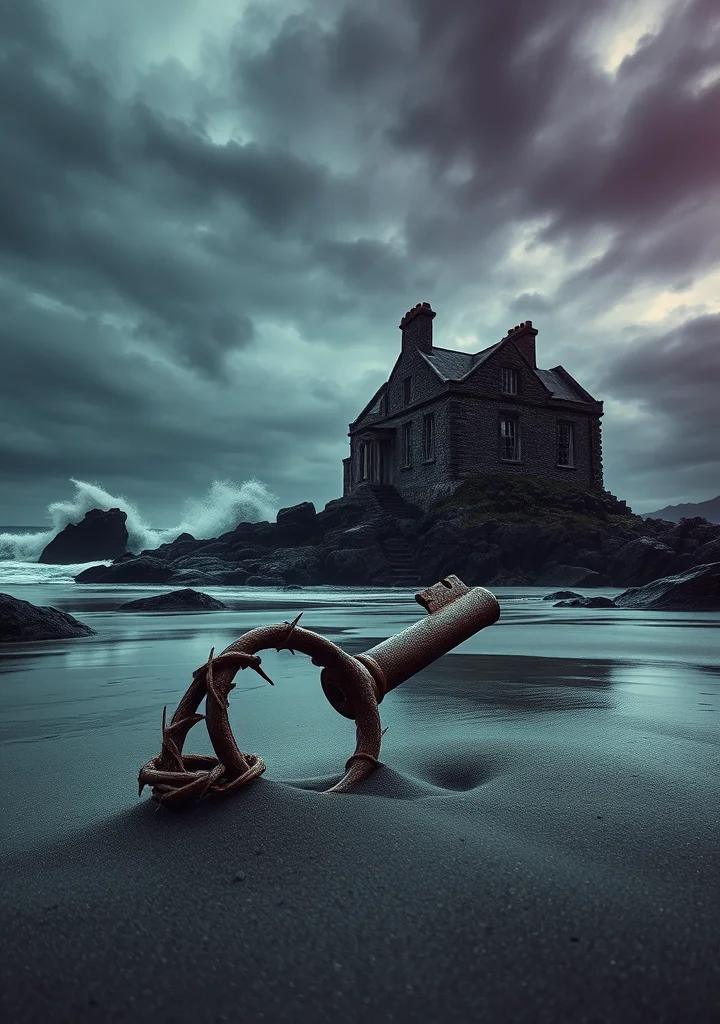
A creeping dread clings to the salt-laced air around the Gables, a house steeped in the shadowed legacy of Pyncheons and their avarice. Within its decaying timbers, generations of sorrow have woven themselves into the very mortar, a silent chorus of regret echoing through dust-laden chambers. The scent of brine and decay permeates every corner, mingling with the spectral weight of unfulfilled desires. Sunlight seems to falter before reaching its gabled peaks, as if the house itself actively resists illumination. A stifling claustrophobia settles upon all who enter, born not of cramped spaces but of the suffocating weight of the past. Here, secrets fester like slow-blooming mold, and the line between the living and the dead blurs with each rustle of wind through the withered rose bushes. The house breathes with a mournful cadence, its darkened windows offering glimpses into a world where the sins of ancestors cast long, skeletal shadows, and the yearning for redemption is forever trapped within its crumbling embrace. A palpable sense of isolation permeates the narrative, a sense that the Gables stand not merely as a dwelling, but as a mausoleum for a fractured lineage, slowly succumbing to the rot of time and the insatiable hunger of its own history. The very stones seem to weep with the weight of forgotten promises, and the silence within is a tangible thing, heavy with the unspoken grief of those who dared to dream within its shadowed walls.