
-
Read 389
-
0
-
Part 25
Completed, First published Mar 02, 2026
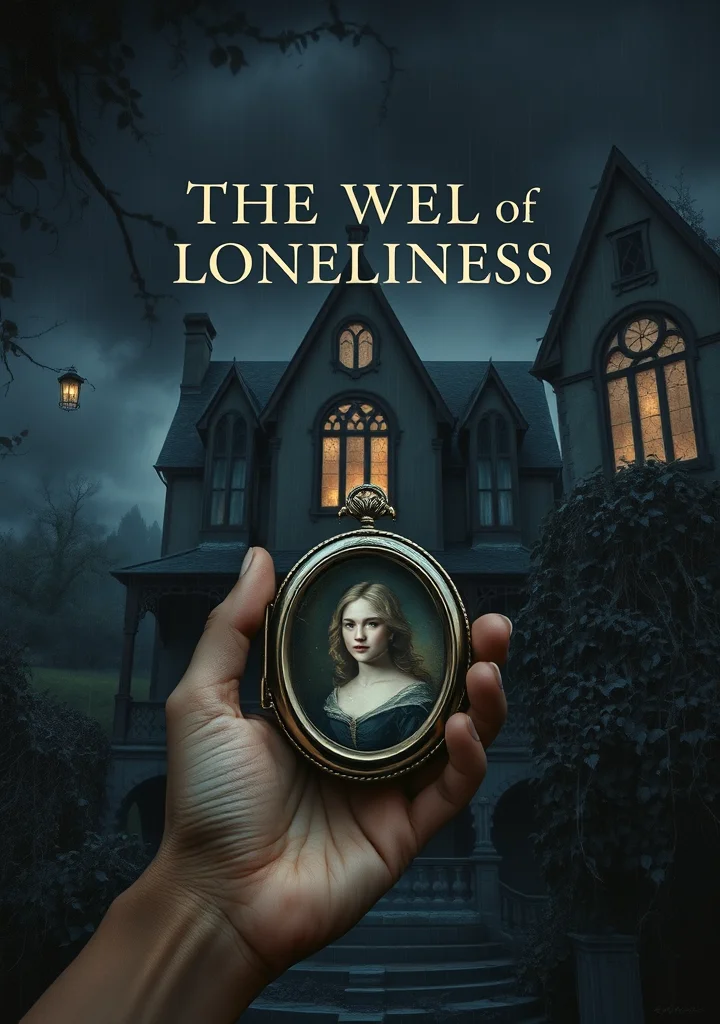
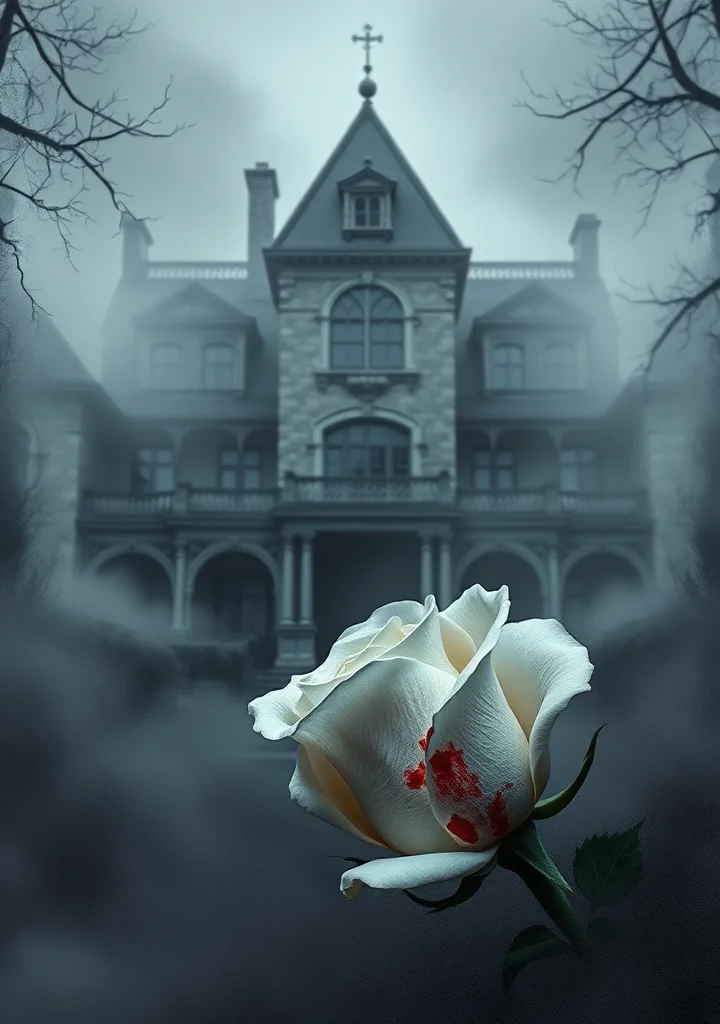
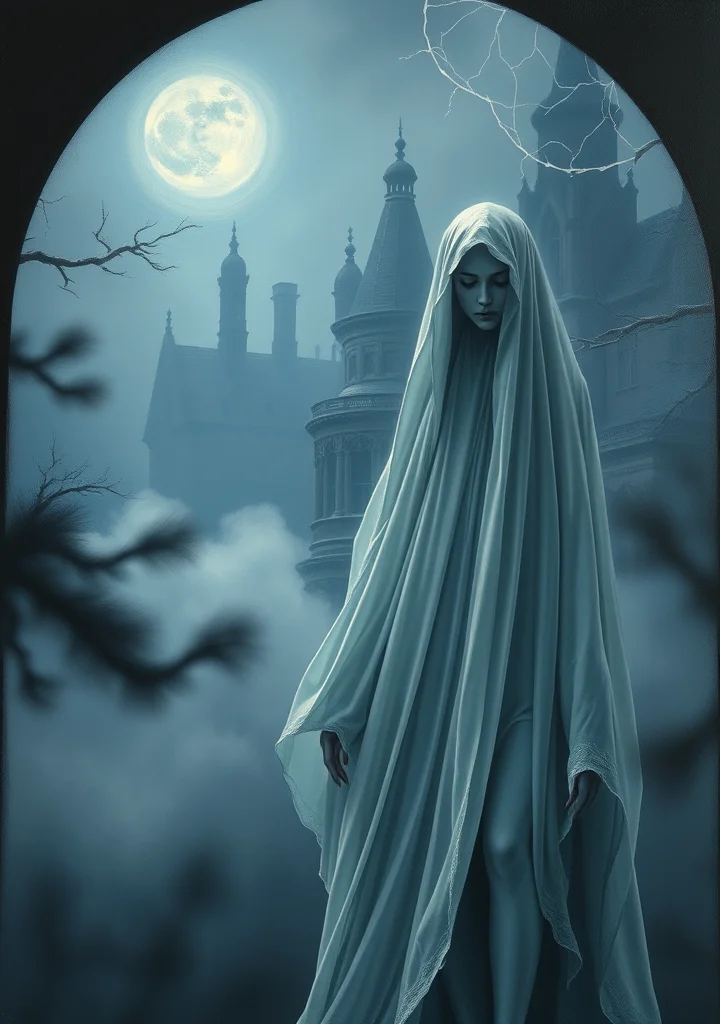
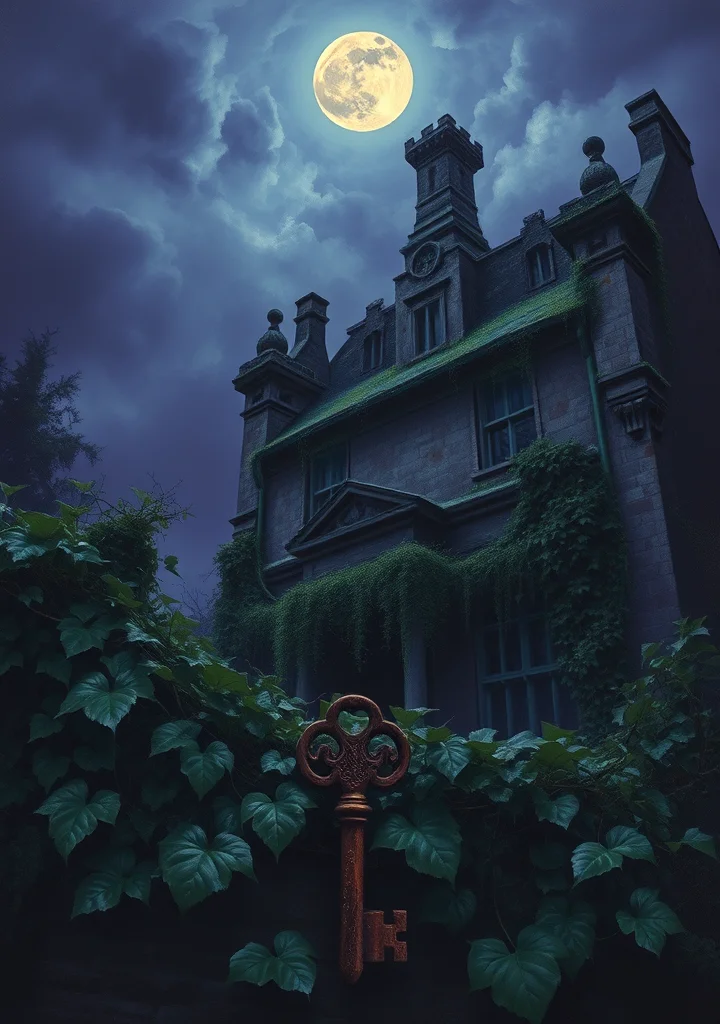
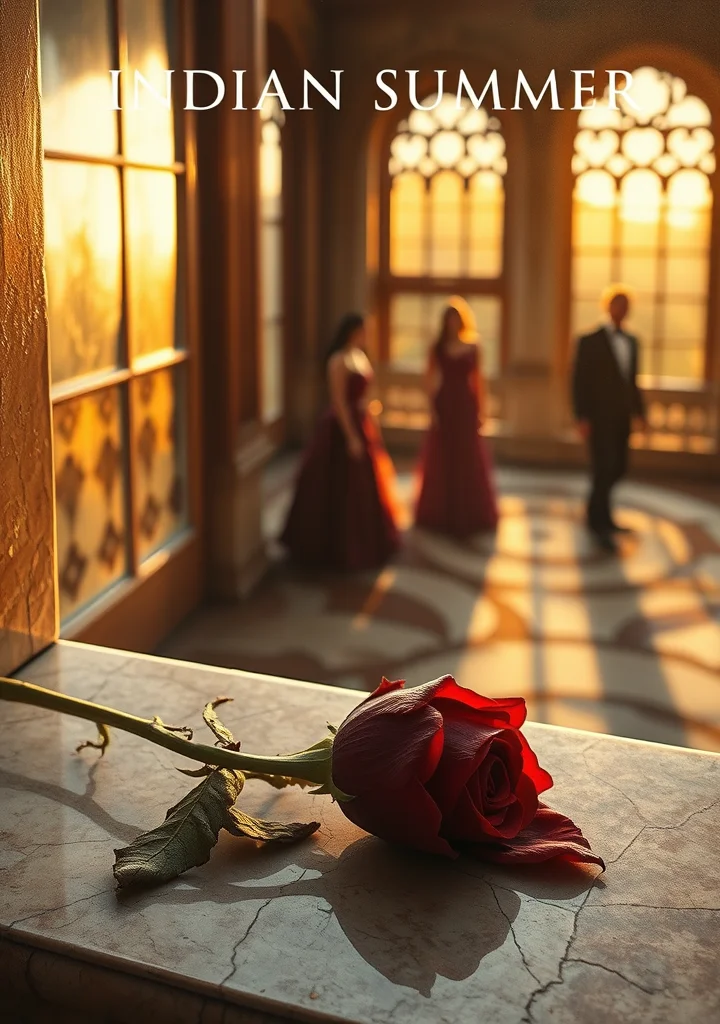
A creeping autumnal melancholy clings to the decaying grandeur of the Northland estate. The air, thick with the scent of dying leaves and damp earth, mirrors the slow unraveling of the Landais family. Old money, brittle as dried parchment, fractures under the weight of unfulfilled desires and the ghosts of past betrayals. This is not a tale of dramatic violence, but of insidious decay—a rot that settles in the heartwood of ambition and festers in the silken threads of polite society. The narrative drifts like smoke through shadowed parlors and overgrown gardens, haunted by the spectral presence of unspoken longing. Each carefully chosen word echoes with the chill of approaching winter, revealing a landscape where passion is muted to a gray regret, and the brightest hopes wither like late blooms in a frost-rimed garden. A stillness pervades, punctuated by the rustle of secrets and the quiet, desperate sighs of those trapped within the gilded cage of their own making. The very house seems to exhale a sigh of resignation, as if anticipating the final, inevitable surrender to oblivion.
Copyright: Public Domain
This license allows anyone to use your story for any purpose, including printing, selling, or adapting it into a film freely.
This license allows anyone to use your story for any purpose, including printing, selling, or adapting it into a film freely.
More like this