
-
Read 428
-
0
-
Part 22
Completed, First published Mar 02, 2026
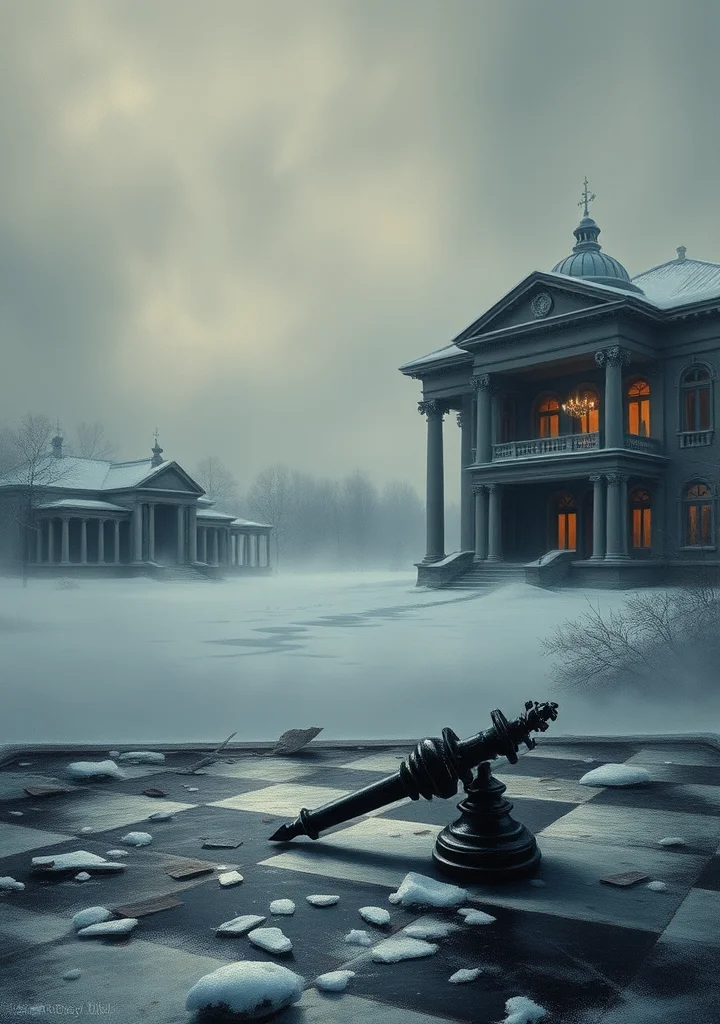
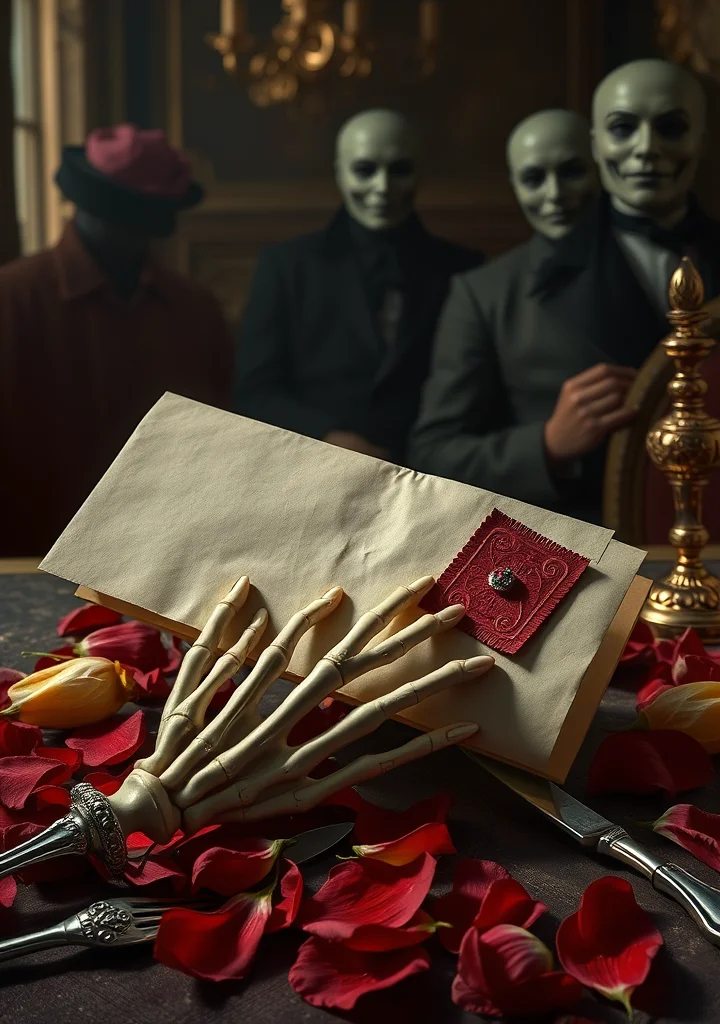
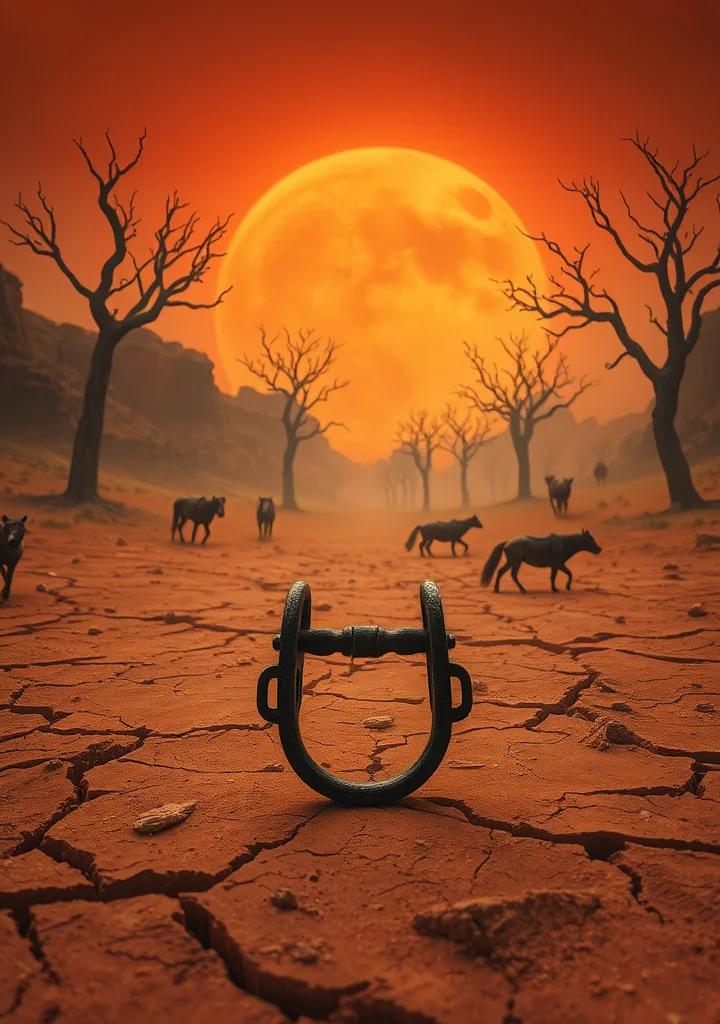
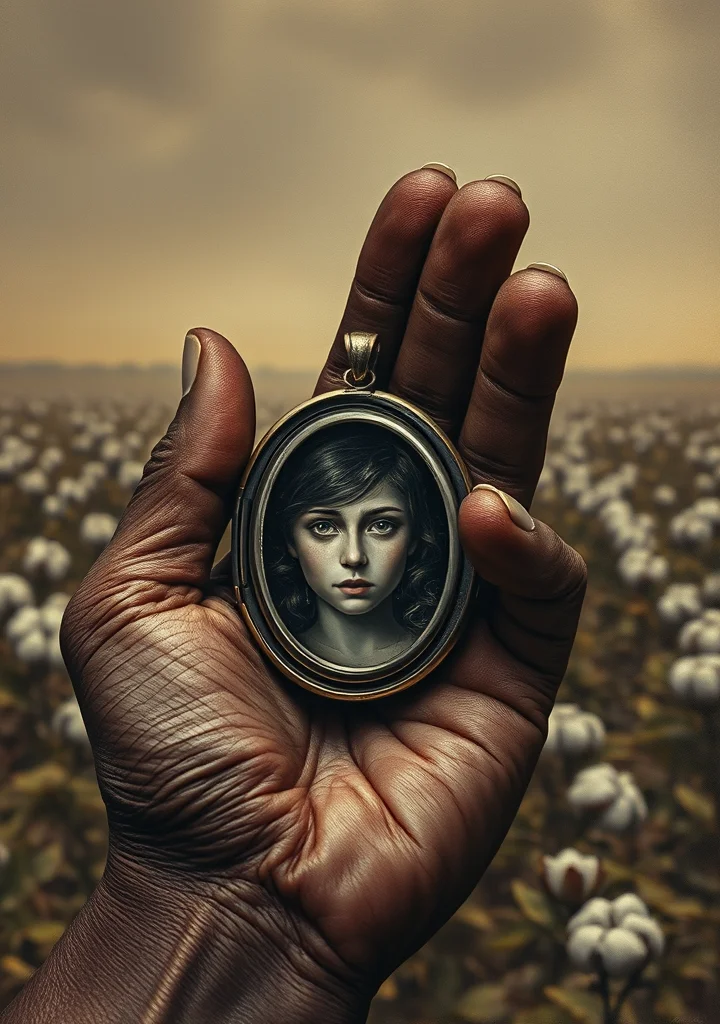
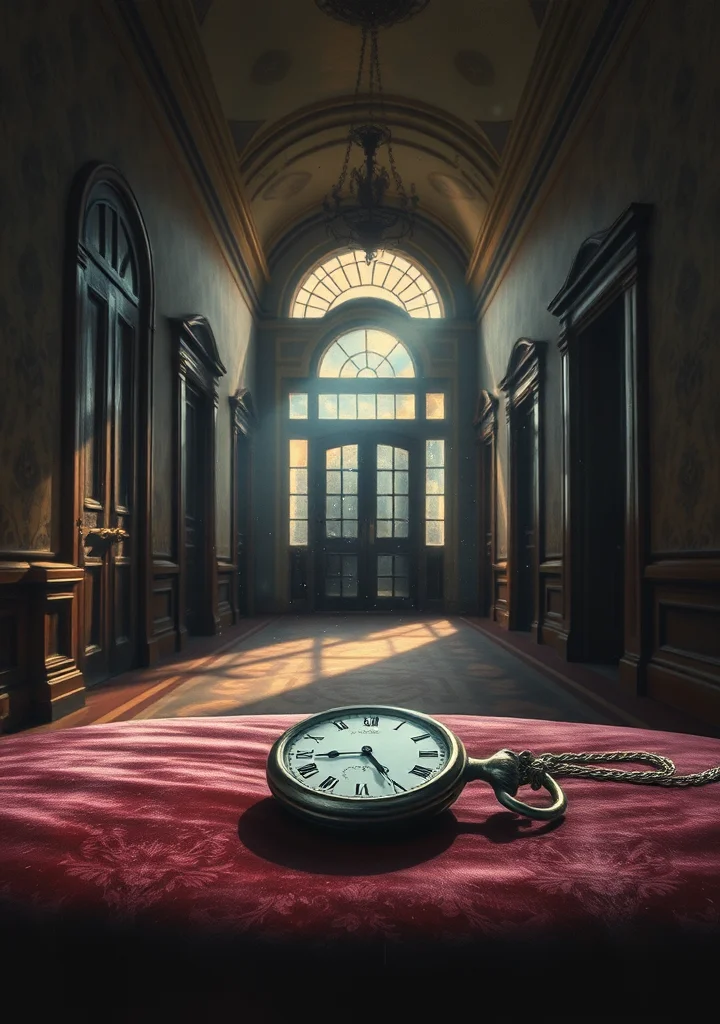
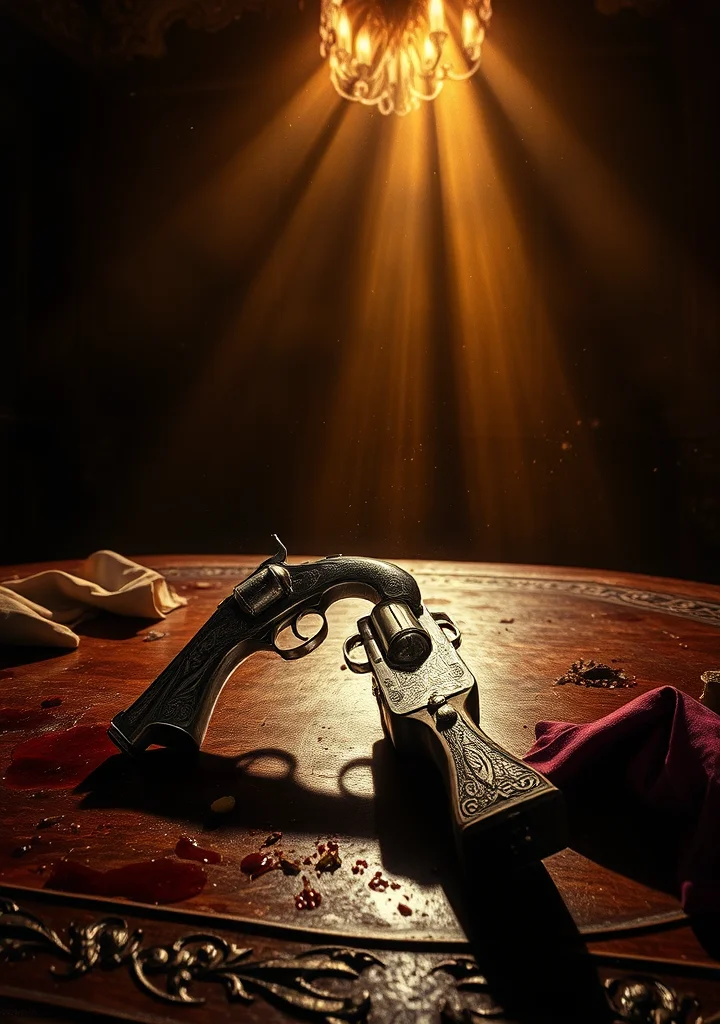
Dust motes dance in the perpetual twilight of a decaying estate, mirroring the slow rot consuming Lieutenant Zhiltsov. A stifling summer hangs heavy with unspoken grievances, festering resentments curdling into a feverish obsession. The air itself seems thick with the scent of sour wine and simmering malice, clinging to the damp linen of the officers’ uniforms. Each encounter, each forced smile, is a tightening coil of suppressed rage, wound tight around a perceived slight – a glance, a whispered word, a stolen glance at a woman whose beauty is as brittle as winter ice. The narrative unfolds not as a crescendo of action, but as a glacial drift toward inevitable confrontation, a suffocating pressure building within the confines of a stiflingly polite, utterly unforgiving society. The duel itself is not merely a clash of pistols, but the eruption of a suffocating despair, the final, echoing emptiness within a landscape bleached of all colour save the crimson stain blooming on the sand. It is a slow poisoning, a descent into the suffocating logic of honour, where the true casualties are not measured in bullet wounds, but in the slow, deliberate fracturing of the human spirit. The heat shimmers, distorting the lines of reason, until only the stark, unyielding geometry of retribution remains.
Copyright: Public Domain
This license allows anyone to use your story for any purpose, including printing, selling, or adapting it into a film freely.
This license allows anyone to use your story for any purpose, including printing, selling, or adapting it into a film freely.
More like this