
-
Read 165
-
0
-
Part 10
Completed, First published Mar 02, 2026
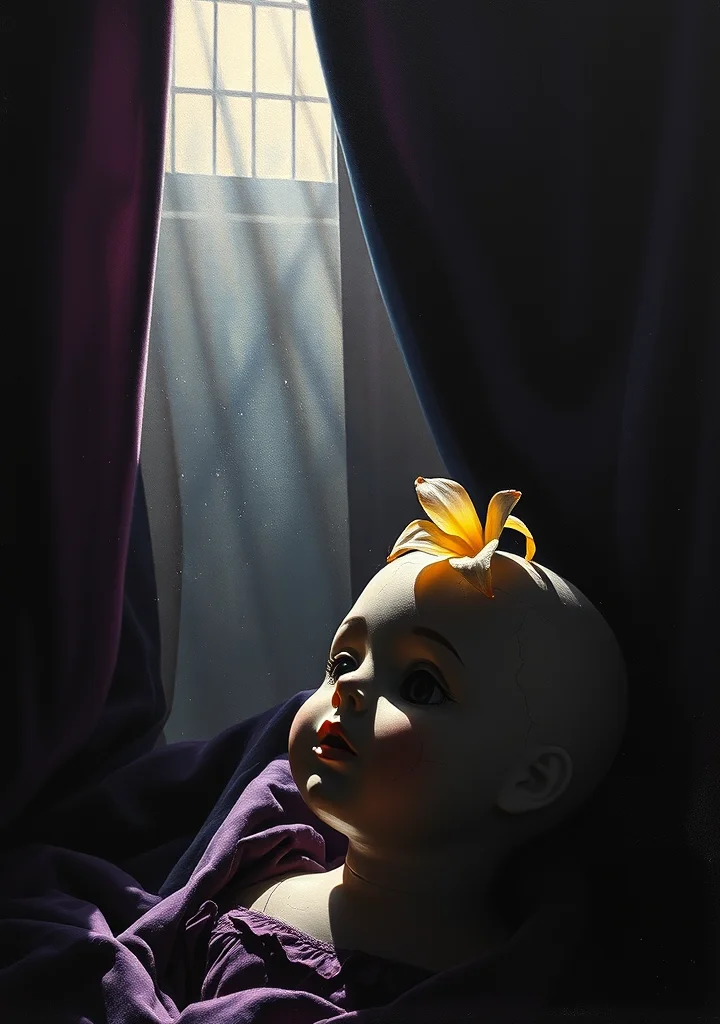
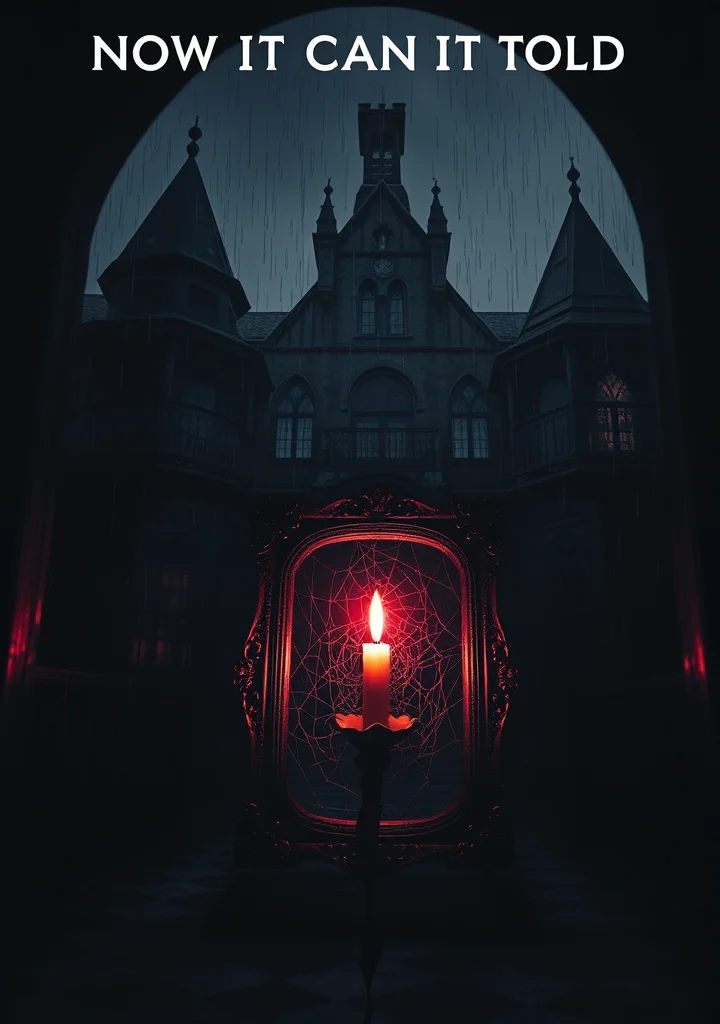
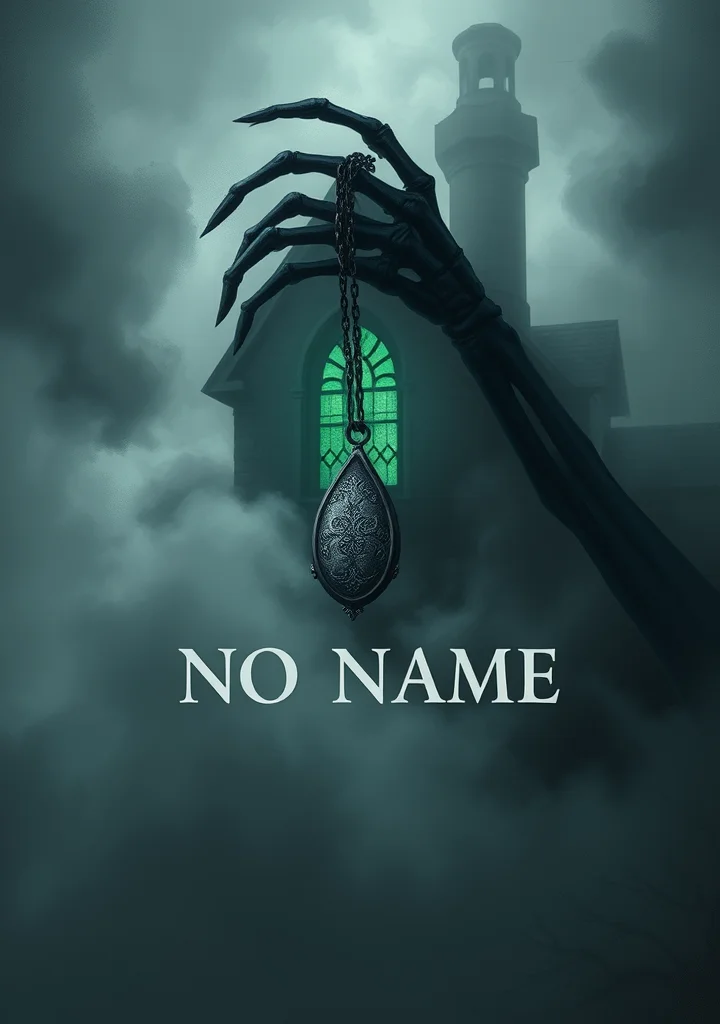
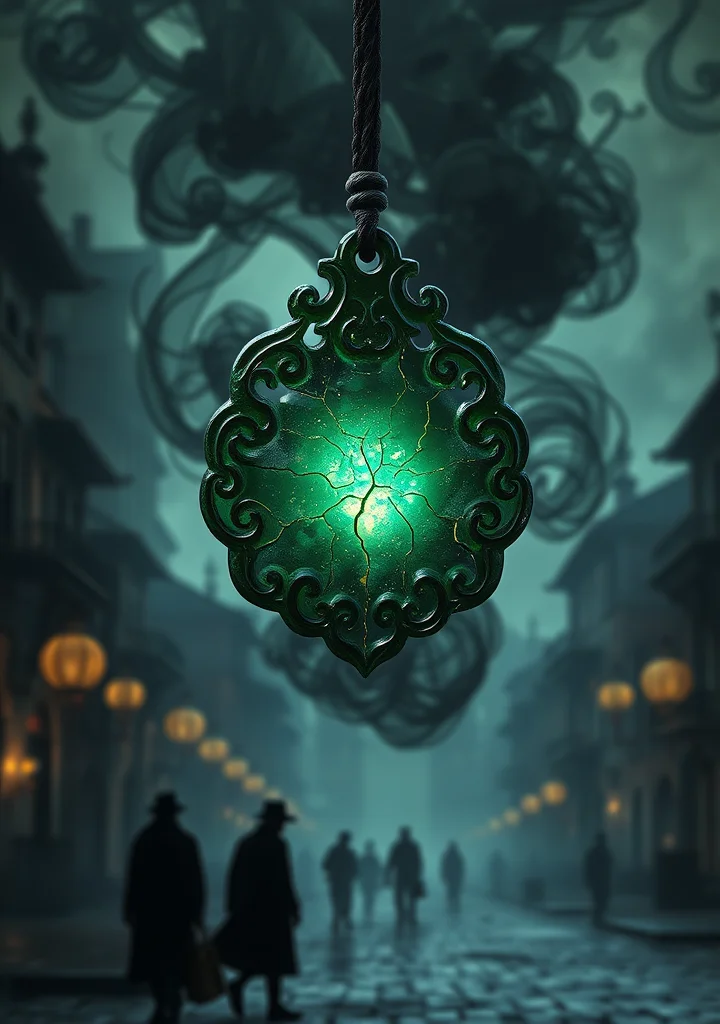
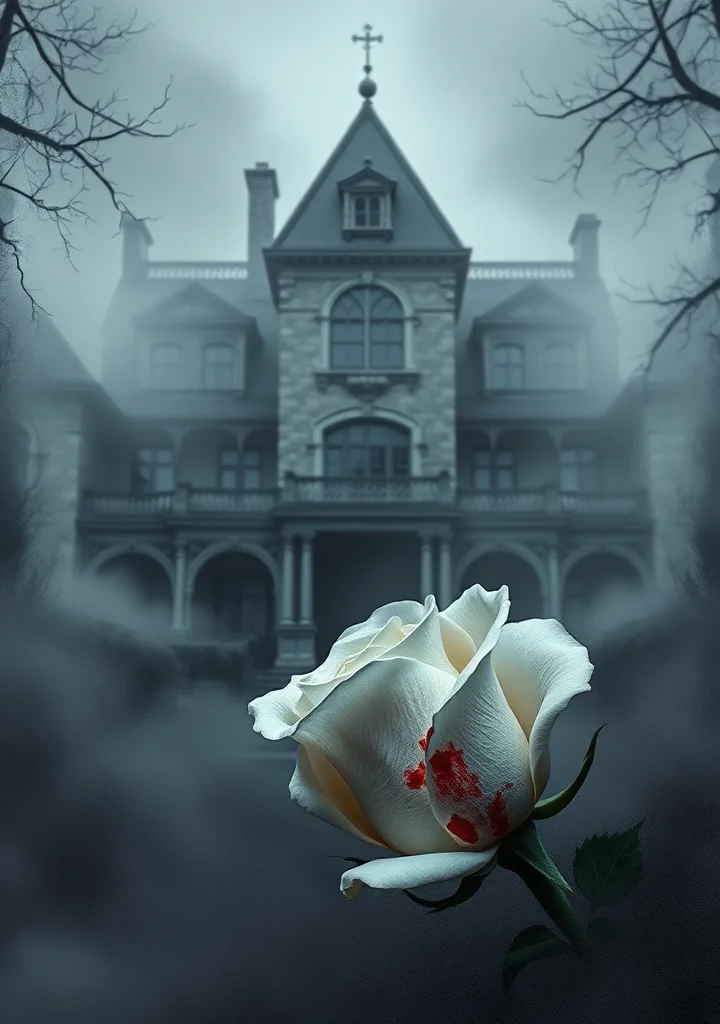
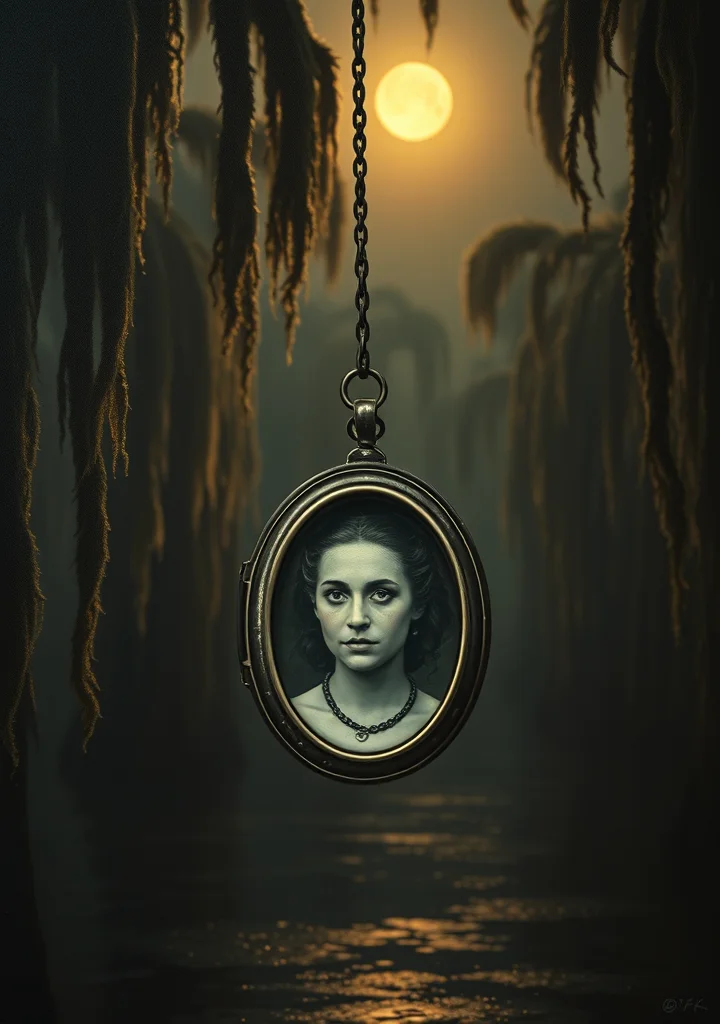
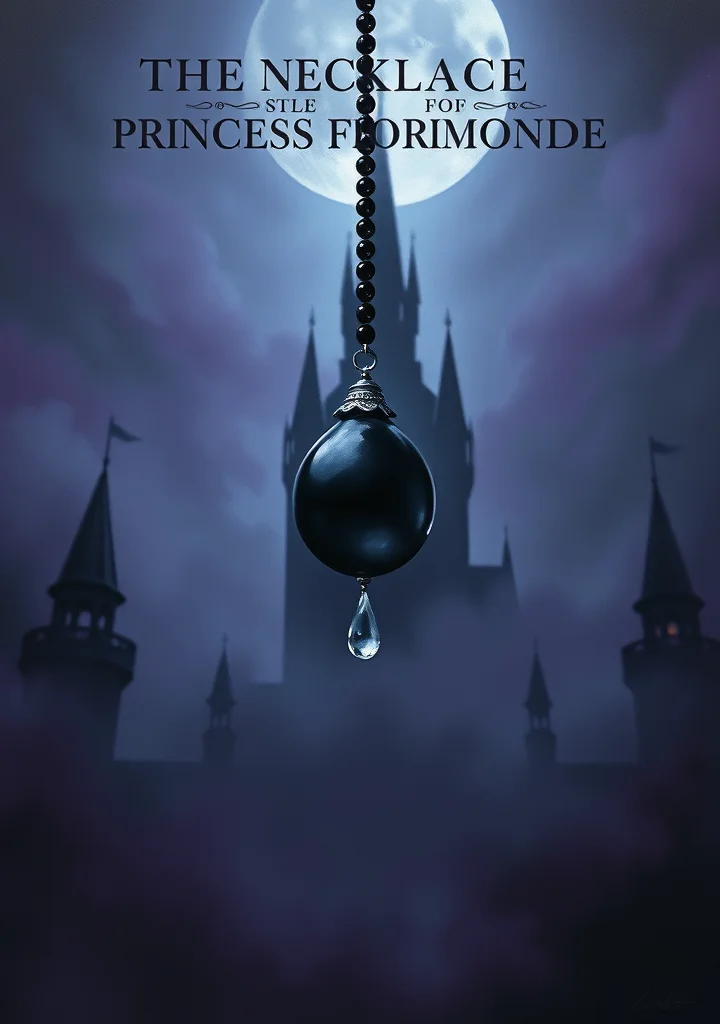
Dust motes dance in the perpetual twilight of Fiorimonde’s castle, a stone behemoth clinging to cliffs overlooking a sea perpetually shrouded in mist. The air hangs thick with the scent of brine, decay, and the lingering perfume of jasmine—a scent that clings to the legend of the Princess herself. She vanished on her wedding day, leaving behind only whispers and a single, exquisite necklace of black pearls said to weep when touched by grief. Now, years later, shadows stretch long and skeletal across the crumbling chambers, and the castle's new mistress, a distant cousin, finds herself haunted by the Princess’s ghost—or perhaps, by something far older and colder embedded in the very stones. A slow, creeping dread settles with each unraveling of the past, revealed through fragmented diaries and the chilling testimony of the castle’s few remaining inhabitants. Every room breathes with a sorrowful history, and the necklace, when finally rediscovered, seems to pulse with a life of its own—a morbid heartbeat echoing through corridors where forgotten promises and broken vows lie buried beneath layers of silk and regret. The narrative is less a tale of simple disappearance, and more a descent into a suffocating, beautiful despair, where the boundaries between the living and the dead blur, and the sea's mournful cry mirrors the Princess’s unending lament.
Copyright: Public Domain
This license allows anyone to use your story for any purpose, including printing, selling, or adapting it into a film freely.
This license allows anyone to use your story for any purpose, including printing, selling, or adapting it into a film freely.
Chapter List
-
« The Necklace of Princess Fiorimonde »📖 Continue Reading
-
« Chapter_3 »
-
« The Necklace of Princess Fiorimonde »
-
« The Necklace of Princess Fiorimonde »
-
« The Wanderings of Arasmon »
-
« The Heart of Princess Joan »
-
« The Pedlar’s Pack »
-
« The Bread of Discontent »
-
« The Three Clever Kings »
-
« The Wise Princess »
More like this