
The Pilgrim Kamanita
  • 232
  • 0
  • 50
  • Reads 232
  • 0
  • Part 50
Completed, First published Mar 02, 2026

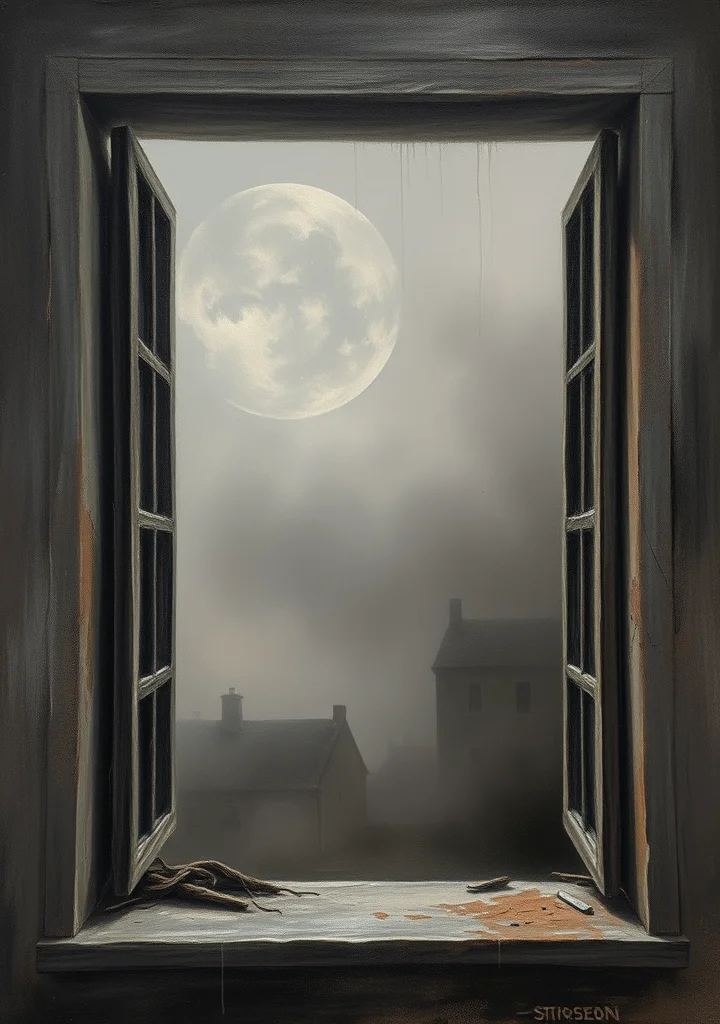
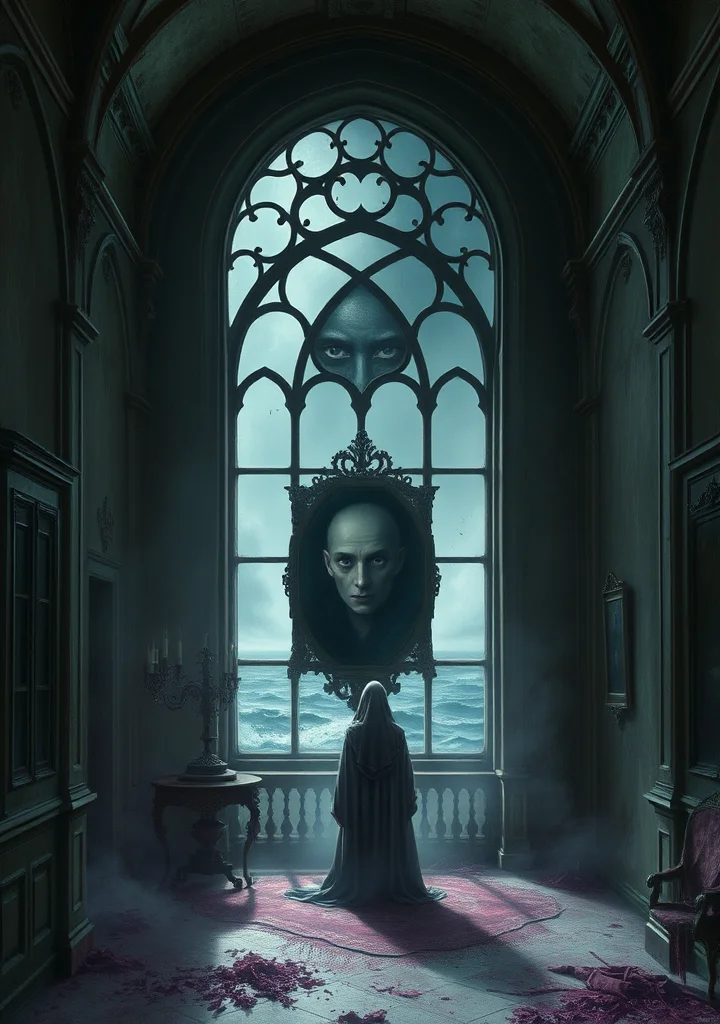
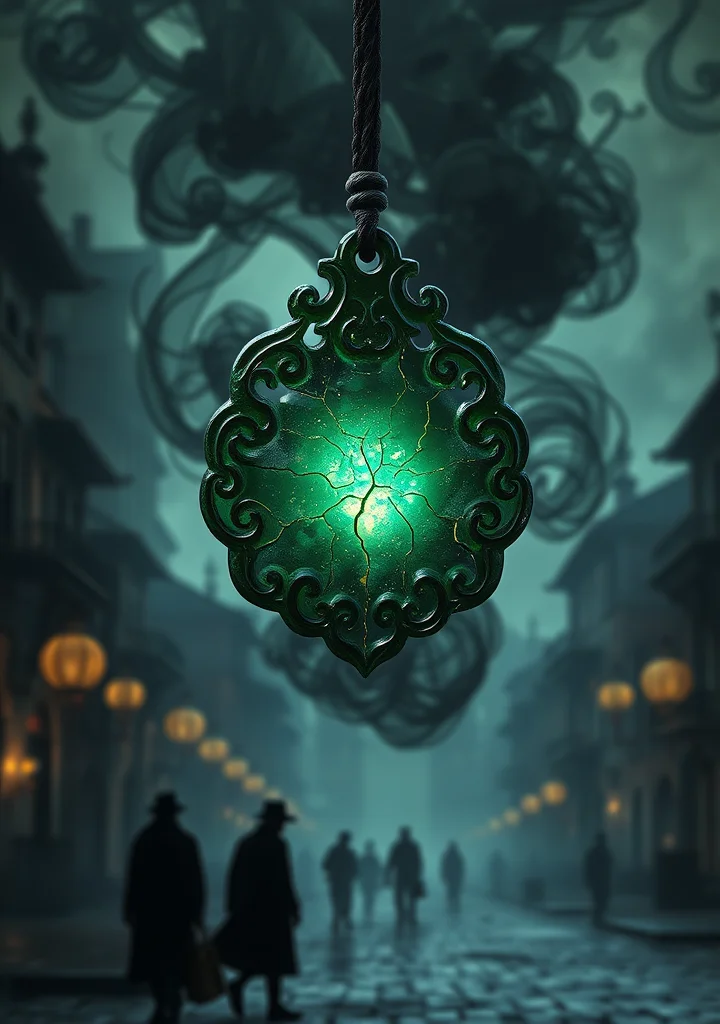
A creeping dread clings to the Baltic shores as Kamanita, a spectral wanderer bound by ancient sin, drifts through a landscape choked with the decay of forgotten faiths. The narrative exhales a perpetual November chill, mirroring the hollowed-out man at its core. Each step Kamanita takes is not progress, but a slow unraveling into the peat bogs of memory—visions of a betrayal that echoes in the crumbling churches and salt-laced winds. Gjellerup paints not a journey towards redemption, but a descent into a haunted geography where the weight of guilt curdles into a tangible darkness. The prose bleeds with a melancholic luminescence, illuminating not salvation, but the skeletal remains of hope within a world where the sea itself seems to mourn. The story isn’t told so much as exhaled—a miasma of regret rising from the cold stone and yielding earth, leaving the reader adrift with Kamanita in a perpetual twilight of penance. Expect not respite, but the suffocating embrace of a desolate, internal winter. The very air tastes of ash and brine, and the echoes of bells toll not for the living, but for the fragments of a soul lost to the encroaching shadows.
Copyright: Public Domain
This license allows anyone to use your story for any purpose, including printing, selling, or adapting it into a film freely.
Chapter List
Recommended for you
38 Part
Beneath a perpetual twilight, where the cobbled streets of Oxford bleed into the encroaching shadows of dreaming spires, a labyrinth unfolds. Not of logic, nor reason, but of whispers and half-remembered fears. The air hangs thick with the scent of decaying roses and damp earth, clinging to the hems of coats worn thin by regret. A scholar, haunted by a melody only he can hear – a tune woven from moth wings and the rustling of forgotten prayers – finds his investigations twisting into corridors of mirrored reflections, each revealing a sliver of a fractured self. The city itself breathes with a feverish pulse, its inhabitants caught in a slow waltz with madness. Doors open into impossible angles, revealing parlours choked with velvet gloom and populated by figures whose faces shift with every glance. Every clock ticks backwards, unraveling the threads of time. The narrative unravels like a ribbon, tangled with threads of obsession, hinting at a darkness within the heart of academia. A creeping dread descends, born not of malice, but of the unsettling realization that the very foundations of reality are built upon a foundation of delicate, brittle lies. It is a descent into a world where the boundaries between waking and dreaming blur, where the echo of a forgotten smile can drive a man to the brink of despair, and where the most innocent of riddles conceal the key to a suffocating, unspoken terror. The garden is overgrown, the tea party is never ending, and the rabbit hole leads not to Wonderland, but to a suffocating, elegant rot.
99 Part
A creeping dread clings to the crumbling manor of Blackwood Hall, where shadows lengthen with each passing hour and the scent of decay permeates the very stones. Within its suffocating embrace, young Alistair Finch inherits not fortune, but a legacy of whispered madness and fractured memories. The estate is not merely old; it *bleeds* history, each echoing corridor a testament to generations consumed by a nameless sorrow. Alistair’s arrival stirs something long dormant within the Hall’s heart – a melancholic entity woven into the tapestry of Blackwood’s decline. He finds himself haunted by spectral echoes of a forgotten bride, her grief woven into the damp tapestries and the brittle bones of the ancient oaks surrounding the estate. The air grows thick with the weight of unspoken promises and broken vows. Every mirror reflects a distorted glimpse of something *other* – a glimpse of Alistair’s own unraveling sanity. The boundaries between dream and reality blur, and the garden, once a haven of roses, becomes a labyrinth of thorns mirroring the tangled web of Blackwood’s past. A chilling stillness descends as Alistair descends further into the Hall’s heart, compelled by a spectral melody that promises revelation…or annihilation. The narrative unfolds not as a tale of monsters and ghouls, but of a soul eroding under the slow, suffocating weight of inherited despair – a descent into a twilight realm where beauty curdles into rot, and every breath tastes of dust and regret.
19 Part
The salt-laced air hangs thick with dread, clinging to the rotting timbers of the *Morian*, a vessel haunted by more than just the spectral chill of the North Atlantic. A creeping contagion, born of shadowed ports and whispered bargains with sea-witchery, festers within its hold, twisting flesh and fracturing minds. The narrative unfolds not as a tale of heroic defiance, but as a slow, agonizing unraveling. Each deck becomes a labyrinth of fevered delirium and decaying grandeur, mirroring the fractured psyche of Captain Keveren, bound by duty to a cargo more terrifying than any kraken. Norton doesn’t offer swashbuckling adventure, but a claustrophobic descent into madness. The ship itself is a character—a leviathan of grief and rot, breathing out despair with every creak of its ancient frame. The crew aren’t warriors, but desperate souls clinging to the tattered remnants of their humanity as the plague consumes them, their struggles rendered in muted tones of gray and sickly green. Expect a pervasive sense of isolation, not from open ocean, but from the very bodies around you, each touch bringing closer the inevitable bloom of the sickness. The story is less about escaping the ship, and more about the horrifying realization that the plague is not merely a disease, but a haunting—a parasitic echo of something ancient and malevolent awakened by the sea. The darkness doesn’t arrive with a dramatic storm, but seeps through the planks, clinging to the skin, and ultimately, claiming the soul.