
-
Read 286
-
0
-
Part 19
Completed, First published Mar 02, 2026
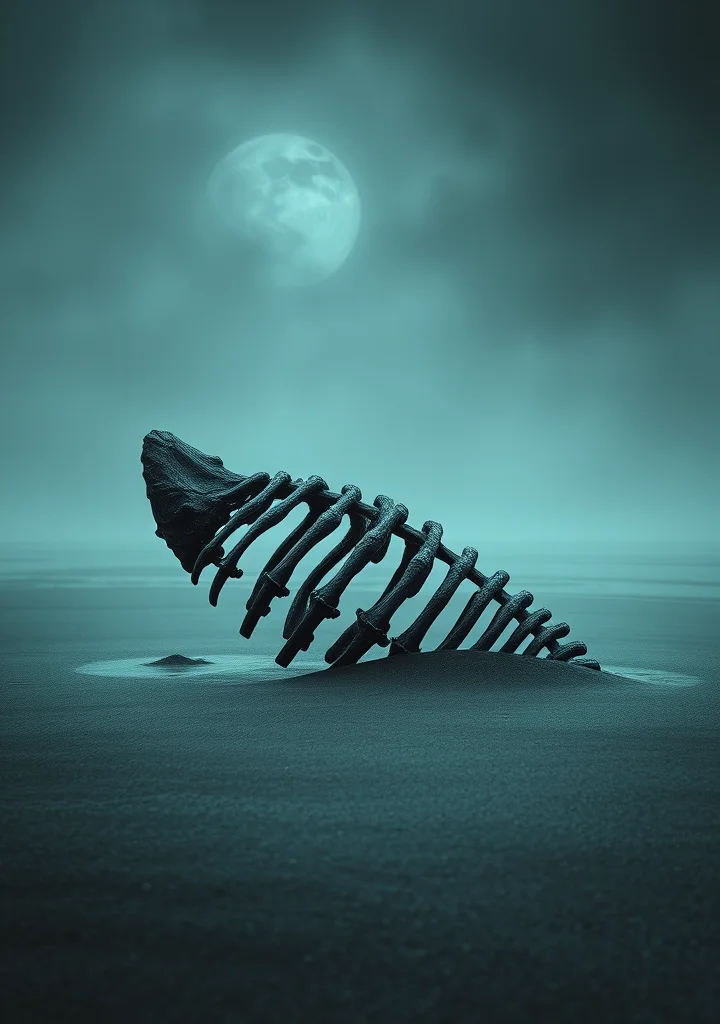
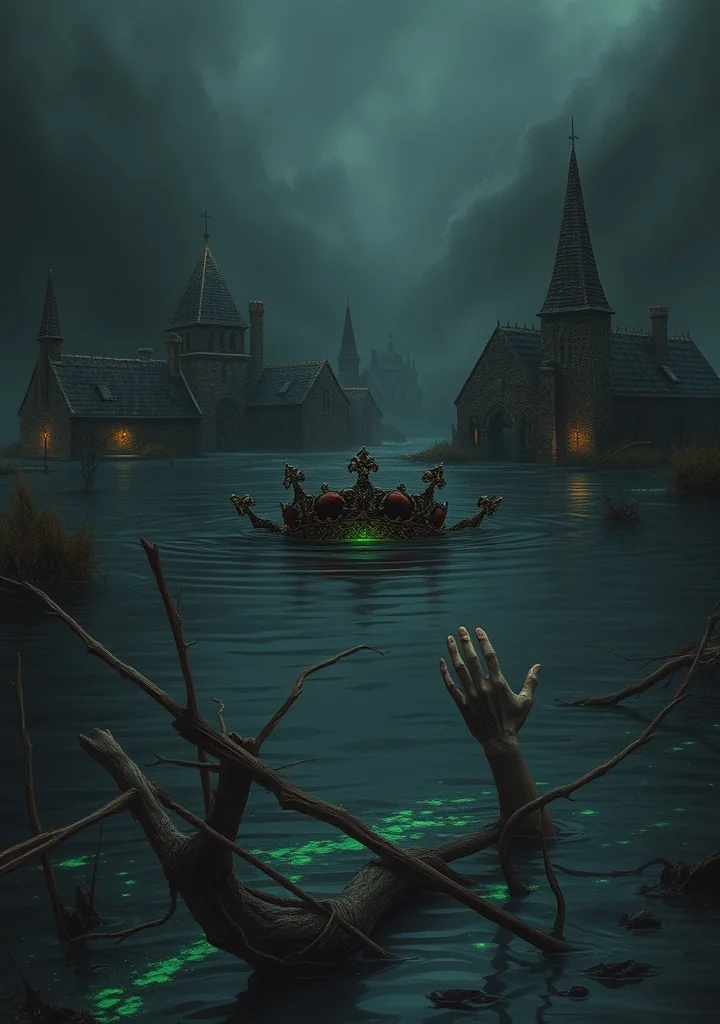
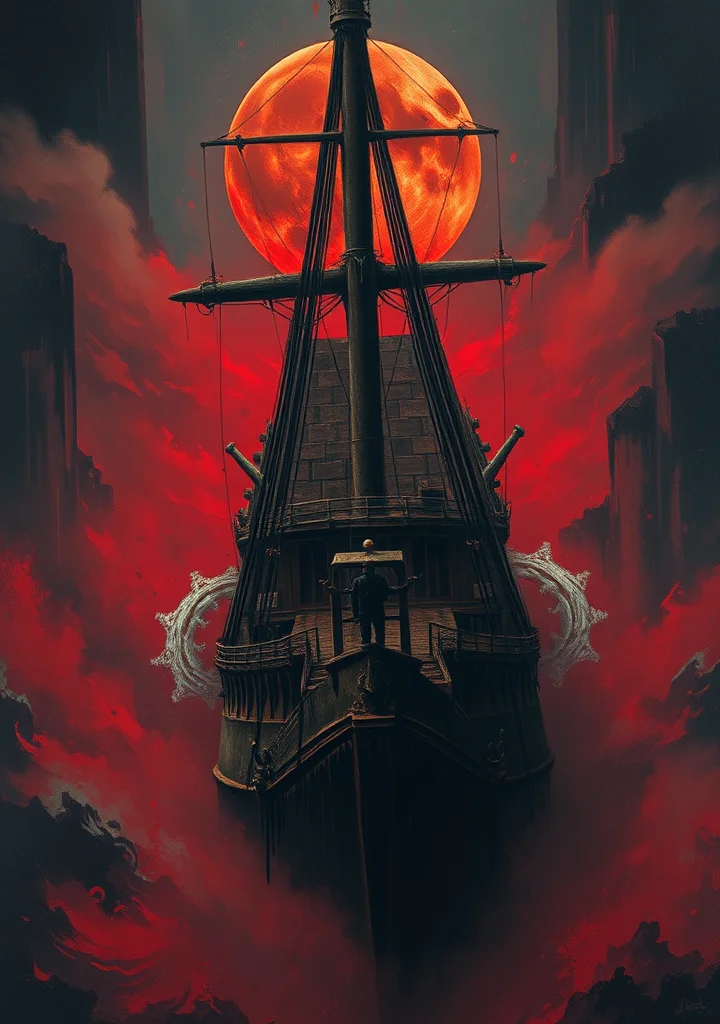
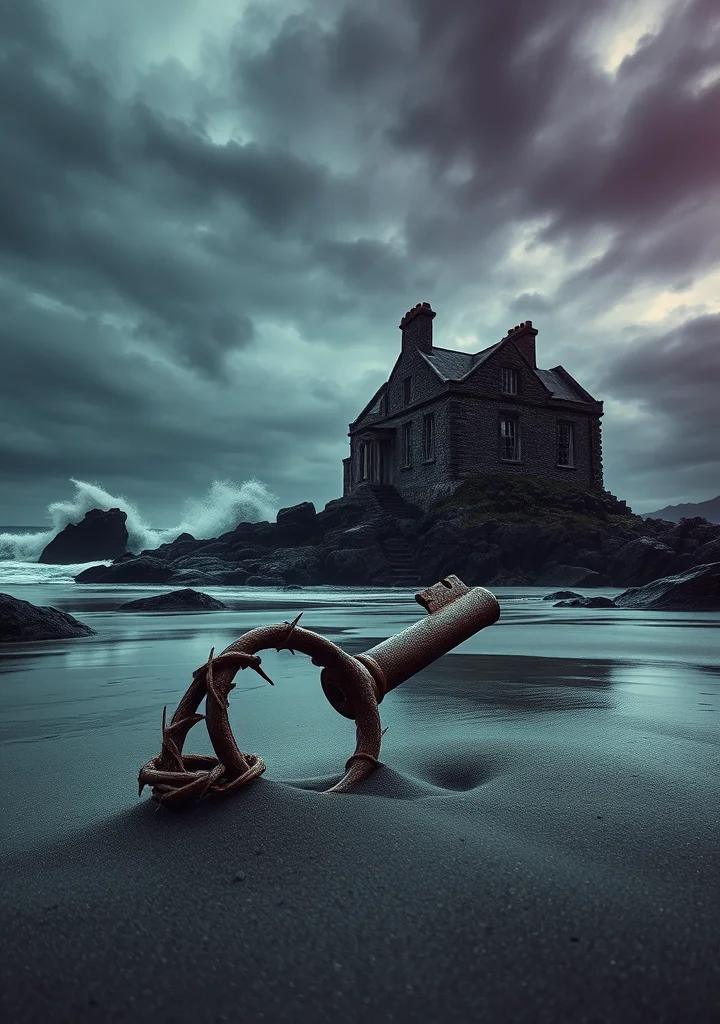
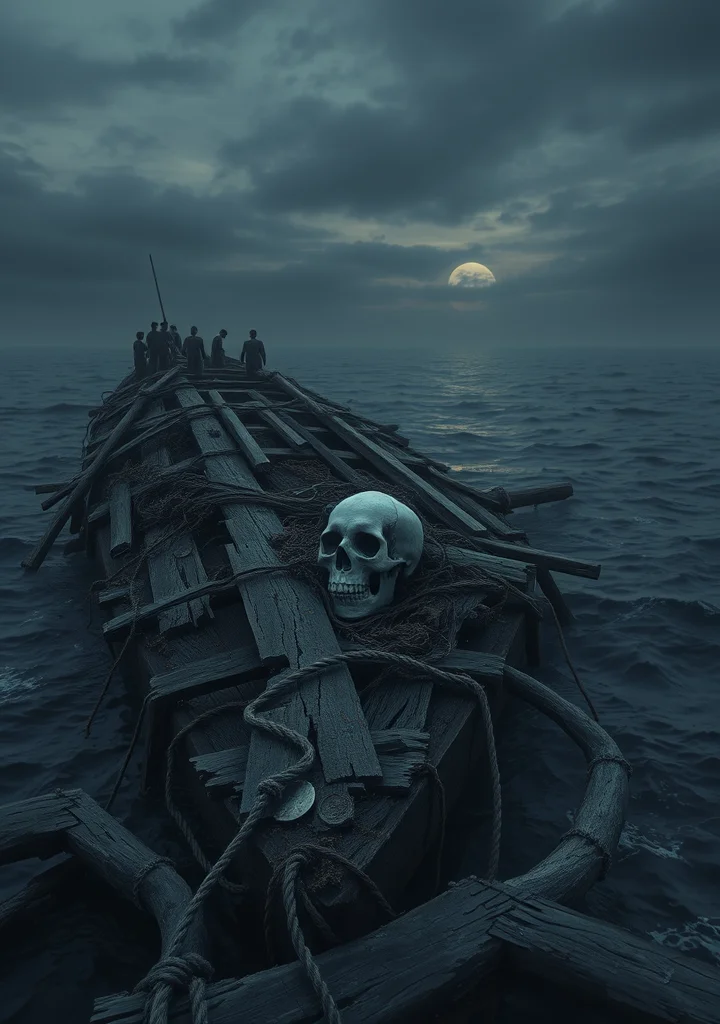
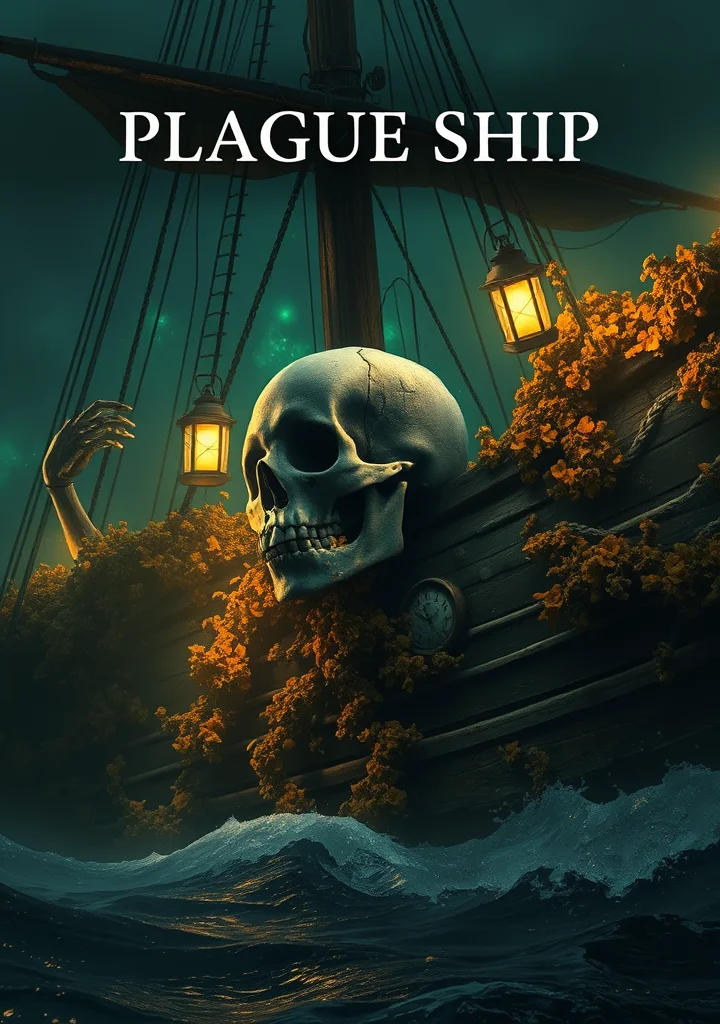
The salt-laced air hangs thick with dread, clinging to the rotting timbers of the *Morian*, a vessel haunted by more than just the spectral chill of the North Atlantic. A creeping contagion, born of shadowed ports and whispered bargains with sea-witchery, festers within its hold, twisting flesh and fracturing minds. The narrative unfolds not as a tale of heroic defiance, but as a slow, agonizing unraveling. Each deck becomes a labyrinth of fevered delirium and decaying grandeur, mirroring the fractured psyche of Captain Keveren, bound by duty to a cargo more terrifying than any kraken.
Norton doesn’t offer swashbuckling adventure, but a claustrophobic descent into madness. The ship itself is a character—a leviathan of grief and rot, breathing out despair with every creak of its ancient frame. The crew aren’t warriors, but desperate souls clinging to the tattered remnants of their humanity as the plague consumes them, their struggles rendered in muted tones of gray and sickly green. Expect a pervasive sense of isolation, not from open ocean, but from the very bodies around you, each touch bringing closer the inevitable bloom of the sickness. The story is less about escaping the ship, and more about the horrifying realization that the plague is not merely a disease, but a haunting—a parasitic echo of something ancient and malevolent awakened by the sea. The darkness doesn’t arrive with a dramatic storm, but seeps through the planks, clinging to the skin, and ultimately, claiming the soul.
Copyright: Public Domain
This license allows anyone to use your story for any purpose, including printing, selling, or adapting it into a film freely.
This license allows anyone to use your story for any purpose, including printing, selling, or adapting it into a film freely.
More like this