
-
Read 376
-
0
-
Part 33
Completed, First published Mar 02, 2026
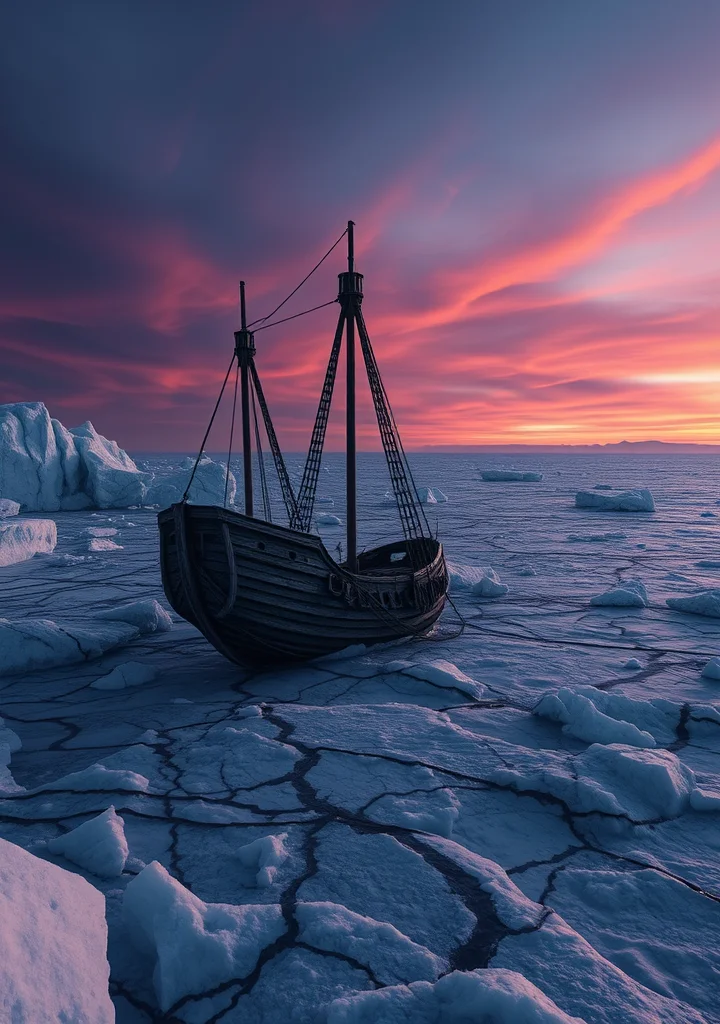
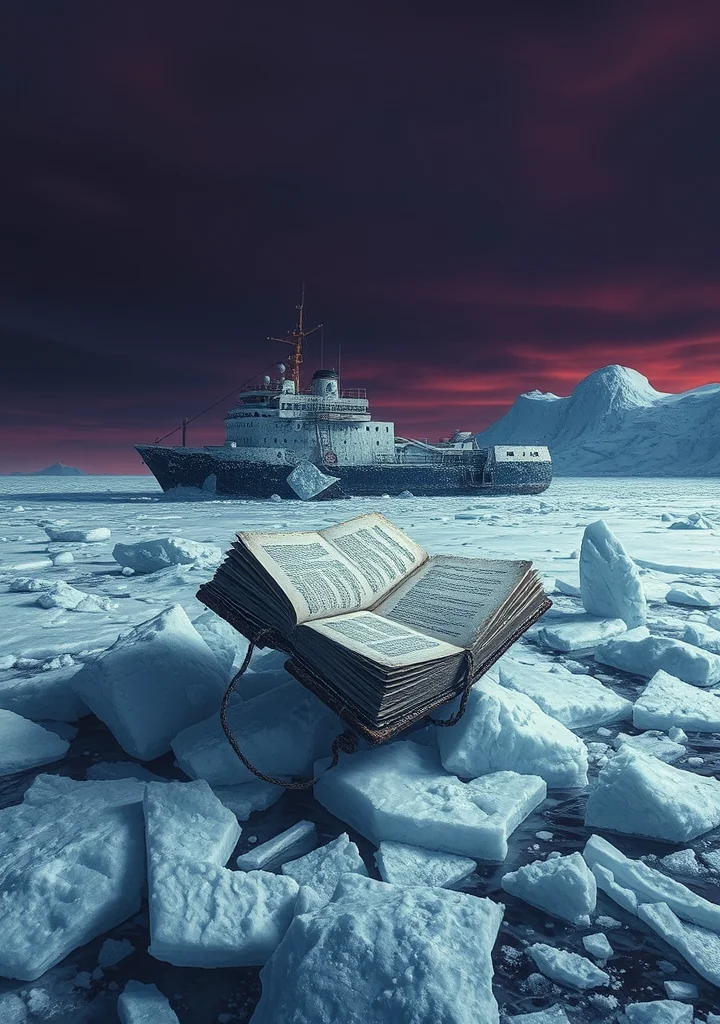
Black ice breathes beneath a sky the colour of bruised plums. The narrative clings to the husk of a ship, a splintered prayer against the white, relentless horizon. It is not warmth that lingers in these pages, but the glacial ache of waiting, the phantom weight of hope fracturing into frost. Each entry, each log entry, is a breath held too long in the maw of the Antarctic, echoing with the crack of splintering timber and the howl of a wind that tastes of salt and despair. The men themselves become shadows, leaching colour from their own faces, haunted by a hunger that gnaws beyond the belly – a hunger for sunlight, for the touch of soil, for any proof of a world beyond this suffocating, crystalline tomb. There is a stillness here that is not peace, but the final, terrible composure of things falling apart. The scent of brine and decay permeates the air, a constant reminder that even survival is a slow, deliberate unraveling. It is a story not of conquest, but of being *held* by the cold, by the ice, by the creeping certainty that oblivion is not a destination, but the very fabric of the journey. The darkness isn’t just outside the ship; it’s grown inside, woven into the very marrow of the men, a chilling testament to the things that break when faced with the infinite white.
Copyright: Public Domain
This license allows anyone to use your story for any purpose, including printing, selling, or adapting it into a film freely.
This license allows anyone to use your story for any purpose, including printing, selling, or adapting it into a film freely.
Chapter List
-
« South! »📖 Continue Reading
-
« Chapter_3 »
-
« Preface »
-
« South! »
-
« I »
-
« II »
-
« III »
-
« IV »
-
« V »
-
« VI »
-
« VII »
-
« VIII »
-
« IX »
-
« X »
-
« XI »
-
« XII »
-
« XIII »
-
« XIV »
-
« XV »
-
« XVI »
-
« XVII »
-
« XVIII »
-
« AppendixI »
-
« Chapter_25 »
-
« Chapter_26 »
-
« Chapter_27 »
-
« Chapter_28 »
-
« Chapter_29 »
-
« The National Antarctic Expedition’s Hut at Hut Point—The Head of McMurdo Sound »
-
« The National Antarctic Expedition’s Hut at Hut Point—The Head of McMurdo Sound »
-
« Cape Royds Hut »
-
« Cape Evans Hut »
-
« Depots South of Hut Point »
33
-
« South! »
-
« Chapter_3 »
-
« Preface »
-
« South! »
-
« I »
-
« II »
-
« III »
-
« IV »
-
« V »
-
« VI »
-
« VII »
-
« VIII »
-
« IX »
-
« X »
-
« XI »
-
« XII »
-
« XIII »
-
« XIV »
-
« XV »
-
« XVI »
-
« XVII »
-
« XVIII »
-
« AppendixI »
-
« Chapter_25 »
-
« Chapter_26 »
-
« Chapter_27 »
-
« Chapter_28 »
-
« Chapter_29 »
-
« The National Antarctic Expedition’s Hut at Hut Point—The Head of McMurdo Sound »
-
« The National Antarctic Expedition’s Hut at Hut Point—The Head of McMurdo Sound »
-
« Cape Royds Hut »
-
« Cape Evans Hut »
-
« Depots South of Hut Point »
More like this