
-
Read 87
-
0
-
Part 4
Completed, First published Mar 02, 2026
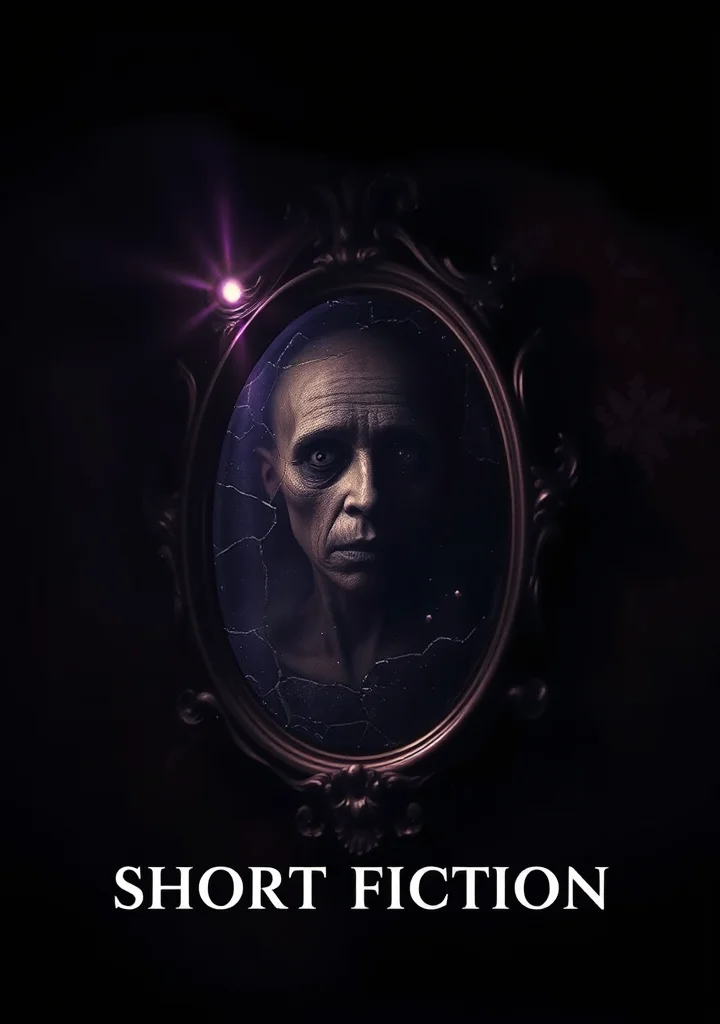
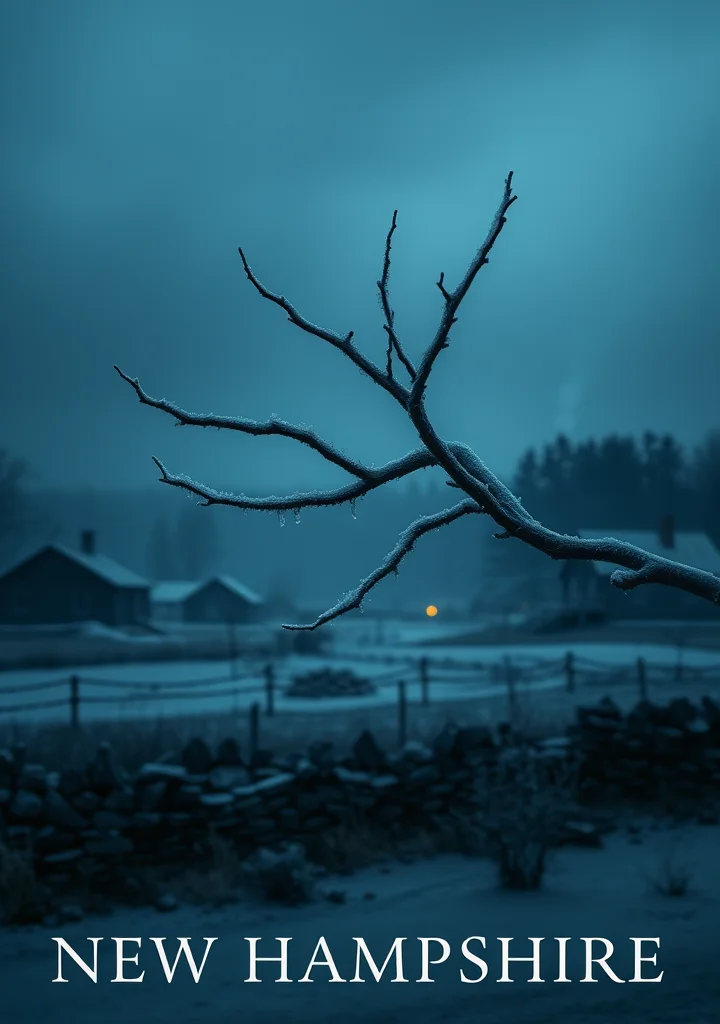
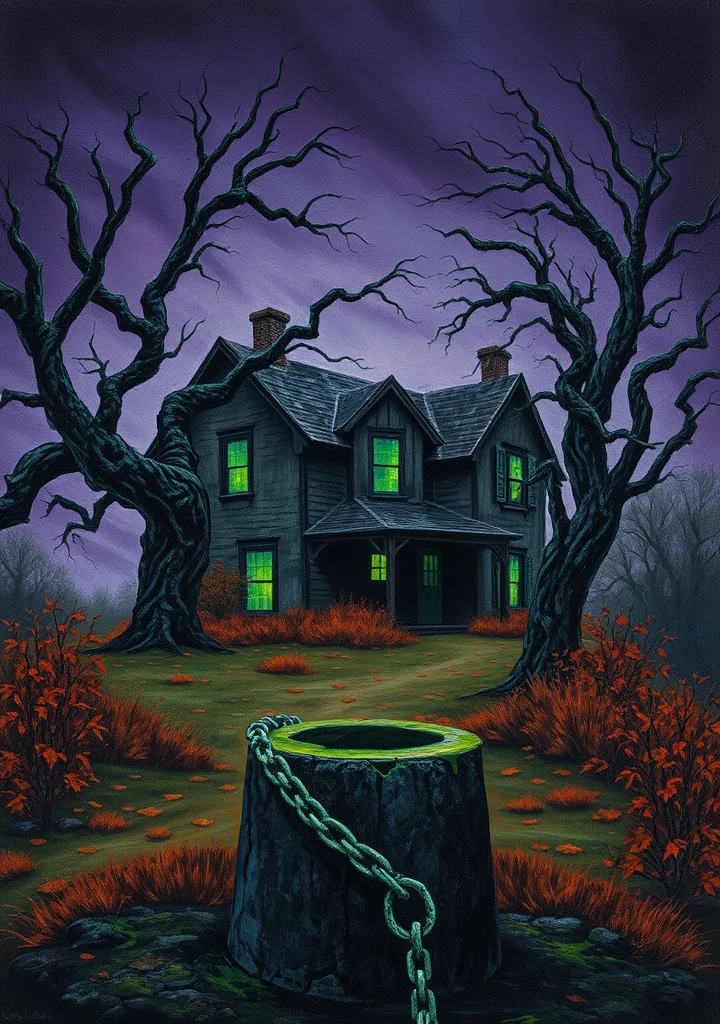
The dust of forgotten highways clings to these stories like a shroud. Beaumont doesn't deal in monsters under the bed, but in the rot *within* the bedsheets. Each tale exhales a slow, suffocating dread, born not of the supernatural, but of the meticulously observed cracks in suburban sanity. These aren’t narratives of escape, but of being subtly, irrevocably *shifted* into a reality mirroring the darkest corners of the American psyche.
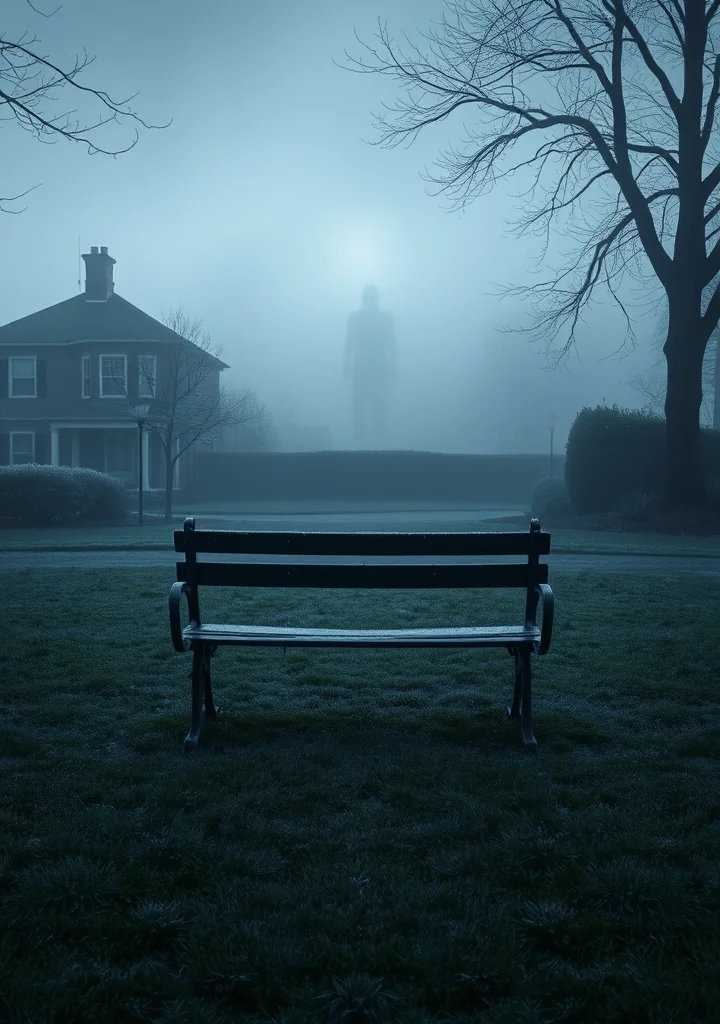
There’s a pervasive stillness to these pages, a humid weight that presses on your chest. Characters exist as ghosts in their own lives, haunted by routines that have become rituals of quiet desperation. The light is always fading, even at noon, casting long shadows that stretch and warp familiar landscapes into something alien and hungry.
Don't expect grand horrors; instead, anticipate the chill of a neighbor’s too-knowing smile, the unnerving precision of a perfectly manicured lawn, the echo of a child's laughter that doesn’t quite reach the ears. The real terror isn’t what happens *to* these people, but what they've already allowed to grow inside themselves, festering in the silence between the picket fences. A creeping claustrophobia, born of too much space, too much quiet, and too much unspoken fear. It’s the kind of darkness that doesn’t scream, but whispers until you’re convinced you’re hearing its voice in your own head.
Copyright: Public Domain
This license allows anyone to use your story for any purpose, including printing, selling, or adapting it into a film freely.
This license allows anyone to use your story for any purpose, including printing, selling, or adapting it into a film freely.
More like this