
-
Read 518
-
0
-
Part 36
Completed, First published Mar 02, 2026
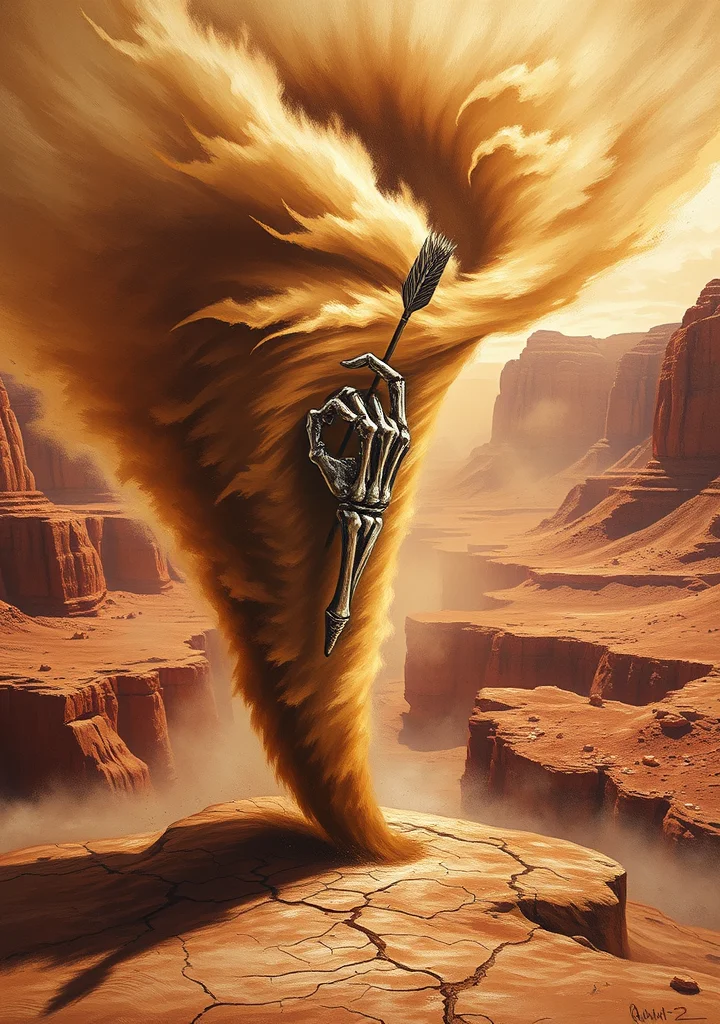
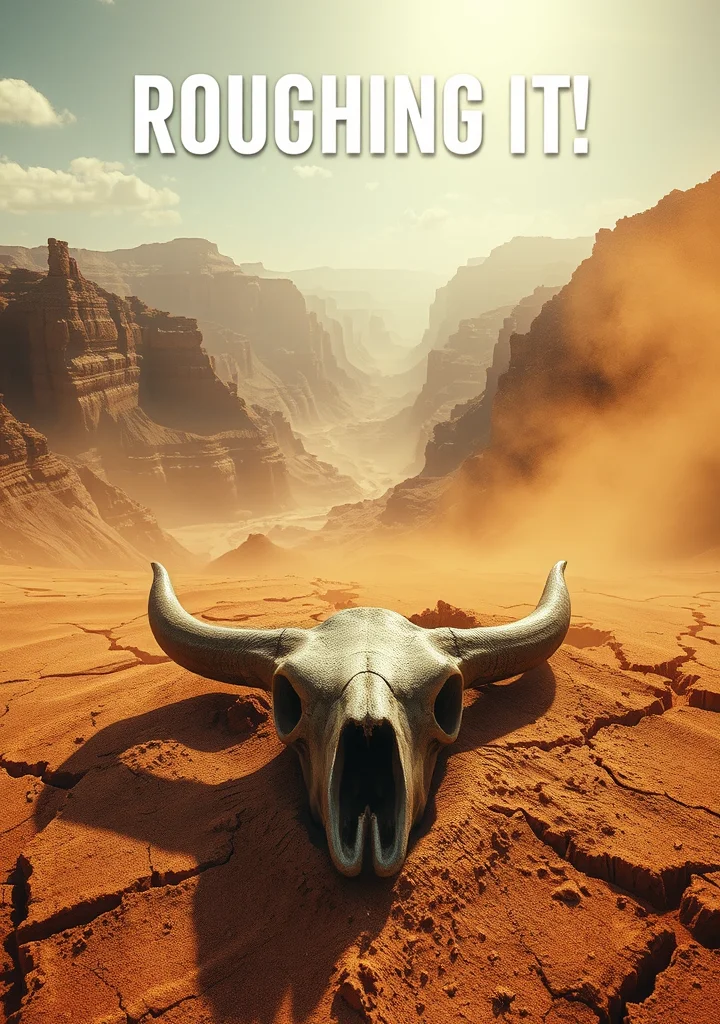
Dust devils dance across a sun-bleached horizon, mirroring the ghosts that haunt William Cody’s own restless stride. This is not the tale of a hero’s triumphant march, but a slow bleed of wilderness into memory, a haunting elegy for a disappearing West. The narrative clings to the skeletal remains of forgotten forts, the whispers of Cheyenne prayers carried on the prairie wind. Cody’s life unfolds not as legend, but as a creeping shadow lengthening across the plains, each buffalo slain a nail hammered into the coffin of a wilder world.
The scent of woodsmoke and gunpowder clings to every page, mingling with the acrid tang of regret. His triumphs feel less like victories and more like the desperate, echoing cries of a man chasing a phantom—a self built on the bones of the land itself. The narrative is a desolate expanse where the boundaries between hunter and hunted, savior and destroyer, blur into a single, spectral figure.
The air grows thick with the weight of what is lost, what is broken. It’s a story told in the hollows of canyons, the vacant stares of dying animals, the cold ache of a gunstock against a man’s hip. Even in the grandest spectacle, a pervasive loneliness seeps through, a premonition of the silence that will eventually claim even Buffalo Bill himself. This is a life measured not in years, but in the dwindling echoes of hoofbeats and the fading scent of buffalo on the wind.
Copyright: Public Domain
This license allows anyone to use your story for any purpose, including printing, selling, or adapting it into a film freely.
This license allows anyone to use your story for any purpose, including printing, selling, or adapting it into a film freely.
Chapter List
-
« The Life of Buffalo Bill »📖 Continue Reading
-
« Chapter_3 »
-
« Introductory »
-
« The Life of Buffalo Bill »
-
« I »
-
« II »
-
« III »
-
« IV »
-
« V »
-
« VI »
-
« VII »
-
« VIII »
-
« IX »
-
« X »
-
« XI »
-
« XII »
-
« XIII »
-
« XIV »
-
« XV »
-
« XVI »
-
« XVII »
-
« XVIII »
-
« XIX »
-
« XX »
-
« XXI »
-
« XXII »
-
« XXIII »
-
« XXIV »
-
« XXV »
-
« XXVI »
-
« XXVII »
-
« XXVIII »
-
« XXIX »
-
« XXX »
-
« XXXI »
-
« XXXII »
36
-
« The Life of Buffalo Bill »
-
« Chapter_3 »
-
« Introductory »
-
« The Life of Buffalo Bill »
-
« I »
-
« II »
-
« III »
-
« IV »
-
« V »
-
« VI »
-
« VII »
-
« VIII »
-
« IX »
-
« X »
-
« XI »
-
« XII »
-
« XIII »
-
« XIV »
-
« XV »
-
« XVI »
-
« XVII »
-
« XVIII »
-
« XIX »
-
« XX »
-
« XXI »
-
« XXII »
-
« XXIII »
-
« XXIV »
-
« XXV »
-
« XXVI »
-
« XXVII »
-
« XXVIII »
-
« XXIX »
-
« XXX »
-
« XXXI »
-
« XXXII »
More like this