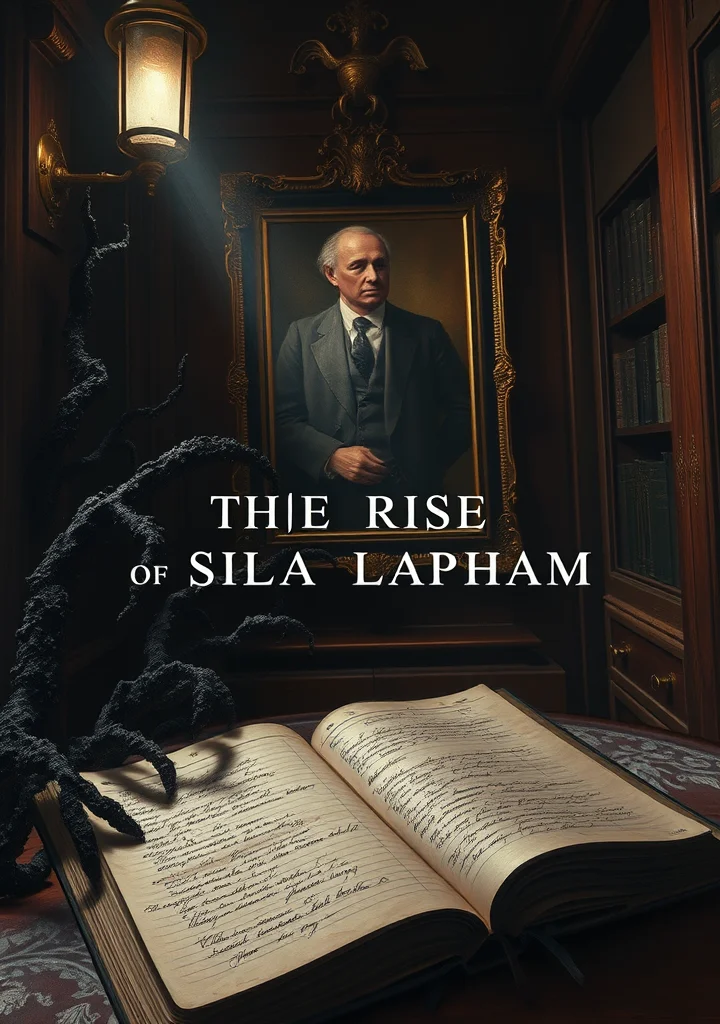

The Rise of Silas Lapham
  • 249
  • 0
  • 28
  • Reads 249
  • 0
  • Part 28
Completed, First published Mar 02, 2026

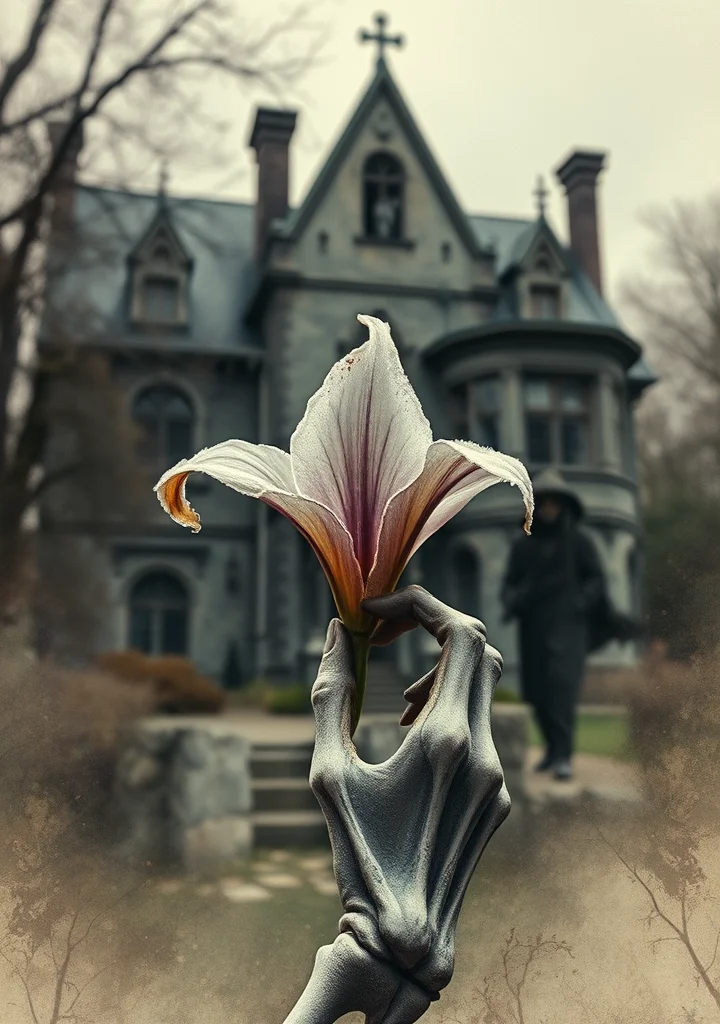
A creeping fog of respectability, laced with the rot of ambition. The story exhales from shadowed parlors and granite-hearted counting houses, where a self-made man, Silas Lapham, claws his way toward a gilded existence only to find it crumbling like dry-rot in his grasp. This isn’t a tale of outward horror, but one of the insidious decay within—a slow unraveling of a carefully constructed façade. The chill isn’t from winter winds, but the icy distance between those who possess and those who merely observe. Each transaction, each carefully worded agreement, feels weighted with a suffocating silence, the unspoken anxieties of a class ascending and forever haunted by the memory of its origins. The narrative clings to the corners of polite society, where the true darkness festers beneath the veneer of virtue, and a single misstep can send a family tumbling into the abyss of lost fortunes and broken trust. It's a haunting study in the weight of inherited lies, and the suffocating claustrophobia of a life built on a foundation of brittle pride. The scent of varnish and aging leather hangs heavy in the air, mirroring the stifled secrets that choke the very lives of those who inhabit this world.
Copyright: Public Domain
This license allows anyone to use your story for any purpose, including printing, selling, or adapting it into a film freely.
Recommended for you
21 Part
Dust motes dance in the perpetual twilight of the Egyptian desert, mirroring the fractured memories of Dr. Elias Thorne. He arrives at the crumbling estate of Lord Ashworth, summoned to authenticate a relic – the Eye of Osiris, a gem said to gaze into the soul’s decay. But the manor breathes with a history of madness, its stone corridors echoing with whispers of a lineage cursed by obsession. Each room, a suffocating tableau of shadowed portraits and decaying grandeur, seems to watch Thorne as he unravels the Ashworths’ descent into a morbid fascination with the artifact. The desert wind carries not only sand, but the scent of ancient grief, seeping from the very foundations of the house. Thorne’s investigation is less a search for authenticity, and more a slow immersion into a suffocating dread. He finds himself haunted by reflections, by the unsettling stillness of servants who bear the hollowed eyes of those possessed. The Eye isn’t merely observed, it *compels* – feeding on the fragile sanity of its keepers, revealing glimpses of a forgotten god’s hunger. As Thorne delves deeper, the line between artifact and curse blurs. The estate itself becomes a labyrinth of shifting allegiances, of shadowed figures who seem to emerge from the very walls. He discovers a rot within the Ashworth bloodline, a ritualistic madness enacted under the gaze of the gem. The desert’s sun bleeds into the stained glass of the manor’s chapel, painting the stone floors with crimson, and Thorne realizes he isn’t merely cataloging a relic’s history, but charting his own descent into a darkness older than the sands themselves. The Eye doesn’t just see *into* the soul; it consumes it, leaving only echoes in the endless, echoing halls.
13 Part
A suffocating dread clings to the stone of Calvary, not of Christ’s ascent, but of a family’s descent into inherited madness. The chateau breathes with the rot of generations, each gilded room echoing with the ghosts of ambition and decay. Here, the de Juvigny lineage festers, consumed by a legacy of brutal land-grabbing, military glory bought with the lives of men, and a morbid obsession with lineage that curdles into a grotesque parody of piety. The air is thick with the scent of damp earth, decaying flowers, and the bitter tang of arsenic, whispered to be the family’s favored tonic. Shadows dance in the crumbling corridors, mirroring the unraveling sanity of the patriarch, a man carved from granite and haunted by the phantom victories of his father. His sons, twisted reflections of his own brutal ambition, circle like carrion birds, each desperate to claim the crumbling estate as their own. A suffocating claustrophobia grips the reader as the narrative burrows deeper into the poisoned roots of the de Juvigny bloodline. The very walls seem to weep with the weight of unspeakable deeds. It is a world where beauty is a fragile veneer masking a core of rot, where devotion is a suffocating ritual, and where the soil itself is stained crimson with the secrets of a dynasty’s savage hunger. The narrative doesn't merely unfold; it *bleeds* into the reader's consciousness, leaving behind a residue of cold stone, whispered curses, and the chilling realization that Calvary is not a place of redemption, but a monument to the enduring power of darkness.
54 Part
A creeping fog clings to the cathedral spires of Barchester, mirroring the insidious tendrils of ambition and deceit that tighten around the lives within its ancient walls. The air hangs heavy with the scent of damp stone and decaying gentility, a perfume of hushed scandal and simmering resentments. Here, amidst the shadowed cloisters and echoing halls, a web of delicate, yet poisonous, social machinations unfolds. Miss Eleanor Bold, adrift in a sea of inherited wealth and uncertain affections, finds herself a pale moth drawn to the flickering flames of power held by the ambitious and calculating Reverend Mr. Slope. But Barchester is a place where smiles are brittle as frost, and piety masks a hunger for advancement. Each stolen glance, each murmured secret, is weighted with the burden of expectation and the threat of ruin. The very stones seem to listen, absorbing the whispers of gossip and the slow, agonizing unraveling of reputations. A sense of claustrophobia permeates the narrative, not of physical confinement, but of the suffocating weight of convention. The story unfolds like a slow bloom of mildew, spreading across the polished surfaces of respectability, revealing the rot beneath. It is a world where the slightest transgression casts a long, chilling shadow, and where the pursuit of a comfortable life can lead one down corridors of unbearable loneliness and regret. The shadows lengthen as the novel progresses, obscuring the true motives of the characters, leaving only the hollow echo of their desires in the cavernous silence of Barchester Cathedral.
11 Part
Dust motes dance in the perpetual twilight of Umbria, clinging to the crumbling facades of villas haunted by regret. A stifling heat hangs over the sun-baked earth, mirroring the simmering tensions within the Anglo-Italian community of Monteriano. The air itself seems thick with unspoken desires and the scent of decaying jasmine. Here, amidst olive groves and ancient stone, a quiet, provincial life is shattered by the intrusion of a passionate, forbidden love—a love born from an impulsive act, and nurtured in the suffocating confines of a marriage built on propriety. The story unfolds not as a burst of scandal, but as a slow, creeping dread. The Italian landscape isn't merely a backdrop, but a suffocating presence, mirroring the characters’ internal struggles. A sense of claustrophobia permeates every encounter, every glance exchanged. The narrative is woven with the weight of inherited social codes, the stifling formality of Victorian manners colliding with the raw, untamed passions of the Italian countryside. It is a story of lives irrevocably altered by a single, reckless decision—a decision that unveils the hidden vulnerabilities beneath the veneer of respectability, and reveals how even the most carefully constructed worlds can crumble under the weight of unspoken truths and the shadows of a shared, desperate secret. The narrative lingers in the shadows, leaving you with a lingering sense of unease, as if the dust of Monteriano has settled on your own skin.