
The Enchanted April
  • 178
  • 0
  • 23
  • Reads 178
  • 0
  • Part 23
Completed, First published Mar 02, 2026

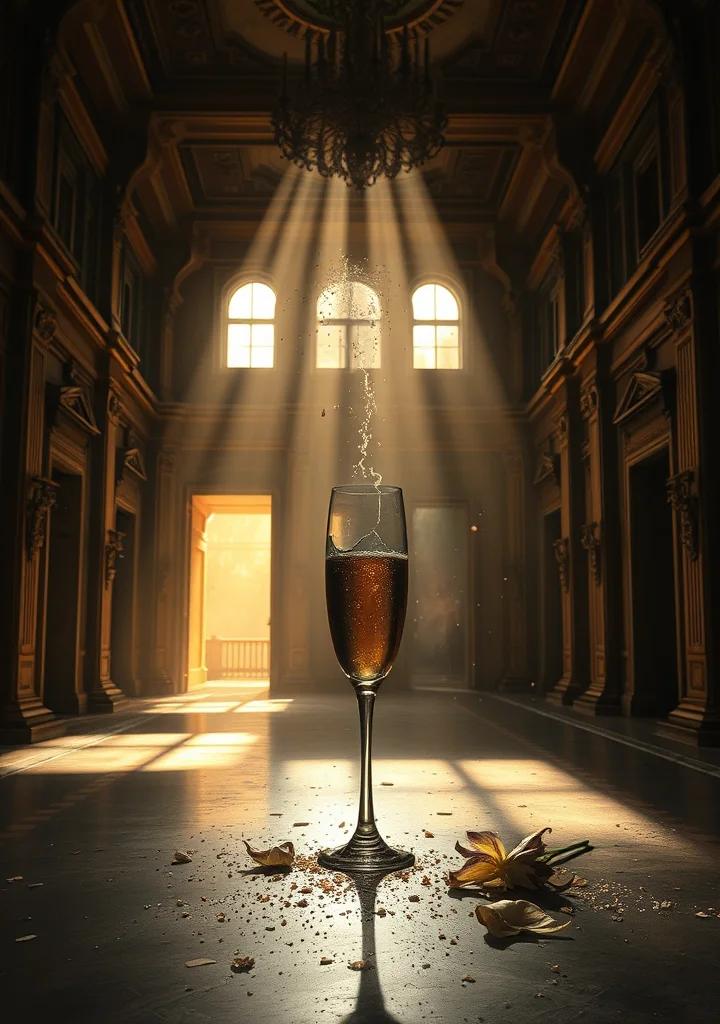
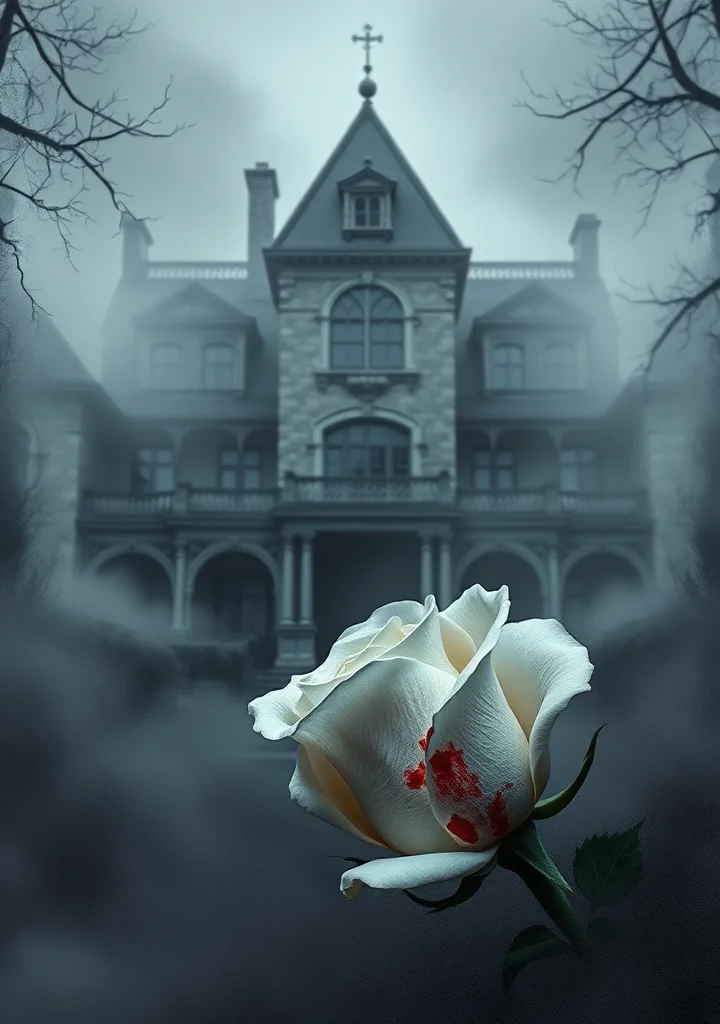
A creeping damp clings to the Italian villa, mirroring the melancholic bloom within its stone walls. Sunlight fractures through overgrown wisteria, illuminating dust motes dancing in rooms haunted by the ghosts of past summers and forgotten desires. Four women, each shadowed by a stifling grief or a brittle discontent, arrive seeking respite, only to find themselves unraveling in the slow, seductive embrace of the Tuscan countryside. The air hums with the scent of jasmine and decay, a subtle poison that loosens tongues and stirs long-buried affections. Stone corridors echo with whispered confessions, the garden a labyrinth of blossoming thorns where secrets twist and intertwine. A fragile, sun-drenched beauty masks a simmering tension, a quiet unraveling of polite facades as the villa’s ancient magic draws forth truths—and vulnerabilities—from each hesitant heart. The scent of lemons and the weight of cicadas become the harbingers of a blossoming, dangerous liberation, where the shadows of the past threaten to consume them all. It is a slow blossoming of the soul, but rooted in the chill of loneliness and the scent of a decay that threatens to bloom within the very hearts of these women.
Copyright: Public Domain
This license allows anyone to use your story for any purpose, including printing, selling, or adapting it into a film freely.
Recommended for you
33 Part
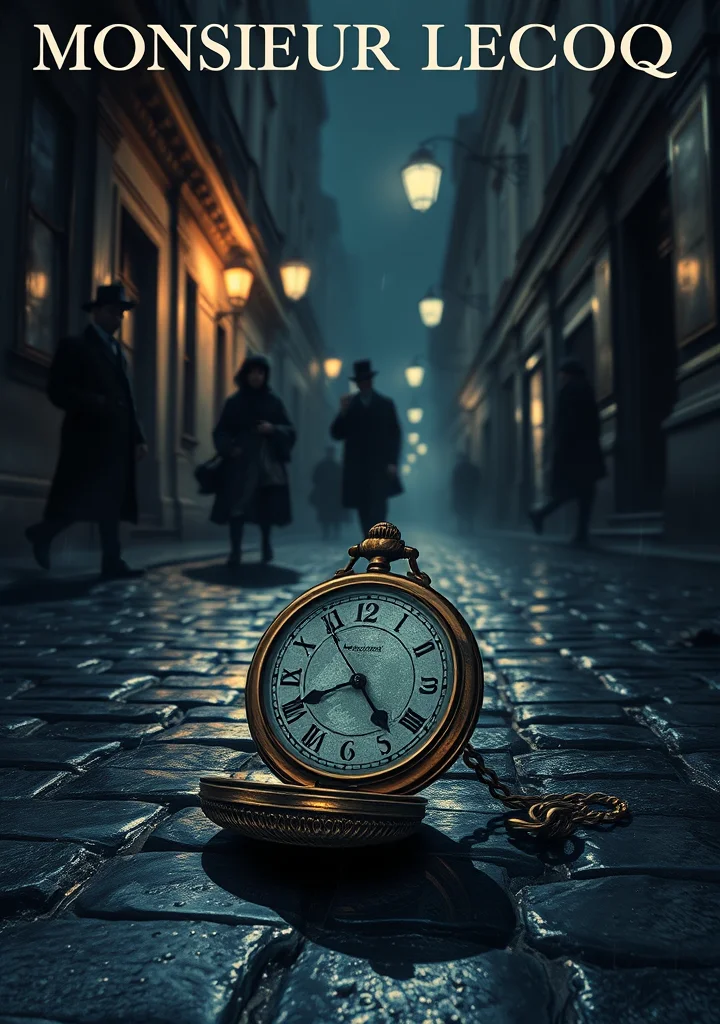
A creeping dread descends from the Parisian rooftops, clinging to the gaslit alleys like a phantom’s breath. Fantômas is not merely a criminal, but a negation—a void carved into the heart of the city, reflecting back its deepest fears. The narrative coils around a relentless pursuit, a dance between law and shadow where the hunter becomes the hunted, and the line between reality and nightmare dissolves with each stolen jewel and whispered accusation. The atmosphere is one of suffocating elegance, a world of opulent salons and labyrinthine sewers, all shadowed by the looming specter of a man who *isn’t* a man. Every act of defiance, every audacious theft, is performed with a theatrical flourish, leaving behind not evidence, but an unsettling echo of impossible physics. The story bleeds into a fever dream of disguises, identities fracturing under the weight of obsession. A relentless, suffocating paranoia permeates every page. The reader is drawn into a vortex of shifting loyalties, where even the most trusted allies harbor the scent of decay. The true horror isn’t what Fantômas *does*, but the unsettling realization that he embodies the chaos lurking beneath the veneer of order, a darkness that threatens to consume the very foundations of civilization. It is a chase not for a criminal, but for the reflection of a city’s soul, and the chase will leave you breathless, haunted by the certainty that Fantômas is always already *everywhere*.
27 Part
A creeping dread clings to the emerald shadows of the jungle, a suffocating humidity that mirrors the suffocating weight of forgotten histories. Burroughs doesn’t merely return Tarzan to his primal kingdom, he delivers him back to a fractured, decaying Eden haunted by the ghosts of his own making. This is not the triumphant lord of the apes we recall, but a man shadowed by loss, driven by a desperate unraveling of alliances both human and bestial. The air hangs thick with the scent of rot and the whisper of ancient, vengeful gods. The narrative bleeds into a fever dream of betrayal amongst the tribes, where the lines between hunter and hunted blur into a crimson smear across the landscape. A malignant presence – a subtle, insidious corruption – festers within the very heart of the jungle, twisting familiar faces into masks of savage intent. The return isn’t a homecoming, it’s an intrusion, a violation of a balance poised on the precipice of collapse. Sun-drenched clearings give way to suffocating, vine-choked ravines, mirroring the descent into the protagonist’s own fractured psyche. Every rustle of leaves, every guttural cry from the depths of the forest, carries the echo of a past that refuses to remain buried. This is a jungle steeped in the residue of violence, where even the most primal instincts are tainted by a creeping, unspoken despair. It is a return not to paradise, but to a tomb of shattered expectations, where Tarzan must confront not just his enemies, but the hollowed-out shell of the man he once was.
34 Part
A creeping dampness clings to the shadowed corners of the Winslow household, a chill not of the season but of a grief-worn legacy. The very stones seem to exhale sorrow with each rustle of the overgrown gardens. Pollyanna, a fragile bloom thrust into this withered estate, doesn’t merely enter, but *infests* the space with a light that feels less divine and more… insistent. It’s a warmth that doesn’t thaw, but *reveals* what was always lurking beneath the frost: the brittle bones of forgotten resentments, the choked whispers of lost hopes. Her ‘Glad Game’ isn’t joy, but an excavation. Each forced optimism feels like a splintering of something ancient and unyielding within the walls. The house itself becomes a labyrinth of unearthed wounds, each room a mausoleum holding a fragment of the Winslows’ decaying souls. The scent of potpourri and beeswax isn’t sweetness, but the cloying perfume of decay masked with desperate floral pleas. The shadows lengthen with each perceived blessing, twisting into shapes of accusation and regret. Even the children, pale moths drawn to Pollyanna’s flame, carry the weight of generations trapped within the Winslow’s suffocating embrace. It isn’t a story of finding happiness, but of witnessing a slow, beautiful unraveling, as Pollyanna doesn't heal the house, but *becomes* its haunting echo. The final revelation isn't of joy found, but of the monstrous, beautiful thing that blooms in the darkness when hope is stretched too thin.