
-
Read 399
-
0
-
Part 21
Completed, First published Mar 02, 2026
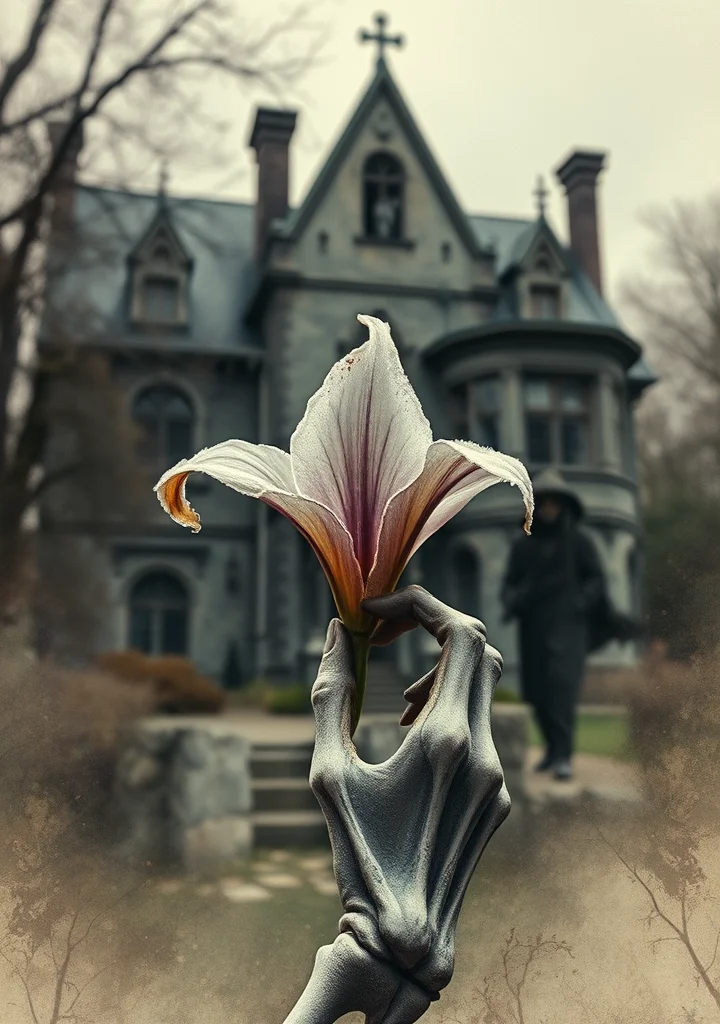
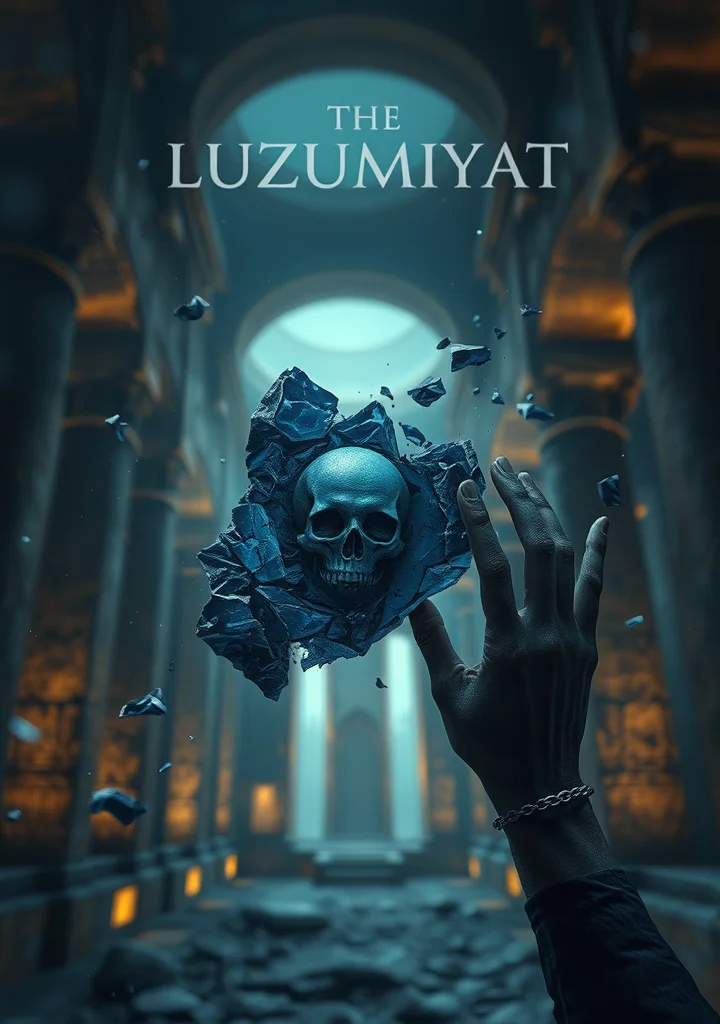
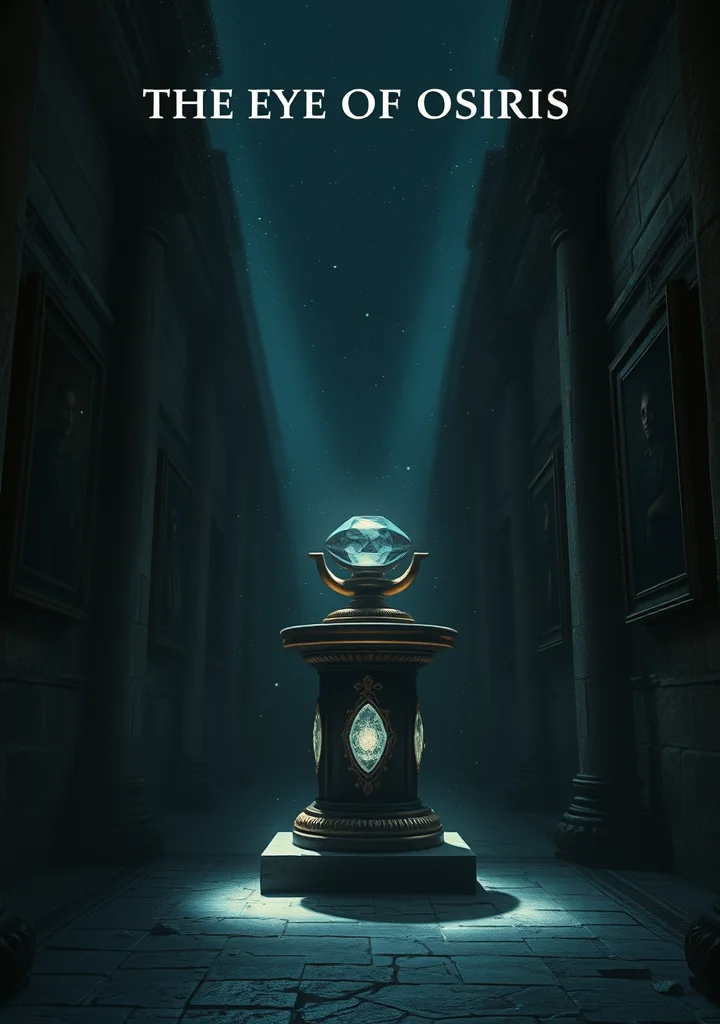
Dust motes dance in the perpetual twilight of the Egyptian desert, mirroring the fractured memories of Dr. Elias Thorne. He arrives at the crumbling estate of Lord Ashworth, summoned to authenticate a relic – the Eye of Osiris, a gem said to gaze into the soul’s decay. But the manor breathes with a history of madness, its stone corridors echoing with whispers of a lineage cursed by obsession. Each room, a suffocating tableau of shadowed portraits and decaying grandeur, seems to watch Thorne as he unravels the Ashworths’ descent into a morbid fascination with the artifact.
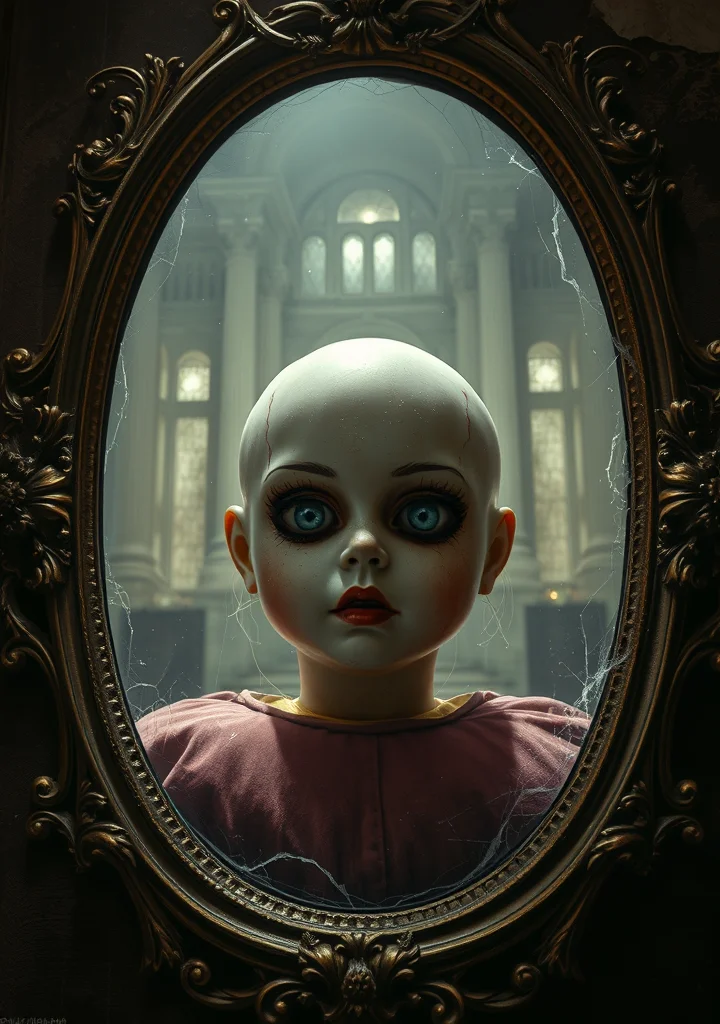
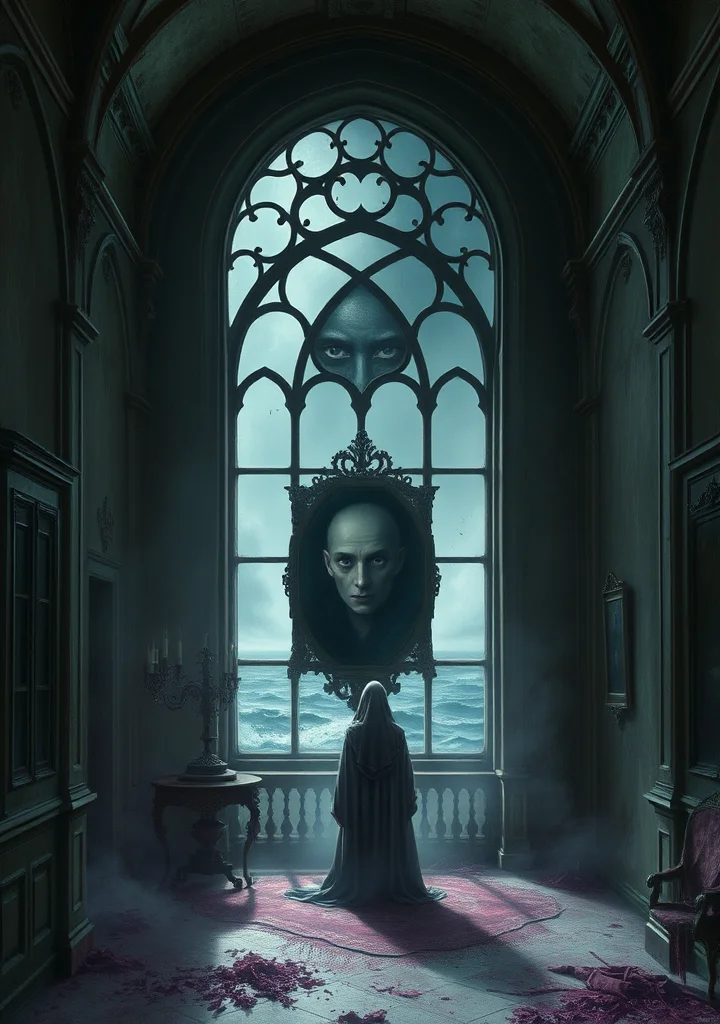
The desert wind carries not only sand, but the scent of ancient grief, seeping from the very foundations of the house. Thorne’s investigation is less a search for authenticity, and more a slow immersion into a suffocating dread. He finds himself haunted by reflections, by the unsettling stillness of servants who bear the hollowed eyes of those possessed. The Eye isn’t merely observed, it *compels* – feeding on the fragile sanity of its keepers, revealing glimpses of a forgotten god’s hunger.
As Thorne delves deeper, the line between artifact and curse blurs. The estate itself becomes a labyrinth of shifting allegiances, of shadowed figures who seem to emerge from the very walls. He discovers a rot within the Ashworth bloodline, a ritualistic madness enacted under the gaze of the gem. The desert’s sun bleeds into the stained glass of the manor’s chapel, painting the stone floors with crimson, and Thorne realizes he isn’t merely cataloging a relic’s history, but charting his own descent into a darkness older than the sands themselves. The Eye doesn’t just see *into* the soul; it consumes it, leaving only echoes in the endless, echoing halls.
Copyright: Public Domain
This license allows anyone to use your story for any purpose, including printing, selling, or adapting it into a film freely.
This license allows anyone to use your story for any purpose, including printing, selling, or adapting it into a film freely.
More like this