
-
Read 524
-
0
-
Part 44
Completed, First published Mar 02, 2026
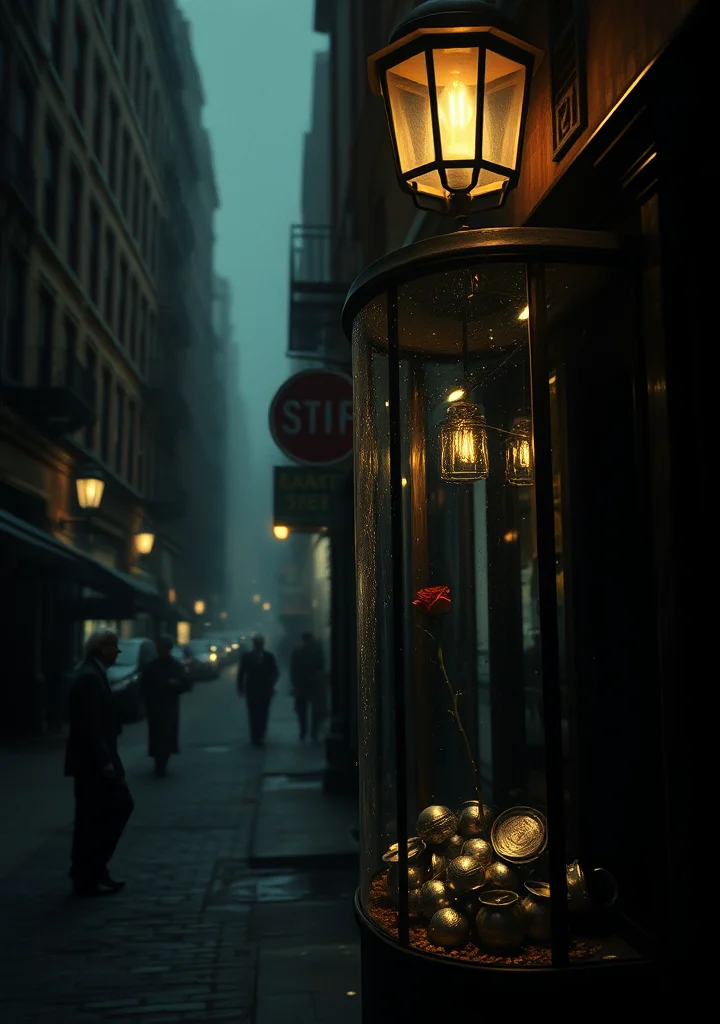
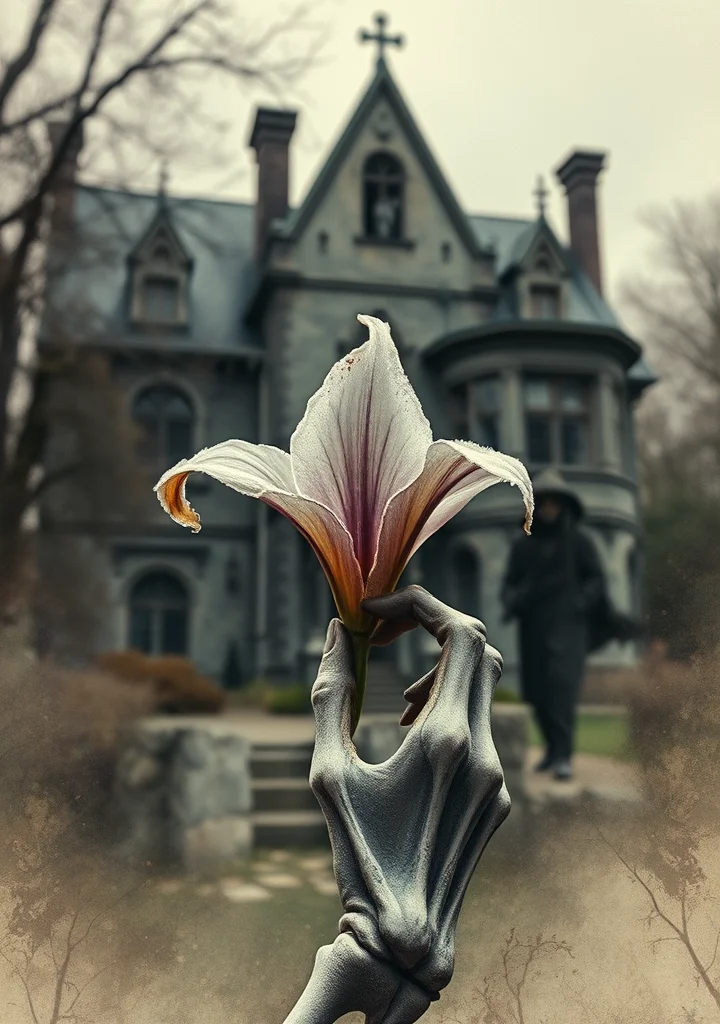
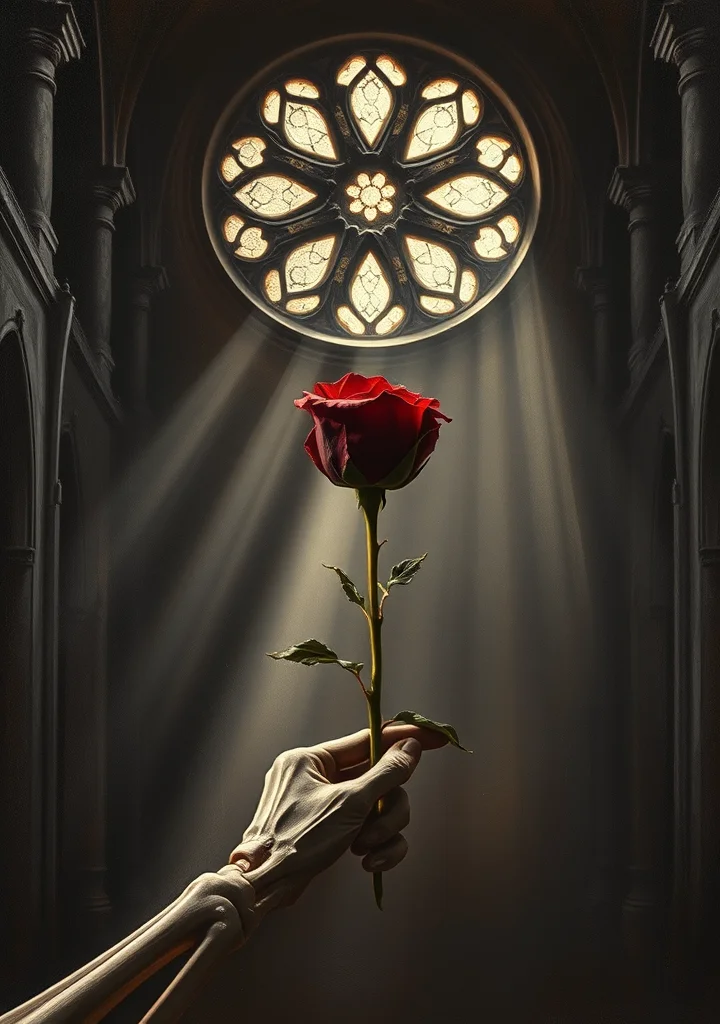
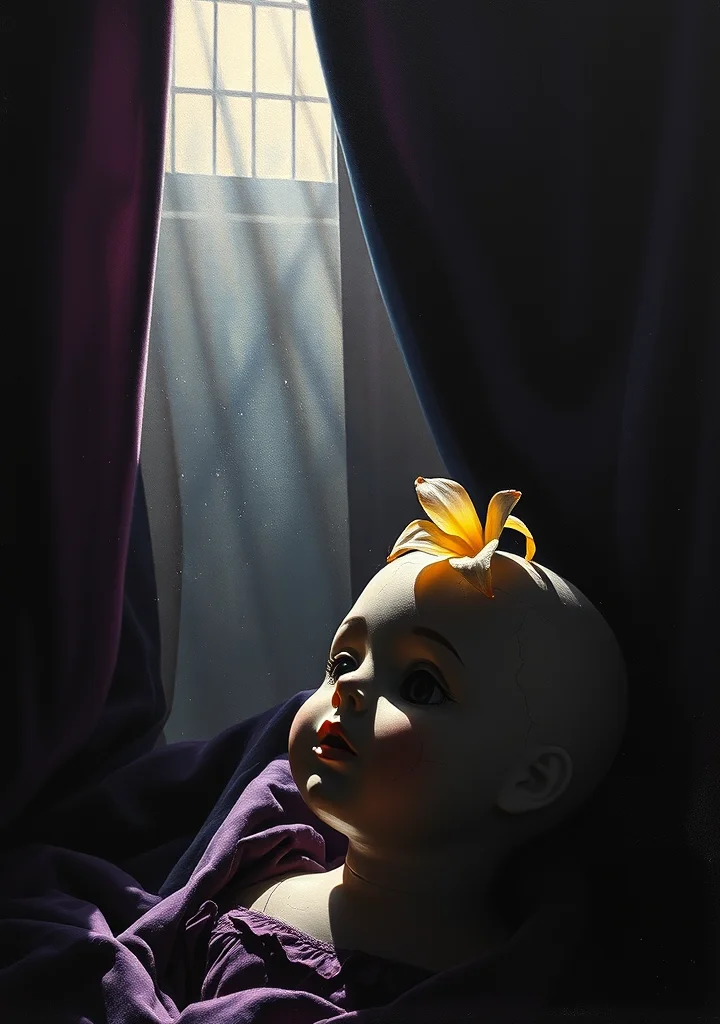
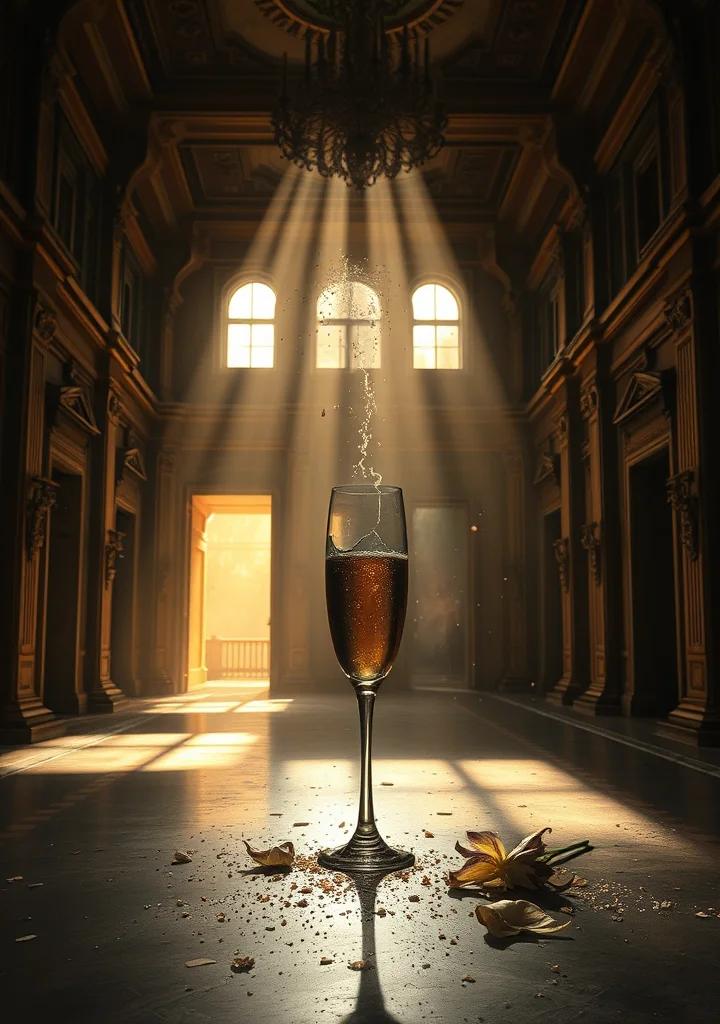
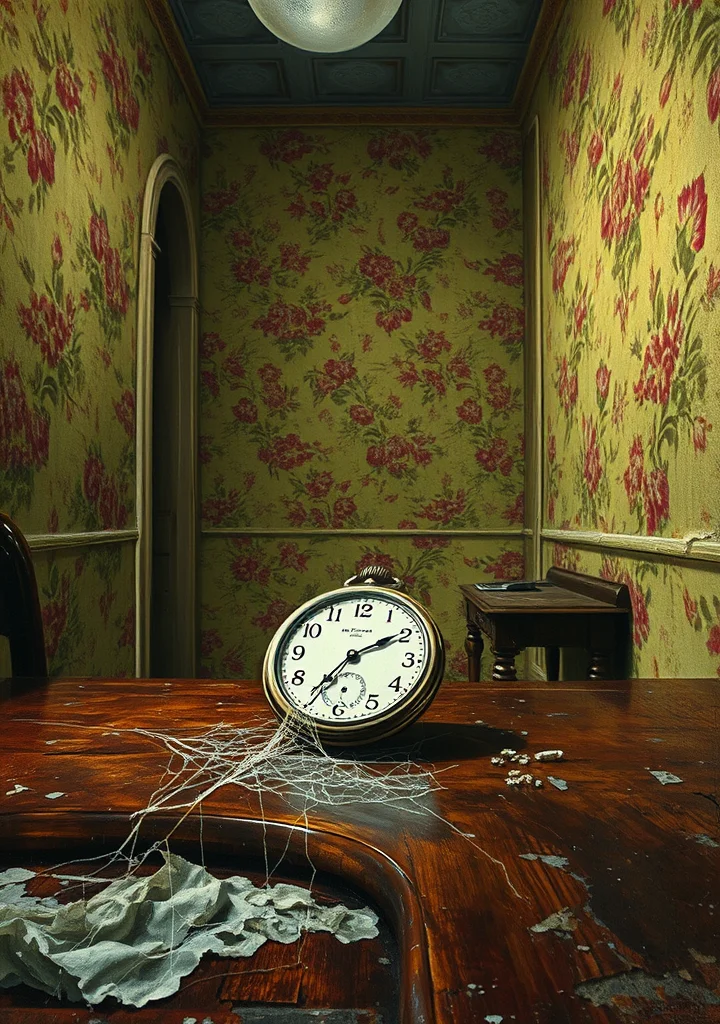
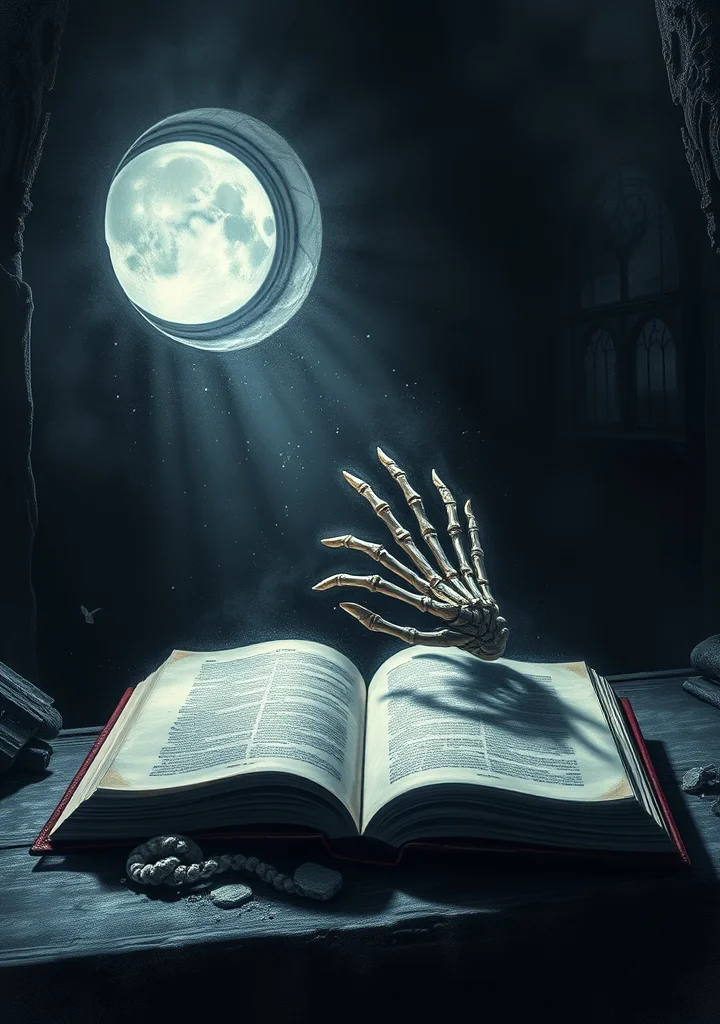
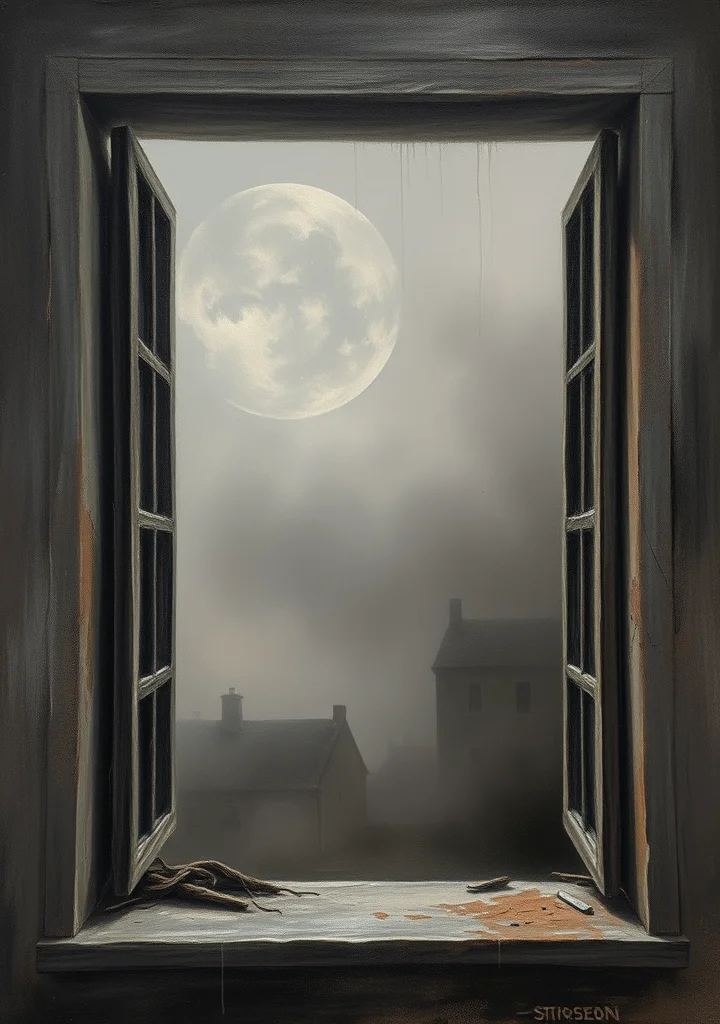
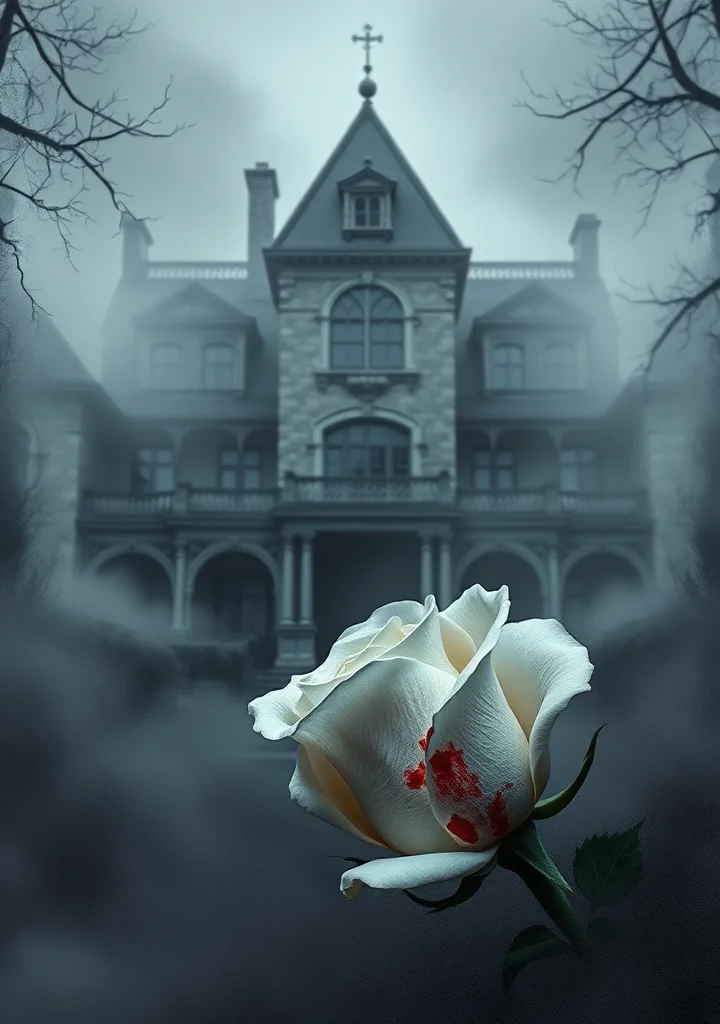
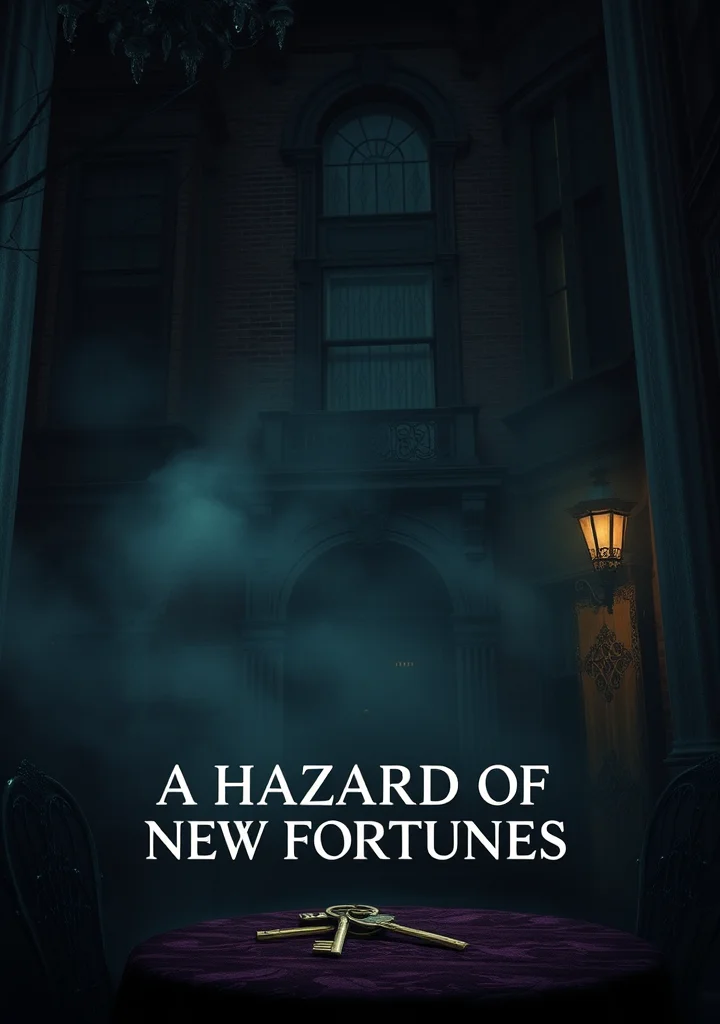
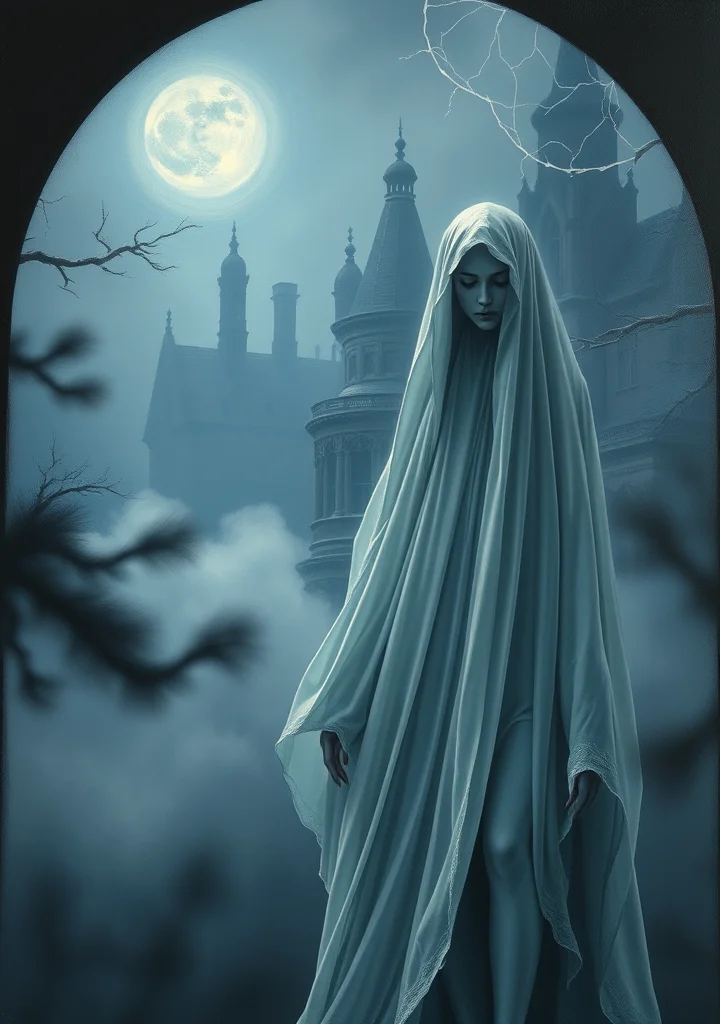
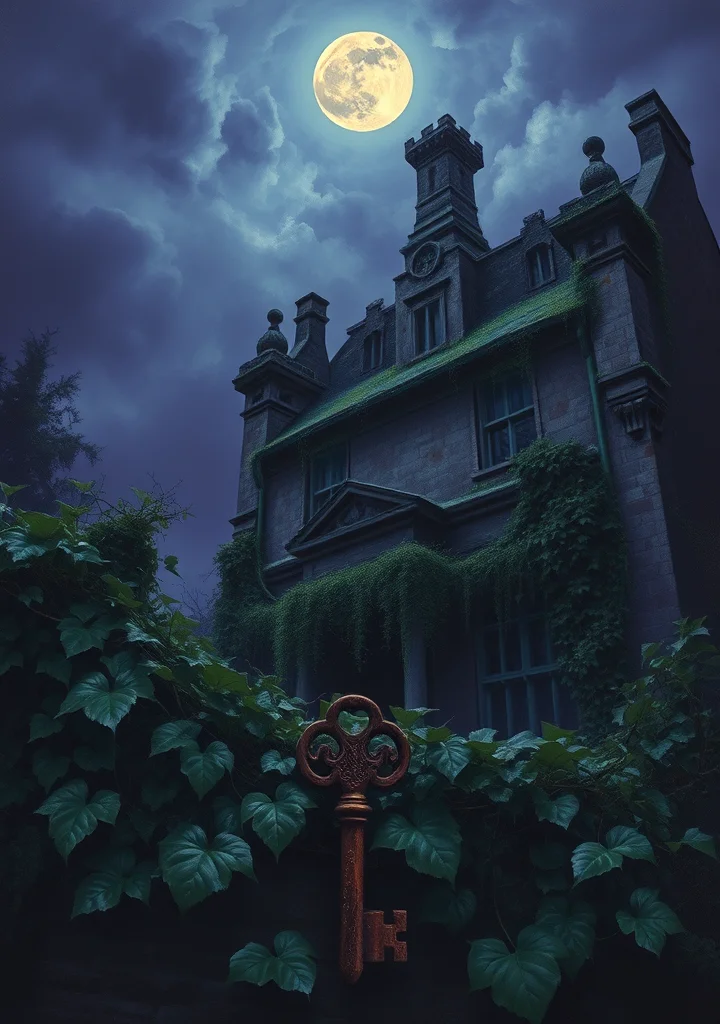
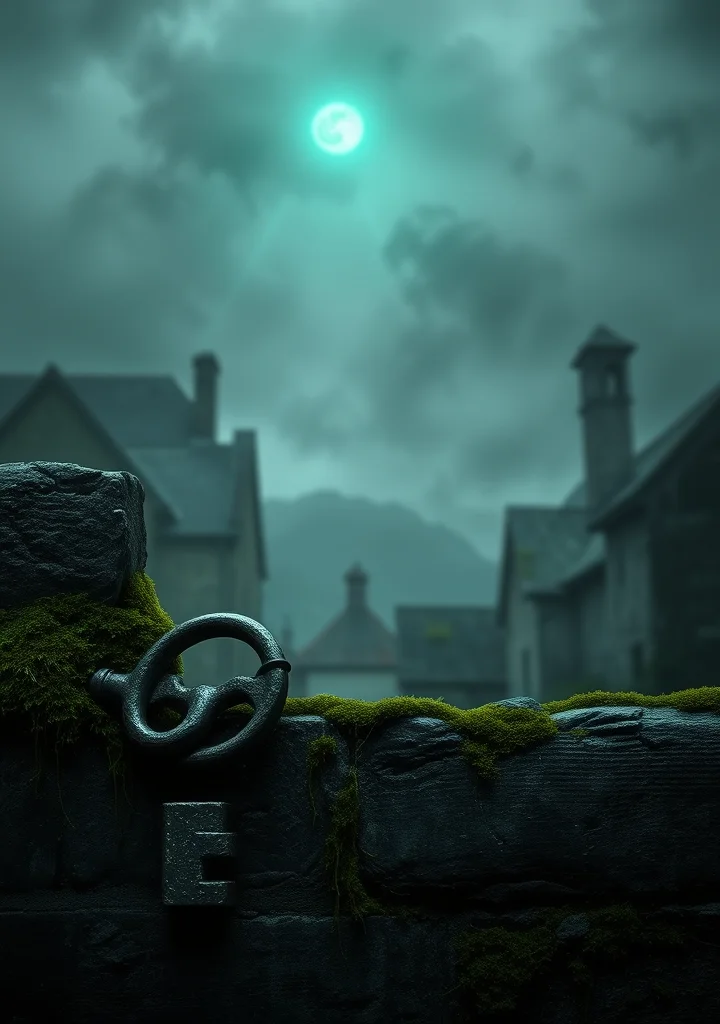
A creeping dread clings to the stone of Salem Chapel, a village steeped in the grey residue of forgotten sins. The narrative unfolds not with a rush of horror, but a slow, insidious bleed of unease. Here, amongst the damp-stained brick and shadowed doorways, a suffocating piety masks a rot of long-held resentments. Each character is a brittle shard of the same fractured faith, their lives interwoven with a suffocating possessiveness that chokes the very air.
The chapel itself is less a sanctuary than a mausoleum for the living, its cold, echoing spaces reflecting the glacial isolation of its inhabitants. A claustrophobic sense of inevitability pervades; a sense that the past—the secrets buried within Salem Chapel’s foundations—will inevitably claim those caught within its orbit. The scent of decay—both spiritual and material—is ever-present, clinging to the worn velvet of prayer books and the mildewed stone of the graveyard.
The true terror lies not in spectral apparitions, but in the stifling weight of social constraint and the slow unraveling of sanity under the gaze of a community that judges with the silent, suffocating power of stone. It is a world where whispers hold more weight than screams, and the darkness festers not in the shadows, but within the hearts of those who call Salem Chapel home.
Copyright: Public Domain
This license allows anyone to use your story for any purpose, including printing, selling, or adapting it into a film freely.
This license allows anyone to use your story for any purpose, including printing, selling, or adapting it into a film freely.
Chapter List
-
« Salem Chapel »📖 Continue Reading
-
« I »
-
« II »
-
« III »
-
« IV »
-
« V »
-
« VI »
-
« VII »
-
« VIII »
-
« IX »
-
« X »
-
« XI »
-
« XII »
-
« XIII »
-
« XIV »
-
« XV »
-
« XVI »
-
« XVII »
-
« XVIII »
-
« XIX »
-
« XX »
-
« XXI »
-
« XXII »
-
« XXIII »
-
« XXIV »
-
« XXV »
-
« XXVI »
-
« XXVII »
-
« XXVIII »
-
« XXIX »
-
« XXX »
-
« XXXI »
-
« XXXII »
-
« XXXIII »
-
« XXXIV »
-
« XXXV »
-
« XXXVI »
-
« XXXVII »
-
« XXXVIII »
-
« XXXIX »
-
« XL »
-
« XLI »
-
« XLII »
-
« XLIII »
44
-
« Salem Chapel »
-
« I »
-
« II »
-
« III »
-
« IV »
-
« V »
-
« VI »
-
« VII »
-
« VIII »
-
« IX »
-
« X »
-
« XI »
-
« XII »
-
« XIII »
-
« XIV »
-
« XV »
-
« XVI »
-
« XVII »
-
« XVIII »
-
« XIX »
-
« XX »
-
« XXI »
-
« XXII »
-
« XXIII »
-
« XXIV »
-
« XXV »
-
« XXVI »
-
« XXVII »
-
« XXVIII »
-
« XXIX »
-
« XXX »
-
« XXXI »
-
« XXXII »
-
« XXXIII »
-
« XXXIV »
-
« XXXV »
-
« XXXVI »
-
« XXXVII »
-
« XXXVIII »
-
« XXXIX »
-
« XL »
-
« XLI »
-
« XLII »
-
« XLIII »
More like this