
Mutual Aid
  • 161
  • 0
  • 26
  • Reads 161
  • 0
  • Part 26
Completed, First published Mar 02, 2026

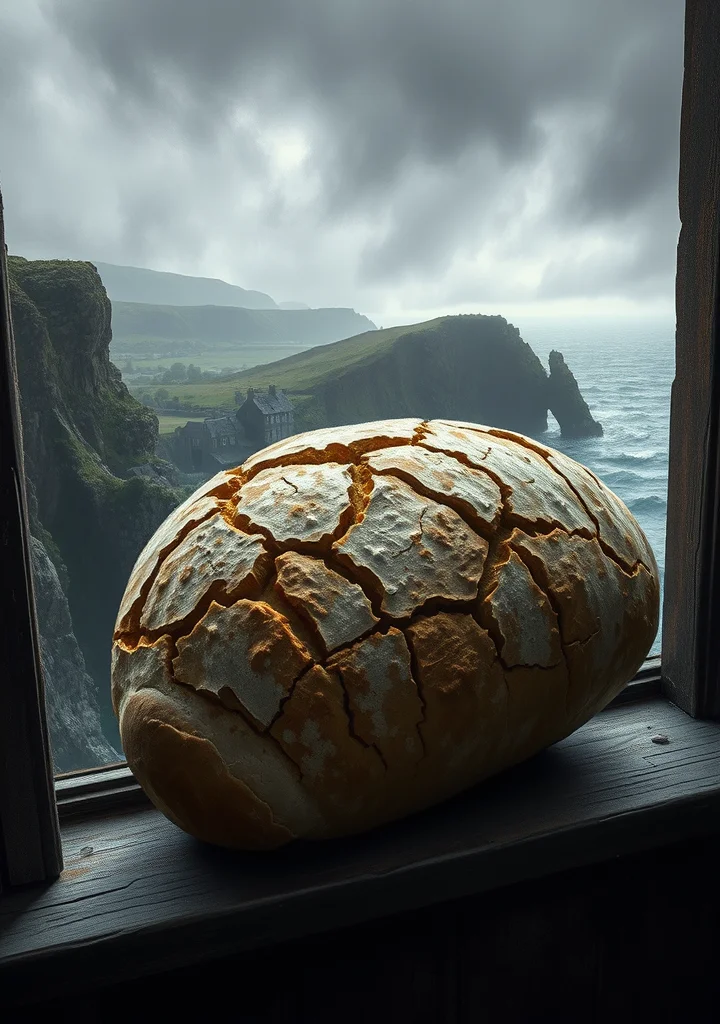
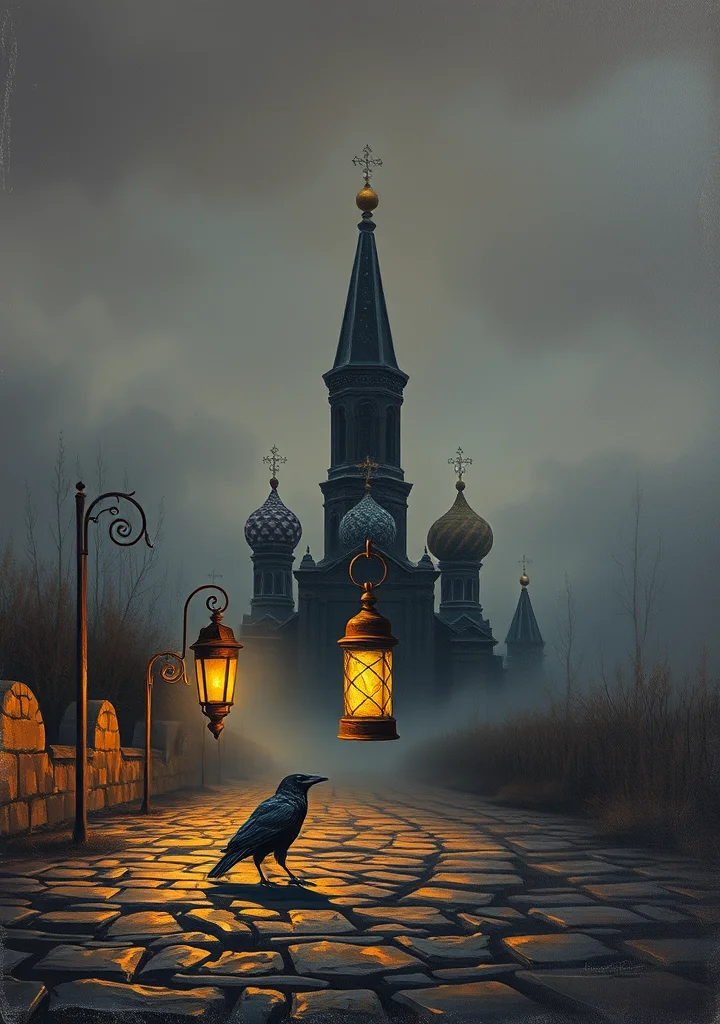
The chill of forgotten snows clings to these pages, a creeping frost that seeps not from the ink, but from the very marrow of existence. Kropotkin doesn’t offer warmth, but a stark, skeletal architecture of survival, built not on charity, but on the desperate, interwoven needs of creatures huddled against a boundless winter. It is a landscape of raven’s wings and burrowed roots, where cooperation isn’t kindness, but the last, shuddering breath before oblivion. Each account feels less like observation and more like unearthed bone fragments, pieced together from the echoing darkness of a crumbling world. The prose itself is a brittle thing, crackling with the tension of stretched resources and the shadowed pacts forged in the face of annihilation. A creeping dread permeates every observation, a sense of being watched by eyes that have seen too much loss, and know that even the smallest kindness is a transaction made with the devil of necessity. The air within these pages is thin, carrying the scent of decay and the faint, metallic tang of blood – not from violence, but from the sheer, agonizing effort of clinging to life in a world determined to let you go. It’s a study in shadows, where the light flickers only to reveal the monstrous shapes lurking just beyond reach, and where the whispers of mutual dependence are the only bulwark against the howling void.
Copyright: Public Domain
This license allows anyone to use your story for any purpose, including printing, selling, or adapting it into a film freely.

Recommended for you
33 Part
Dust motes dance in the perpetual twilight of a decaying Italianate palazzo, mirroring the spectral ambitions of the self-styled Emperor Hadrian. A fever-dream of aesthetic obsession, the novel unfolds through the brittle correspondence of a man consumed by a vision of restored glory—a baroque, melancholic Rome resurrected through his own meticulously curated existence. Each letter breathes the scent of incense and decay, of crumbling marble and the stifled sighs of a servitude born of artistic vanity. The air hangs thick with regret, with the weight of unfulfilled desire, and the gnawing loneliness of a man who has built his empire on the shifting sands of delusion. A creeping dread permeates the narrative, not of overt horror, but of a slow, exquisite unraveling. The palazzo itself becomes a character—a suffocating labyrinth of shadowed galleries and forgotten chambers, reflecting the labyrinth of Hadrian’s own mind. He is both architect and prisoner, a gilded cage of his own making. The prose, brittle and mannered, mimics the fragility of the objects he collects—antique reliquaries, faded tapestries, and the hollowed-out faces of those who attend his spectral court. A sense of stifled violence lingers beneath the surface, the unspoken price of beauty, the rot hidden within the gilded frame. The story is not one of grand spectacle, but of insidious decay, a slow, elegant poisoning of the soul. It is a whisper of madness, echoing through the empty corridors of a life spent chasing shadows.
75 Part
Dust motes dance in perpetual twilight within the rambling, suffocating confines of the Old Curiosity Shop, a place where time itself seems to fray at the edges. The air hangs thick with the scent of decay and forgotten dreams, clinging to the warped timbers and shadowed corners. A suffocating weight of secrets presses down, mirroring the burden carried by little Nell, a fragile bloom wilting under the gaze of avarice. The shop’s labyrinthine depths swallow light, revealing glimpses of grotesque relics—grimacing masks, tarnished silver, and the hollow eyes of forgotten dolls—each a silent witness to generations of loss. A creeping dread seeps from the very stones, fueled by the malevolent presence of Quilp, a creature born of spite and fueled by cruelty. The narrative unfolds not as a journey, but as a descent, spiraling deeper into a labyrinth of shadowed alleys and decaying grandeur. London itself breathes with a feverish pulse, a city of echoing footfalls and whispered conspiracies. Every encounter is veiled in ambiguity, every kindness shadowed by the looming threat of betrayal. The oppressive atmosphere is less a setting, and more a character—a suffocating entity that threatens to consume Nell and all she holds dear within its suffocating embrace. The antique objects are not merely curiosities, but fragments of fractured souls, each holding a piece of the shop’s decaying history. It is a world where innocence is a fragile currency, and darkness preys on the edges of hope.