
Vikram and the Vampire
  • 151
  • 0
  • 19
  • Reads 151
  • 0
  • Part 19
Completed, First published Mar 02, 2026

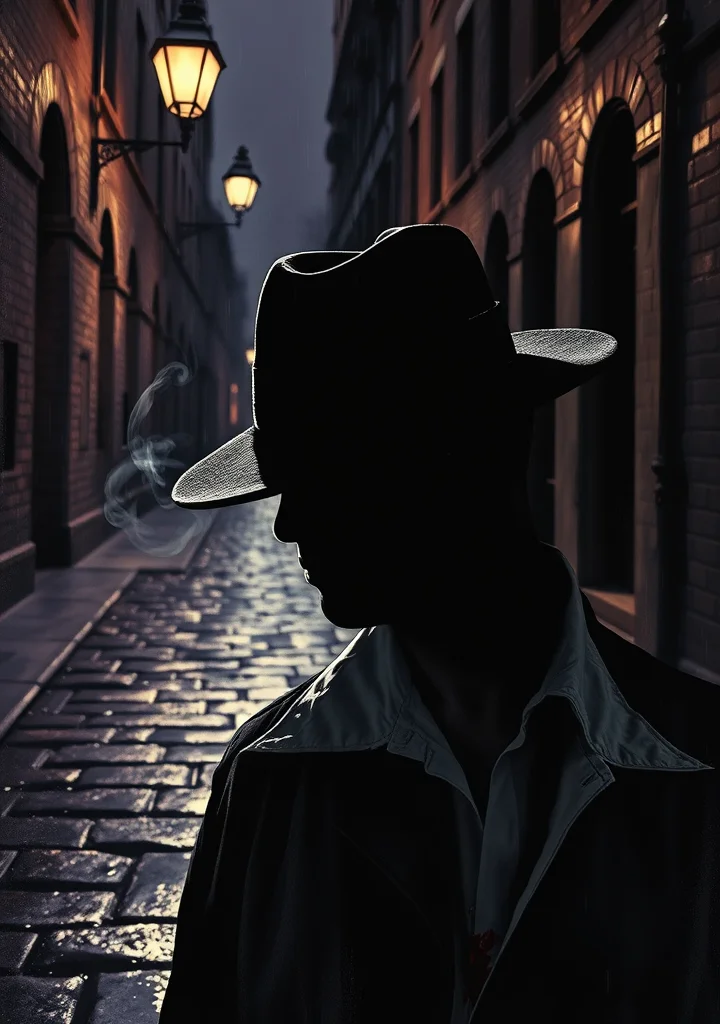
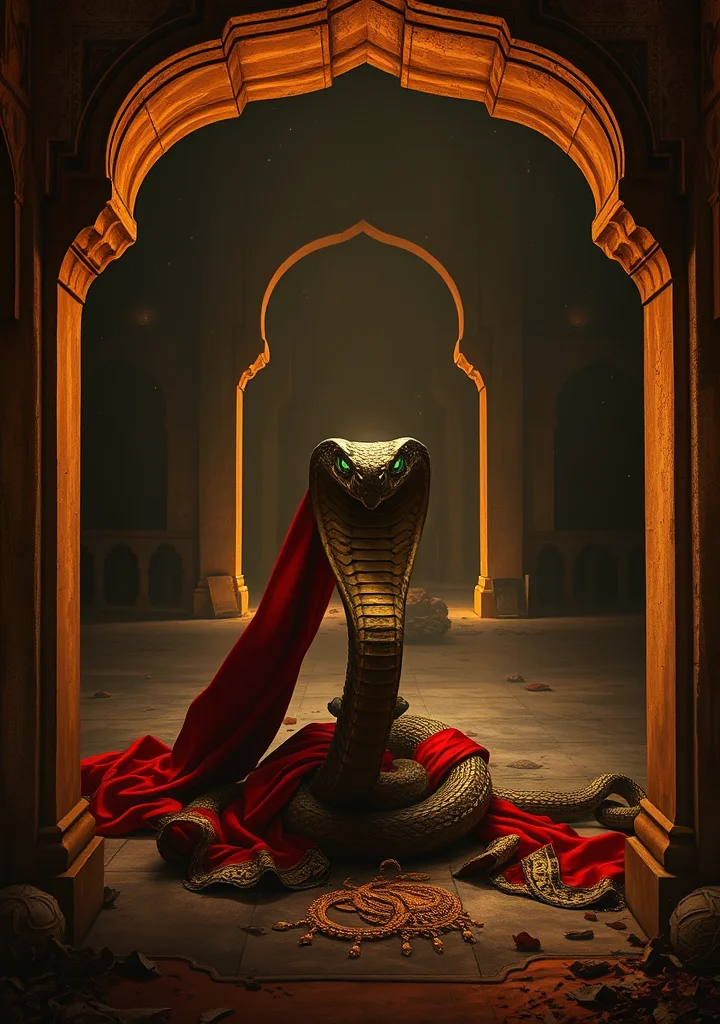
Dust motes dance in the perpetual twilight of crumbling Rajput fortresses, clinging to the scent of sandalwood and decay. A fever-dream heat hangs heavy, thick with the whispers of djinn and the rustle of silk in shadowed chambers. Burton, ever the scholar-explorer, has unearthed more than ancient texts; he’s awakened a hunger older than the stone itself. Vikram, a scholar steeped in forgotten lore, finds himself drawn into a labyrinthine pursuit of a creature both exquisitely beautiful and terrifyingly predatory. Not a beast of fangs and brute force, but one of elegant seduction and creeping paralysis. The vampire here doesn’t stalk through London fog, but through the saffron-stained ruins of a lost empire. The narrative breathes with the oppressive weight of ritual and obligation, each encounter veiled in layers of veiled glances and stifled accusations. It is a story told in half-tones, in the flickering lamplight of opium dens, in the echoing silence of abandoned temples. The air itself is tainted with the cloying sweetness of jasmine and the metallic tang of old blood. Vikram’s investigation unravels not into a hunt, but an unraveling of his own sanity, as the lines between hunter and hunted, mortal and immortal, blur within the hypnotic gaze of a creature who has tasted centuries and craves a new, willing victim. The land itself seems to conspire to keep its secrets, each step deeper into the mystery a descent into a suffocating, intoxicating darkness where the boundaries of life and death become indistinguishable.
Copyright: Public Domain
This license allows anyone to use your story for any purpose, including printing, selling, or adapting it into a film freely.
Recommended for you
58 Part
Dust motes dance in the perpetual twilight of Palazzo Rucce, mirroring the slow decay of innocence within its shadowed halls. The air hangs thick with the scent of dying roses and the hushed whispers of Venetian canals, a city built on secrets and submerged desires. A young American, emboldened by naive ambition and a thirst for European refinement, finds herself drawn into the orbit of a charismatic expatriate, a master of veiled intentions. But beneath the polished veneer of Italian society, a predatory elegance unfolds. The palazzo itself breathes with a suffocating beauty, its marble floors cold beneath bare feet, its gilded mirrors reflecting not truth, but distorted fragments of a soul unraveling. A creeping sense of enclosure permeates every gilded room, a gilded cage for a heart ensnared by its own longing. The narrative isn't one of grand gestures, but of insidious erosion—the slow leaching of vitality from a spirit starved for passion, yet fed only with polite deceits. Each encounter is a tightening coil, a subtle shift in the balance of power, veiled in courteous conversation. The weight of unacknowledged expectation, the sting of unfulfilled promises, settles like a frost upon the bones. It is a portrait not of a lady’s triumph, but of her exquisite, agonizing unraveling—a descent into a gilded ruin where ambition is measured in the currency of lost futures and the only escape lies in the hollow echo of what might have been. The pallid light of waning hope casts long shadows on the marble busts, silent witnesses to a tragedy unfolding with the languid grace of a dying swan.
15 Part
The last cities cling to the underside of a perpetual twilight, choked by dust and the ghosts of ambition. Generations have forgotten the sun, trading it for the cold, efficient glow of orbital mirrors – mirrors that now flicker and fail. Elias Thorne, a salvage man haunting the skeletal remains of skyscrapers, doesn’t look up anymore. He knows the sky isn’t empty, not after the Collapse. It’s filled with things better left unseen, whispers of what was, and the hollow ache of what’s lost. But a signal, a desperate plea coded in obsolete frequencies, cracks across his receiver. A ship, adrift for decades, claims to have found *something* beyond the Rim. Something the architects of the Sky-Cities buried with their dying light. Thorne, driven by a debt he can't outrun and a curiosity he can't suppress, takes the offer. Each mile upward is a descent into a deeper, more suffocating decay. The ship, the *Argos*, is a mausoleum of forgotten promises, haunted by the lingering echoes of its crew. The further they climb, the more the sky seems to press down, a suffocating weight of metal and shadow. The signal isn't just a beacon; it's a lure, drawing them toward a truth that will unravel not just the city’s foundations, but the very fabric of Thorne's memory. It's a place where the stars are cold, the silence screams, and the last vestiges of humanity are consumed by a hunger older than the dust itself. The sky doesn't give up its secrets easily. It demands a reckoning.
21 Part
A suffocating heat clings to the docks of colonial Saigon, thick with the scent of jasmine and decay. The narrative unravels not with grand adventure, but with the stifled desperation of a man purchased – a phantom commodity traded between shadowy brokers. He’s known only as the Passenger, his origins a deliberate erasure etched in the ledger as ‘Ticket No. 9672.’ The air itself feels haunted by the weight of forgotten currencies, of lives quantified and sold. Each chapter is a peeling layer of circumstance, revealing a man consumed by a creeping, nameless dread. He exists in the humid confines of a crumbling mansion, a gilded cage furnished with the whispers of opium dens and the mournful cries of caged birds. His captors are less concerned with his loyalty than his silence—a silence he struggles to maintain as fragments of a former life bleed into the present. The story doesn't soar with rockets to the moon, but spirals downward into the claustrophobic labyrinth of a mind unraveling. The descriptions are saturated with the oppressive weight of velvet drapes, the glint of tarnished silver, and the sickly sweet aroma of rotting fruit. It’s a story of imprisonment not by bars, but by the insidious erosion of memory, the slow suffocation of identity within a system designed to erase every trace of self. The final pages hint at a reckoning not of escape, but of acceptance, as the Passenger discovers he's not merely owned—but *constructed* by the very forces he seeks to defy.
54 Part
A creeping dread clings to the shadowed halls of Blackwood Manor, where the legacy of the Ashworths—a family steeped in melancholic piety and stifled ambition—unwinds like a silken noose. The narrative breathes with the damp chill of decaying grandeur, each room a mausoleum of forgotten vows and whispered sins. Old Mr. Ashworth’s failing health isn't merely illness, but a slow erosion of the boundaries between this world and something…else. His daughter, burdened by the weight of expectation and a suppressed, feverish devotion, finds her spirit fracturing alongside his. The story isn't one of outward horror, but a suffocating claustrophobia born of repressed desire and the suffocating weight of religious fervor. A subtle poison seeps through the narrative, laced with the scent of dying lilies and the rustle of unseen presences in the long corridors. The barriers between the Ashworths’ carefully constructed faith and the gnawing darkness within begin to blister and crack. The estate itself is a character—a labyrinth of shadowed alcoves and overgrown gardens where the rot of secrets blooms under a perpetual twilight. The very stones seem to weep with the grief of generations past. The air hangs thick with the anticipation of a reckoning, not of ghouls or specters, but of a soul laid bare, consumed by the flames of its own unfulfilled longings. It’s a story told in the fading light of a dying man’s consciousness, where the boundaries of reality blur with the feverish visions of a desperate heart.

42 Part
A salt-laced dread clings to the rigging of the *Walhalla*, a phantom ship adrift in a sea of simmering betrayals. Verne doesn’t merely chart a voyage, he maps the rot within men’s hearts. The sun bleeds crimson across the decks as young Dick Sands, thrust into command by a cruel twist of fate, finds himself not master of his vessel, but puppet of a conspiracy woven in the humid shadows of colonial ports. Each wave whispers of mutiny, each horizon hides a lurking threat – not from storms or pirates, but from the elegant poison of civilized deceit. The narrative unfurls like a fever dream, drenched in the ochre dust of forgotten African kingdoms and the sickly sweet perfume of smuggled opiums. The air hangs thick with the stench of desperation, of fortunes gambled on the backs of slaves, of lives bartered for a handful of glittering coins. Every act of bravery is shadowed by the gnawing suspicion of a trap, every rescue tainted by the knowledge of a hidden hand pulling the strings. This is not adventure; it is a slow unraveling, a descent into a darkness where the boundaries of loyalty and betrayal blur until they vanish entirely. The reader is left adrift alongside Sands, choking on the salt spray of paranoia, wondering if the boy captain commands his fate, or merely sails toward the inevitable wreck of his soul. The islands themselves seem to mourn, shrouded in mists that conceal not just land, but the ghosts of those consumed by avarice and despair.

32 Part
A perpetual twilight clings to the shadowed corners of New Moon, a desolate, windswept inheritance haunted by whispers of misfortune. The orphaned Emily Byrd, a creature of wild imagination and fiery spirit, arrives to claim her legacy—a decaying ancestral home steeped in the lore of a cursed lineage. But the house breathes with a sorrow that seeps into Emily's very soul, mirroring the spectral grief of her mother, a phantom presence woven into the very fabric of the moors. The narrative unfolds as a slow, melancholic descent into a world where dreams and realities blur, where the scent of heather and brine mingles with the bitterness of forgotten promises. Each chamber of New Moon holds a fragment of the past—a tarnished mirror reflecting a forgotten face, a faded portrait hinting at a tragic fate, a diary bound in leather stained with tears. Emily’s burgeoning poetic gifts become a conduit to the unseen, drawing her closer to the secrets buried within the family’s history. She is watched over by the silent, watchful eyes of the old servants, their faces etched with the weight of generations past. But the beauty of the landscape is deceptive, for the moor itself seems to possess a hungry darkness, a longing to reclaim what was lost. As Emily’s heart blossoms with both love and loss, she finds herself entangled in a web of family secrets, shadowed by the looming possibility that she too is destined to be consumed by the curse of New Moon. The novel is a slow burn, a haunting exploration of loneliness, resilience, and the enduring power of memory—a place where the boundary between life and death feels fragile as a moonbeam on a stormy sea.