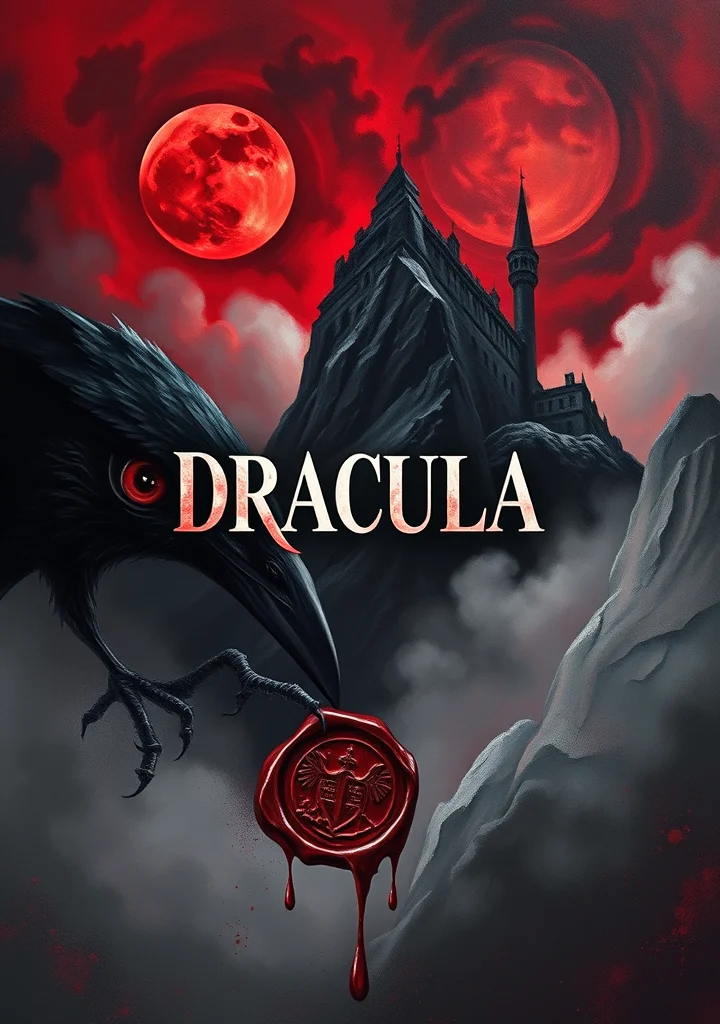

Dracula
  • 203
  • 0
  • 31
  • Reads 203
  • 0
  • Part 31
Completed, First published Mar 02, 2026

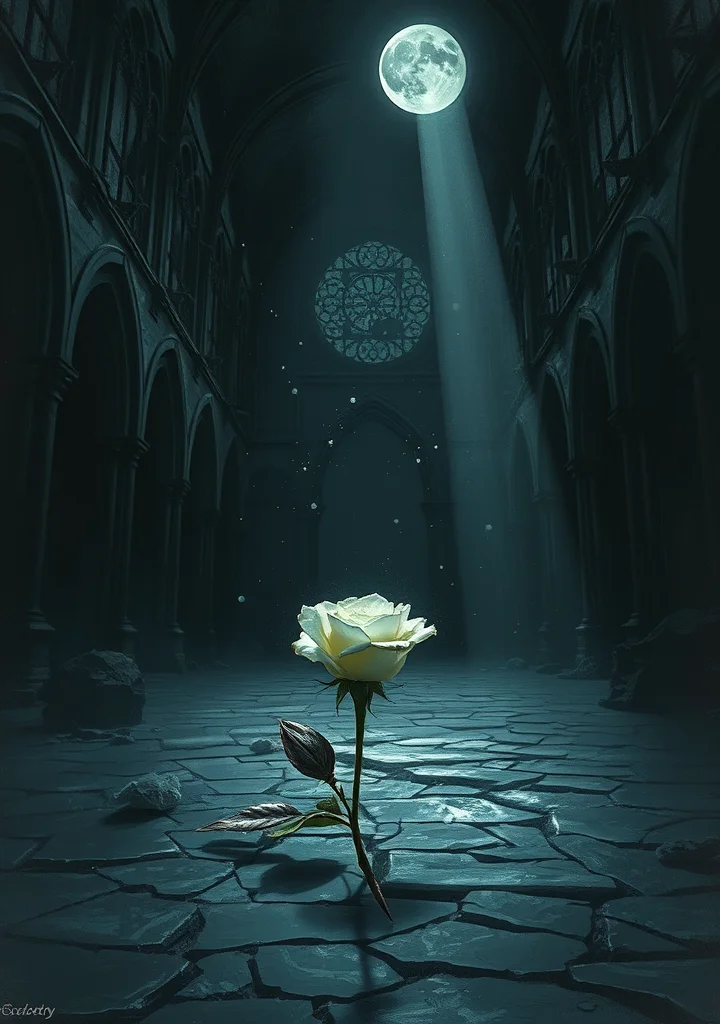
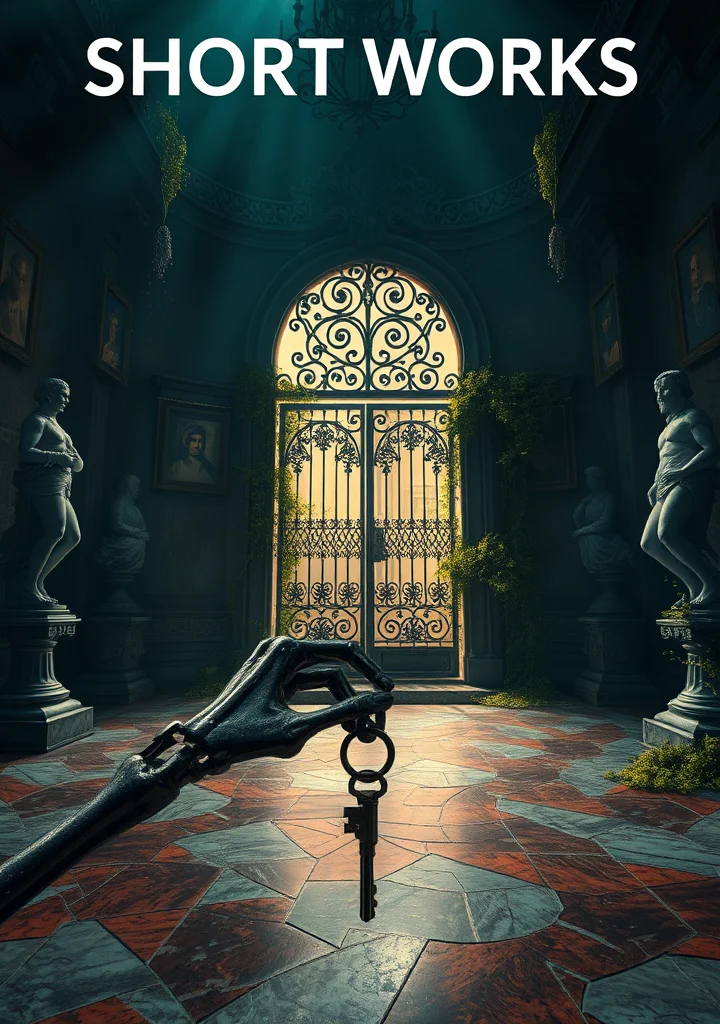
A creeping dread descends from the Carpathian peaks, clinging to the shadowed corners of London society. The air chills with the scent of ancient earth and something…older. This is not merely a tale of monsters, but of a hunger that festers within the very heart of Europe, spreading with the insidious rhythm of a coffin nail’s descent. Whispers follow the Count’s passage – a pallor, a stillness, livestock drained of life, then men found weakened, haunted by dreams of crimson eyes. Fog bleeds through the gaslit streets, mirroring the miasma of fear that suffocates those touched by Dracula’s gaze. Every darkened doorway seems to conceal a lurking evil, every antique mirror a reflection of something unholy. The narrative unfolds as a desperate chase through crumbling castles and labyrinthine cityscapes, propelled by intercepted letters and desperate pleas. It’s a story woven from stolen breaths and the frantic scribblings of those who dare to confront the darkness. The encroaching doom isn't a single, spectacular horror, but a slow unraveling of sanity and faith, a rot that begins in the blood and consumes the soul. A chilling current of helplessness runs through its veins, leaving you breathless as the shadows lengthen and the Count’s insidious influence tightens its grip. The scent of garlic and crucifixes becomes a desperate prayer against a rising tide of oblivion.
Copyright: Public Domain
This license allows anyone to use your story for any purpose, including printing, selling, or adapting it into a film freely.
Recommended for you
52 Part
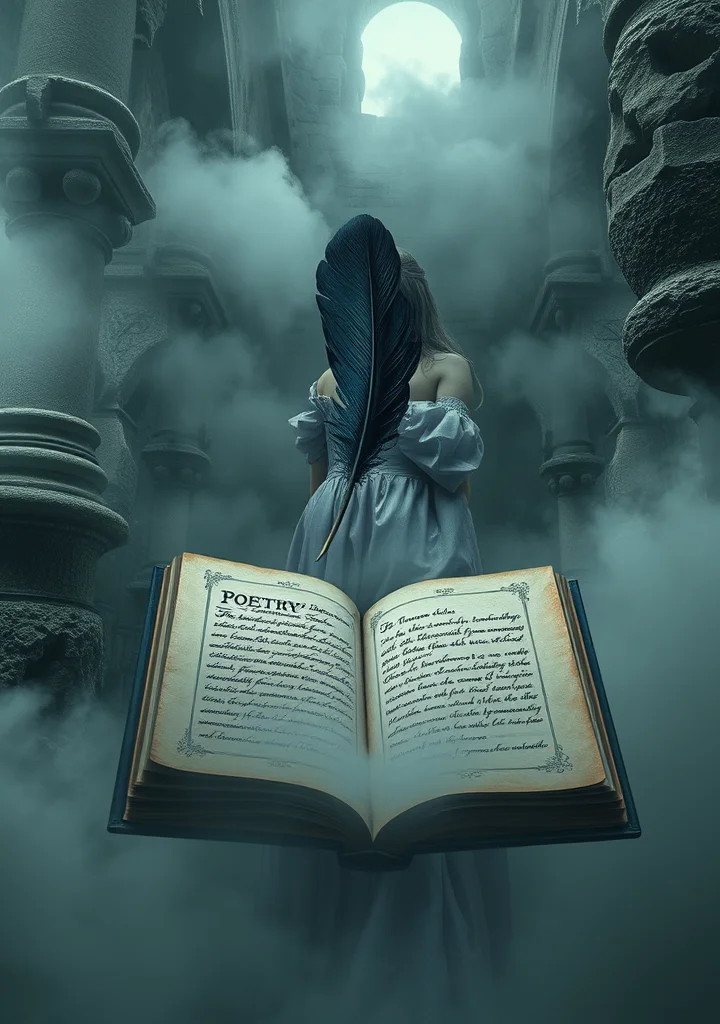
A creeping dread clings to the shadowed orchards and crumbling khutors of Shevchenko’s *Poetry*. It isn’t a tale of grand horrors, but of a slow rot consuming the soul, witnessed through eyes haunted by the vast, indifferent steppes. The narrative unfolds like a fever dream—fragmented, lyrical, and steeped in the melancholic scent of damp earth and decaying sunflowers. Each verse bleeds into the next, mirroring the blurring of memory and reality within the minds of those exiled, those bound to the land by chains of sorrow and longing. The air hangs thick with the weight of unfulfilled desires and the ghosts of Cossack glories, rendered brittle by years of oppression. Walls whisper with the lamentations of women left behind, and the wind carries the cries of children lost to famine. A sense of impending doom isn’t delivered through spectacle, but through the relentless accumulation of small, brutal details—a chipped icon in a deserted chapel, a raven’s feather found clutched in a dead hand, the taste of iron in the well water. The prose itself is a landscape of fractured beauty—sun-drenched fields concealing graves, a sky bruised purple with regret. It’s a narrative not of what *happens*, but of what *remains*—the lingering echo of a broken heart, the dust of forgotten villages, the chilling realization that even in oblivion, the land remembers everything, and judges all. A suffocating stillness permeates the work, broken only by the distant howl of wolves and the rustling of secrets in the wheat fields. The story doesn’t end; it simply dissolves into the horizon, leaving you adrift in a sea of unending grey.
16 Part
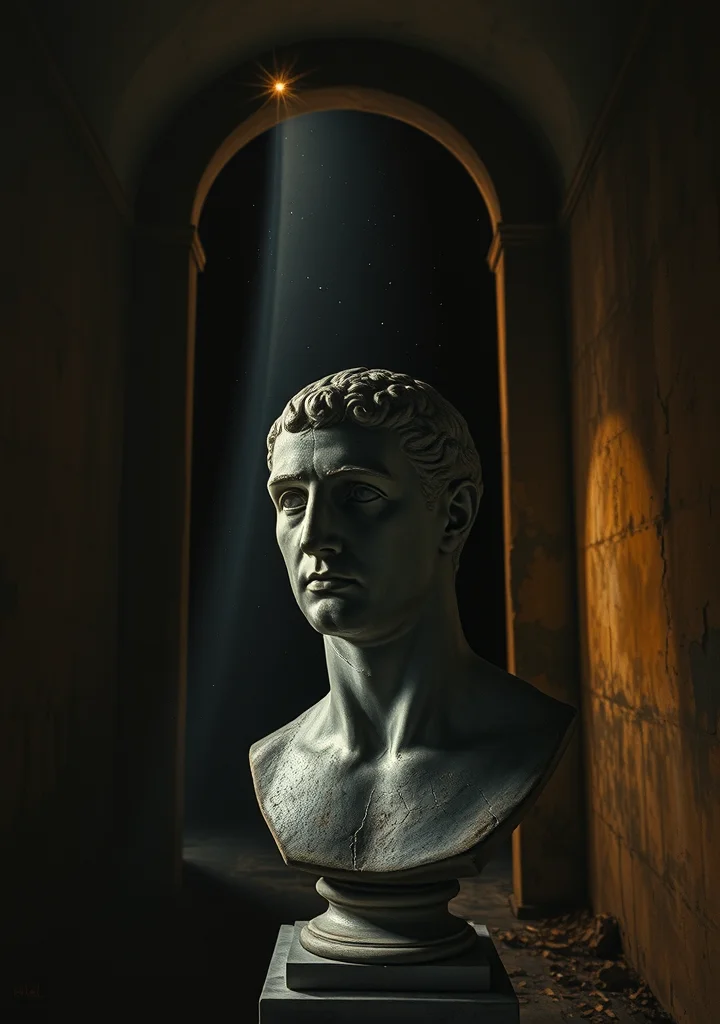
Dust motes dance in the violet light filtering through the orbital glass of Aptor, a city built on the bones of forgotten gods and fueled by the psychic residue of fractured realities. Here, amongst the chrome-slicked spires and the echoing, hollowed-out plazas, the jewels are not gems of wealth, but fragments of memory—stolen glimpses of past lives woven into the very fabric of the city’s decaying architecture. Each stone pulses with a stolen emotion, a lost identity, and the pursuit of these fragments consumes the fractured elite who haunt the higher levels. The air itself is thick with regret, a constant, low thrum of sorrow that clings to the skin like a second shadow. Every reflection is a betrayal, every conversation a veiled transaction in fractured histories. Beneath the polished surfaces, a labyrinth of abandoned levels stretches into a suffocating darkness—a place where the city’s discarded memories fester and the ghosts of Aptor’s architects whisper their broken designs into the static-filled air. A slow rot permeates everything, not of decay, but of *remembering*. The jewels aren't just found, they're *unlocked* from those who've lost themselves in the city's endless halls. To possess one is to inherit a fragment of another’s life, a burden of stolen consciousness that threatens to unravel the self. The closer one gets to the heart of Aptor, to the source of the jewels' power, the more the boundaries between memory and reality blur, and the more one risks becoming nothing more than another echo in the city’s haunting symphony of loss. The city doesn't just watch its inhabitants fall apart—it *remembers* their disintegration.
72 Part
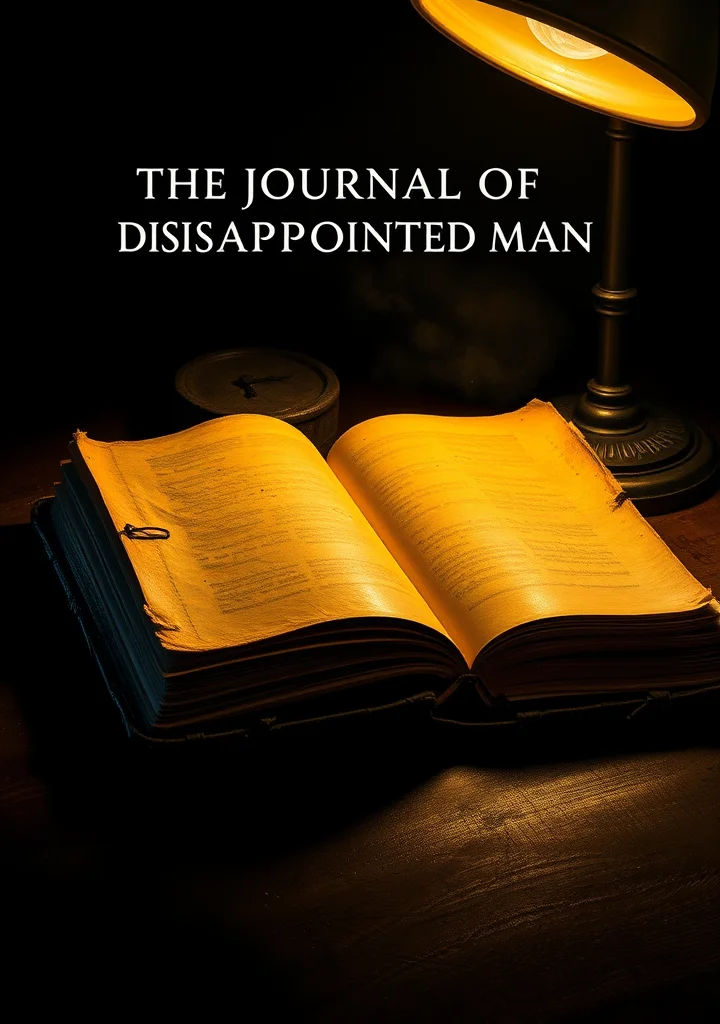
The fog clings to the crumbling facades of the unnamed city, mirroring the decay within Elias Thorne. He walks a perpetual twilight, haunted by fragments of a life both lived and unlived—a surgeon’s detachment from flesh, a soldier’s apathy toward slaughter, a scholar’s cold dissection of the human heart. Each cobbled street exhales the ghosts of forgotten debts, of promises whispered in sulfurous dens. Thorne isn’t seeking redemption, only observation, meticulously charting the unraveling of sanity as he drifts between the opulent rot of the aristocracy and the festering wounds of the slums. His journal, a ledger of morbid curiosities, details not grand conspiracies but the exquisite, creeping despair of ordinary men driven to monstrous acts by quiet desperation. The narrative isn’t one of revelation, but of erosion—the slow, deliberate crumbling of belief, the grinding down of hope into dust. The city itself is a character, breathing with a feverish pulse of corruption, its shadows deepening with each page Thorne fills. It’s a study in the geometry of grief, a precise mapping of the places where the veil thins and the abyss gazes back. There is no escape, only the deepening conviction that all life is a meticulously constructed artifice, designed to conceal a void that yawns beneath every stone, every smile, every heartbeat. The true horror is not what Thorne witnesses, but the realization that it is simply… expected.