
Dracula
  • 481
  • 0
  • 31
  • Read 481
  • 0
  • Part 31
Completed, First published Mar 02, 2026

A creeping dread descends from the Carpathian peaks, clinging to the shadowed corners of London society. The air chills with the scent of ancient earth and something…older. This is not merely a tale of monsters, but of a hunger that festers within the very heart of Europe, spreading with the insidious rhythm of a coffin nail’s descent. Whispers follow the Count’s passage – a pallor, a stillness, livestock drained of life, then men found weakened, haunted by dreams of crimson eyes. Fog bleeds through the gaslit streets, mirroring the miasma of fear that suffocates those touched by Dracula’s gaze. Every darkened doorway seems to conceal a lurking evil, every antique mirror a reflection of something unholy. The narrative unfolds as a desperate chase through crumbling castles and labyrinthine cityscapes, propelled by intercepted letters and desperate pleas. It’s a story woven from stolen breaths and the frantic scribblings of those who dare to confront the darkness. The encroaching doom isn't a single, spectacular horror, but a slow unraveling of sanity and faith, a rot that begins in the blood and consumes the soul. A chilling current of helplessness runs through its veins, leaving you breathless as the shadows lengthen and the Count’s insidious influence tightens its grip. The scent of garlic and crucifixes becomes a desperate prayer against a rising tide of oblivion.
Copyright: Public Domain
This license allows anyone to use your story for any purpose, including printing, selling, or adapting it into a film freely.
Recommended for you

29 Part
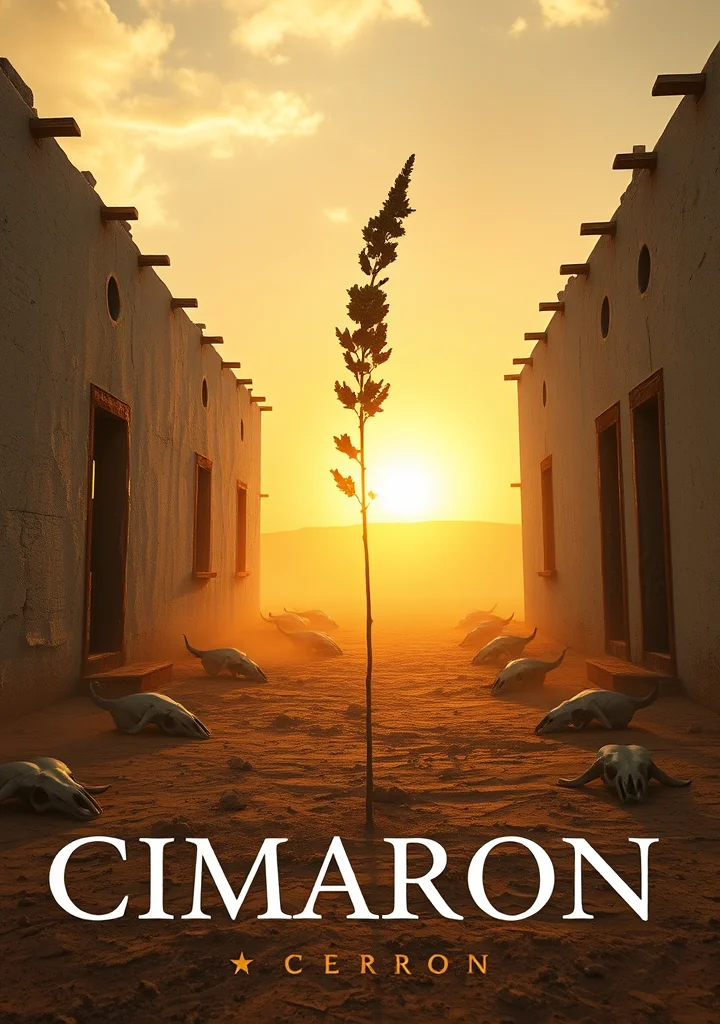
Dust devils dance across a land bleached bone-white under a merciless sun, mirroring the ghosts that haunt the Oklahoma Territory. Cimarron unfolds not as a chronicle of westward expansion, but as a slow unraveling of dreams swallowed by the prairie’s vast indifference. The scent of sage and decay clings to the weathered timbers of the Ysobel family’s hacienda, a crumbling testament to a Spanish heritage decaying alongside the land itself. Each generation feels the weight of the wind’s mournful howl, the land’s relentless claim on those who dare to build upon it. The narrative is steeped in the amber light of dying embers, the shadows of ambition stretching long and skeletal across the plains. A suffocating heat rises not just from the earth, but from the simmering resentments and buried betrayals within the family. The story doesn't celebrate conquest, but the erosion of certainty, the quiet fracturing of lives against the unforgiving backdrop of a landscape that both promises and denies salvation. It's a tale of inheritance built on quicksand, where the boundaries between ownership and obsession blur until all that remains is a haunting echo of what was lost – a legacy of sun-baked desperation and the slow, creeping realization that even the most stubborn roots can be torn free by the relentless prairie wind. The silence between chapters is thick with the grit of dust and the weight of unfulfilled promises, a land breathing with the loneliness of forgotten souls.
42 Part
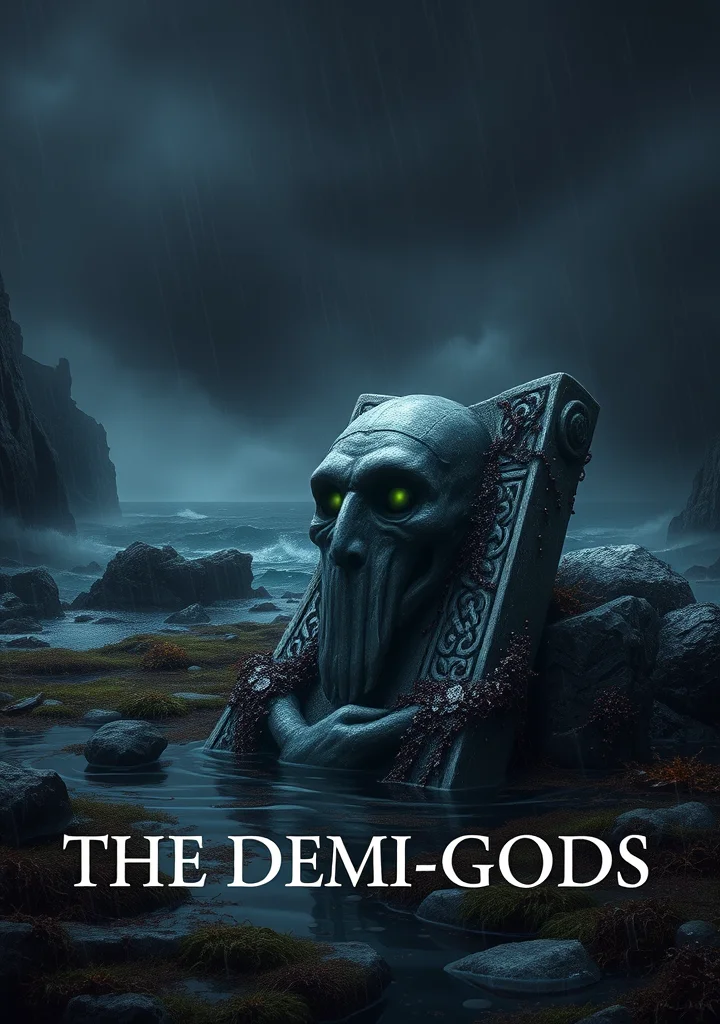
A creeping dread clings to the Irish coast, thick as the bog mire that swallows men whole. Stephens weaves a tale not of heaven or hell, but of the liminal spaces between, where the remnants of ancient, pagan deities bleed into the fractured lives of mortals. The narrative unfolds within a suffocating village steeped in superstition, where whispers of forgotten gods stir in the peat smoke and the sea’s cold breath carries the scent of something older than time. Each character is a fractured vessel—a priest haunted by visions, a woman possessed by a spectral sorrow, a boy touched by the cold hand of the otherworld. Their desires, their failures, their very breaths seem drawn from the decaying grandeur of a lost age. The world isn’t simply haunted; it *is* haunting—a slow rot of the soul mirroring the crumbling stone circles and the drowned chapels swallowed by the relentless tide. The prose itself feels like unearthed bone, brittle and cold, layered with the scent of brine and decay. Stephens doesn’t offer salvation, only a glimpse into the echoing emptiness where the gods once walked, leaving behind only echoes of their power and the lingering stain of their absence. It’s a world where the boundaries between reality and nightmare blur, where every shadow holds a watchful eye, and the very earth seems to breathe with a mournful, forgotten hunger. The air tastes of salt and regret, and the story unfolds like a slow, inexorable drowning in the grey light of a dying world.