
-
Read 644
-
0
-
Part 38
Completed, First published Mar 02, 2026
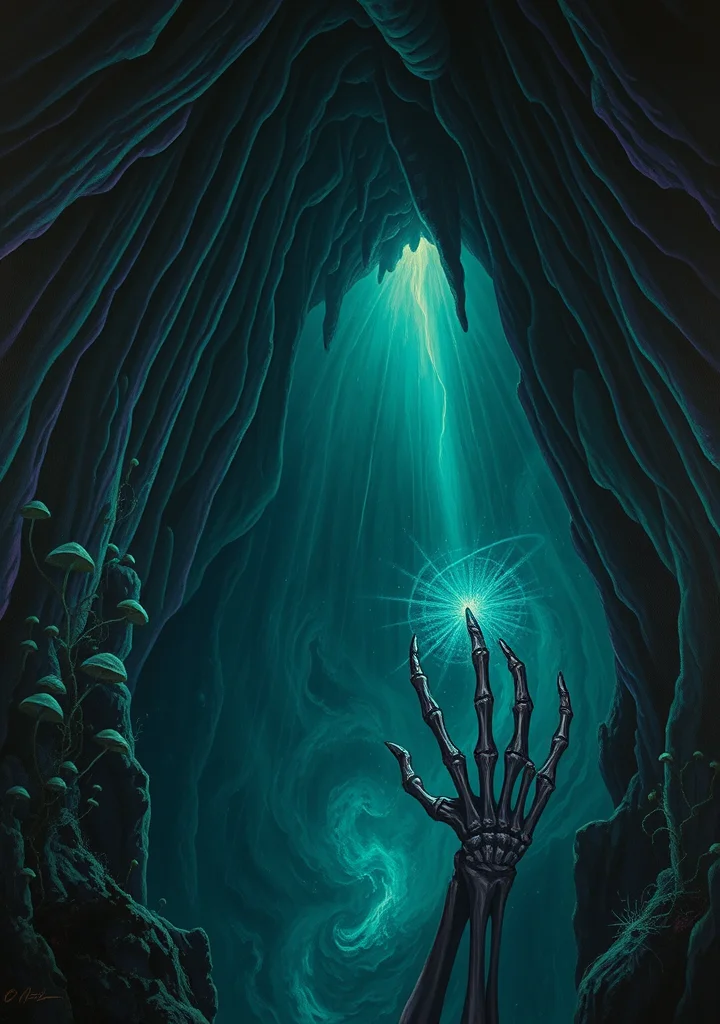
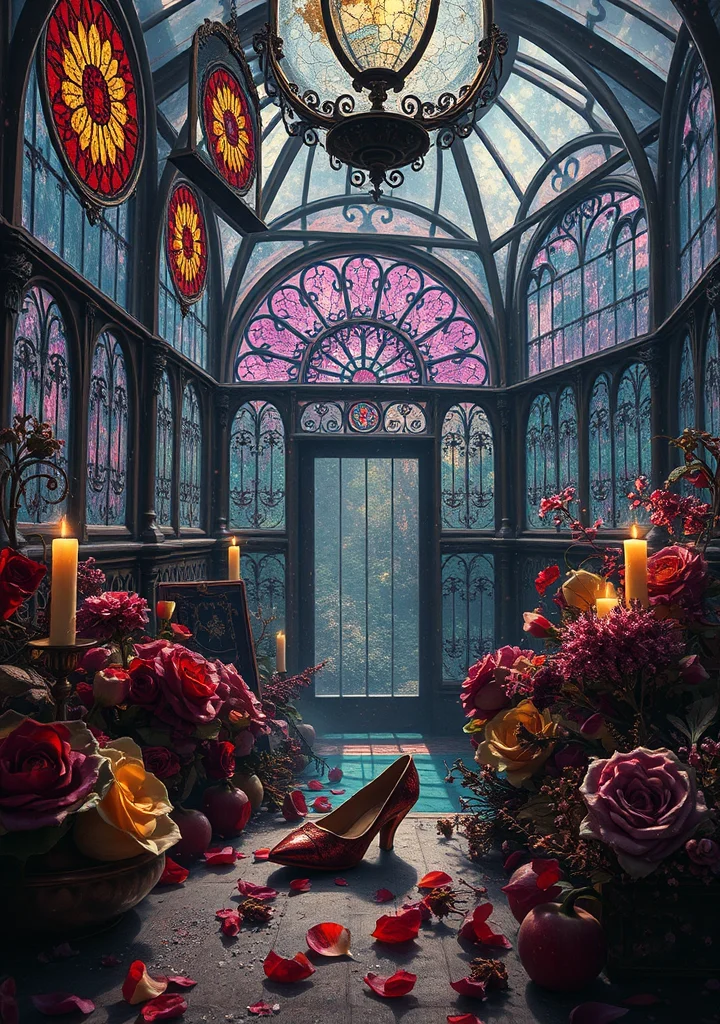
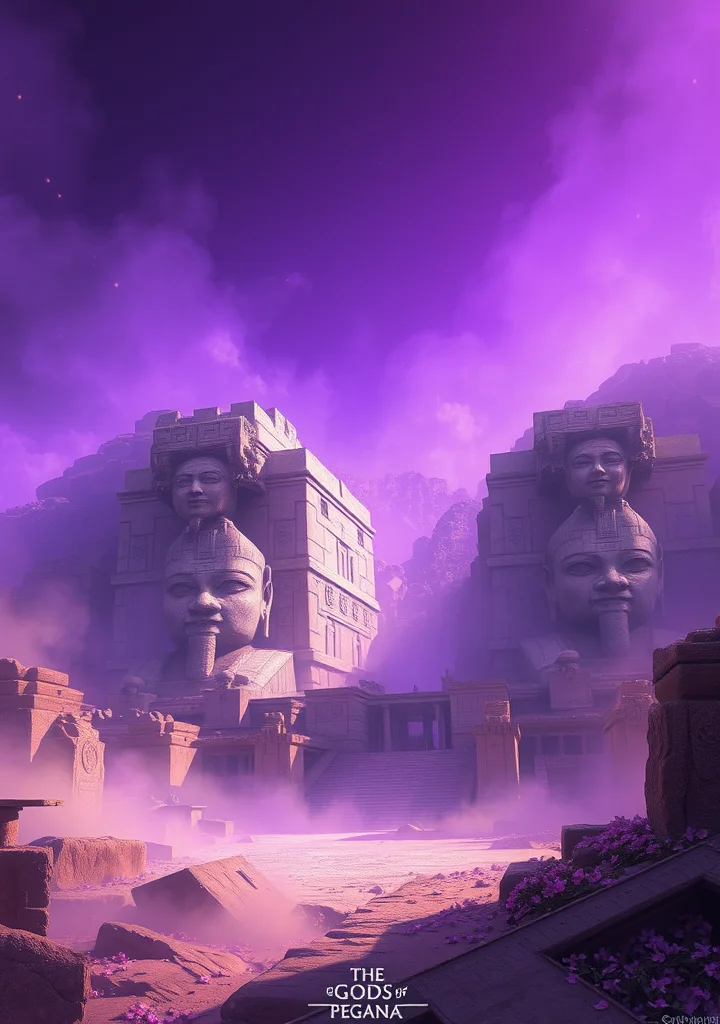
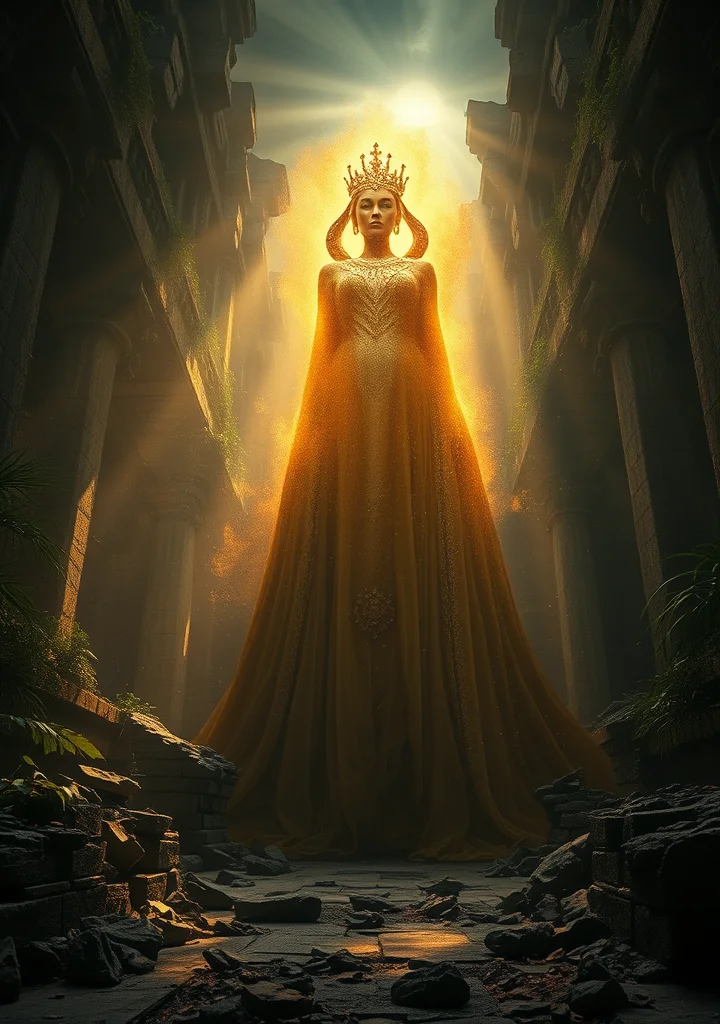
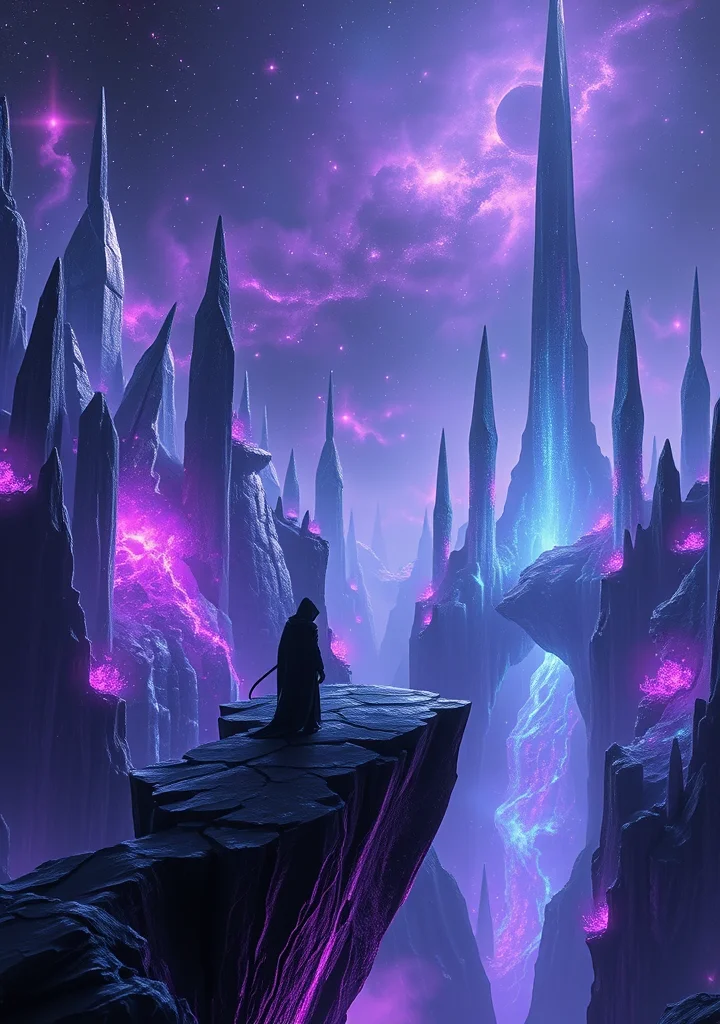
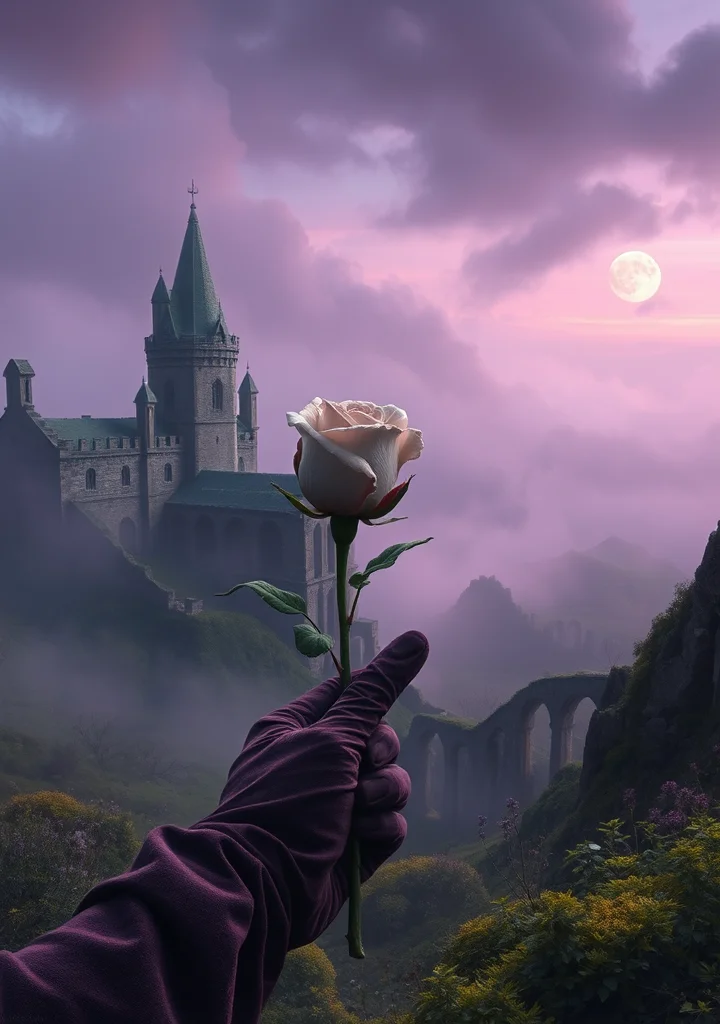
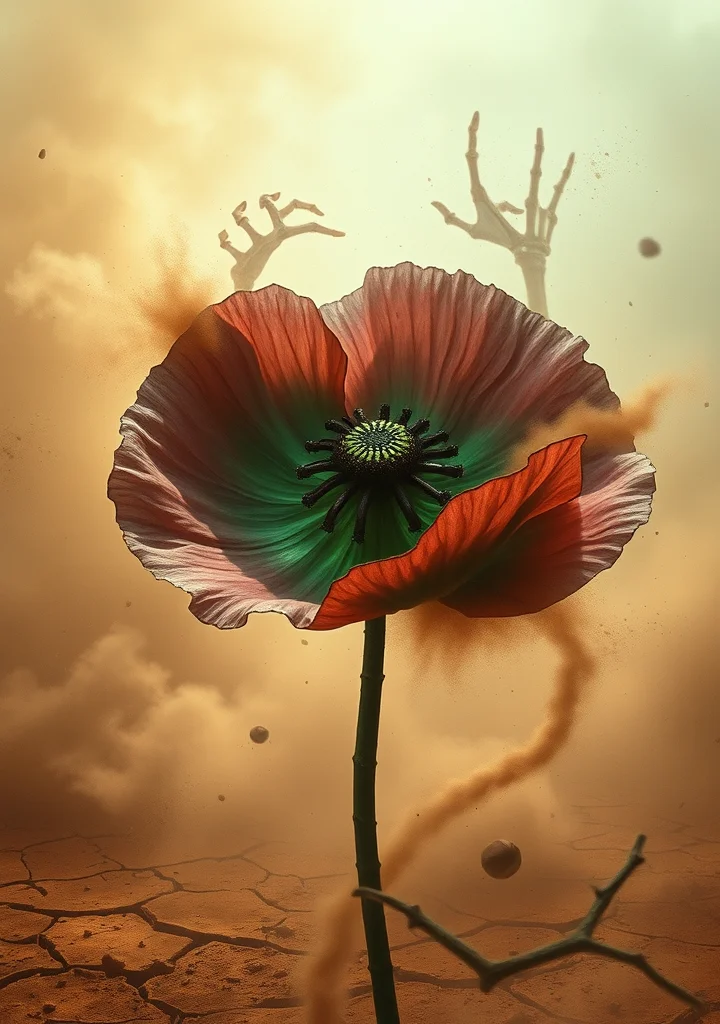
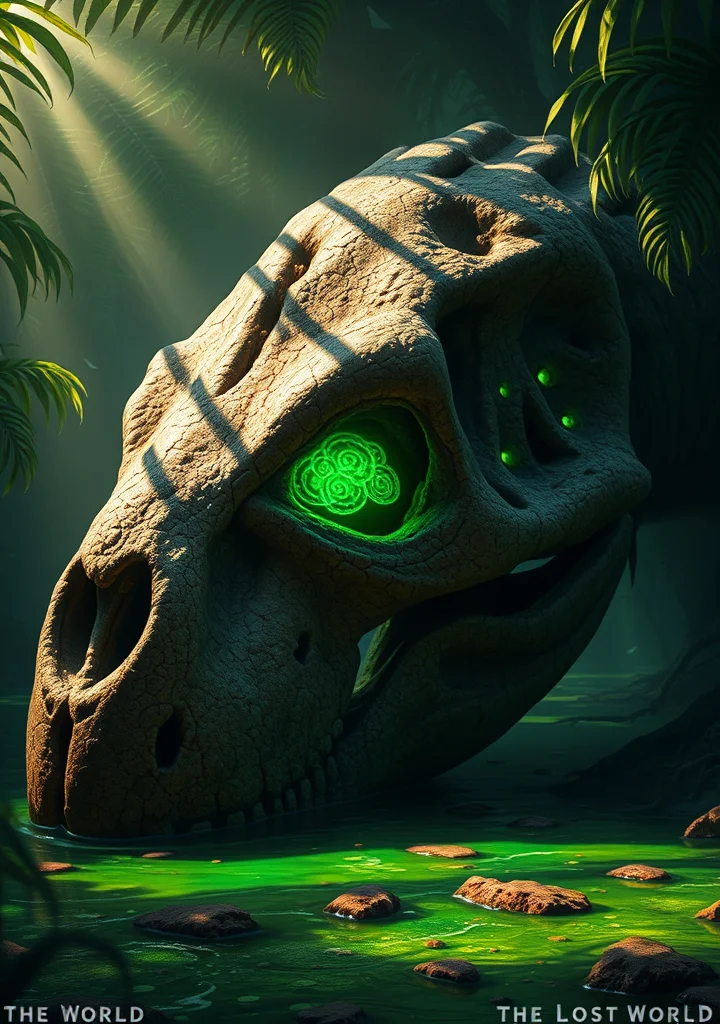
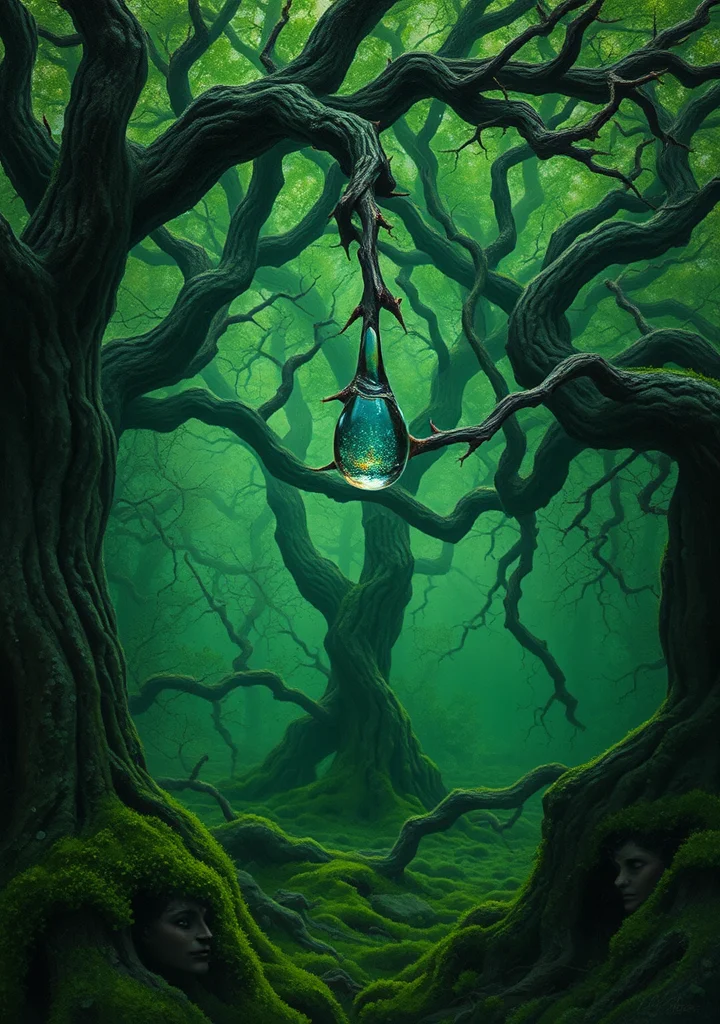
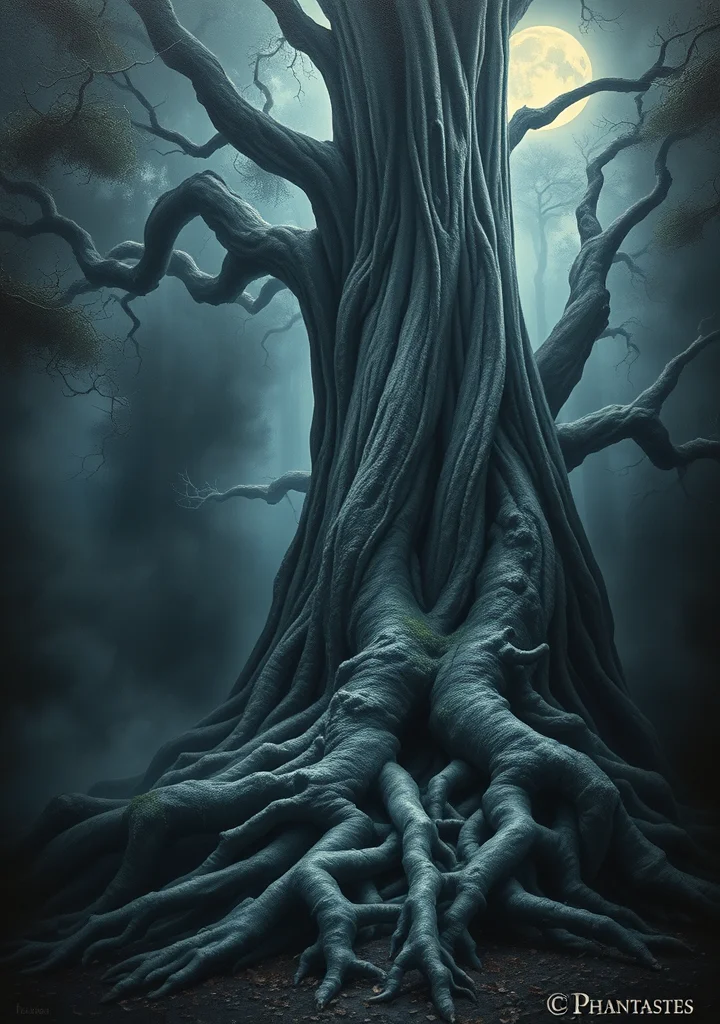
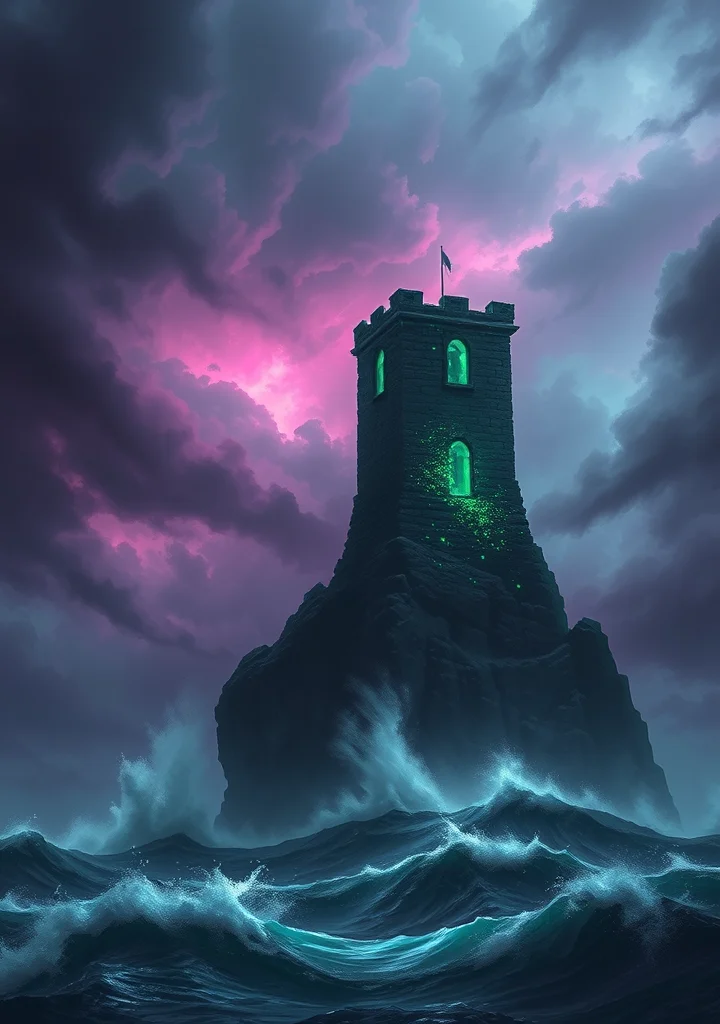
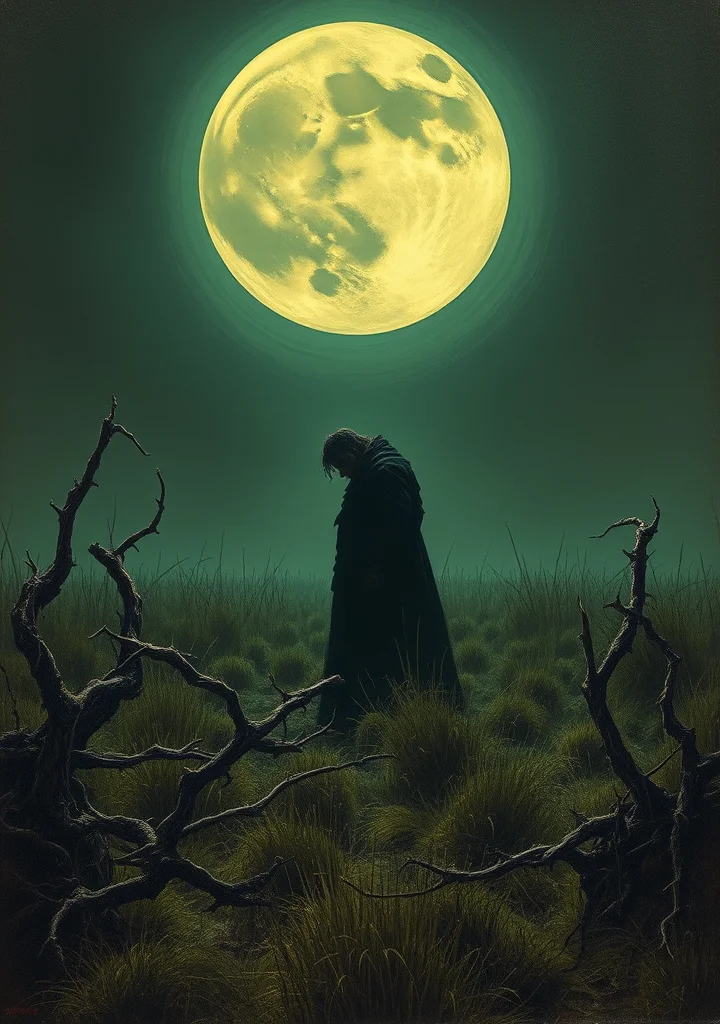
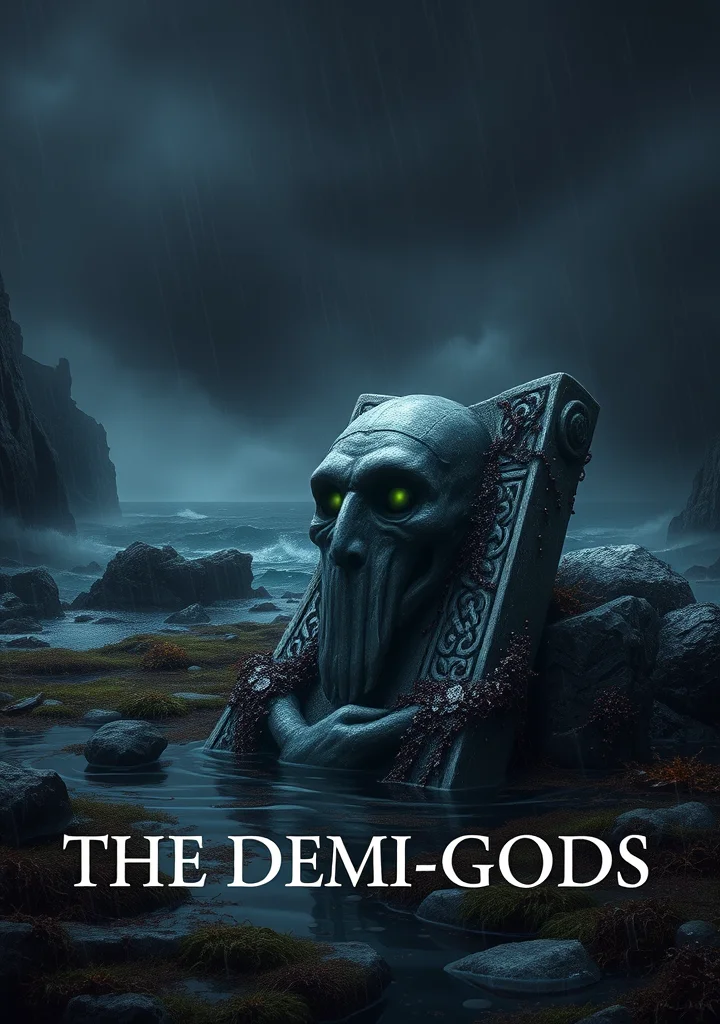
A creeping dread clings to the Irish coast, thick as the bog mire that swallows men whole. Stephens weaves a tale not of heaven or hell, but of the liminal spaces between, where the remnants of ancient, pagan deities bleed into the fractured lives of mortals. The narrative unfolds within a suffocating village steeped in superstition, where whispers of forgotten gods stir in the peat smoke and the sea’s cold breath carries the scent of something older than time.
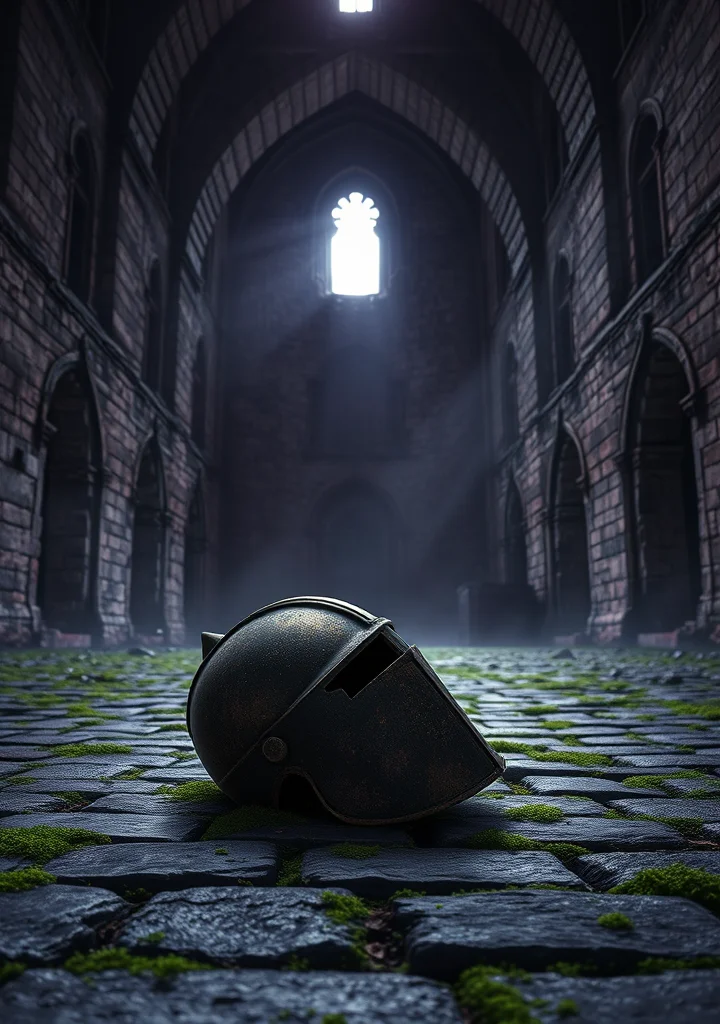
Each character is a fractured vessel—a priest haunted by visions, a woman possessed by a spectral sorrow, a boy touched by the cold hand of the otherworld. Their desires, their failures, their very breaths seem drawn from the decaying grandeur of a lost age. The world isn’t simply haunted; it *is* haunting—a slow rot of the soul mirroring the crumbling stone circles and the drowned chapels swallowed by the relentless tide.
The prose itself feels like unearthed bone, brittle and cold, layered with the scent of brine and decay. Stephens doesn’t offer salvation, only a glimpse into the echoing emptiness where the gods once walked, leaving behind only echoes of their power and the lingering stain of their absence. It’s a world where the boundaries between reality and nightmare blur, where every shadow holds a watchful eye, and the very earth seems to breathe with a mournful, forgotten hunger. The air tastes of salt and regret, and the story unfolds like a slow, inexorable drowning in the grey light of a dying world.
Copyright: Public Domain
This license allows anyone to use your story for any purpose, including printing, selling, or adapting it into a film freely.
This license allows anyone to use your story for any purpose, including printing, selling, or adapting it into a film freely.
Chapter List
-
« The Demi-Gods »📖 Continue Reading
-
« Chapter_3 »
-
« The Demi-Gods »
-
« I »
-
« II »
-
« III »
-
« IV »
-
« V »
-
« VI »
-
« VII »
-
« VIII »
-
« IX »
-
« X »
-
« XI »
-
« XII »
-
« XIII »
-
« XIV »
-
« XV »
-
« XVI »
-
« XVII »
-
« XVIII »
-
« XIX »
-
« XX »
-
« XXI »
-
« XXII »
-
« XXIII »
-
« XXIV »
-
« XXV »
-
« XXVI »
-
« XXVII »
-
« XXVIII »
-
« XXIX »
-
« XXX »
-
« XXXI »
-
« XXXII »
-
« XXXIII »
-
« XXXIV »
-
« XXXV »
38
-
« The Demi-Gods »
-
« Chapter_3 »
-
« The Demi-Gods »
-
« I »
-
« II »
-
« III »
-
« IV »
-
« V »
-
« VI »
-
« VII »
-
« VIII »
-
« IX »
-
« X »
-
« XI »
-
« XII »
-
« XIII »
-
« XIV »
-
« XV »
-
« XVI »
-
« XVII »
-
« XVIII »
-
« XIX »
-
« XX »
-
« XXI »
-
« XXII »
-
« XXIII »
-
« XXIV »
-
« XXV »
-
« XXVI »
-
« XXVII »
-
« XXVIII »
-
« XXIX »
-
« XXX »
-
« XXXI »
-
« XXXII »
-
« XXXIII »
-
« XXXIV »
-
« XXXV »
More like this