
-
Read 386
-
0
-
Part 21
Completed, First published Mar 02, 2026
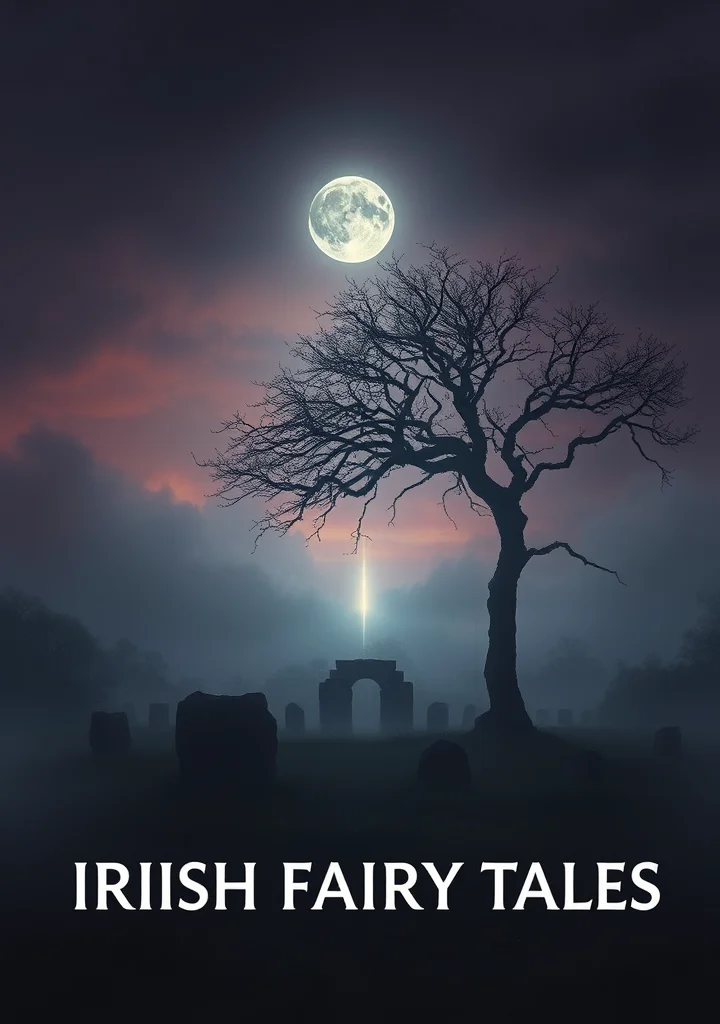
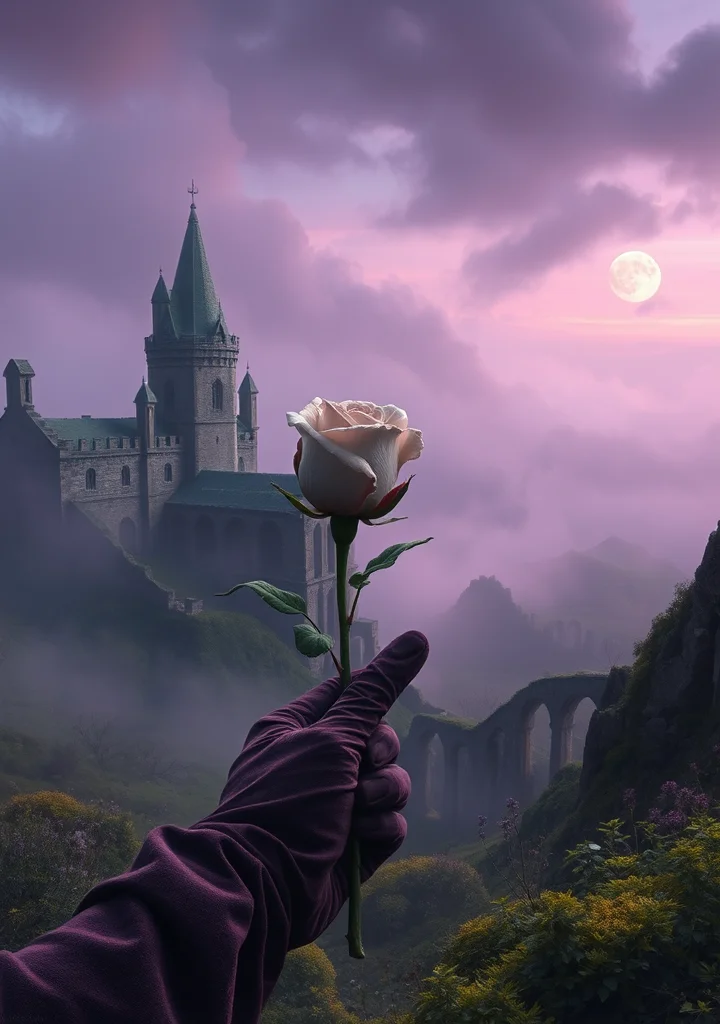
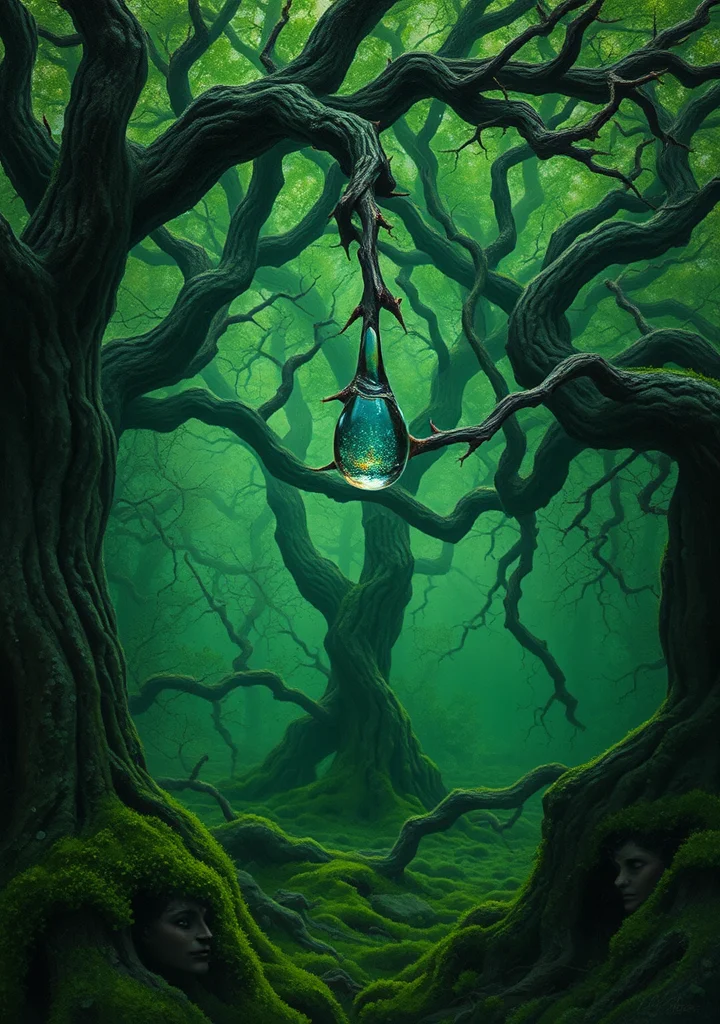
A creeping mist clings to the boglands, mirroring the decay within the ancient Irish heart. This is a tale woven from the threads of folklore, where leprechauns aren’t mischievous sprites but remnants of a dying, primordial world. The air tastes of peat and regret, of promises broken and bargains struck with something older than time. The narrative coils around a broken man, drawn into a desperate search for a crock of gold – not for wealth, but for a fragment of lost belief. Each step deeper into the emerald gloom feels less like following a map and more like descending into a fever dream. Shadows stretch long from gnarled hawthorn trees, and the laughter echoing across the moor carries a chilling weight. It isn’t simply a hunt for treasure; it's a haunting chase through the remnants of a forgotten pagan Ireland, where the boundaries between reality and illusion blur with every whispered prayer and every flickering hearth fire. The gold itself is less a prize than a lure, drawing the unwary towards a reckoning with the fading gods, and the echoing loneliness of a land steeped in sorrow. The world breathes with a slow, suffocating dread, and the reader is left to question whether the gold is found, or merely finds *them*.
Copyright: Public Domain
This license allows anyone to use your story for any purpose, including printing, selling, or adapting it into a film freely.
This license allows anyone to use your story for any purpose, including printing, selling, or adapting it into a film freely.
More like this