
Pellucidar
  • 100
  • 0
  • 17
  • Reads 100
  • 0
  • Part 17
Completed, First published Mar 02, 2026

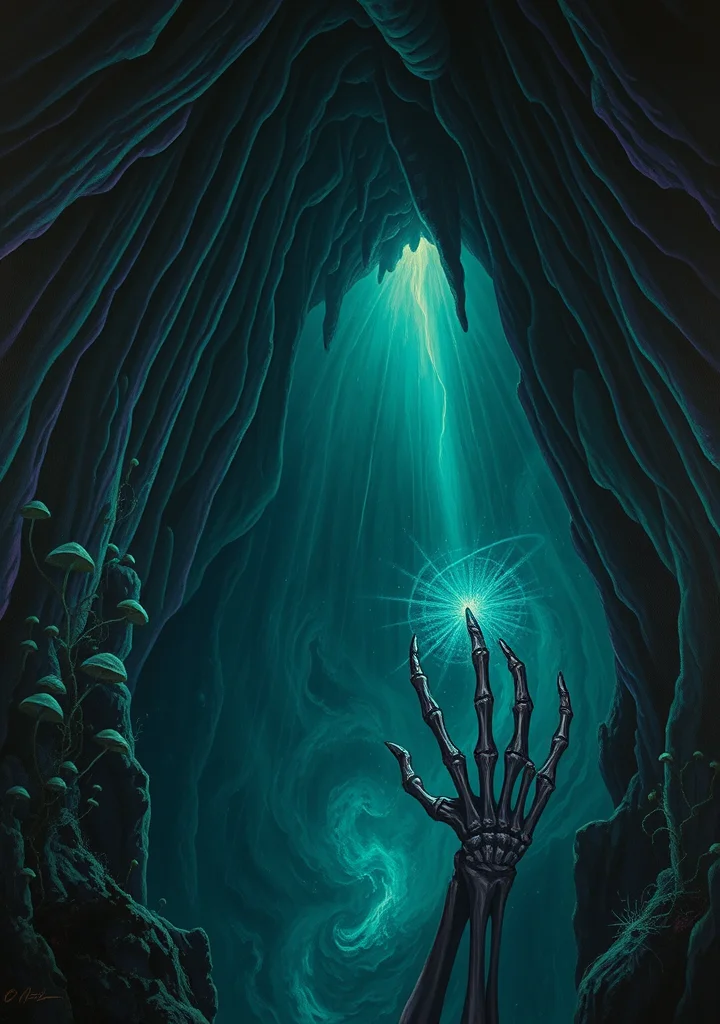
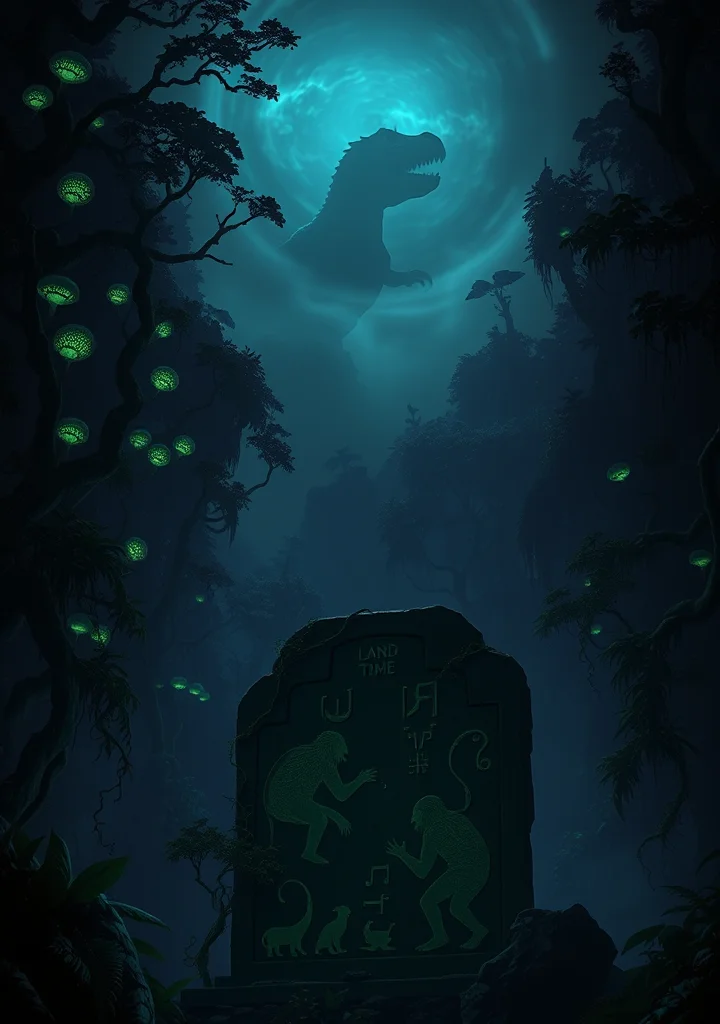
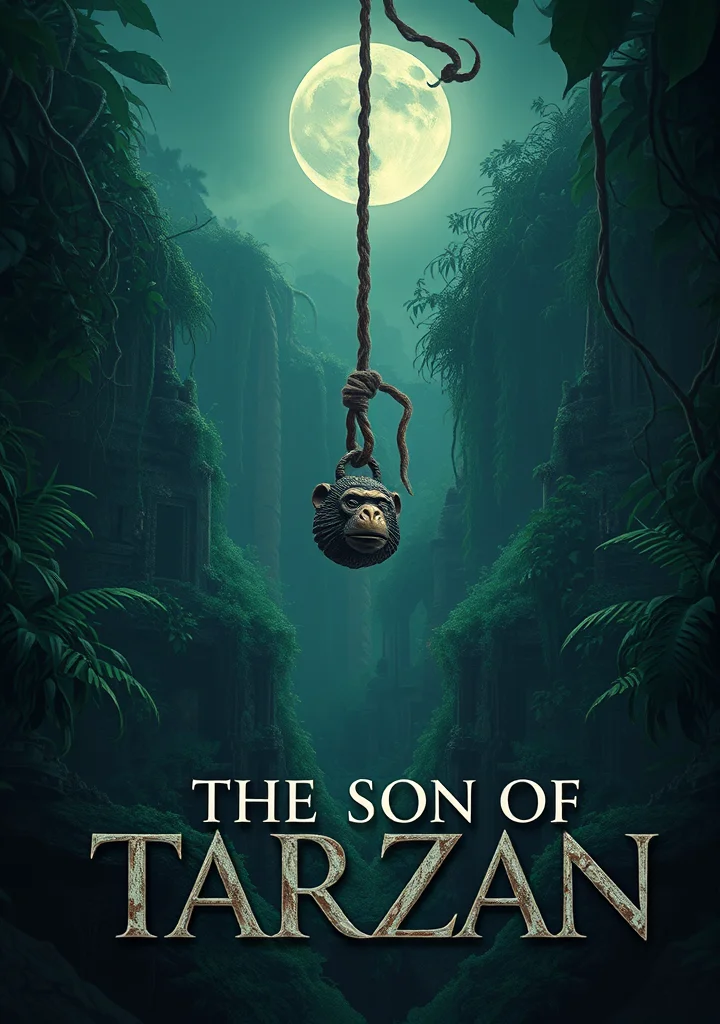
Beneath the crust of a dying Earth, where the sun bleeds a perpetual twilight through cavern mouths, lies Pellucidar. A world interior, teeming with primeval jungles and the echoes of forgotten empires. This is not a land of conquest, but of predation. The air hangs thick with the musk of prehistoric beasts, the drip of subterranean rivers carving new paths through bone-white caverns. A suffocating warmth clings to everything, breeding monstrous flora and fauna that have never known the touch of the sun. Civilizations rise and fall in cycles of brutal efficiency, fueled by the hunt and shadowed by ancient, reptilian gods. Here, the very stone breathes with the weight of ages, and the silence is a living thing, punctuated by the rasp of claws on rock and the guttural cries of creatures born from the earth’s core. Lost within this labyrinthine world, one man navigates by the fractured remnants of a forgotten history, forever haunted by the knowledge that above, the world is ending, and below, something infinitely older waits to claim the last vestiges of humanity. It is a descent into a verdant hell, where the boundaries between hunter and prey blur into a single, desperate struggle for survival, and the only compass is the instinct to endure.

Copyright: Public Domain
This license allows anyone to use your story for any purpose, including printing, selling, or adapting it into a film freely.
Recommended for you
38 Part
A suffocating fog clings to the opulent, yet decaying, mansions of post-war New York, mirroring the secrets festering within the Greene family. Within the suffocatingly ornate parlor, a labyrinth of shadowed furniture and dust-motes dancing in weak lamplight, lies the cold, rigid form of the millionaire, Simon Greene. The air itself tastes of old money, bitter regret, and the metallic tang of recent violence. Every polished surface reflects a fractured glimpse of the household—a brittle matriarch draped in mourning silks, a volatile son haunted by gambling debts, a niece with eyes like chipped emeralds, and a devoted secretary who whispers too softly to be believed. The investigation unravels not as a hunt for a killer, but as an excavation of a family’s rot. Each room breathes with suppressed resentments, each object—a misplaced letter, a chipped porcelain doll, a forgotten scent—becomes a morbid clue in a danse macabre of deceit. The narrative clings to the shadows like a creeping vine, thickening with the weight of unspoken accusations and the suffocating pressure of societal expectations. A relentless, almost clinical unraveling of alibis occurs, but the true horror isn't the method of murder, but the chilling realization that every member of this gilded cage possessed both motive and opportunity, their lives woven into a tapestry of suffocating desperation. The Greene house itself is a silent witness, its very architecture seeming to conspire to keep its secrets buried beneath layers of privilege and decay.
45 Part
A fog-choked New York winter yields not just snow, but a corpse—a wealthy lawyer found shot dead in his locked study, a single playing card, the queen of spades, resting upon his breast. The chill seeps into the grand brownstone of Leavenworth, a house steeped in secrets and shadowed by a family fractured by greed. A web of suspicion tightens around a cast of unsettlingly polite, yet subtly desperate characters: a grieving, yet strangely composed widow; a nephew burdened by debt and ambition; a stoic, watchful butler whose silence feels like a confession. The investigation unfolds not with brute force, but with a meticulous unraveling of domestic rituals, overheard whispers, and the delicate, deceptive language of inheritance. Every polished surface reflects a hidden motive, every shadowed corner a potential crime. The reader is drawn into a claustrophobic dance of deduction, guided by a shrewd, observant narrator who understands that the most damning evidence is often found not in what is said, but in what is *not*. The air hangs heavy with the scent of lilies and regret, the rhythmic tick of grandfather clocks marking the slow decay of trust. As the snow falls and the city darkens, the true horror isn’t the act of murder itself, but the insidious rot of family obligation and the chilling realization that even the most respectable facades conceal a darkness capable of swallowing a man whole. The Leavenworth Case is a study in how easily a life, and a fortune, can be extinguished within the suffocating elegance of a gilded age.