
Five Children and It
  • 148
  • 0
  • 14
  • Reads 148
  • 0
  • Part 14
Completed, First published Mar 02, 2026

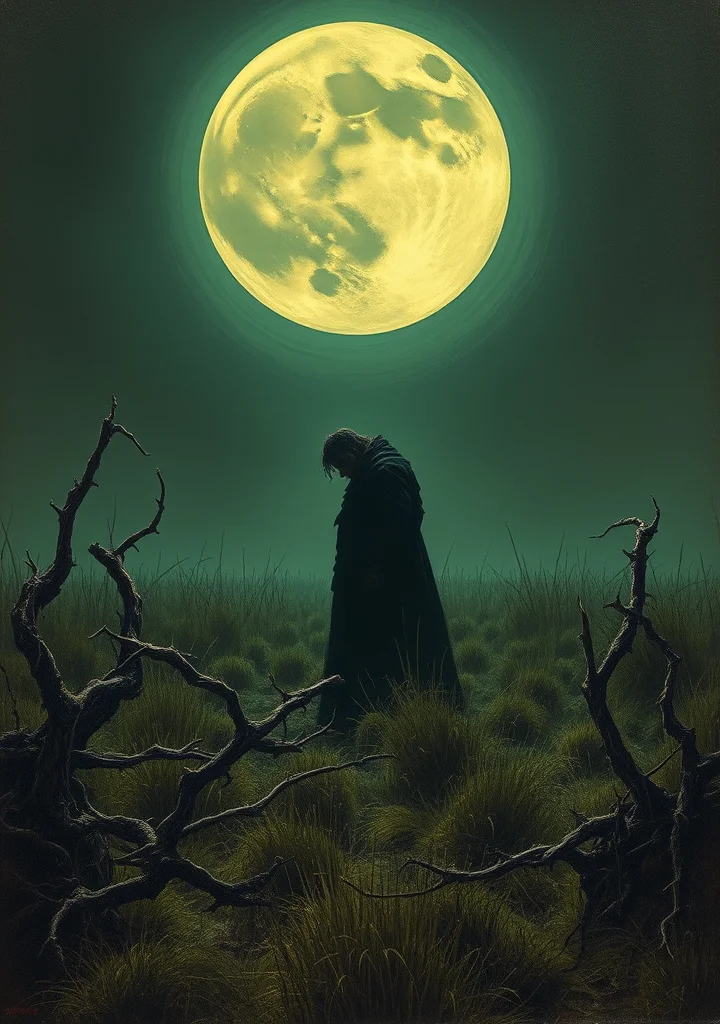
Dust motes dance in the perpetual twilight of a forgotten seaside cove. Five children, adrift from London’s soot and propriety, stumble upon a sand-bound, ancient being—a creature of shifting form and capricious power. It promises wishes, yes, but wishes born of brine and buried things, echoing with the hollow ache of loneliness. Each granted desire unravels a thread of the cove’s history, pulling the children into a cycle of consequence and regret. The air thickens with the scent of salt and decay, mirroring the crumbling grandeur of the forgotten castle that looms over their every game. A creeping dread settles with the tide, fueled by the It’s unnerving glee at their mounting desperation. The wishes aren’t gifts, but bargains struck with something ancient and hungry, slowly eroding the boundaries between reality and the fractured, dreaming world beneath the waves. The children's laughter rings hollow against the wind’s mournful song, a sound that both lures and warns, as the cove holds them fast within its web of shadow and echoing promises. The very sand seems to whisper of lost things, and the It's eyes…they hold the weight of centuries spent watching wishes turn to ash.
Copyright: Public Domain
This license allows anyone to use your story for any purpose, including printing, selling, or adapting it into a film freely.
Recommended for you
33 Part
Beneath a veil of perpetual twilight, where ancient forests breathe secrets into the stone of crumbling castles, lies a kingdom shadowed by forgotten paths and the chittering hunger of goblin kind. This is not a tale of valiant knights and gleaming steel, but one of hearth-lit wonder and creeping dread. A princess, luminous and innocent, wanders these shadowed realms guided by a nurse’s lore of hidden doors and the watchful gaze of unseen protectors. Yet, the earth itself remembers the goblins' claim, their greed a festering wound in the mountain’s heart. The air hangs thick with the scent of damp earth and decaying leaves, echoing with the rhythmic thump of goblin hammers and the whispers of a world just beyond the threshold of waking dreams. Every shadow stretches a little longer, every stone seems to watch with cold, ancient eyes. A descent into a labyrinth of winding tunnels, where the very rock weeps with the memory of forgotten miners and the glint of goblin treasure masks a deeper, more insidious hunger. This is a story woven with the threads of childhood wonder, but laced with the chilling awareness of something ancient and malevolent stirring beneath the soil. It is a world where kindness and courage become the brightest lanterns against a darkness that claws at the edges of reality, where the smallest act of faith can illuminate the path to salvation, or lead the unwary soul into the cold, unyielding embrace of the goblin’s lair. A creeping unease settles upon the reader as they journey alongside the princess, drawn into a realm where the boundary between dream and nightmare dissolves with every echoing step.
75 Part
Dust motes dance in perpetual twilight within the rambling, suffocating confines of the Old Curiosity Shop, a place where time itself seems to fray at the edges. The air hangs thick with the scent of decay and forgotten dreams, clinging to the warped timbers and shadowed corners. A suffocating weight of secrets presses down, mirroring the burden carried by little Nell, a fragile bloom wilting under the gaze of avarice. The shop’s labyrinthine depths swallow light, revealing glimpses of grotesque relics—grimacing masks, tarnished silver, and the hollow eyes of forgotten dolls—each a silent witness to generations of loss. A creeping dread seeps from the very stones, fueled by the malevolent presence of Quilp, a creature born of spite and fueled by cruelty. The narrative unfolds not as a journey, but as a descent, spiraling deeper into a labyrinth of shadowed alleys and decaying grandeur. London itself breathes with a feverish pulse, a city of echoing footfalls and whispered conspiracies. Every encounter is veiled in ambiguity, every kindness shadowed by the looming threat of betrayal. The oppressive atmosphere is less a setting, and more a character—a suffocating entity that threatens to consume Nell and all she holds dear within its suffocating embrace. The antique objects are not merely curiosities, but fragments of fractured souls, each holding a piece of the shop’s decaying history. It is a world where innocence is a fragile currency, and darkness preys on the edges of hope.
48 Part
A creeping dread clings to the Scottish Highlands, mirroring the chill that settles over Alistair Grant as he returns to his ancestral estate. Not a homecoming, but a summons – a veiled plea from a crumbling manor steeped in generations of shadowed secrets. The air itself tastes of decay and whispered accusations, the stone walls breathing with the ghosts of those who vanished within its labyrinthine halls. Each sunrise feels less a dawn of hope and more a slow exposure of rot, revealing fissures not just in the stone, but within the very fabric of Grant’s family. The moorland stretches like a bruised landscape, mirroring the bruising of Alistair’s spirit as he unravels a legacy of ambition, betrayal, and the cold calculus of inheritance. The estate isn’t merely a place; it's a predator, drawing in those desperate to claim its fractured power. The narrative unfolds as a slow bleed of suspicion, each character a silhouette against a dying fire, their motives obscured by the encroaching fog. The narrative isn’t about what’s *seen*, but what lingers in the periphery - the scent of damp earth, the rustle of unseen wings, the weight of eyes watching from darkened windows. A sense of being watched permeates every page, a growing unease that settles like frost on the heather. It is a story of men consumed by their own histories, bound to a land that demands a reckoning for sins long buried. The Courts of the Morning aren’t merely a place of judgment, but a stage for a final, desperate act of penance – or revenge.
21 Part
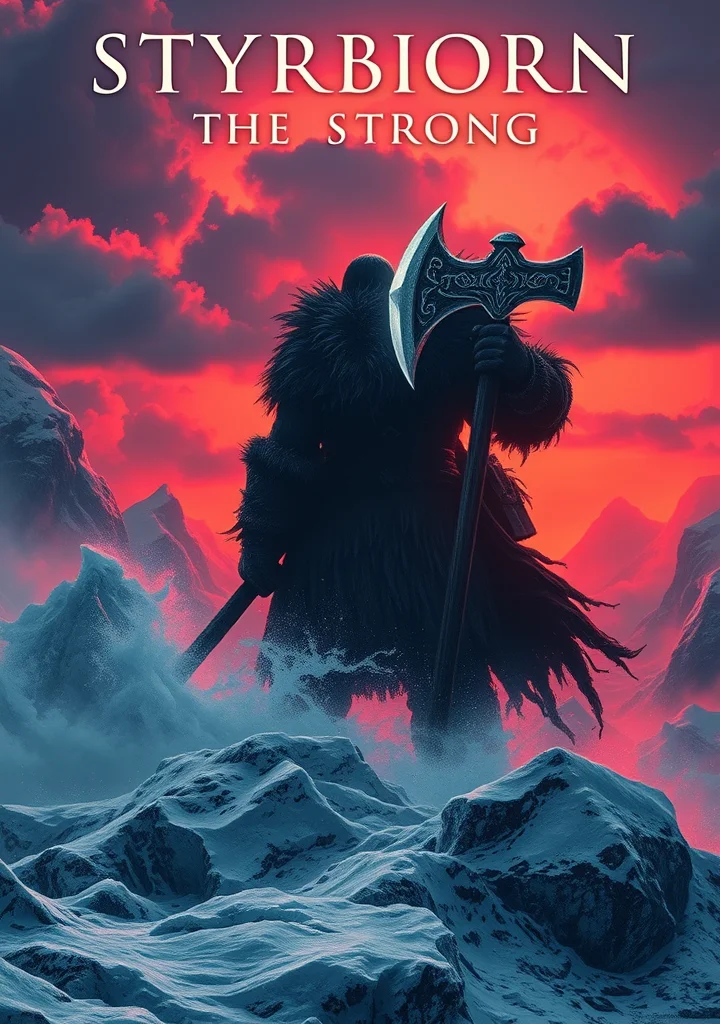
From shadowed fjords and ice-haunted coasts rises a tale of kings and sorcery steeped in the ancient North. Eddison’s *Styrbiorn the Strong* breathes with the chill of forgotten gods and the clang of steel on frost-rimed shields. A land gripped by the creeping dread of the Nerathi—a race of spectral warriors born from the blackest winters—awaits a champion. Styrbiorn, a giant of a man, forged in the crucible of brutal winters and haunted by ancestral echoes, is that answer. But this is not a simple saga of heroism. The very stones of the North weep with the weight of a dying age, and Eddison’s prose weaves a tapestry of decaying grandeur. Palaces crumble beneath the weight of encroaching ice, while the halls of kings echo with the whispers of ambition and betrayal. A creeping darkness seeps from the desolate bogs, a sickness of the soul mirroring the decay of the land. The air is thick with the scent of brine, woodsmoke, and something older—something woven from the runes carved into glacial ice. Each clash of arms, each whispered curse, feels etched in the very bedrock of the world. *Styrbiorn* is a descent into a twilight world where honor is measured in blood and shadows hold the keys to both salvation and oblivion. It is a world where the line between the living and the dead is blurred by the perpetual twilight of the North, and where even victory tastes of ash and regret. A slow, deliberate unraveling of light, consumed by the encroaching darkness.

40 Part
A creeping dread permeates the provincial air of this forgotten corner of Russia. The narrative clings to the suffocating heat of summer, to the stifling interiors of decaying estates, and the feverish imaginings of a boy named Mitya. He is not merely mischievous, but possessed—a vessel for something ancient and malevolent that stirs within the stagnant pools of his family’s decline. The story unfolds through the distorted lens of a local schoolmaster, obsessed with cataloging Mitya’s every transgression, every whispered blasphemy. But it is not Mitya's actions that haunt, but the suffocating weight of his inevitability. The boy’s ‘demonism’ isn't a mere childish outburst; it's a rot blooming from the heart of the land itself. Each chapter descends further into a mire of suspicion, where the boundary between reality and hallucination dissolves in the oppressive humidity. Whispers of pagan rites, the stench of decaying flowers, and the echoing silences of abandoned churches weave a tapestry of decay. The true horror isn't the boy’s monstrous acts, but the realization that the rot is not contained within him—it’s woven into the very fabric of their lives, a slow, insidious possession of the soul. The narrative is suffocated by the scent of dust, the weight of unsaid things, and the suffocating knowledge that something terrible has been unleashed, not upon the world, but *within* it. The atmosphere is one of unbearable, creeping stagnation—a world where even sunlight feels like a suffocating weight.