
Tarzan of the Apes
  • 189
  • 0
  • 31
  • Reads 189
  • 0
  • Part 31
Completed, First published Mar 02, 2026

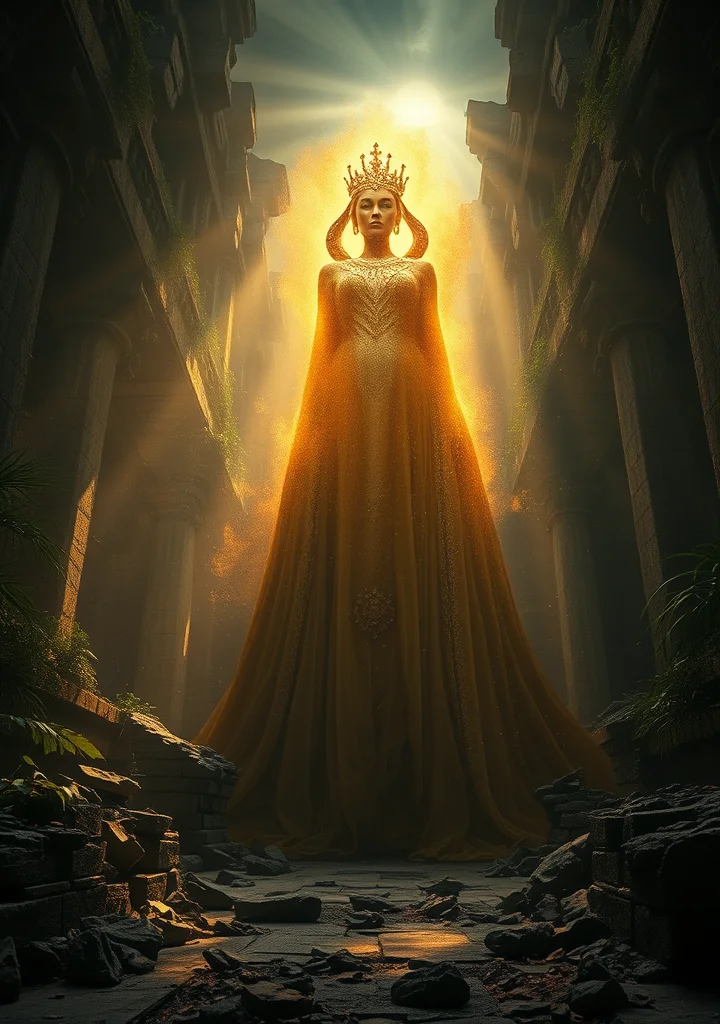
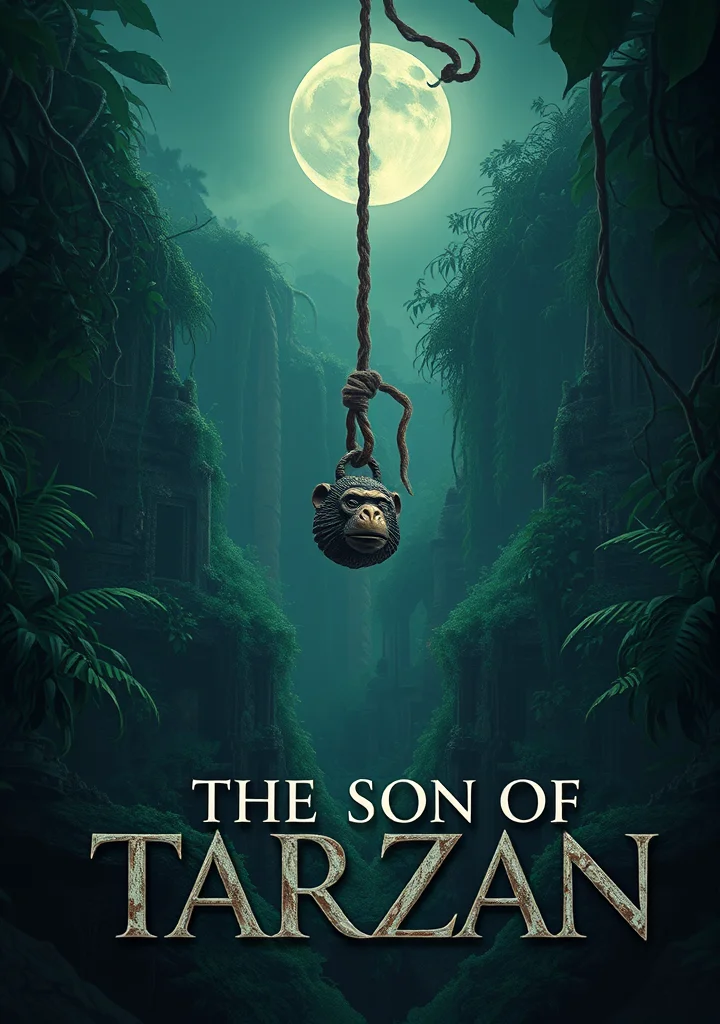
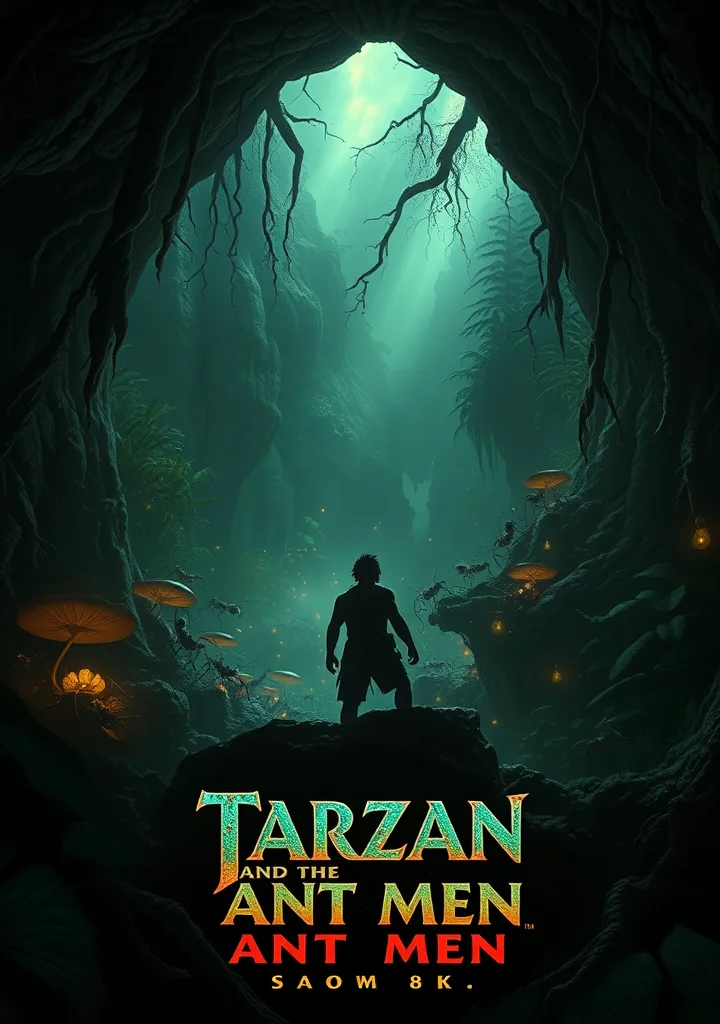
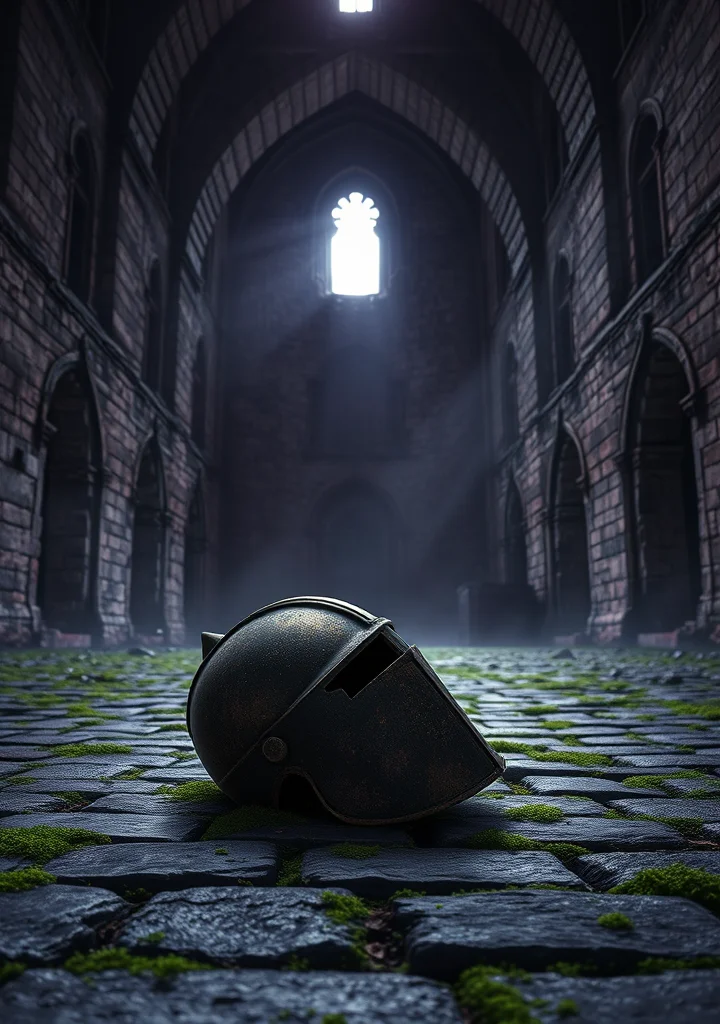
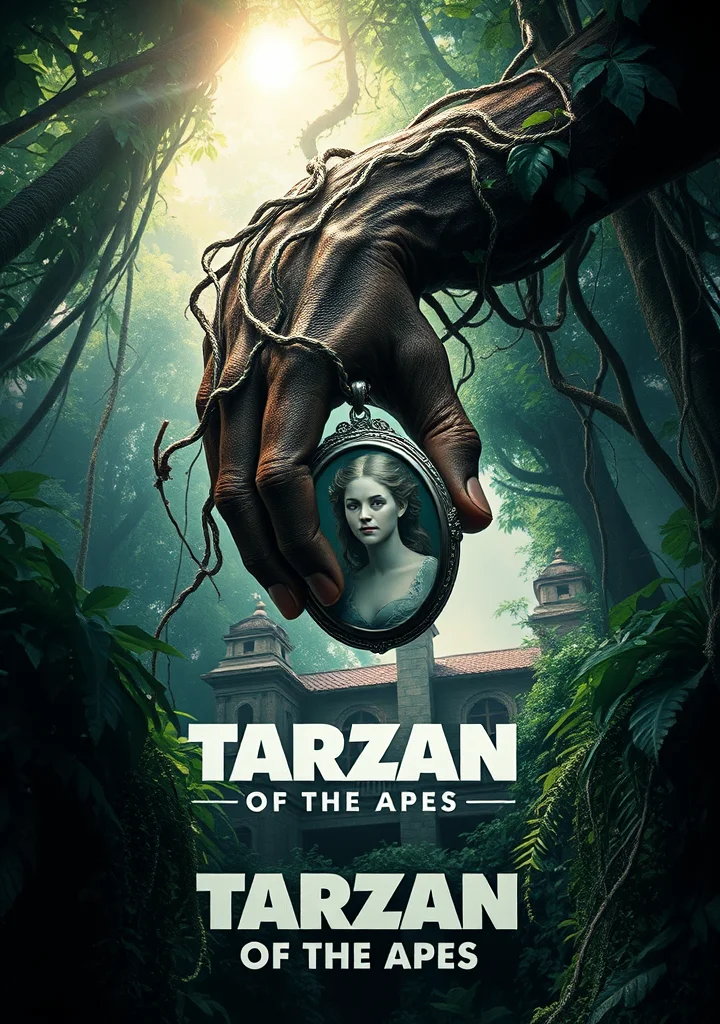
A suffocating jungle presses in, not with verdant life, but with the weight of forgotten gods and the echoes of primal screams. Sun-drenched vines tangle around crumbling estates reclaimed by green decay, haunted by the ghost of a lineage lost to savagery. The air hangs thick with the scent of rot and the musk of beasts, mirroring the feral heart blooming within a boy abandoned to the wild. He is not born of this place, yet he *is* its consequence – a creature sculpted by loss, raised on the brutal poetry of tooth and claw. The narrative coils like a strangler fig, twisting around the desperate yearning for connection amidst a kingdom built on bone. Shadows stretch long from the crumbling remnants of civilization, whispering of a heritage both magnificent and monstrous. A fractured legacy haunts every vine-choked corridor, every sun-bleached skull adorning a forgotten altar. It is a world where the boundaries between man and beast blur, where the echo of a forgotten name can summon a predator from the darkness, and where the only salvation lies in embracing the savage grace of a creature born of grief and clawing its way toward a throne of green. The jungle breathes, and it remembers everything. It remembers the boy, and it waits for his return.

Copyright: Public Domain
This license allows anyone to use your story for any purpose, including printing, selling, or adapting it into a film freely.

Recommended for you
56 Part
A creeping dread clings to the shadowed lanes surrounding Wildfell Hall, a manor steeped in rumour and whispered anxieties. The narrative unfolds through the anxious observations of a young gentleman drawn into the isolated community, but quickly becomes consumed by the mystery of its reclusive mistress, Helen. She arrives fleeing a monstrous secret, a husband whose depravity festers within the confines of their marriage. The Hall itself breathes with a history of decay, a gothic fortress concealing not merely stone and timber, but the unraveling of a woman’s spirit. The story is one of entrapment—not within walls, but within a marriage that slowly poisons the soul. Helen’s diary, unearthed like a tomb’s unearthed remains, reveals a descent into darkness, fuelled by alcohol-soaked brutality and the insidious erosion of self-worth. Every shadowed room, every stolen glance, echoes with the suffocating weight of a life slowly extinguishing under the weight of a monstrous devotion. The landscape mirrors the internal torment; bleak moors and desolate farmhouses reflect the emotional barrenness of her existence. A relentless tension builds, punctuated by the chilling details of her husband’s escalating cruelty, until the reader is left gasping with Helen, trapped within a nightmare of domestic horror. It is a tale of escape, yes, but the price of freedom is etched in scars both visible and unseen, leaving Wildfell Hall a monument to the harrowing power of abuse and the desperate will to survive.
6 Part
Dust motes dance in the gaslight of provincial theaters, clinging to the velvet drapes and the tarnished gilt of crumbling grandeur. A fever dream of ambition, *Lost Illusions* unfolds in a Paris steeped in shadow, where the scent of stale perfume mingles with the bitterness of thwarted dreams. The novel breathes with the stifled sighs of Lucien de Rubempré, a provincial editor cast adrift in a sea of cynical brilliance. Every cobbled street echoes with whispered betrayals, every drawing room glitters with the venom of social climbing. The air thickens with the rot of compromised ideals; a suffocating perfume of decaying morality. It’s a city of mirrors, reflecting not truth but the grotesque distortions of power. The narrative clings to you like a damp shroud, revealing a world where talent is bartered for influence, and innocence is devoured by the ravenous maw of the press. The characters move through perpetual twilight, haunted by the ghosts of their own making. Each revelation is a splinter of ice in the heart, each success a further descent into a labyrinth of disillusionment. The prose itself feels aged, brittle as parchment, stained with the ink of regret. It is a slow, insidious unraveling, a descent into the suffocating darkness where hope is extinguished, and only the hollow echoes of ambition remain. The final pages leave a residue of ash and despair, a chilling testament to the price of vanity and the corrosive nature of ambition.