
-
Read 449
-
0
-
Part 32
Completed, First published Mar 02, 2026
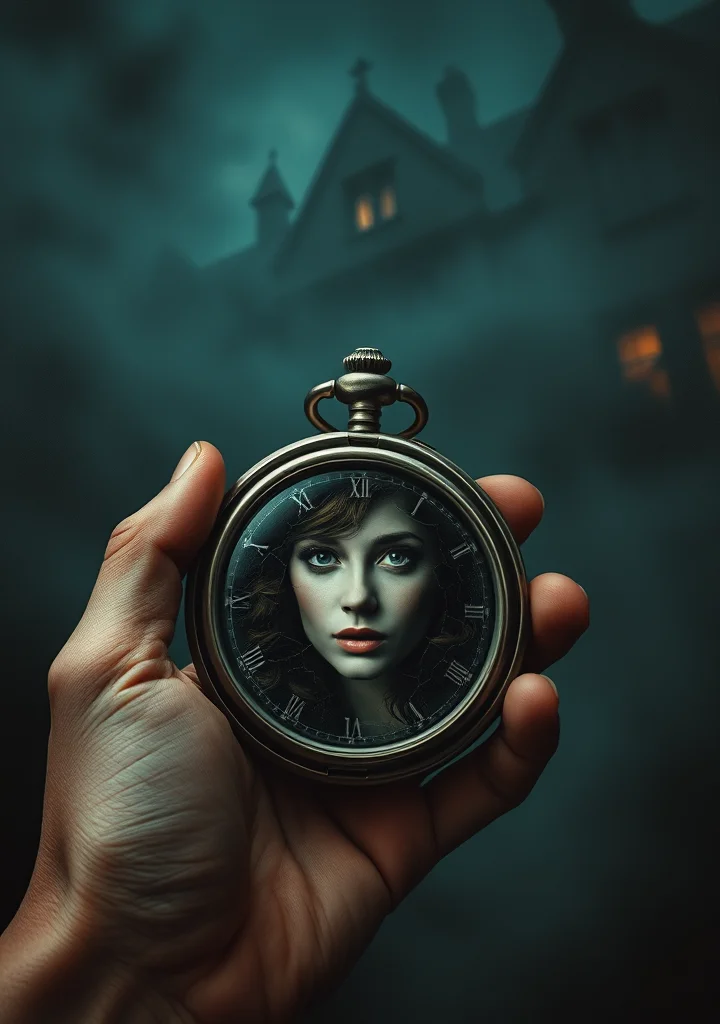
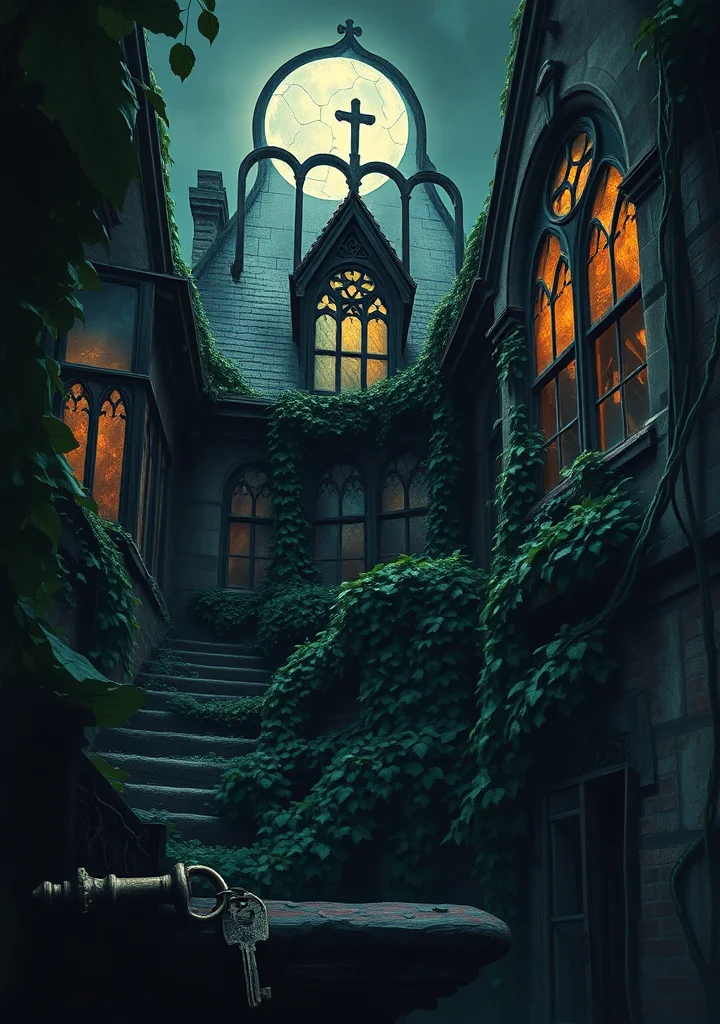
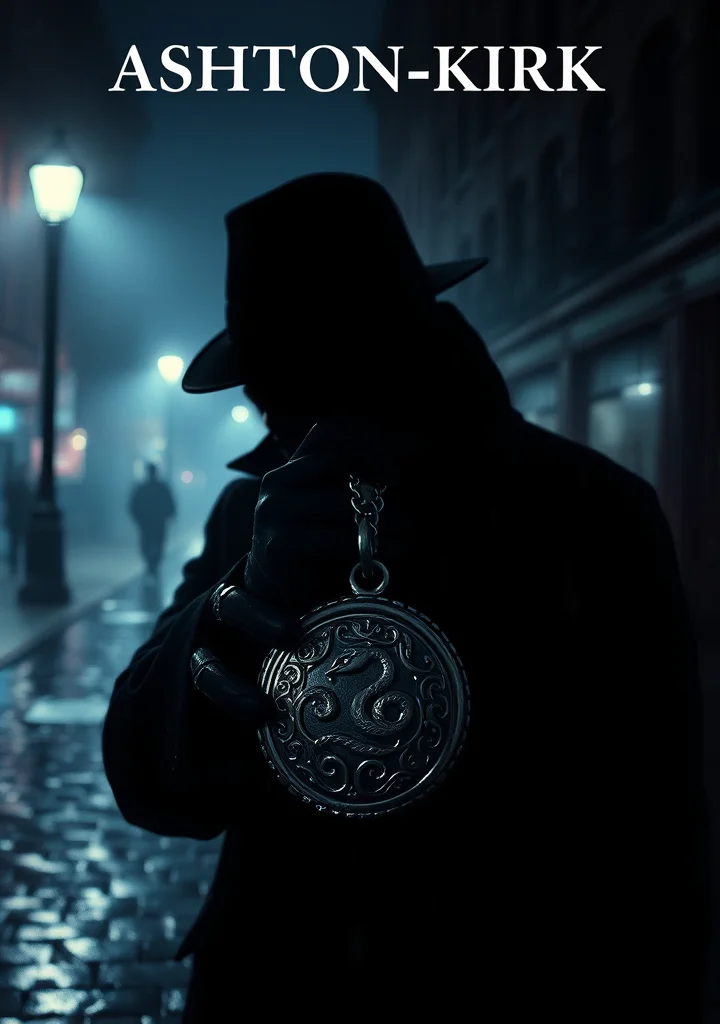
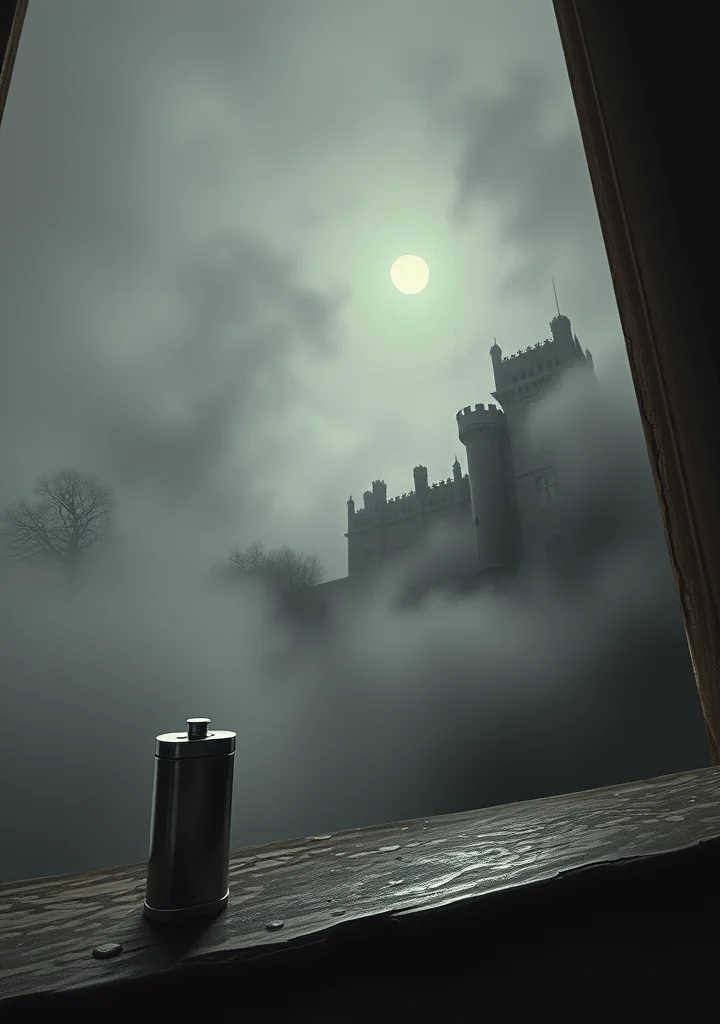
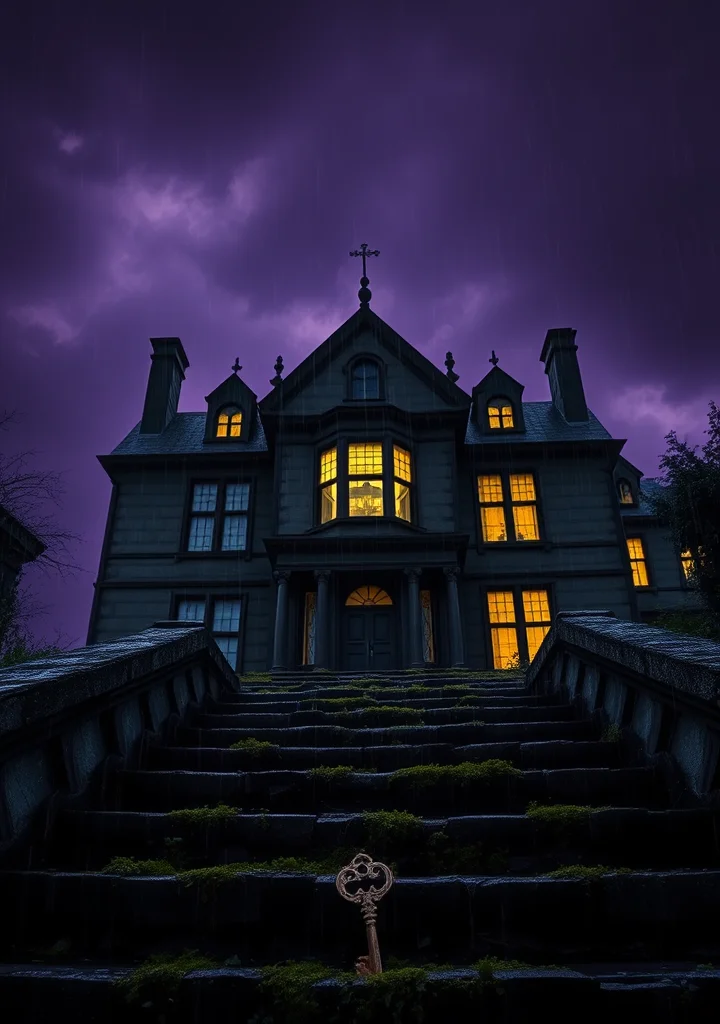
A creeping dread clings to the shadowed corners of Black Dudley, a crumbling manor house steeped in generations of whispered secrets. The chill of the Yorkshire moors seeps into the very stones, mirroring the icy fear that grips the isolated household. A brutal act—a theft culminating in murder—fractures the brittle peace, revealing a network of resentments and hidden alliances within the family’s decaying lineage. Dust motes dance in the slivers of moonlight that penetrate the leaded windows, illuminating portraits whose eyes seem to follow every move. The investigation unravels not with swift clarity, but with the slow, suffocating reveal of a past riddled with betrayal and avarice. Each room breathes with the weight of forgotten histories, while the oppressive silence outside hints at the watchful presence of something ancient and unforgiving within the surrounding woods. The air tastes of damp earth and decay, thick with the scent of regret, as the truth emerges—a darkness not merely *in* Black Dudley, but *of* Black Dudley, woven into its very foundations. It is a place where the boundaries between victim and predator blur, and where the scent of lavender and old money masks the metallic tang of blood.
Copyright: Public Domain
This license allows anyone to use your story for any purpose, including printing, selling, or adapting it into a film freely.
This license allows anyone to use your story for any purpose, including printing, selling, or adapting it into a film freely.
Chapter List
-
« The Crime at Black Dudley »📖 Continue Reading
-
« Chapter_3 »
-
« The Crime at Black Dudley »
-
« I »
-
« II »
-
« III »
-
« IV »
-
« V »
-
« VI »
-
« VII »
-
« VIII »
-
« IX »
-
« X »
-
« XI »
-
« XII »
-
« XIII »
-
« XIV »
-
« XV »
-
« XVI »
-
« XVII »
-
« XVIII »
-
« XIX »
-
« XX »
-
« XXI »
-
« XXII »
-
« XXIII »
-
« XXIV »
-
« XXV »
-
« XXVI »
-
« XXVII »
-
« XXVIII »
-
« XXIX »
32
-
« The Crime at Black Dudley »
-
« Chapter_3 »
-
« The Crime at Black Dudley »
-
« I »
-
« II »
-
« III »
-
« IV »
-
« V »
-
« VI »
-
« VII »
-
« VIII »
-
« IX »
-
« X »
-
« XI »
-
« XII »
-
« XIII »
-
« XIV »
-
« XV »
-
« XVI »
-
« XVII »
-
« XVIII »
-
« XIX »
-
« XX »
-
« XXI »
-
« XXII »
-
« XXIII »
-
« XXIV »
-
« XXV »
-
« XXVI »
-
« XXVII »
-
« XXVIII »
-
« XXIX »
More like this