
Psmith, Journalist
  • 151
  • 0
  • 32
  • Reads 151
  • 0
  • Part 32
Completed, First published Mar 02, 2026

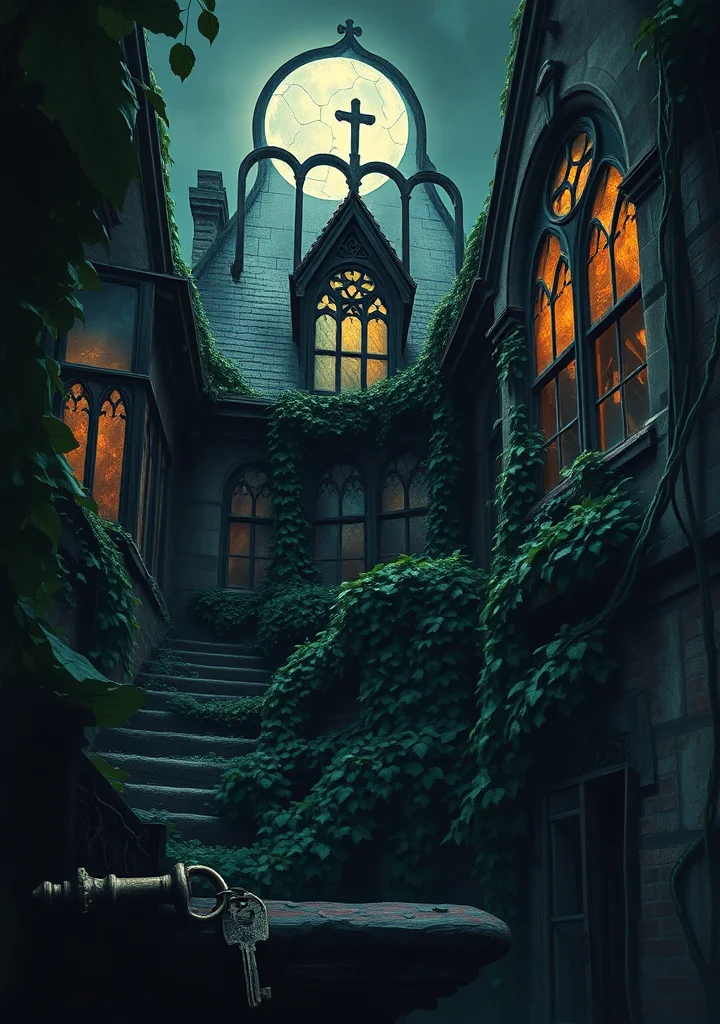
A creeping fog clings to the ancient manor of Blandings Castle, not of spectral dread, but of stifled ambition and simmering social anxieties. Within its shadowed halls, the newly arrived Psmith – a young man of unnerving composure and preternatural calm – is a phantom amongst the gentry, his presence a subtle disruption to the established order. Though ostensibly a journalist, his true motives are veiled in the same elegant obscurity as the castle’s winding corridors. The air hangs thick with the scent of damp earth and simmering resentments. Each encounter is a carefully orchestrated dance of polite facades masking clandestine schemes. The narrative unfolds as a series of shadowed observations, overheard whispers, and furtive movements through the castle’s labyrinthine grounds. A sense of stifled claustrophobia permeates the narrative, mirroring the suffocating weight of societal expectations. The narrative isn’t of outright horror, but of a slow, creeping unease as Psmith unravels the delicate threads of deception. The shadows themselves seem to listen, to observe, to anticipate the inevitable unraveling of Blandings’ carefully constructed world. It's a world where every smile is a performance, every silence a carefully guarded secret, and where Psmith, with his unnerving grace, is poised to expose the rot beneath the gilded veneer.
Copyright: Public Domain
This license allows anyone to use your story for any purpose, including printing, selling, or adapting it into a film freely.
Recommended for you
32 Part
Dust motes dance in perpetual twilight within the crumbling manor of Blackwood, a shadow clinging to the Yorkshire moors. Old Man Hemlock, a recluse haunted by whispers of forgotten sins, claims the earth itself has shuddered – not from earthquake or war, but from a grief so ancient it cracks the very foundations of reality. The tremors coincide with the arrival of young Alistair, a scholar driven by feverish ambition to unearth Blackwood’s lineage. He finds not history, but echoes – a lineage stained by ritual, by bargains struck with something cold and vast beneath the peat bogs. The air thickens with the scent of damp earth and decaying roses, each room a sepulchre echoing with the laughter of children long dead. Alistair’s investigations are shadowed by the silent, watchful housekeeper, a woman whose face is etched with a sorrow that predates the manor itself. As the world *does* shake – subtly, sickeningly – a creeping dread seizes the village. Livestock vanish, shadows lengthen beyond reason, and the villagers speak of a stone circle awakened by Hemlock’s lamentations. The truth, when it surfaces, is less a revelation than an unraveling. Blackwood isn’t merely built upon ancient ground; it *is* the wound in the world, a place where the veil thins and the hunger of the old gods stirs. The tremors aren’t the earth’s agony, but the pulse of something vast and terrible rising from the depths, demanding to be remembered, to be *felt* once more. Alistair, caught in its orbit, must choose between oblivion and becoming another stone in the edifice of its dreadful, silent reign.
101 Part
A creeping fog clings to the Yorkshire moors, mirroring the secrets held within the hearts of five strangers bound together by chance and a shared, unsettling journey. The year is nineteen thirty-one, and the weight of England’s failing industries presses down on each companion like a suffocating shroud. But this is no mere tale of economic hardship. It’s a slow unraveling, a gothic pilgrimage across a landscape haunted by fractured memories and the ghosts of unspoken desires. Each character carries a fragment of a forgotten tragedy, their pasts woven into the very fabric of the crumbling pubs and desolate railway lines they traverse. The narrative breathes with a melancholic rhythm, echoing the rhythmic clatter of train wheels and the mournful cry of distant sheep. A sense of premonition hangs heavy – not of spectacular doom, but of quiet, insidious decay. The camaraderie feels brittle, laced with suspicion and a desperate need to understand the shadows lurking within their companions’ eyes. As the companions draw closer to London, the oppressive atmosphere intensifies, mirroring the city’s labyrinthine streets and the moral murk beneath its glittering façade. A creeping sense of inevitability settles upon them, hinting that their shared journey isn’t merely across England, but towards a reckoning with the darkness within themselves. It’s a story told in hushed tones, where the true horrors aren’t found in grand gestures, but in the silences between words and the chilling recognition of shared, unacknowledged grief.