
-
Read 644
-
0
-
Part 24
Completed, First published Mar 02, 2026
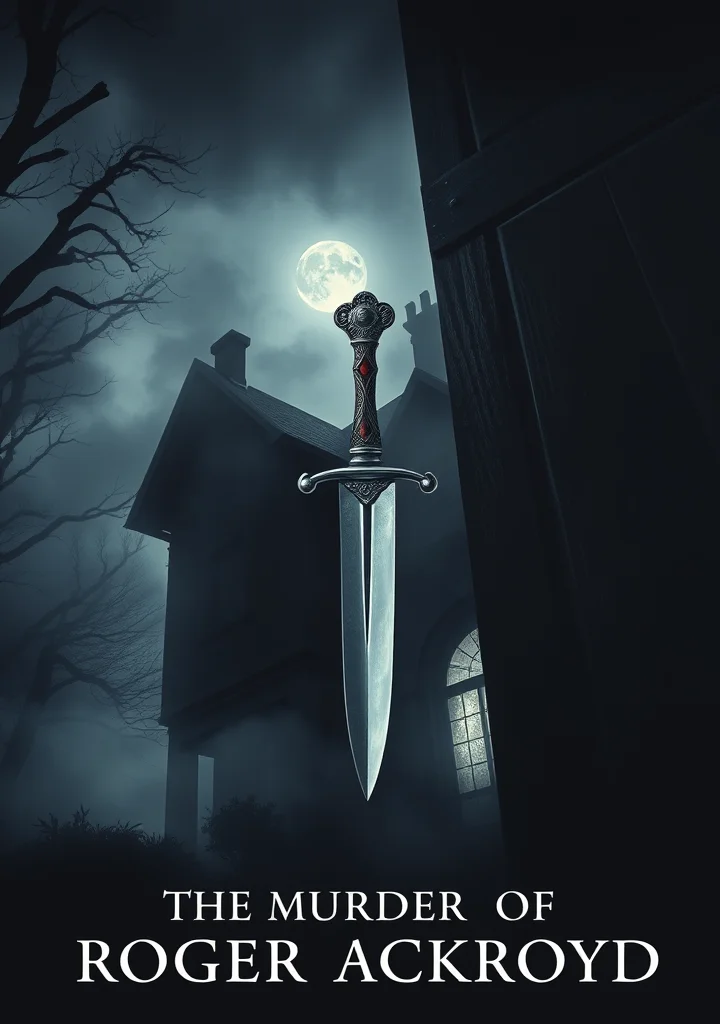
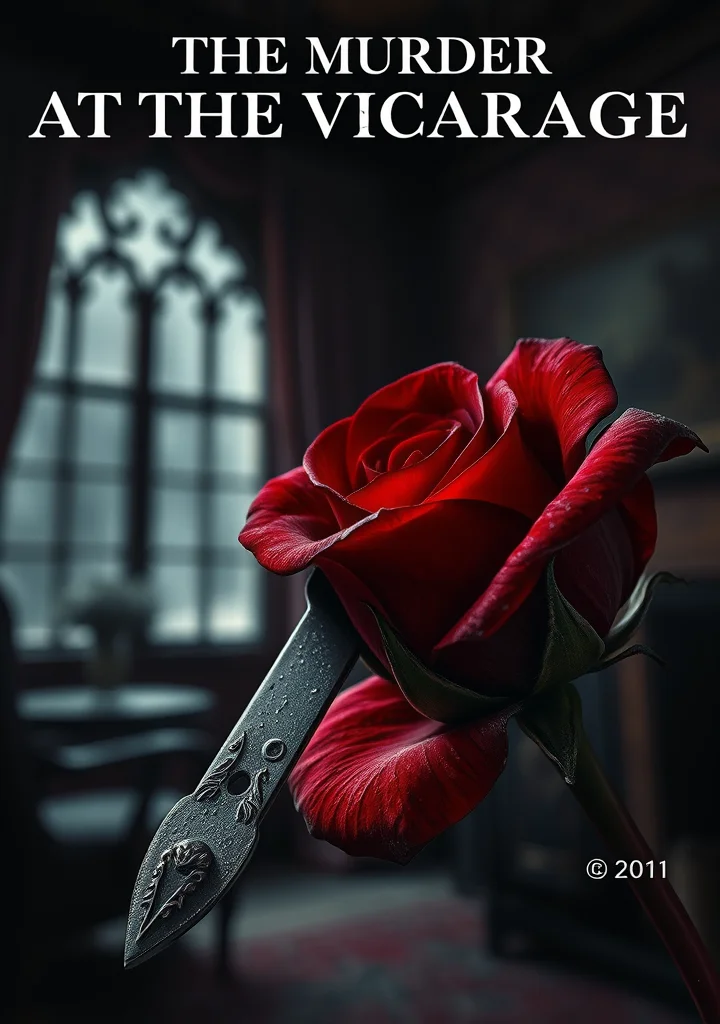
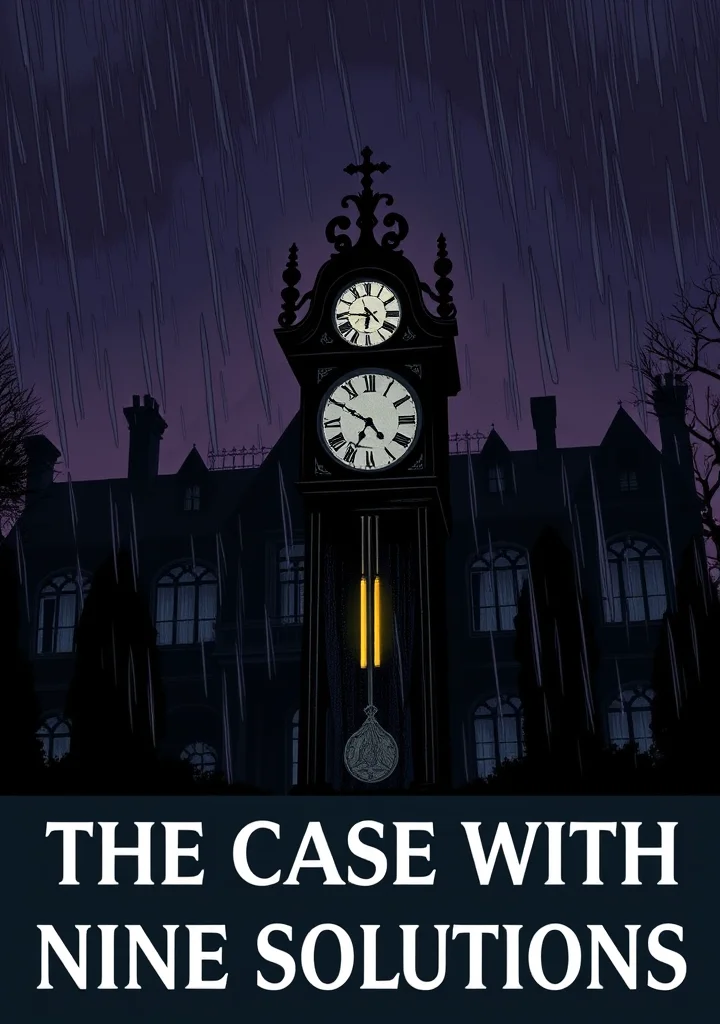
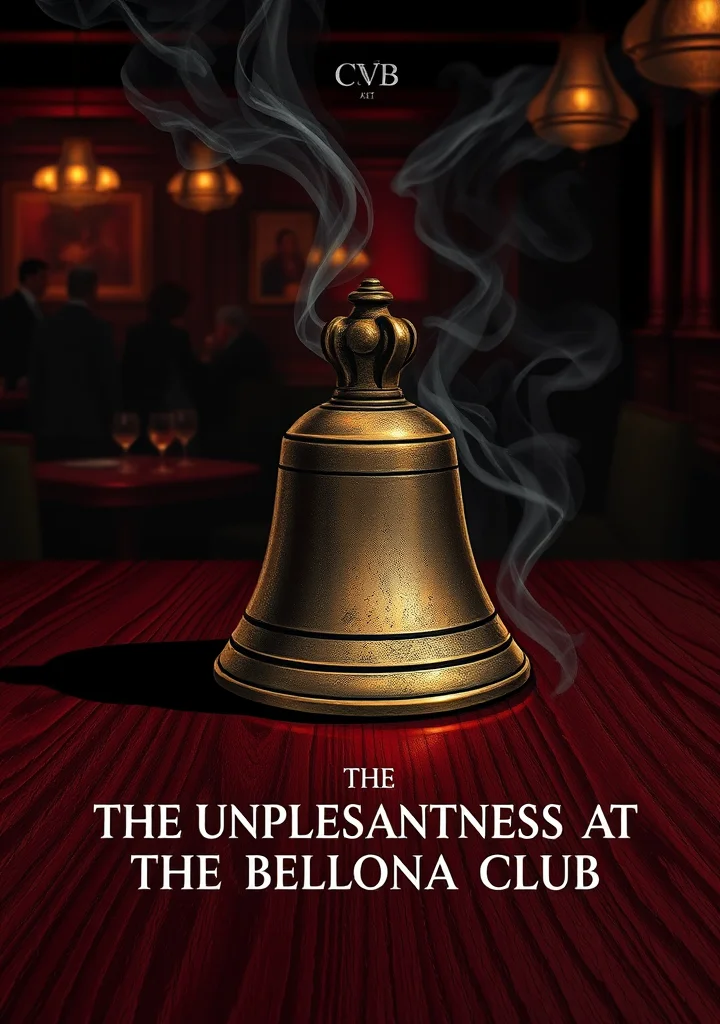
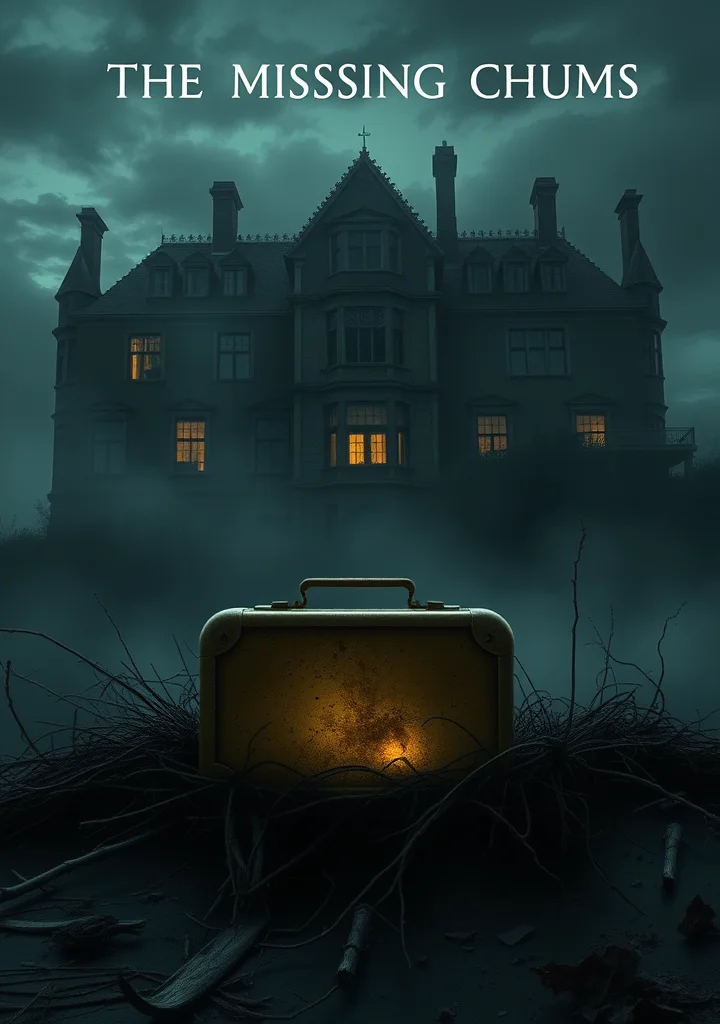
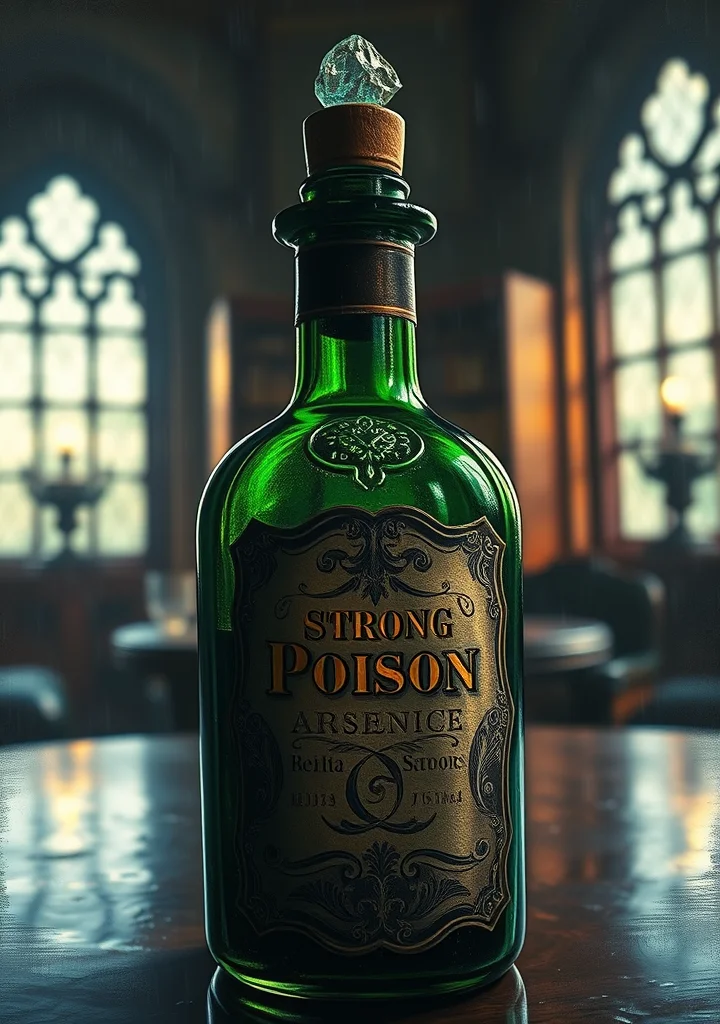
A chilling draught rises from the shadowed corners of a country estate, clinging to the damp stone and the scent of dying blooms. The air tastes of arsenic and suppressed scandal. A brilliant chemist, a woman of singular, unsettling intellect, finds herself irrevocably entangled with a murder investigation – not as the detective, but as the prime suspect, shadowed by a suffocating suspicion that clings like graveyard fog. This is a story steeped in the suffocating politeness of a closed society, where every smile masks a carefully guarded secret, and every kindness feels laced with a subtle, poisonous intent. The investigation unravels not through grand chases or heroic deductions, but through a slow, agonizing unraveling of social grace, revealing the rot beneath the polished veneer of privilege. A claustrophobic dread permeates the narrative, born not of overt horror but of the insidious creep of doubt, the corrosive power of whispered accusations, and the suffocating weight of a love that dares to bloom amidst a garden of deadly blooms. It’s a darkness that doesn’t scream, but whispers, seeps into the bone, and leaves you questioning if the true poison lies in the vial, or in the hearts of those who wield it.
Copyright: Public Domain
This license allows anyone to use your story for any purpose, including printing, selling, or adapting it into a film freely.
This license allows anyone to use your story for any purpose, including printing, selling, or adapting it into a film freely.
More like this