
The Time Machine
  • 97
  • 0
  • 15
  • Reads 97
  • 0
  • Part 15
Completed, First published Mar 02, 2026

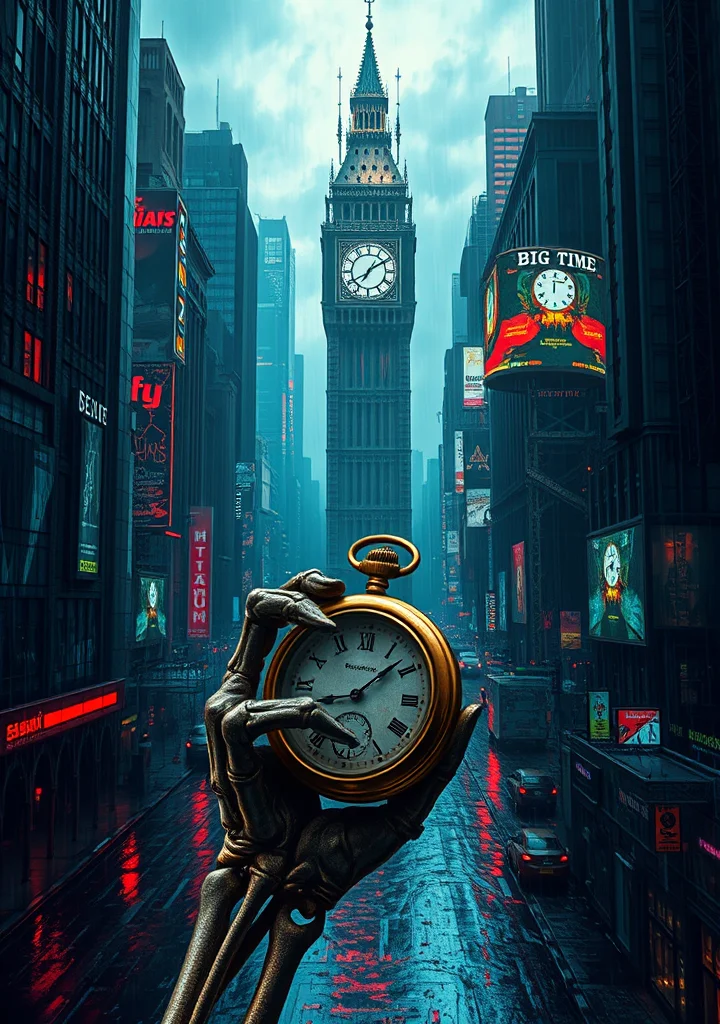
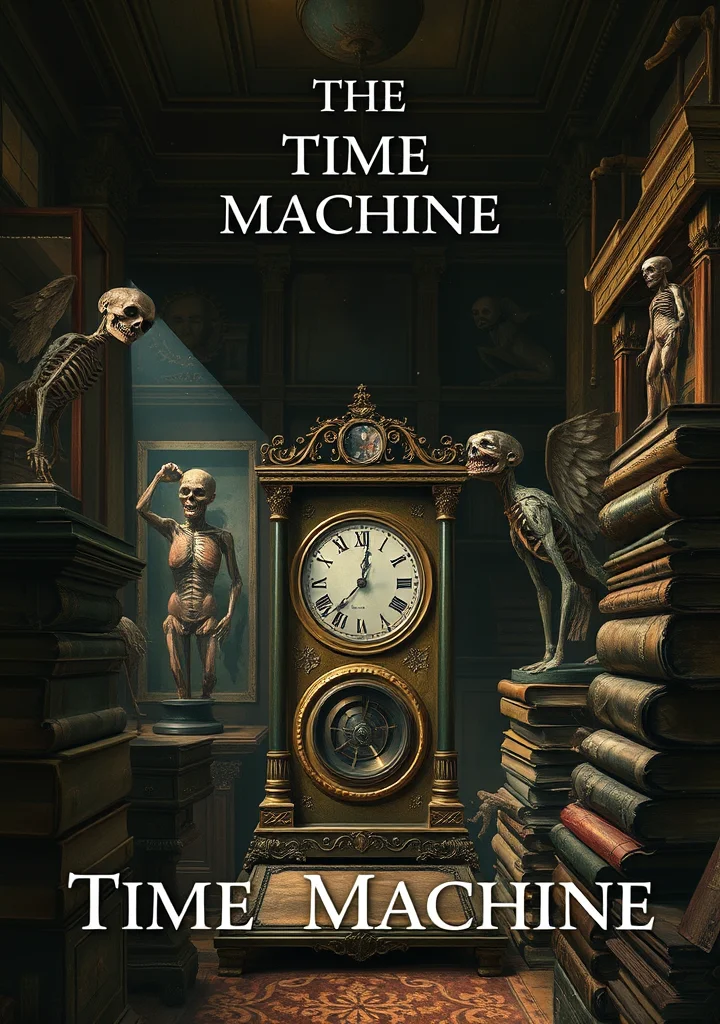
Dust motes dance in the perpetual twilight of a Victorian study, the scent of oiled brass and decaying leather clinging to the air. A chill, not of the season but of ages past, seizes you as the narrative unfolds—not through grand spectacle, but through the creeping dread of observation. The Time Machine isn’t a vehicle of heroism, but a descent into a hollowed earth where humanity has fractured into grotesque caricatures of its former self. Each stratum of the future is draped in a suffocating melancholy, a decaying beauty where pale, languid figures haunt the ruins of industry. The air grows thick with the silence of vast, forgotten epochs, broken only by the rustle of dry leaves underfoot and the echoing cries of creatures both beautiful and monstrous. Wells doesn’t offer a blaze of revelation, but a slow unraveling of hope, a gradual erosion of empathy as the traveller witnesses the atrophy of civilization. The narrative is laced with the taste of ash and the weight of millennia. It is a descent into a sepulchre of lost potential, where the shadows lengthen and the final, suffocating darkness isn't merely temporal, but existential. A creeping sense of isolation permeates the story; the traveller isn't merely *in* the future, he is *apart* from it—a ghost haunting the bones of a dying world. The true horror isn't what is seen, but the realization of what is *become*.
Copyright: Public Domain
This license allows anyone to use your story for any purpose, including printing, selling, or adapting it into a film freely.

Recommended for you
15 Part
Dust motes dance in the perpetual twilight of a London nursery, where a carpet woven with ancient symbols stirs to life. Not with thread and dye, but with the embers of forgotten djinn, bound to obey a boy’s whim. A phoenix, magnificent and terrible, unfolds from its crimson threads, a creature of scorching desire and ash-grey regret. The house itself seems to breathe with the bird’s fiery heart, shadows lengthening into monstrous shapes as the carpet’s magic pulls at the seams of reality. The scent of cinnamon and burning feathers clings to the air, thick with whispers of a past where wishes are bought with stolen sunsets. Each flight of the phoenix, each murmured command, unravels another layer of the nursery’s gilded cage, revealing a world both exhilarating and deeply, unnervingly lonely. The very floorboards groan beneath the weight of impossible journeys, echoing with the laughter of children lost in the labyrinth of their own making. A creeping dread settles amongst the velvet curtains and porcelain dolls, a premonition that the power granted is not freely given. The carpet doesn't merely transport; it *remembers*. It holds the echoes of every longing, every secret, every shadowed bargain struck within its weave. And as the phoenix circles higher, the nursery – and the lives bound within it – begin to unravel, consumed by a hunger that stretches beyond the reach of childish dreams. The air itself tastes of smoke and forgotten promises.


38 Part
A shadowed inheritance. The scent of magnolia and decay clings to the Louisiana plantation where Iola Leroy, a woman passing for white, is drawn into a web of concealed histories and simmering resentments. She moves as a phantom through drawing rooms lit with candelabra fire, her own past a carefully constructed illusion. The air thickens with the whispers of those she has left behind—the mother she can barely recall, the stolen childhood, the weight of a lineage fractured by the auction block. But the house itself breathes with a history far older than its owners, a history woven into the very timbers and draped in the Spanish moss that suffocates the grounds. Every chipped porcelain doll, every tarnished silver frame, seems to watch her with vacant, accusing eyes. Iola’s every kindness is met with a chilling politeness that hides a predatory hunger. The narrative unravels like a tapestry frayed by moths—fragments of letters, snatched conversations overheard in darkened hallways, the slow, deliberate reveal of a secret that threatens to consume Iola’s fragile composure. A sense of creeping dread permeates the narrative, born not from overt violence, but from the stifling weight of expectation, the suffocating silence of complicity, and the ever-present fear of exposure. The garden blooms with poisonous beauty, mirroring the delicate lies upon which Iola’s existence is built. The novel is a slow descent into a haunted landscape of the heart, where the boundaries between self and shadow blur, and the price of freedom is measured in stolen breaths and half-truths.