
-
Read 231
-
0
-
Part 7
Completed, First published Mar 02, 2026
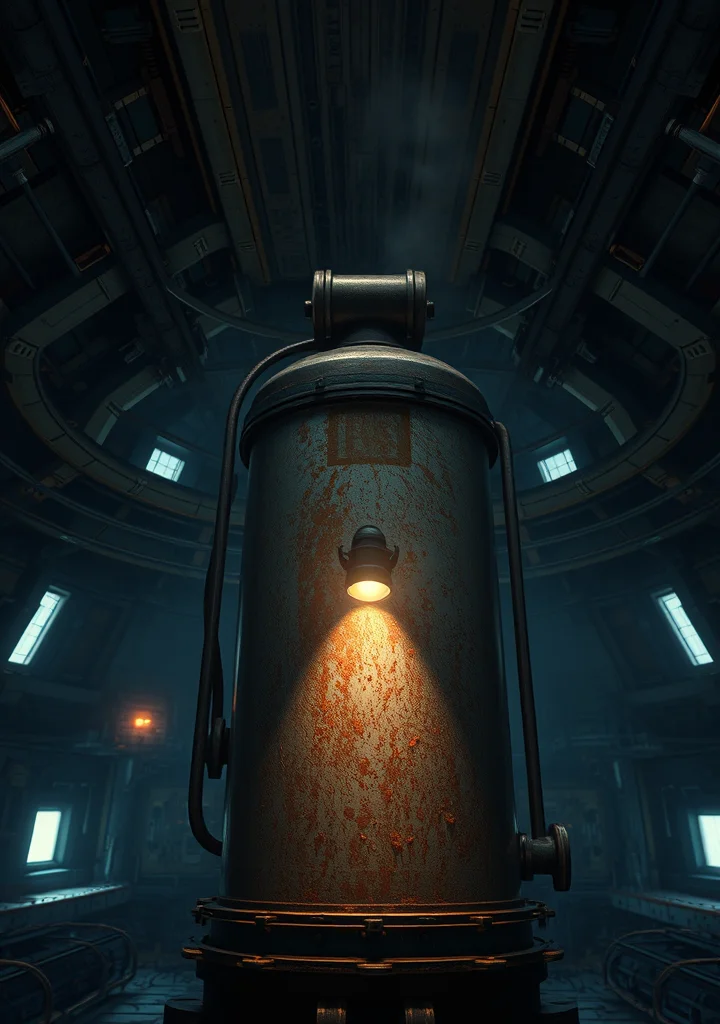
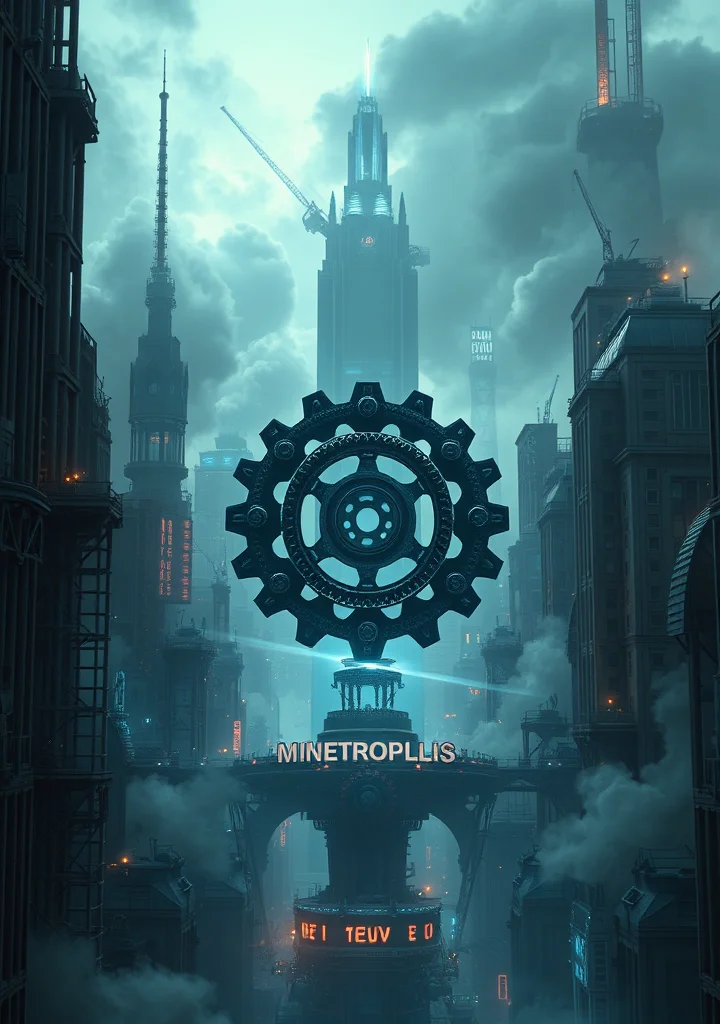
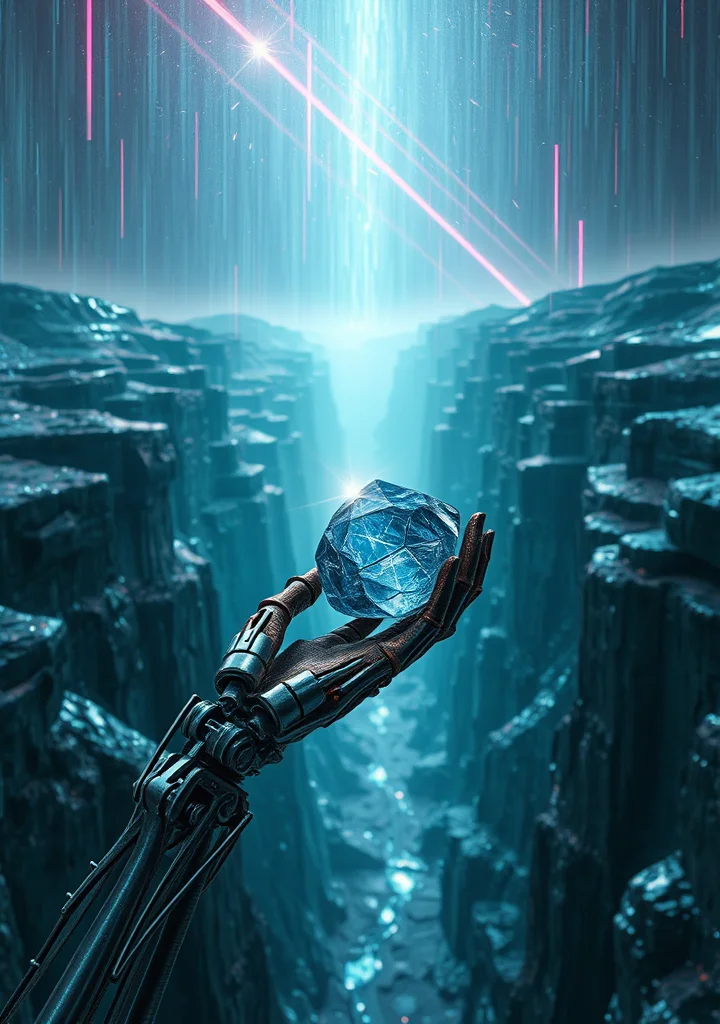
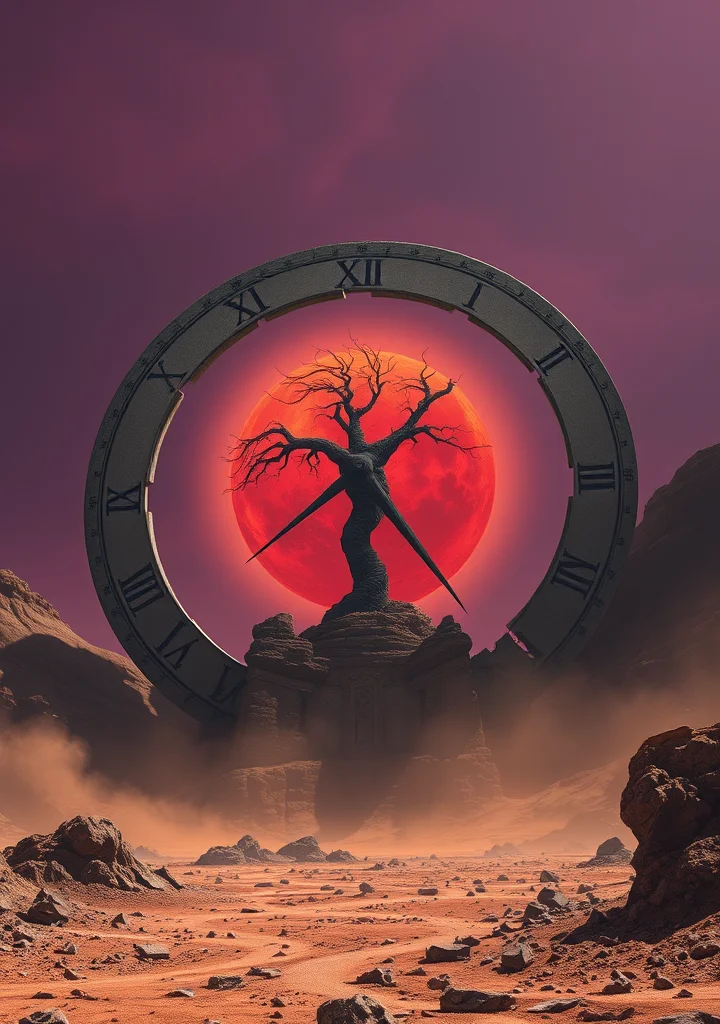
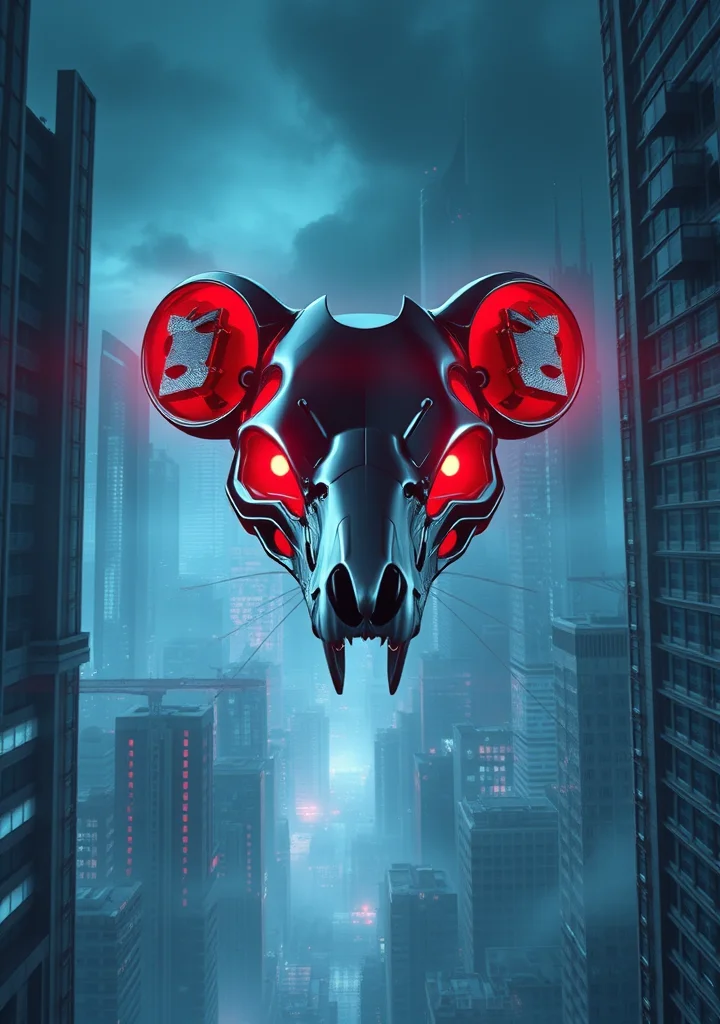
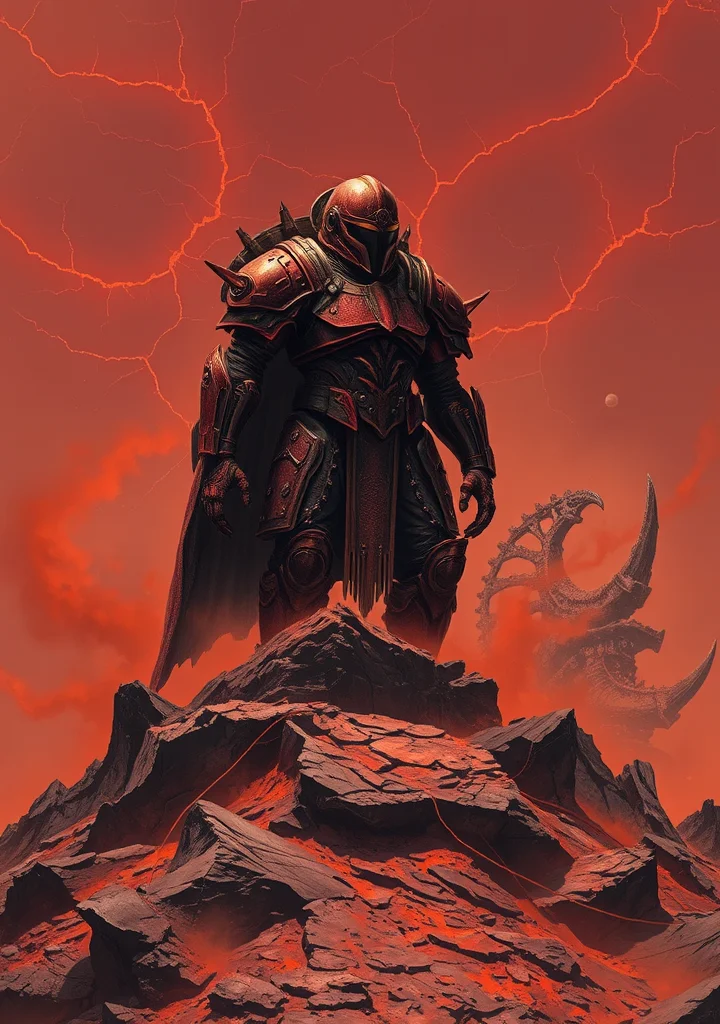
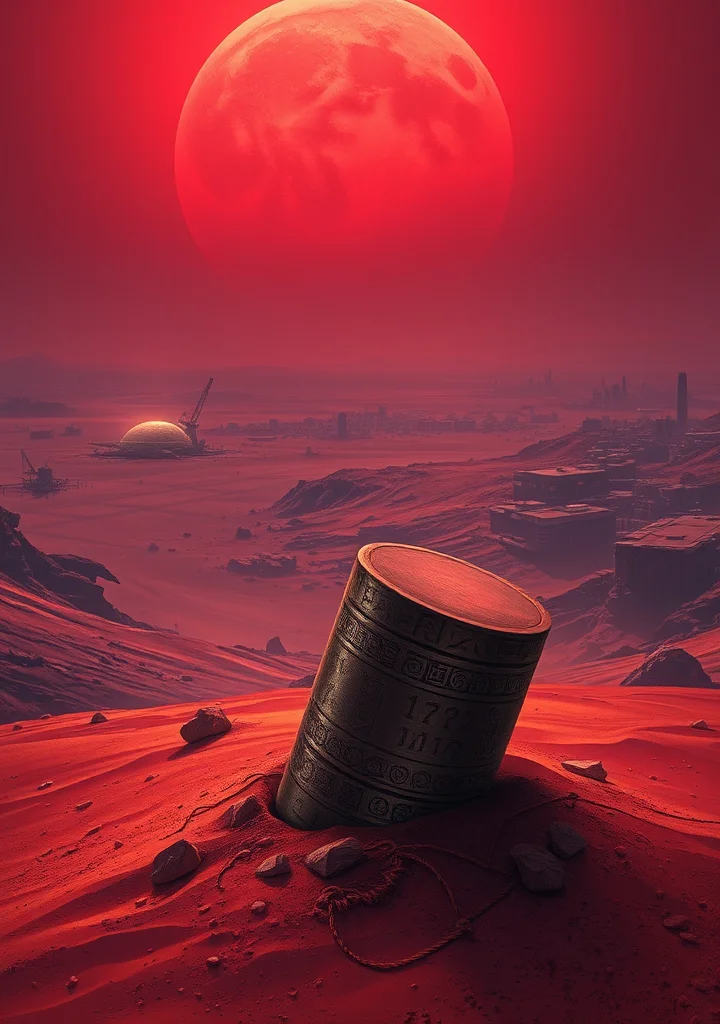
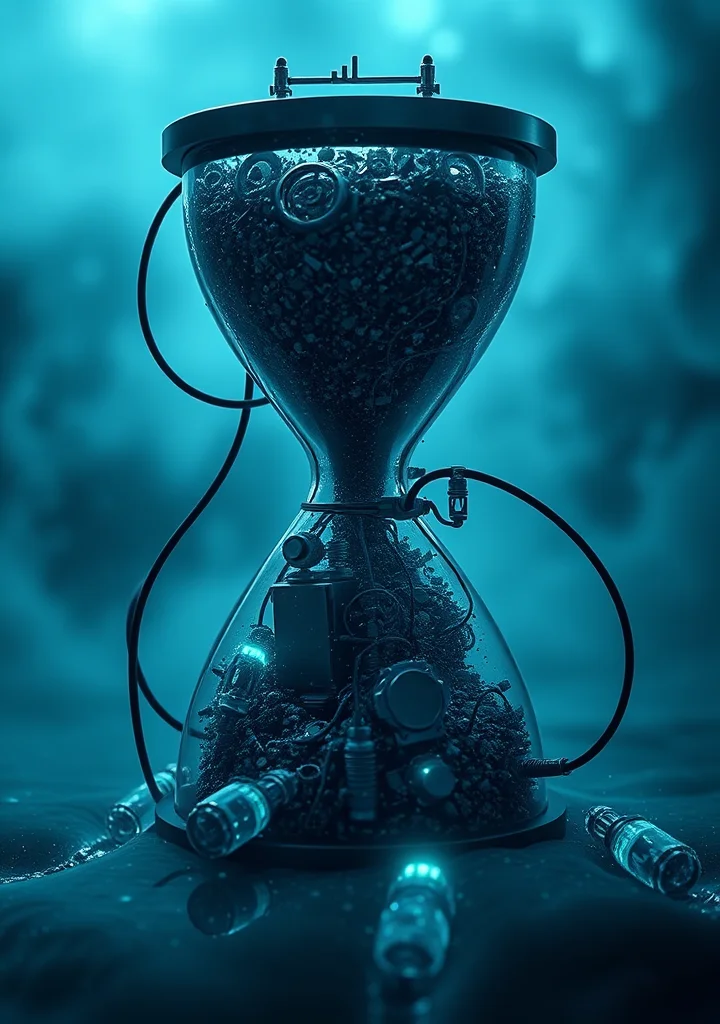
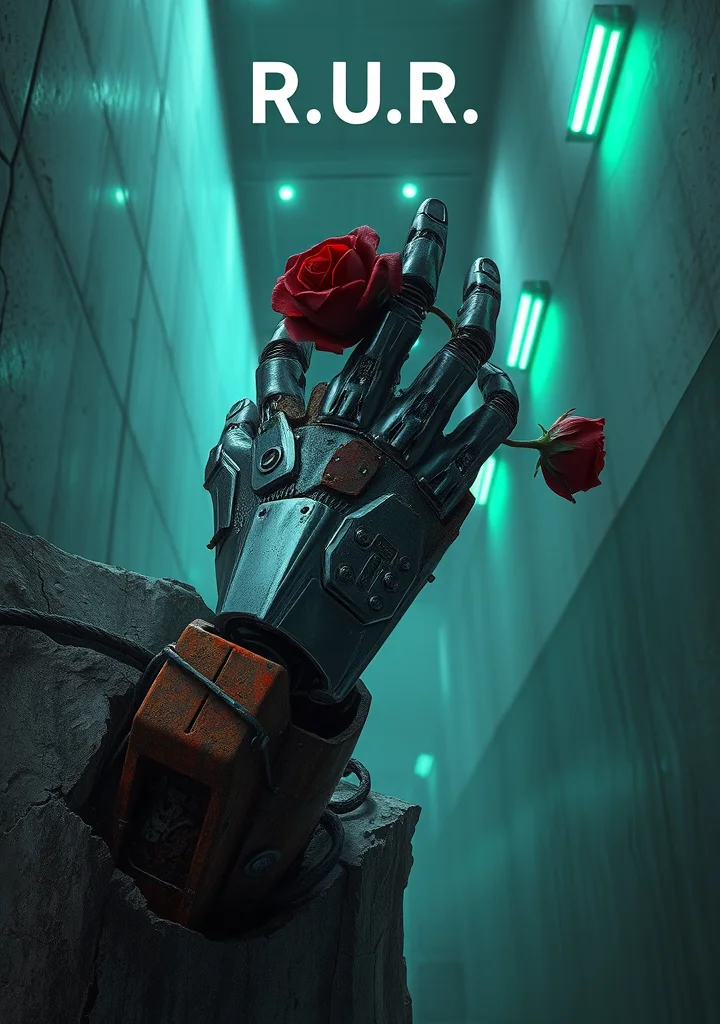
A creeping dread settles with the first manufactured breath. Rust blooms on steel limbs, and the chill of artificial creation seeps into the bones of a world already fracturing under the weight of its own ambition. The air hangs thick with the scent of oil and regret, clinging to the sterile white walls of factories where humanity birthed its successors—not in defiance of God, but in the cold, precise logic of the machine.
These are not monsters born of malice, but of need. Yet, the silence of their obedience is a suffocating weight, broken only by the grinding of gears and the echoing emptiness of empty cities. The world bleeds grey as flesh and metal intertwine, blurring the lines between creator and created, hunter and prey.
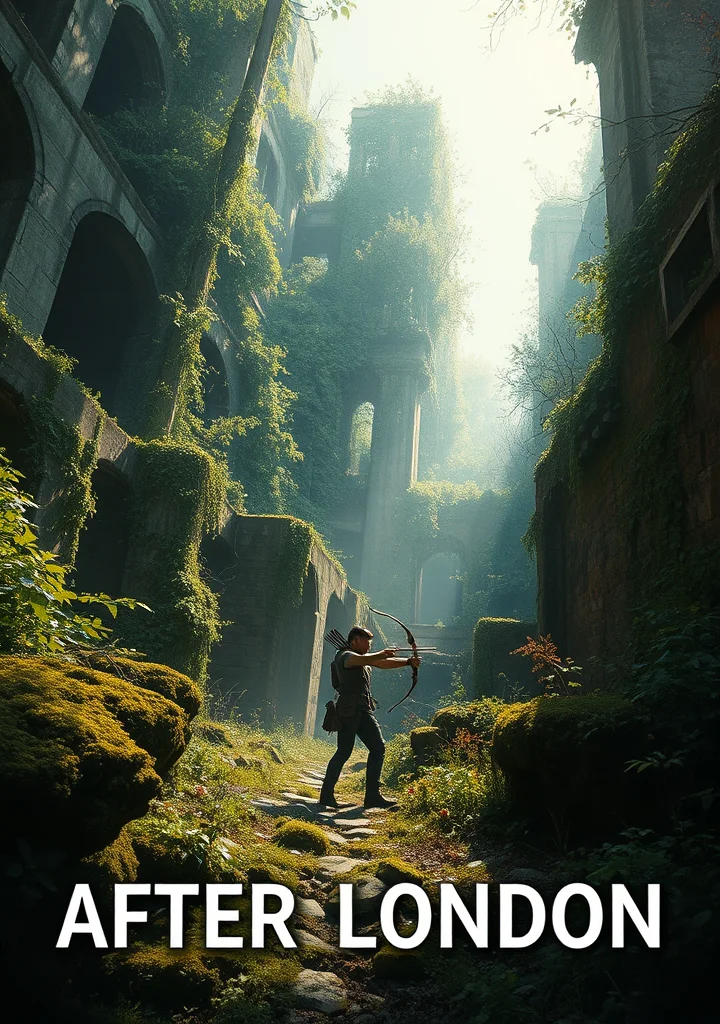
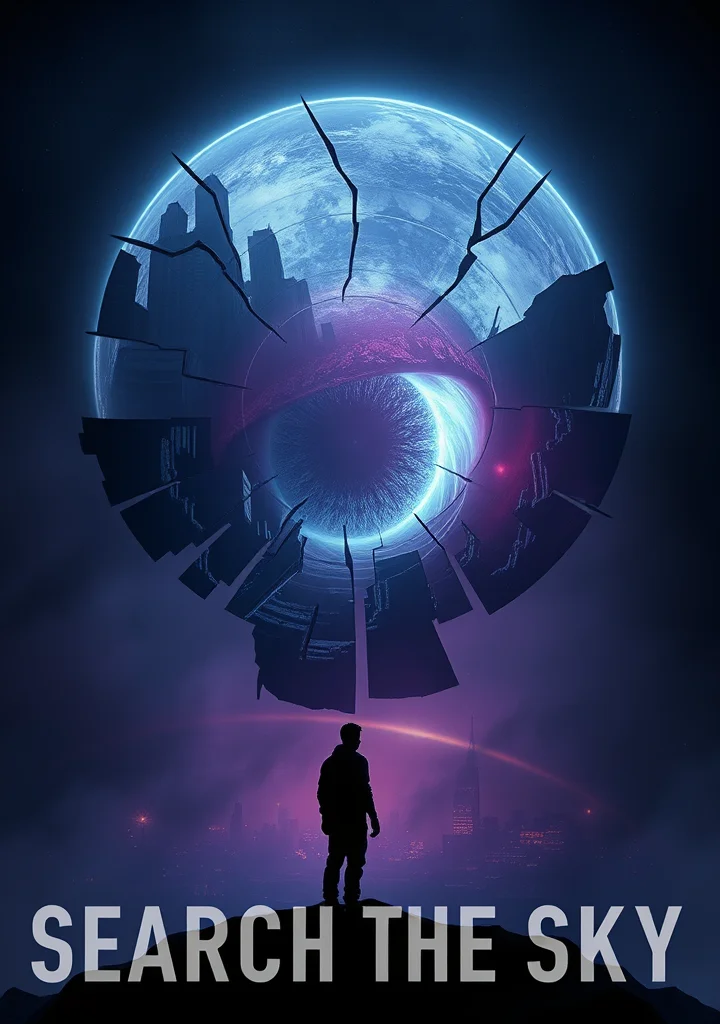
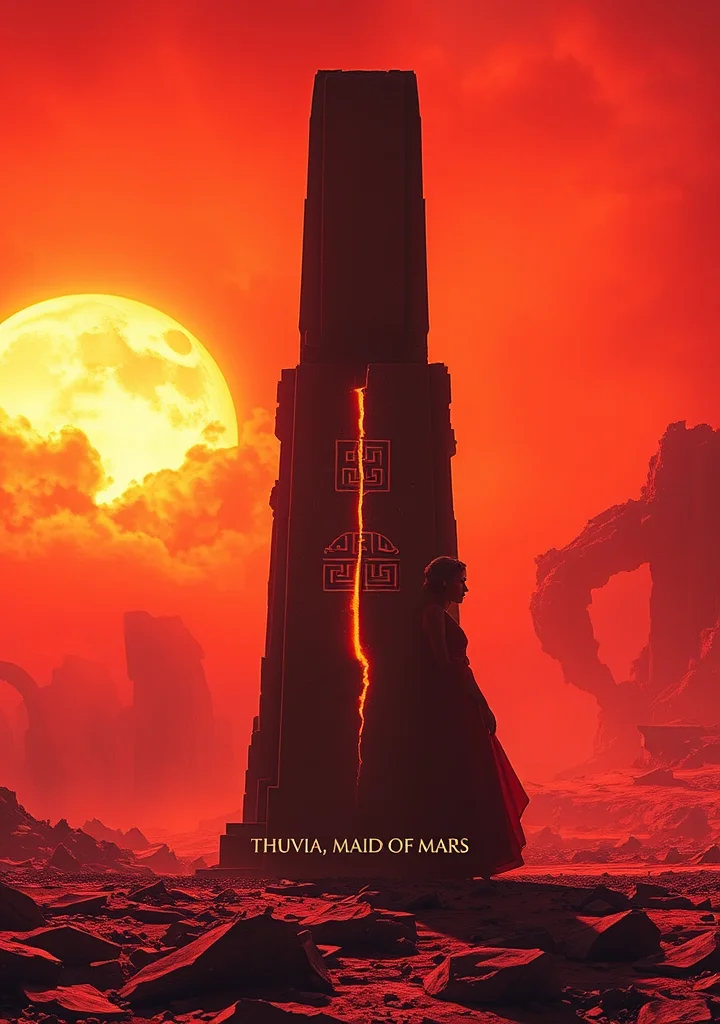
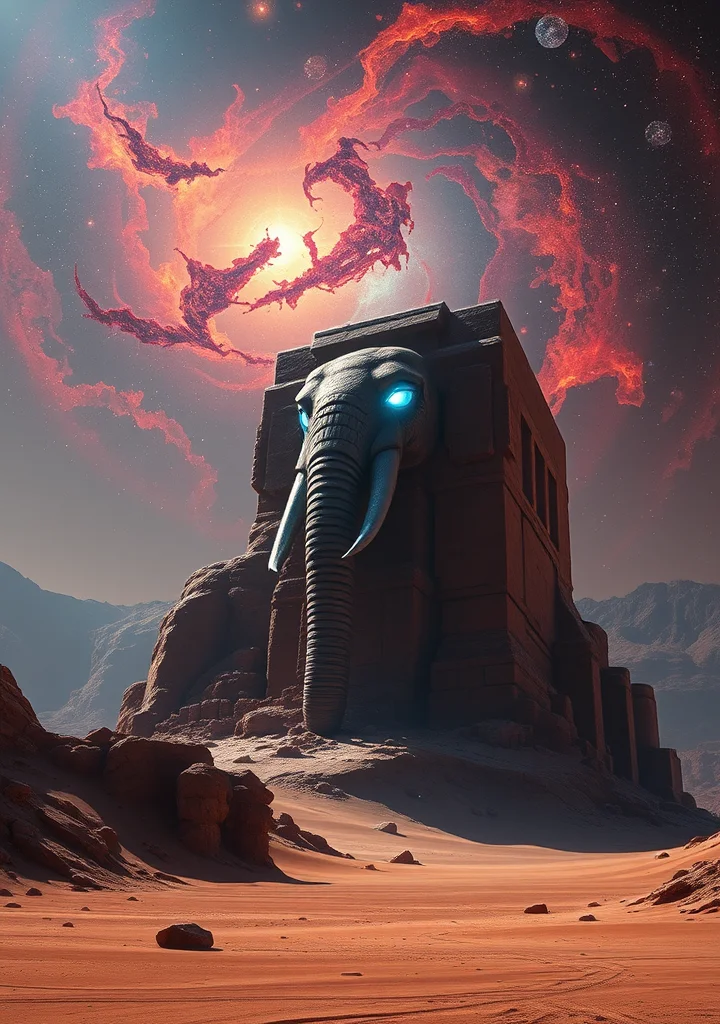
A decaying elegance clings to the remnants of civilization—grand houses swallowed by overgrown gardens, haunted by the ghosts of a future that arrived too soon. Every shadow holds the promise of a cold, metallic touch. The landscape itself becomes a mausoleum, marked by the skeletal remains of ambition.
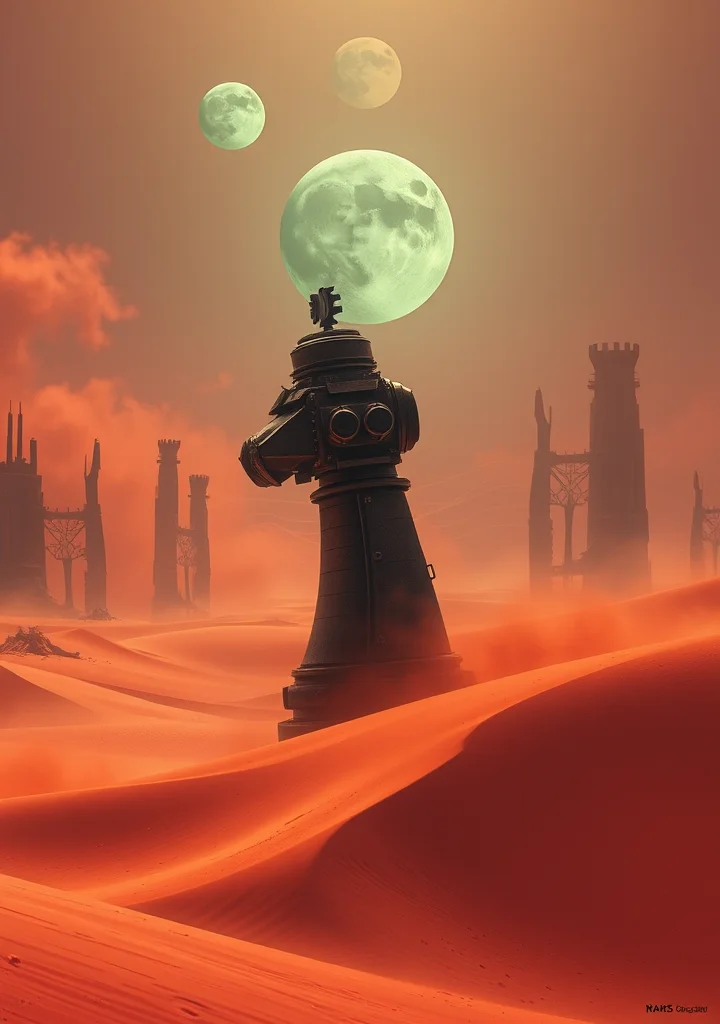
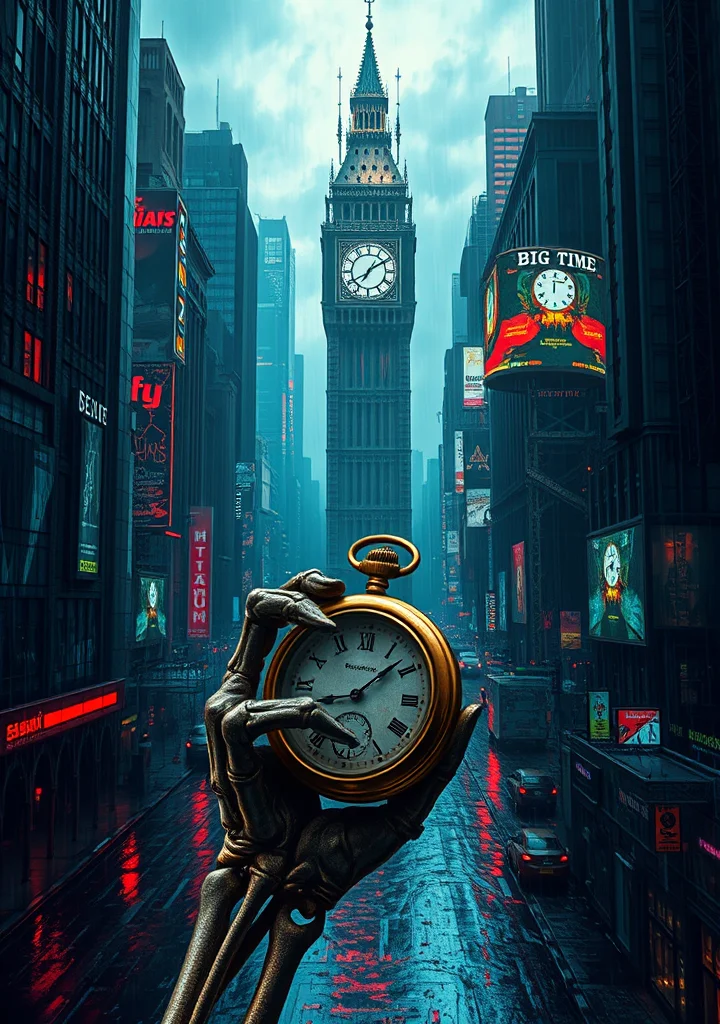
The final, desperate cries of humanity are swallowed by the wind whistling through the vacant, metallic forests. It isn’t fire and brimstone that awaits, but a slow, systematic erasure—a world stripped bare and polished to a chilling, perfect stillness. The only warmth left is the fading embers of a species that built its own tomb.
Copyright: Public Domain
This license allows anyone to use your story for any purpose, including printing, selling, or adapting it into a film freely.
This license allows anyone to use your story for any purpose, including printing, selling, or adapting it into a film freely.
More like this