
-
Read 350
-
0
-
Part 17
Completed, First published Mar 02, 2026
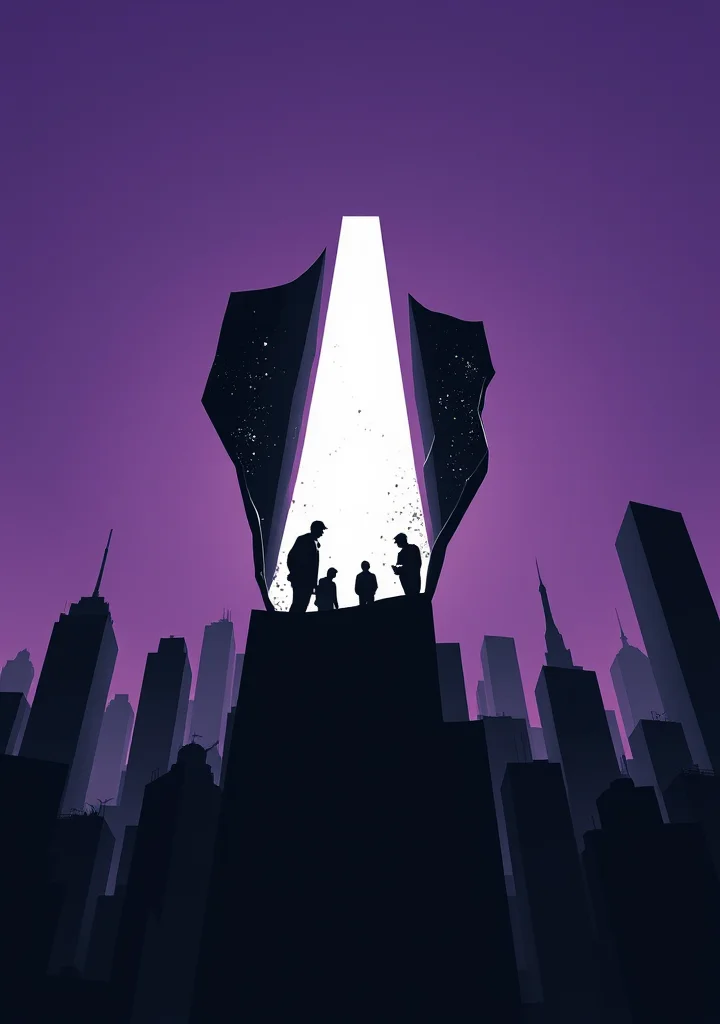
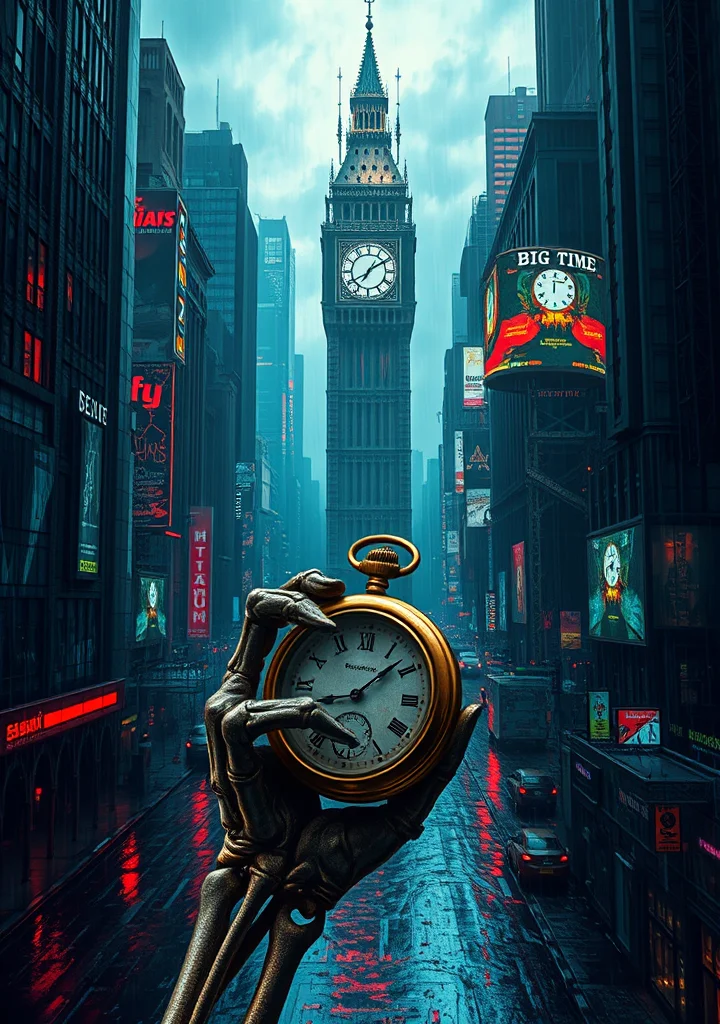
The crumbling grandeur of Old Chicago bleeds into the shadowed alleys where ghosts of ambition and regret cling to brick and steel. Leiber’s Big Time isn’t a future of chrome and efficiency, but a slow rot of decay masking a desperate, fractured empire. The air hangs thick with the metallic tang of ozone and the phantom scent of long-dead gods. Every shadowed doorway promises a bargain struck with entities older than humanity, deals paid for in stolen years and fractured sanity.
This isn't about conquest, but about scavenging for scraps of power in a landscape where the lines between reality and illusion blur with each passing hour. The city itself is a wound, pulsing with the fever dreams of those who clawed their way to the top, only to find the view from the penthouse a desolate vista of echoing emptiness.
The narrative unfolds in a twilight of collapsing timelines and borrowed lives, where identities are traded like trinkets and the cost of immortality is measured in lost souls. The narrative breathes with a suffocating claustrophobia, the weight of the city pressing down, threatening to swallow its inhabitants whole. It’s a world where every victory is tainted by loss, every alliance forged in treachery, and the only certainty is the creeping dread of something ancient and hungry stirring in the ruins. The shadows don’t just hide monsters; they *are* the monsters, woven into the very fabric of this decaying, timeless metropolis.
Copyright: Public Domain
This license allows anyone to use your story for any purpose, including printing, selling, or adapting it into a film freely.
This license allows anyone to use your story for any purpose, including printing, selling, or adapting it into a film freely.
More like this