
-
Read 663
-
0
-
Part 50
Completed, First published Mar 02, 2026
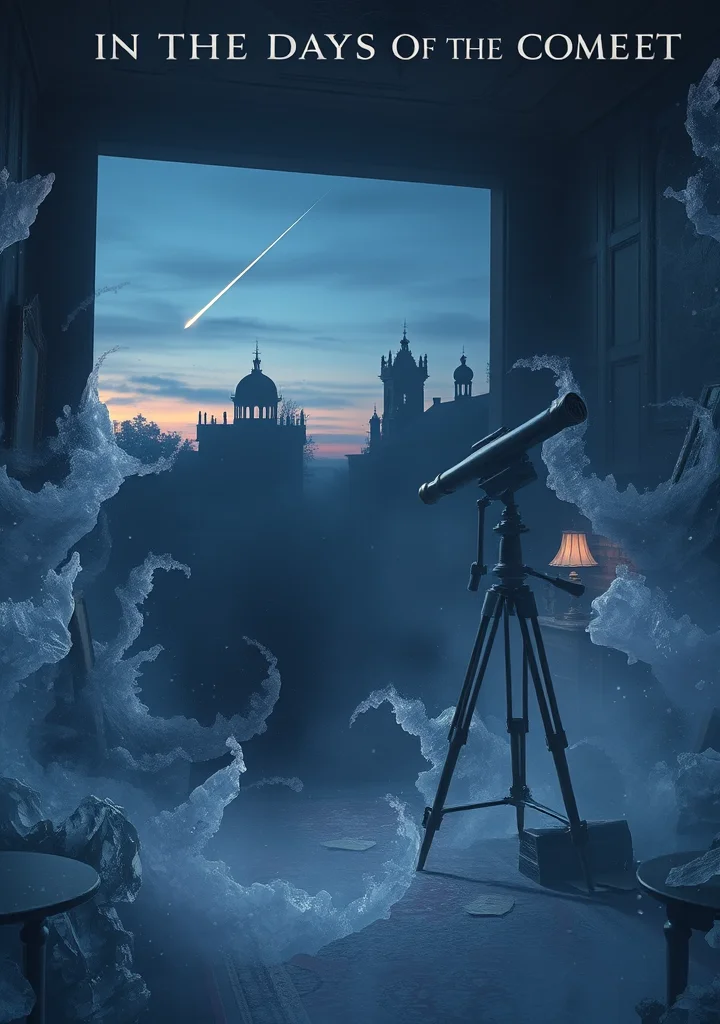
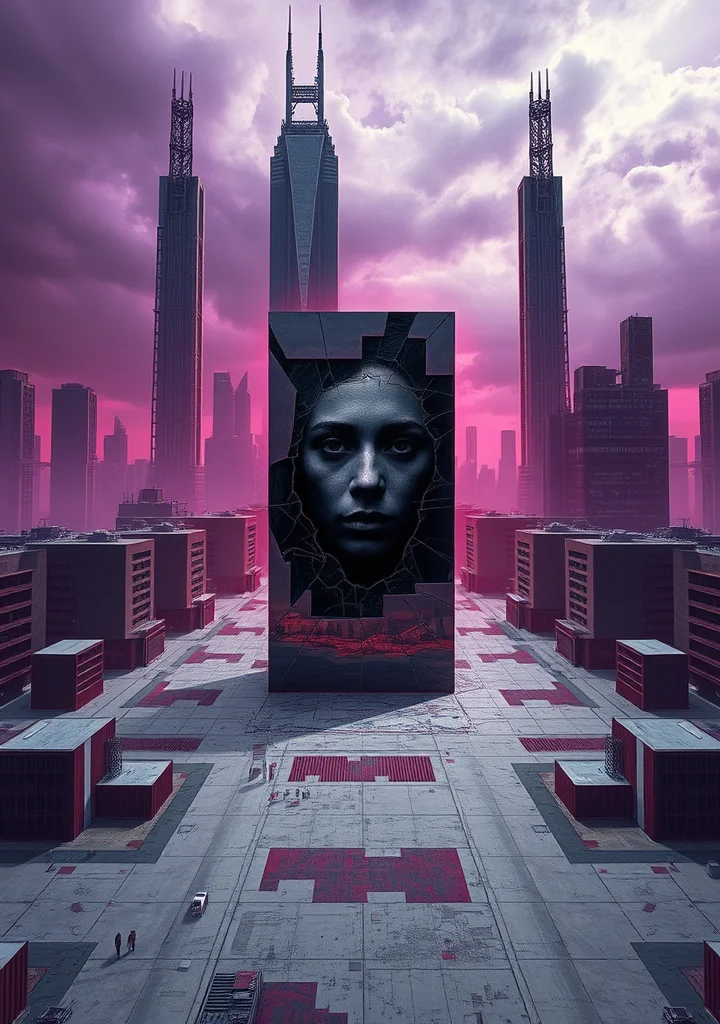
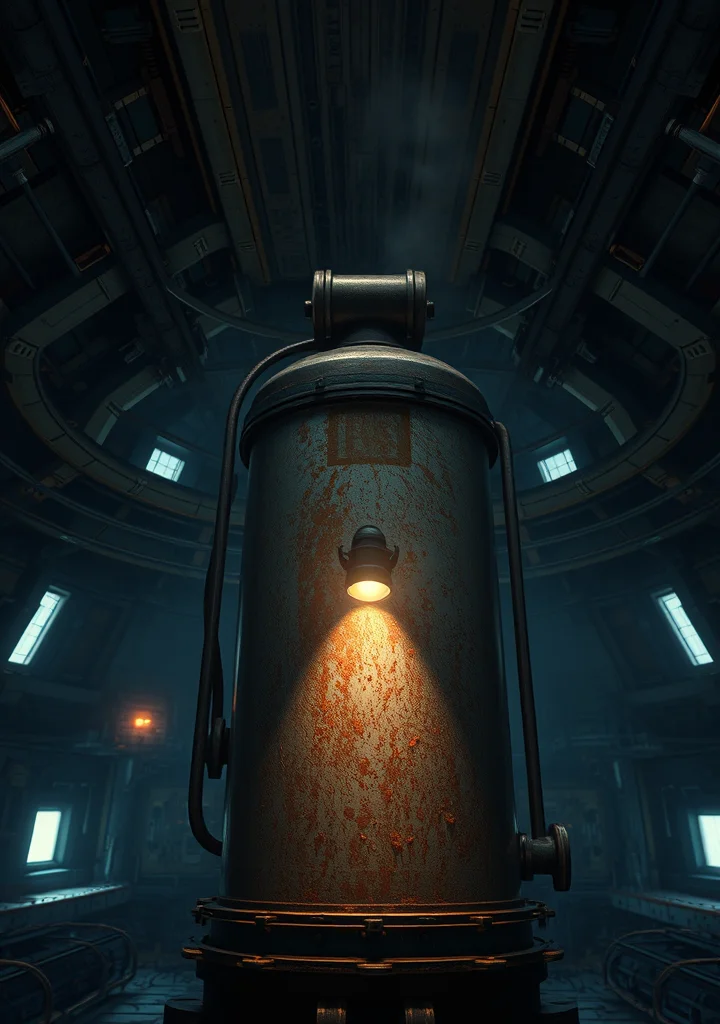
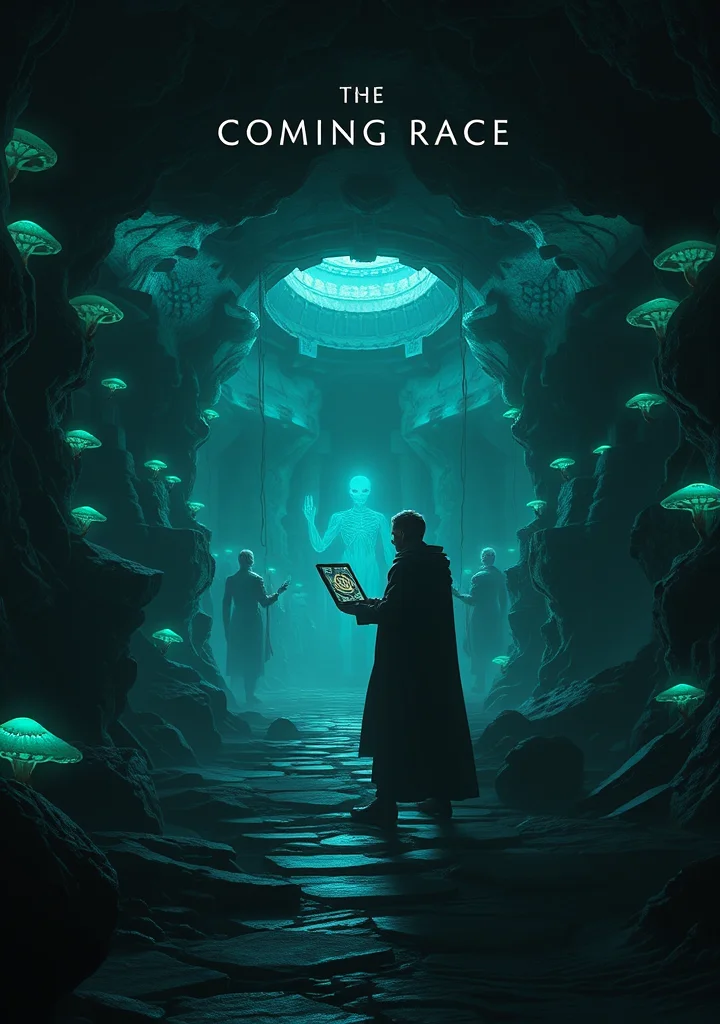
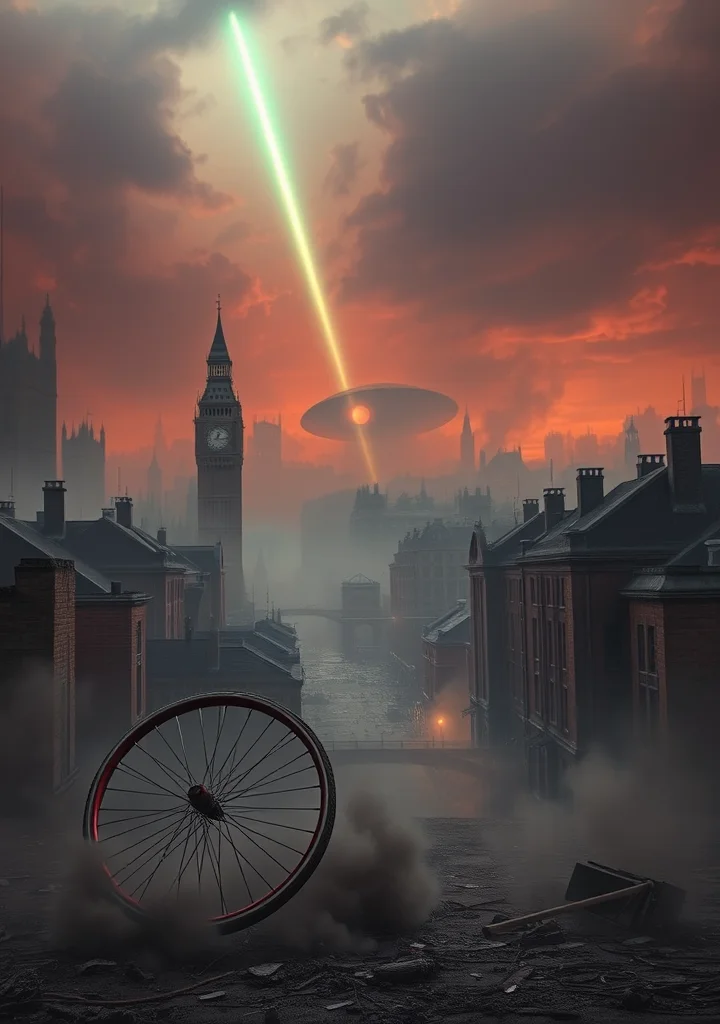
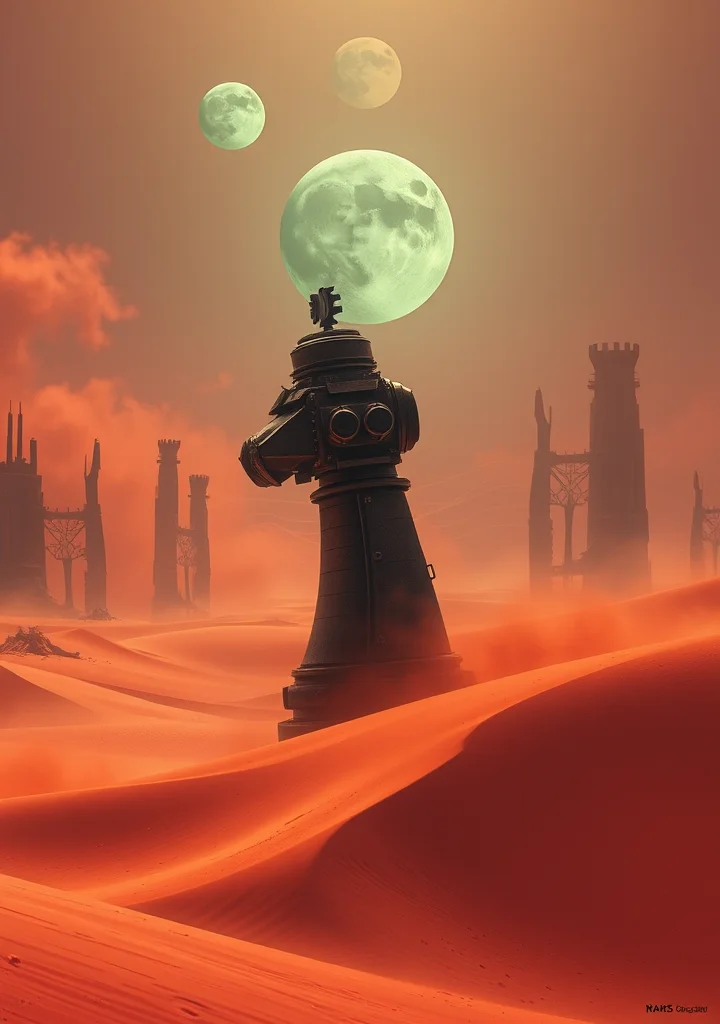
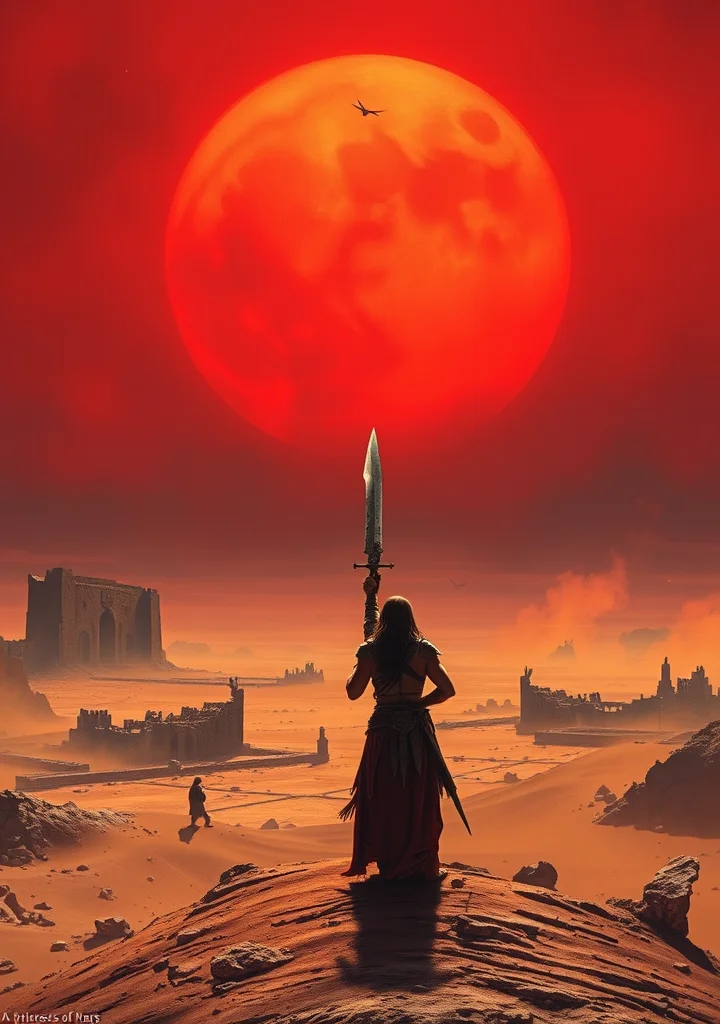
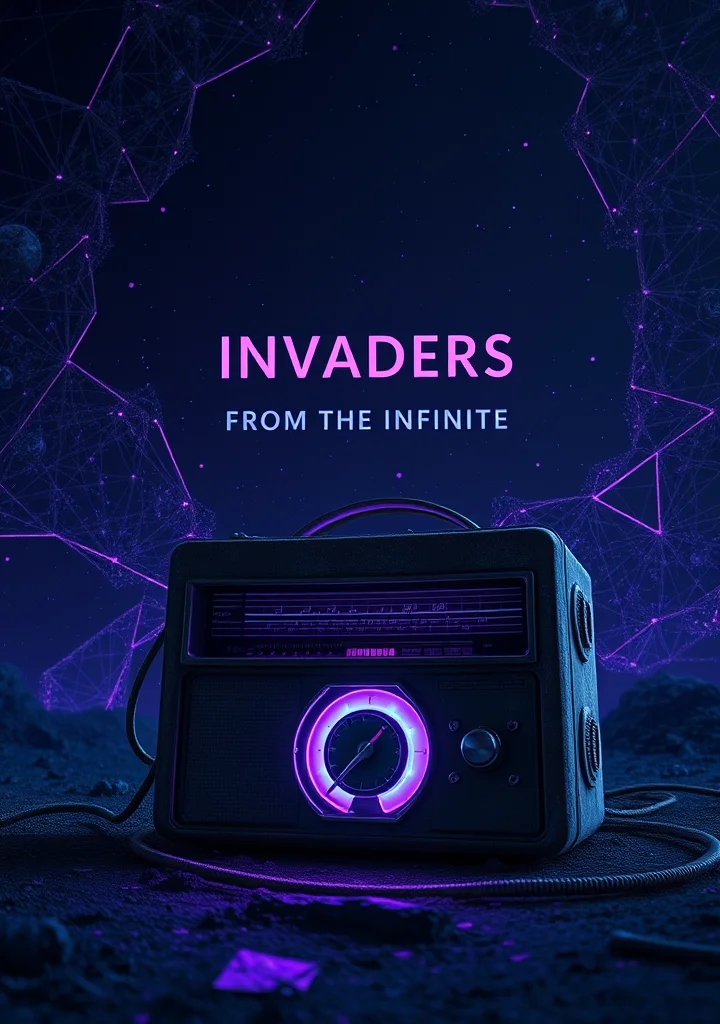
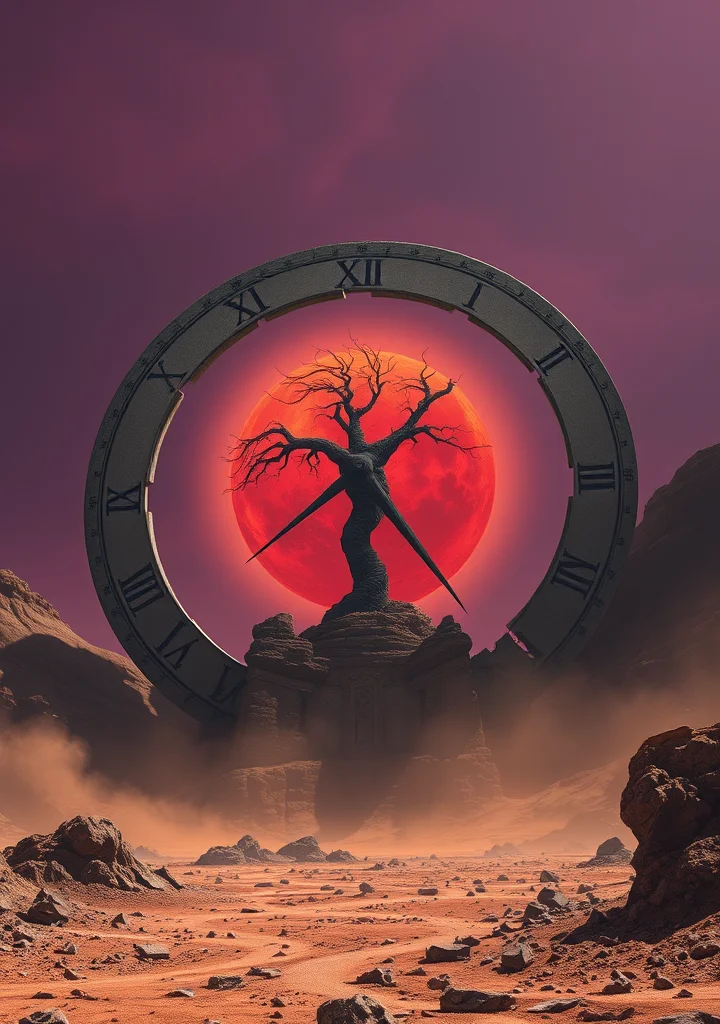
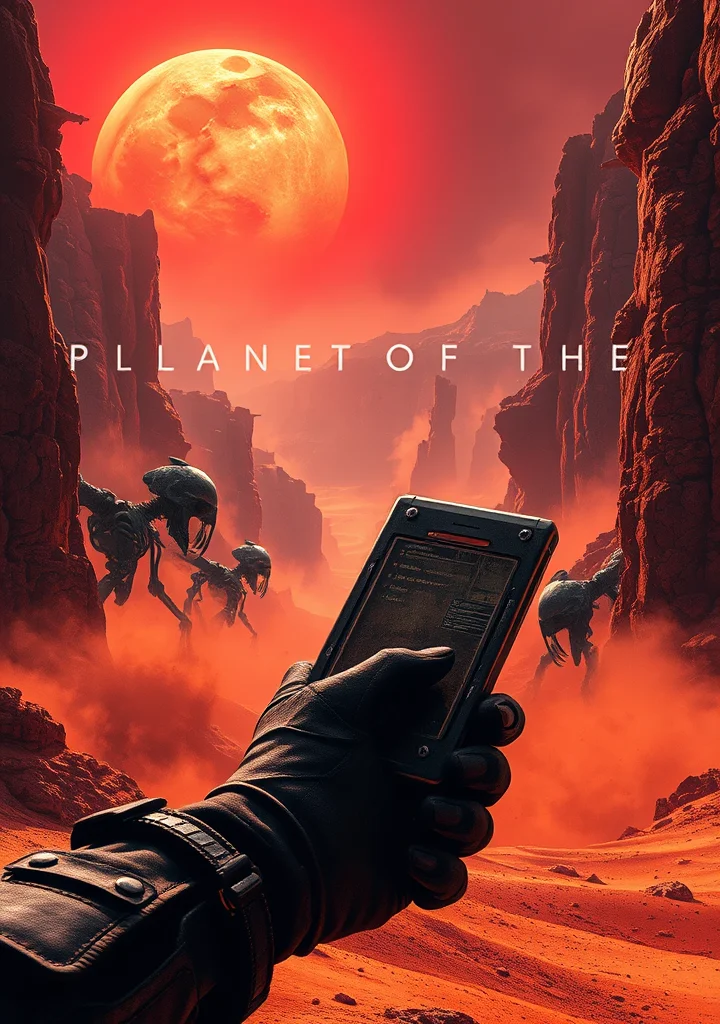
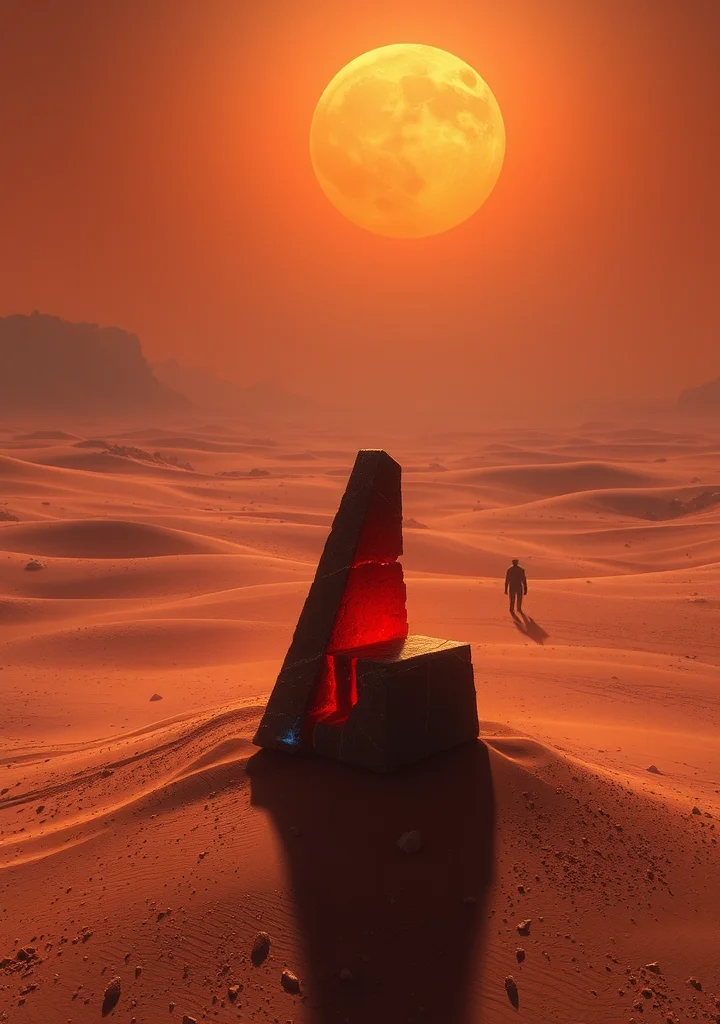
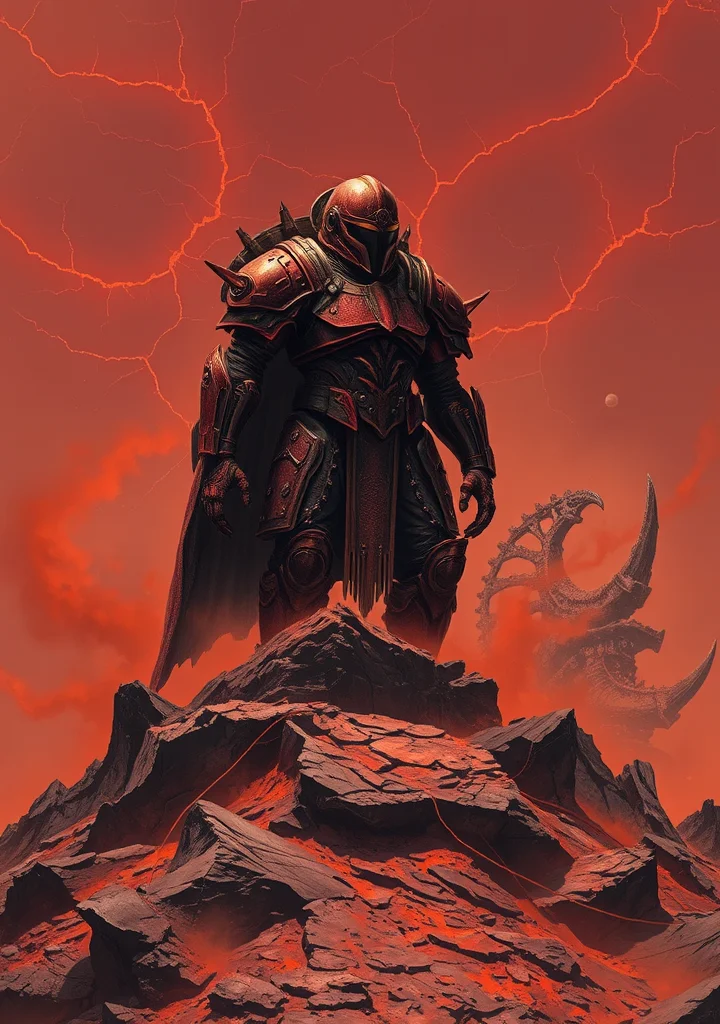
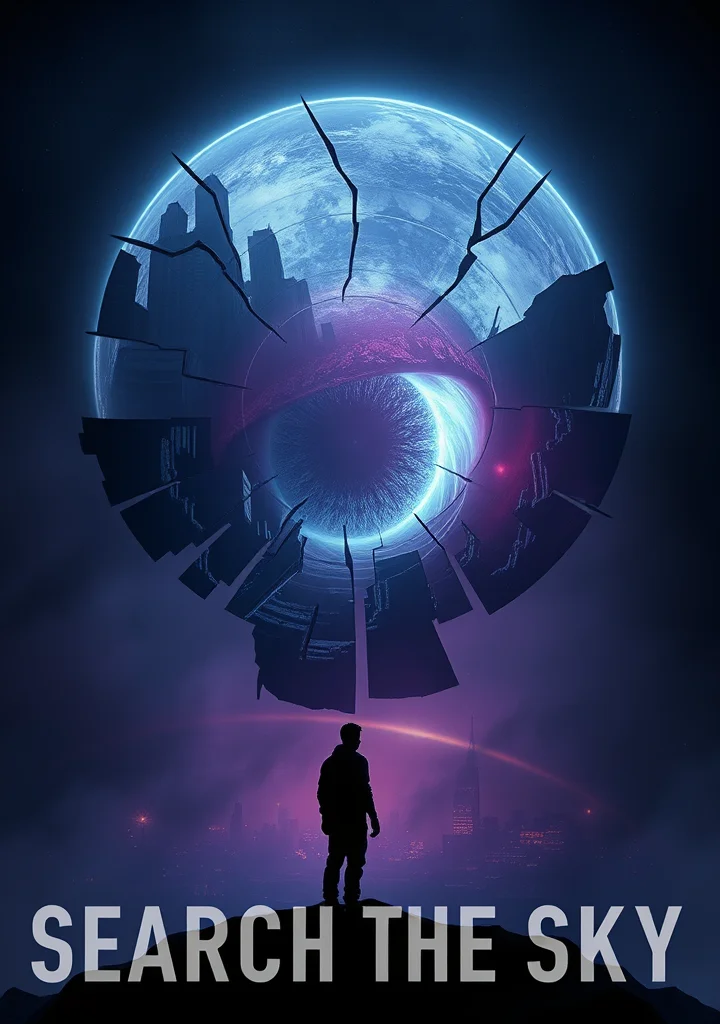
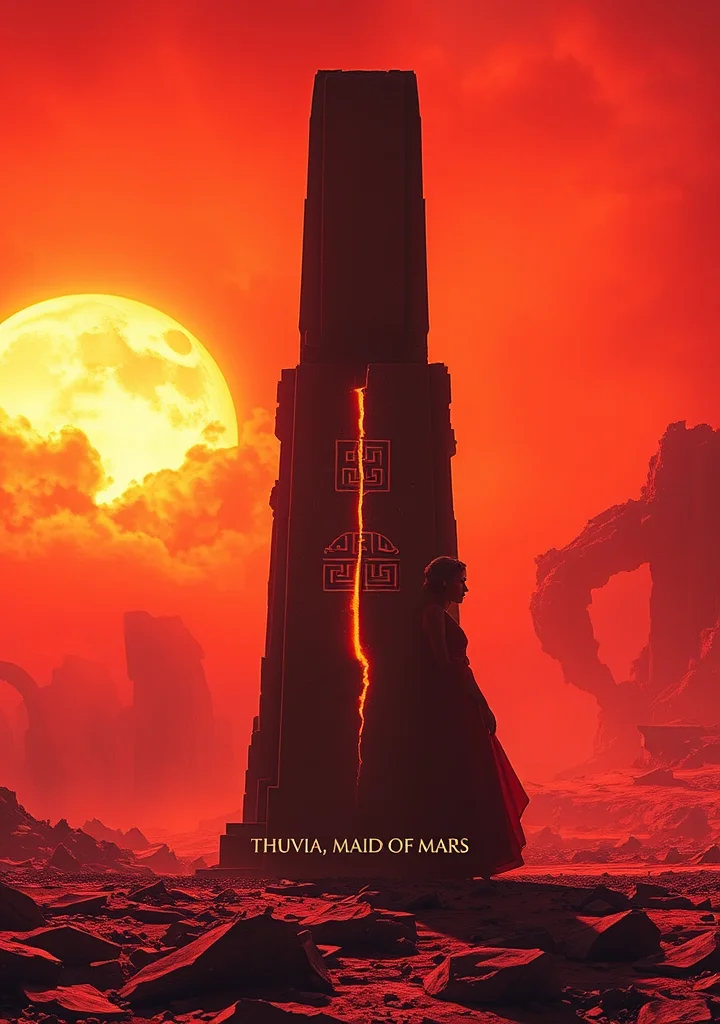
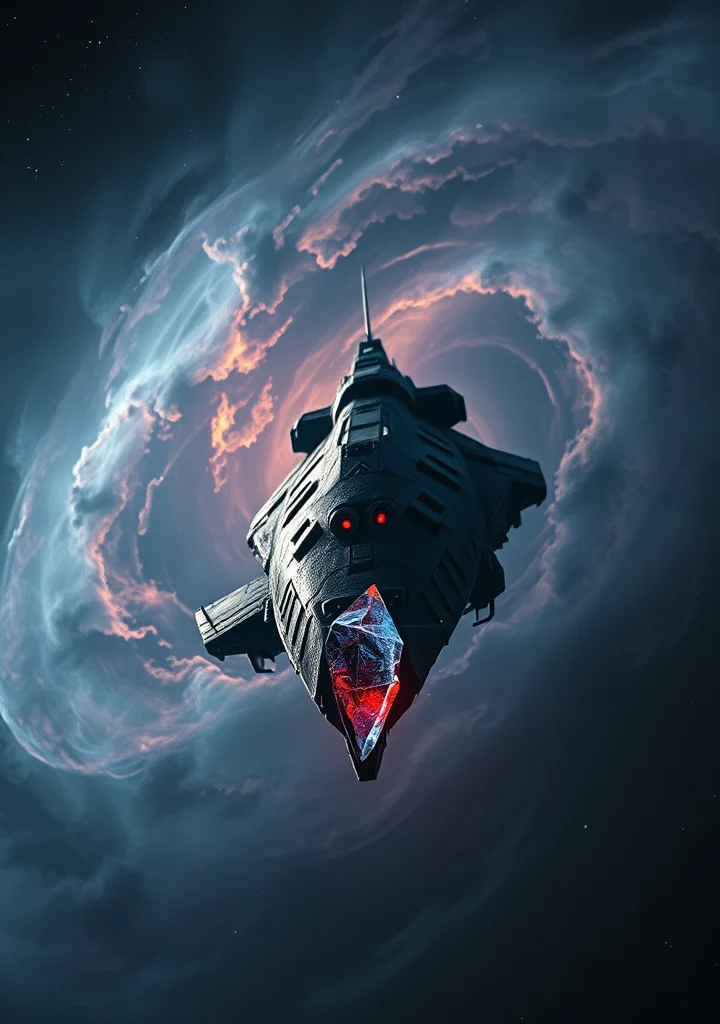
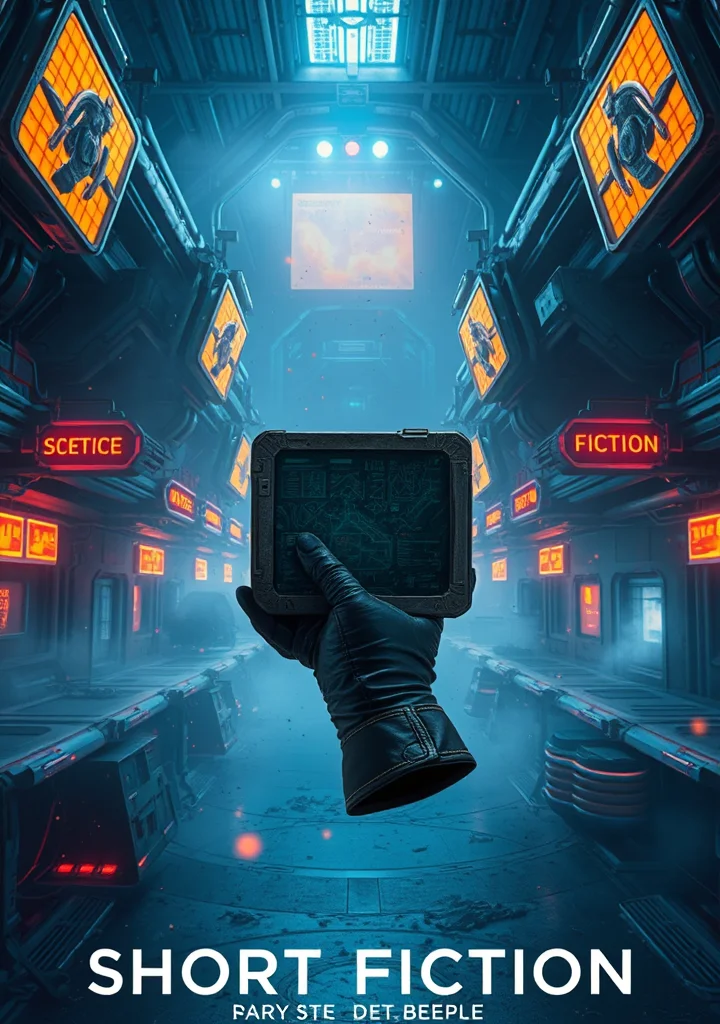
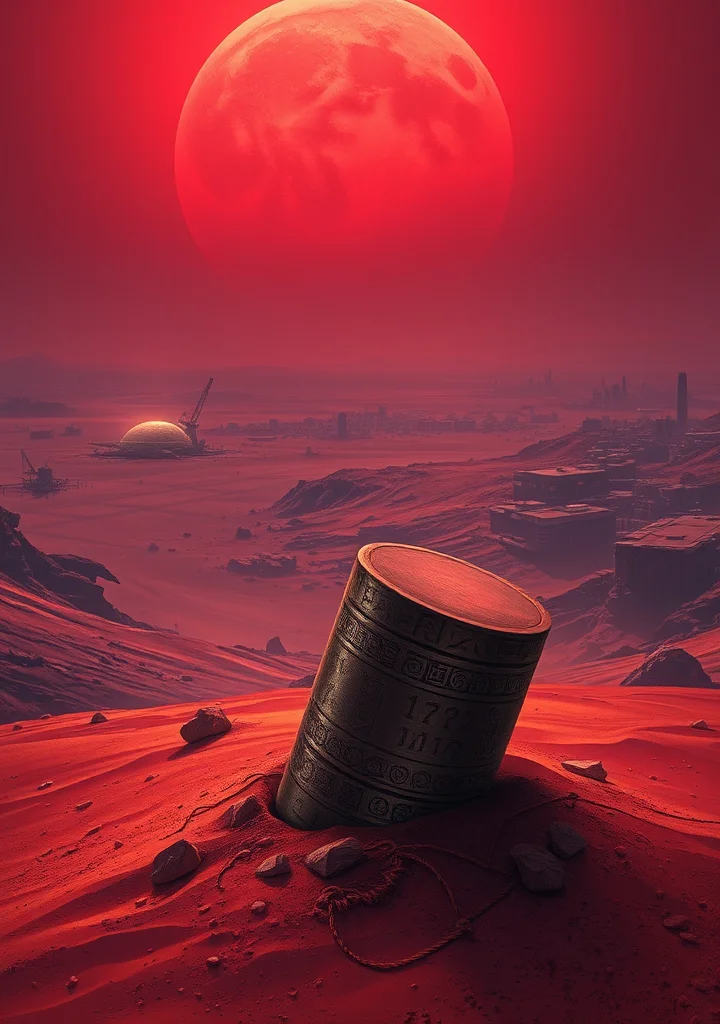
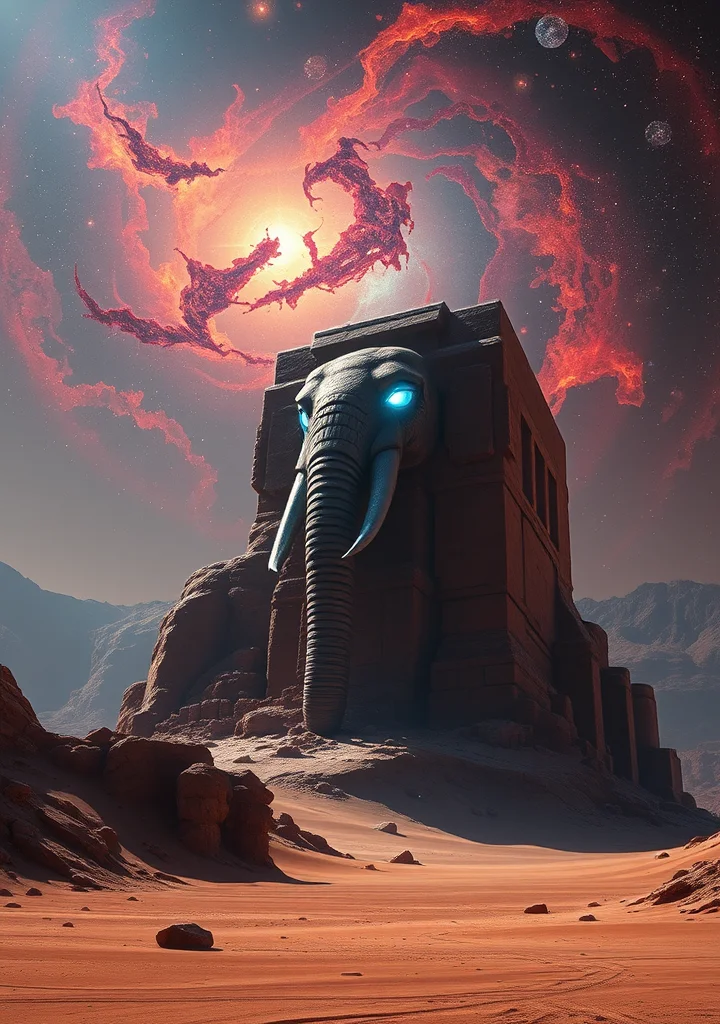
Dust motes dance in the perpetual twilight of Piper’s short stories, each a fractured reflection in a tarnished mirror. Here, the echoes of forgotten gods linger in the hollows of abandoned starships, and the cold logic of interstellar empires masks a creeping, cosmic dread. These aren't tales of conquest, but of the slow unraveling of sanity amidst the vast indifference of space. They speak of planets haunted by the ghosts of pre-human civilizations, where the very stones whisper of blasphemous geometries and the remnants of rituals best left undisturbed. A pervasive melancholy clings to every narrative, born of isolation and the realization that humanity, in its relentless expansion, has merely stumbled into someone else's graveyard. The technology is precise, the battles stark, yet the true enemy is always the suffocating silence between the stars – a silence that breeds loneliness, breeds despair, and breeds the terrible certainty that we are not alone, but profoundly, irrevocably *lost*. The stories unfold like decaying transmissions, fragments of a fractured reality, leaving the reader adrift in a nebula of unanswered questions and the chilling suspicion that even victory is merely a prolonged surrender to the void.
Copyright: Public Domain
This license allows anyone to use your story for any purpose, including printing, selling, or adapting it into a film freely.
This license allows anyone to use your story for any purpose, including printing, selling, or adapting it into a film freely.
Chapter List
-
« Short Fiction »📖 Continue Reading
-
« Time and Time Again »
-
« He Walked Around the Horses »
-
« Police Operation »
-
« The Mercenaries »
-
« Last Enemy »
-
« Flight from Tomorrow »
-
« I »
-
« II »
-
« III »
-
« IV »
-
« Rebel Raider »
-
« OperationR.S.V.P. »
-
« Dearest »
-
« Temple Trouble »
-
« Day of the Moron »
-
« Genesis »
-
« I »
-
« II »
-
« III »
-
« IV »
-
« Null-A.B.C. »
-
« I »
-
« II »
-
« The Return »
-
« Time Crime »
-
« II »
-
« Omnilingual »
-
« Lone Star Planet »
-
« I »
-
« II »
-
« III »
-
« IV »
-
« V »
-
« VI »
-
« VII »
-
« VIII »
-
« IX »
-
« X »
-
« XI »
-
« The Edge of the Knife »
-
« The Keeper »
-
« Graveyard of Dreams »
-
« Ministry of Disturbance »
-
« Hunter Patrol »
-
« Crossroads of Destiny »
-
« The Answer »
-
« Oomphel in the Sky »
-
« Naudsonce »
-
« A Slave Is a Slave »
50
-
« Short Fiction »
-
« Time and Time Again »
-
« He Walked Around the Horses »
-
« Police Operation »
-
« The Mercenaries »
-
« Last Enemy »
-
« Flight from Tomorrow »
-
« I »
-
« II »
-
« III »
-
« IV »
-
« Rebel Raider »
-
« OperationR.S.V.P. »
-
« Dearest »
-
« Temple Trouble »
-
« Day of the Moron »
-
« Genesis »
-
« I »
-
« II »
-
« III »
-
« IV »
-
« Null-A.B.C. »
-
« I »
-
« II »
-
« The Return »
-
« Time Crime »
-
« II »
-
« Omnilingual »
-
« Lone Star Planet »
-
« I »
-
« II »
-
« III »
-
« IV »
-
« V »
-
« VI »
-
« VII »
-
« VIII »
-
« IX »
-
« X »
-
« XI »
-
« The Edge of the Knife »
-
« The Keeper »
-
« Graveyard of Dreams »
-
« Ministry of Disturbance »
-
« Hunter Patrol »
-
« Crossroads of Destiny »
-
« The Answer »
-
« Oomphel in the Sky »
-
« Naudsonce »
-
« A Slave Is a Slave »
More like this