
Short Fiction
  • 62
  • 0
  • 29
  • Reads 62
  • 0
  • Part 29
Completed, First published Mar 02, 2026

From the shadowed corners of a dying California, where the dust of forgotten empires clings to crumbling adobe and the sun bleeds ochre over cyclopean ruins, these tales seep like venom into the bone. Smith conjures a landscape steeped in decay—not merely of stone and wood, but of the very *idea* of man. Here, the conquistadors’ ghosts rattle their chains amongst the cacti, and the descendants of lost Aztec gods bargain with fever-dream merchants for souls in exchange for gold. The air hangs thick with the scent of mesquite smoke and the metallic tang of unearthed relics. Each story unfolds under a bruised sky, mirroring the rot within the characters’ hearts. A perverse beauty clings to every horror—the languid corruption of a gilded age, the predatory grace of desert creatures, the madness that blooms in isolation. These aren’t tales of simple terror, but of a slow, exquisite unraveling. The prose itself feels like parchment brittle with age, whispering of forbidden rites and blasphemous geometries. Expect to find yourself lost in labyrinths of obsidian, haunted by the echoes of forgotten languages, and shadowed by the creeping dread of a world where the boundaries between dream and nightmare have dissolved entirely. The sun here doesn't warm, it *scourges*, revealing the skeletal truths beneath the skin. It is a world where the very stones remember their masters’ sins, and the desert wind carries their screams.
Copyright: Public Domain
This license allows anyone to use your story for any purpose, including printing, selling, or adapting it into a film freely.
Recommended for you
28 Part
Dust motes dance in the shadowed halls of Sagamore Hill, a spectral presence clinging to the very timbers. This is not a tale of triumph, but of haunted ambition, a self-reckoning etched in the marrow of a man who wrestled beasts both within and without. Roosevelt’s chronicle unfolds like a fever dream—a wilderness of boyhood grief, a frontier of grief-stricken manhood, and the chilling precision of a hunter’s gaze turned inward. The narrative breathes with the scent of damp earth and the musk of dead game, echoing with the cries of vanished buffalo and the hollow resonance of loss. Each chapter is a shadowed room in a sprawling estate, filled with the stuffed trophies of conquered demons and the ghosts of those he left bleeding in the wilderness of his own making. He charts his life as a landscape of perpetual struggle, where the wilderness isn’t merely terrain, but a reflection of his own volatile heart. The sun-drenched plains become a canvas for the shadow play of his grief; his political battles, a war waged within the confines of his own restless spirit. The prose itself is a brittle, bone-dry thing—a meticulous inventory of wounds, both inflicted and endured. This autobiography isn’t a celebration of fortitude, but a chilling testament to the cost of it—a portrait of a man forever haunted by the specters of his own relentless drive, and the wild, untamed country that birthed it. The very pages seem to exhale the cold air of a shadowed study, where a man, even in recounting his victories, confesses to the solitude of his own magnificent, terrible dominion.
25 Part
A creeping dread clings to the Balkan foothills, a suffocating miasma of suspicion and shadowed allegiances. Buchan’s narrative unfolds not in grand castles or crumbling abbeys, but in the sun-bleached dust of a world poised on the precipice of war, yet haunted by something older, something woven into the very stones of the mountains. The air tastes of gunpowder and pine needles, but beneath it, a sickly sweetness—the rot of a conspiracy festering in the heart of Europe. The protagonist moves through a landscape of simmering religious fervor and clandestine deals, perpetually shadowed by the knowledge that every smile masks a betrayal. The beauty of the countryside is a deceptive shroud for the ancient, unforgiving loyalty of the tribesmen, their faces carved with the secrets of generations. A sense of claustrophobia grips the reader as the story descends into the labyrinthine alleys of Belgrade and the remote monasteries clinging to the cliffs. Every encounter feels weighted with the potential for violence, every silence echoing with unseen threats. The narrative doesn’t rely on overt horror, but on the insidious erosion of trust, the growing paranoia that clings to the protagonist like a shroud. The green mantle of the mountains isn’t a promise of refuge, but a camouflage for a darkness preparing to descend, obscuring the line between the living and the ghosts of those who have already succumbed to the region’s ancient, unforgiving heart.
51 Part
A creeping dampness clings to the stone of Norland Park, mirroring the chill that settles upon the hearts of the Dashwood sisters as they are cast adrift by a callous inheritance. The shadows lengthen with each diminishing fortune, twisting the familiar landscapes of Devonshire into a labyrinth of unspoken anxieties. Though outwardly composed, Elinor’s measured restraint barely conceals a grief that blooms like winter roses—pale and thorn-sharp. Marianne’s passions, unrestrained and fever-bright, find echo in the brooding woods and the melancholy sighs of a decaying estate. The air itself is thick with the scent of decaying leaves and unshed tears. Every polite conversation, every carefully worded letter, carries the weight of unacknowledged desires and simmering resentments. A spectral silence hangs between the sisters, broken only by the rustling of secrets in the darkened corridors. The very gardens, once vibrant with summer blooms, now seem haunted by the ghosts of promises broken and futures stolen. A subtle rot pervades the narrative—not of decay in the physical world, but in the very fabric of social grace. The polite smiles mask a desperate hunger for security, a fragile vulnerability masked by lace and propriety. The whispers of scandal, the stifled accusations, weave through the manor houses like tendrils of ivy, threatening to strangle the fragile hopes of these women in a world where sensibility is a weakness, and sense, a carefully constructed fortress against ruin. The fog-laden moors become a mirror for the fractured souls trapped within, their destinies shrouded in an atmospheric gloom that clings long after the final, desperate reckoning.
28 Part
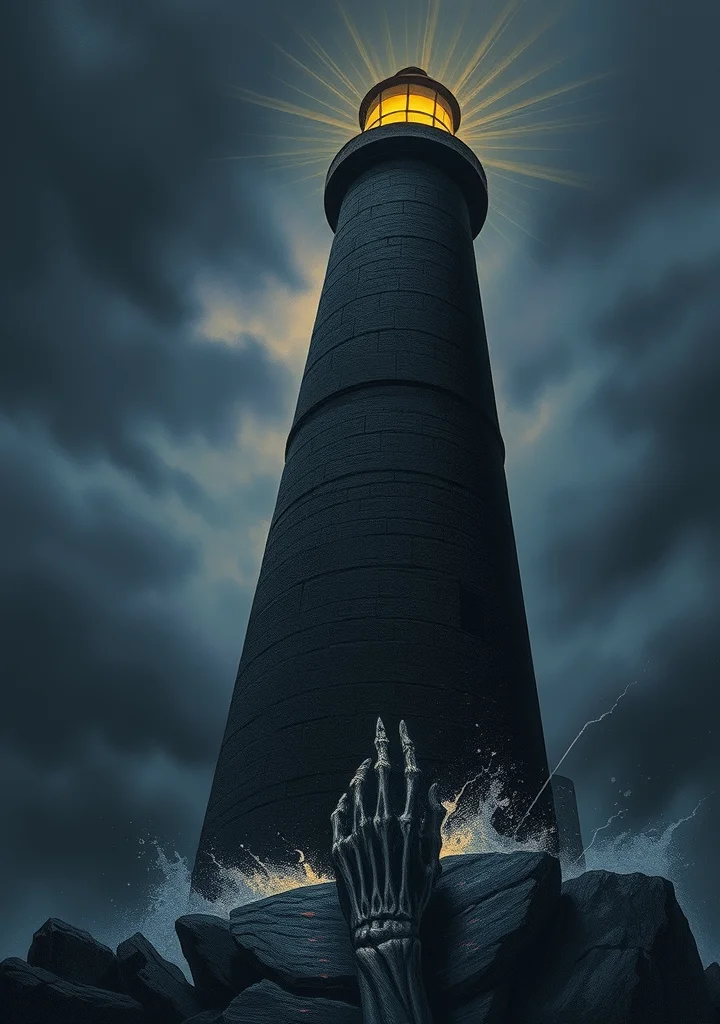
Dust motes dance in the perpetual twilight of Mackenzie’s *Journals*, a collection bound in leather smelling faintly of brine and decay. The narrative unfolds not as a story, but as an unraveling – a slow, deliberate erosion of sanity documented in cramped, spidery script. Each entry is a fragment wrested from the encroaching darkness, detailing the slow, suffocating bloom of dread within a remote coastal manor. The sea itself is a character here, a grey, hungry maw that whispers of forgotten gods and the things they drag from the depths. The journals detail a descent into obsession with the manor’s previous inhabitants, a lineage plagued by melancholia and shadowed by ritual. Rooms breathe with the weight of past sorrows, their shadows stretching into grotesque shapes that mimic the author’s growing paranoia. The prose is laced with a creeping claustrophobia, mirroring the manor's labyrinthine corridors and the suffocating weight of inherited grief. There are no grand horrors here, only the exquisite torment of being watched by something unseen, the slow realization that the walls themselves listen. The scent of mildew and rot clings to every page, a tangible residue of despair. The journals are not merely *read*; they are *absorbed*, leaving the reader shivering in the cold, salt-laced air of a forgotten coastline, haunted by the echo of Mackenzie’s fracturing mind. They are a testament to the rot that blossoms not just in wood and stone, but within the very core of the self.