
-
Read 315
-
0
-
Part 20
Completed, First published Mar 02, 2026
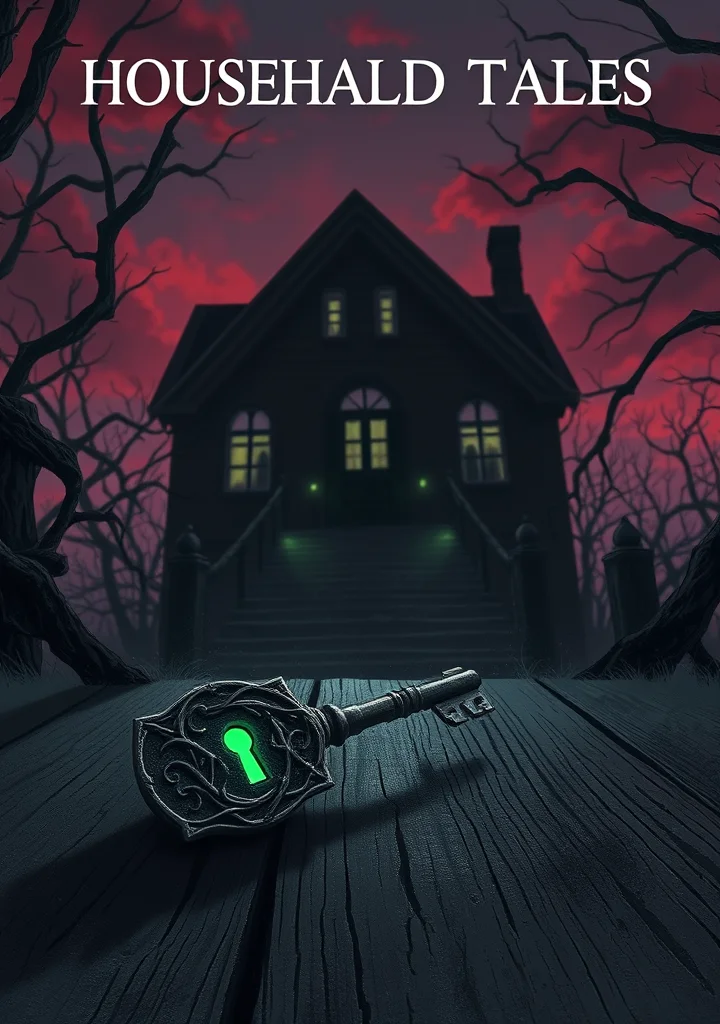
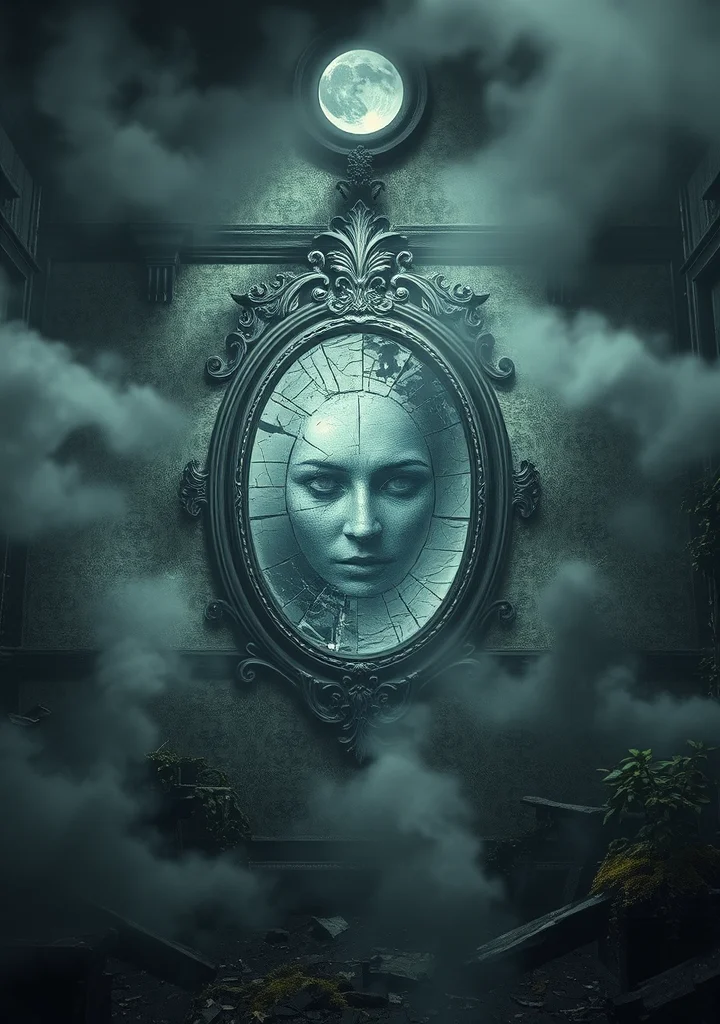
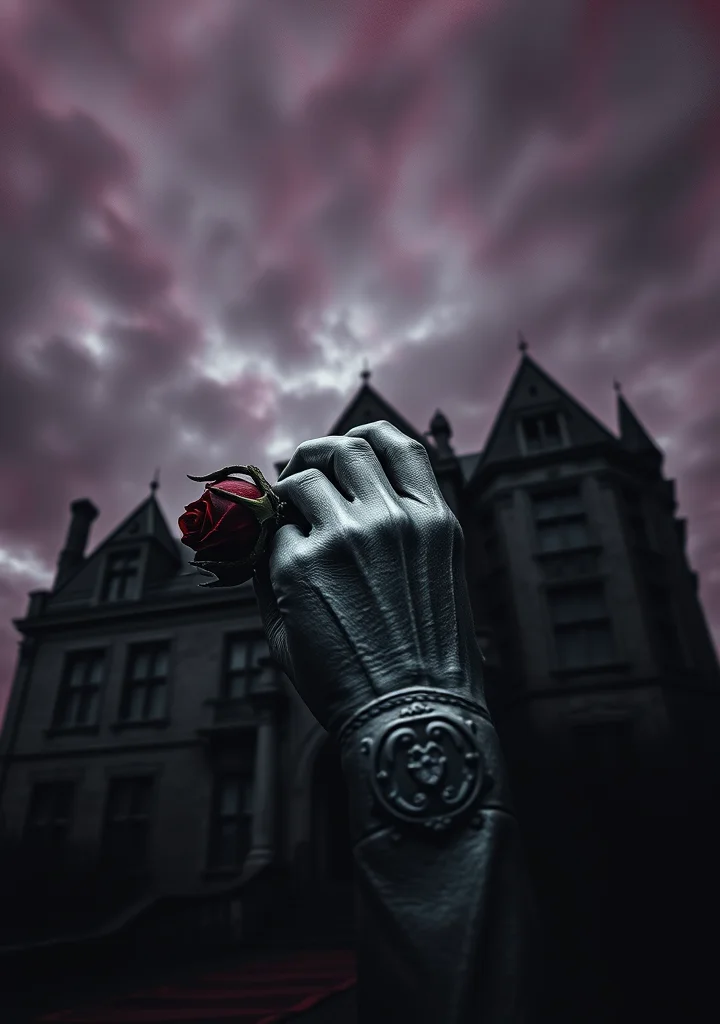
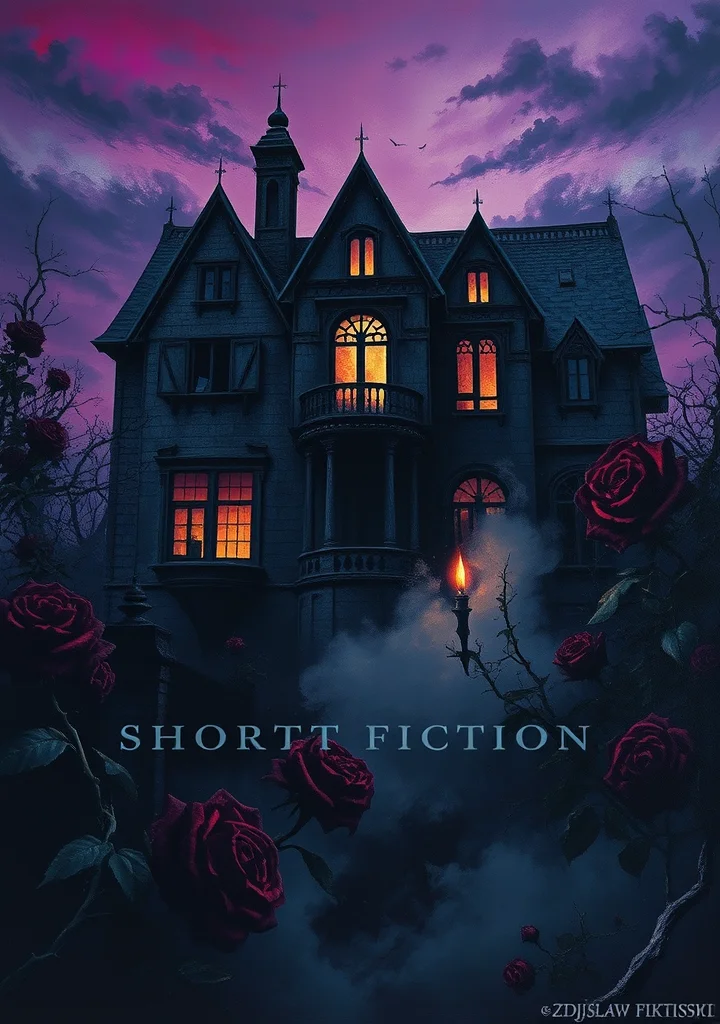
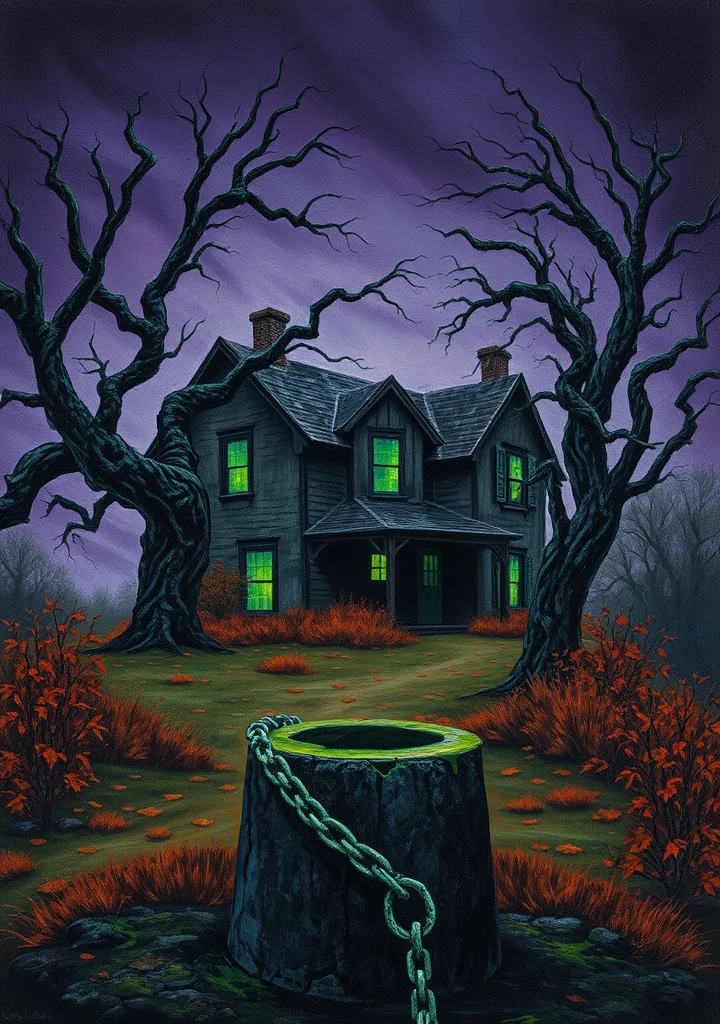
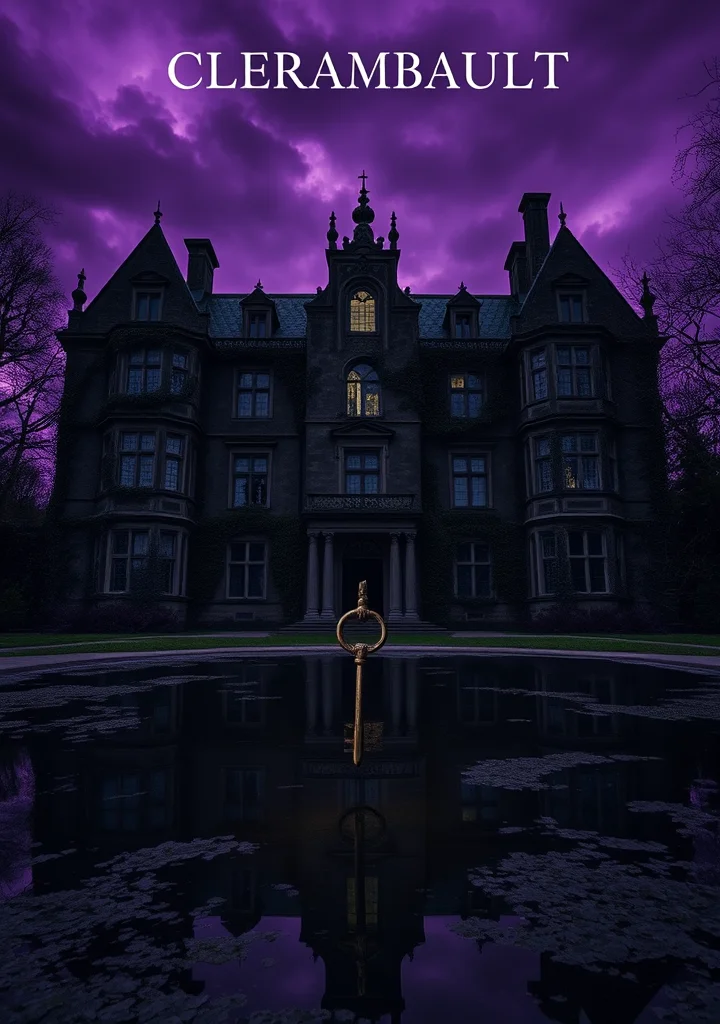
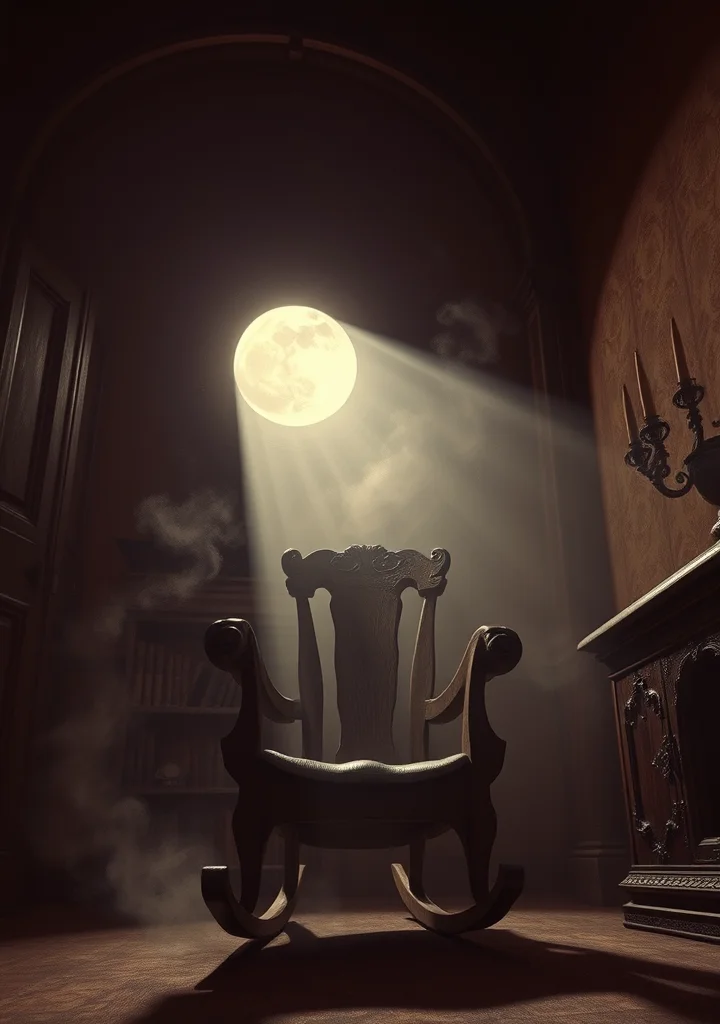
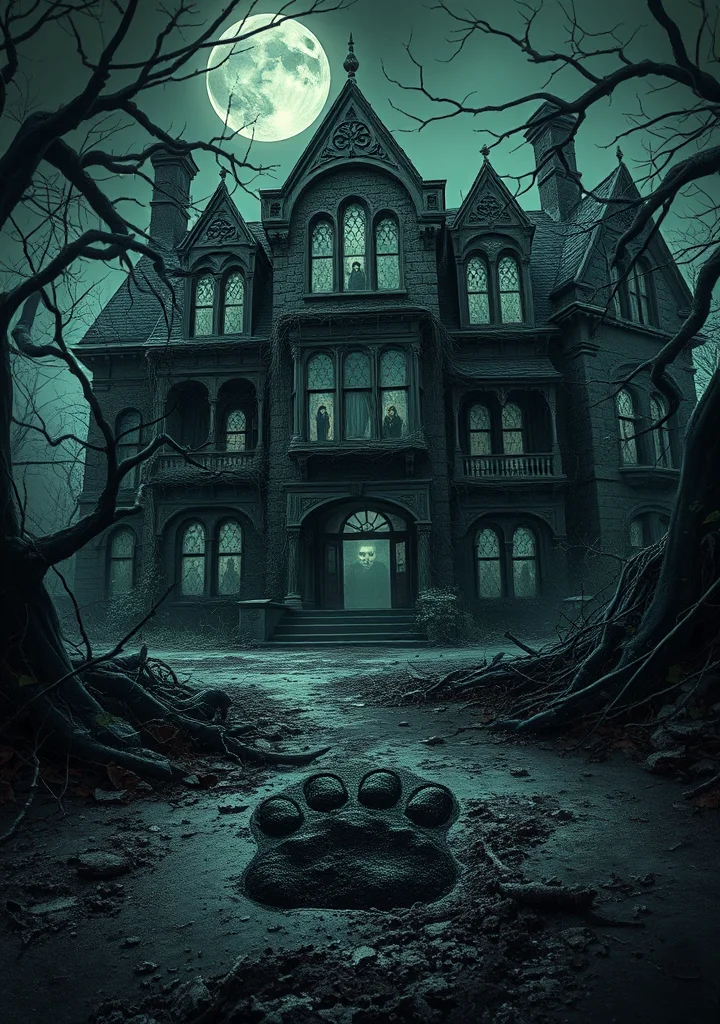
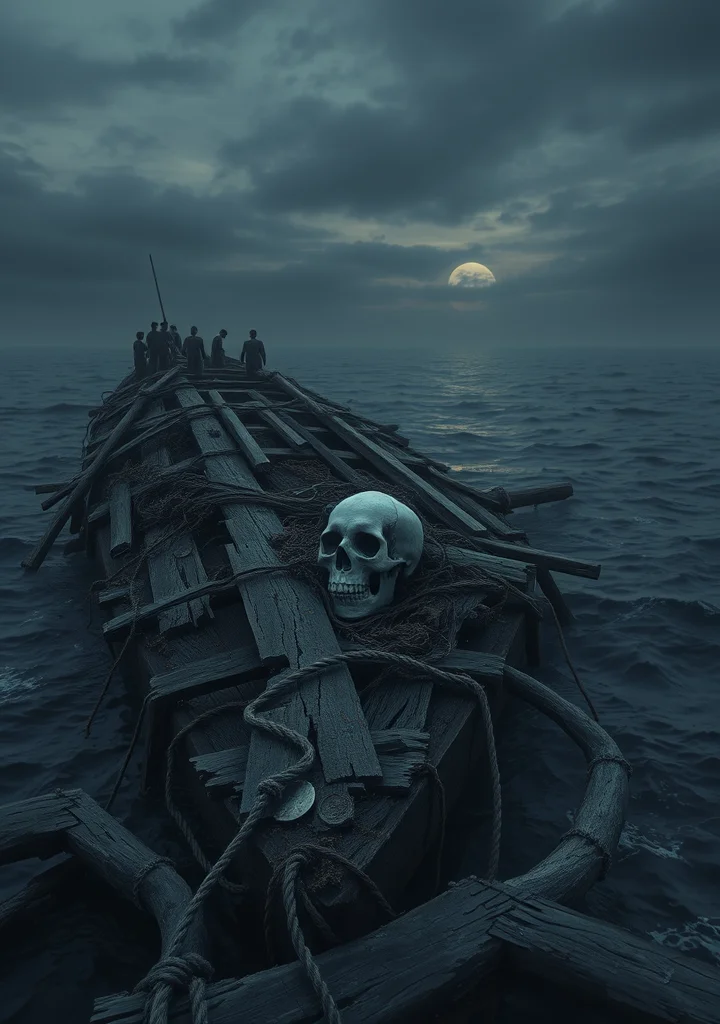
A creeping dread clings to the damp-stained pages of this inheritance. The manor, Blackwood Grange, breathes with the chill of forgotten rituals and the weight of a family’s unraveling. It’s not the grand, operatic horrors that haunt these halls, but the insidious stain of obsession, the meticulous, almost surgical unraveling of a man driven to prove a theorem in human depravity. Each polished surface, each precisely arranged object, whispers of a meticulous mind—a mind that has not only committed unspeakable acts, but documented them with cold, clinical detail.
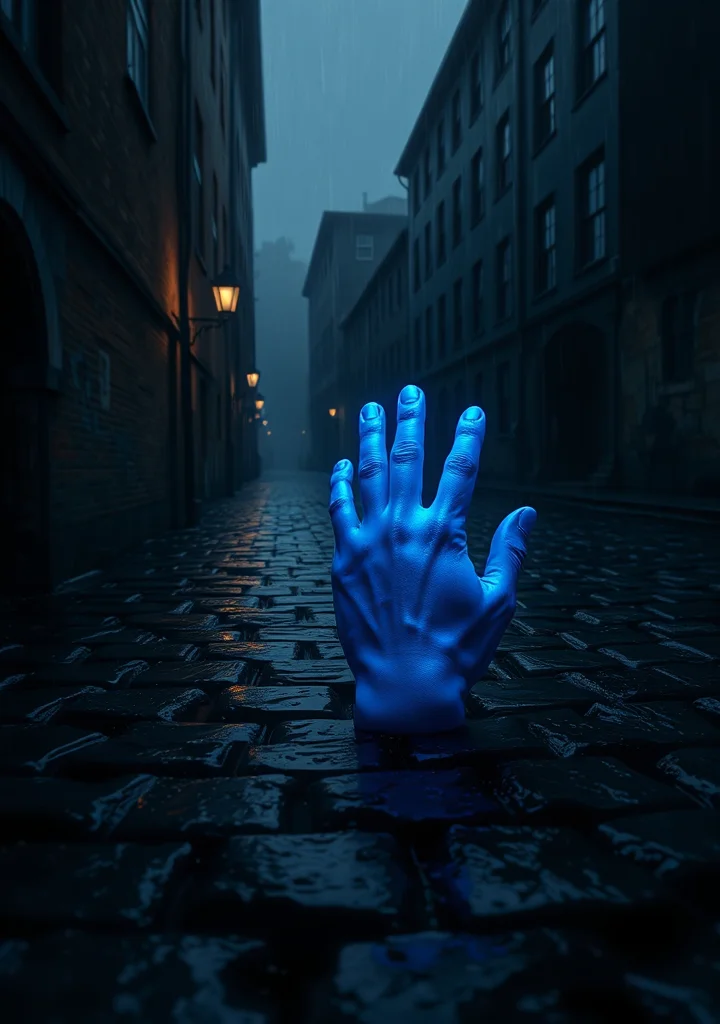
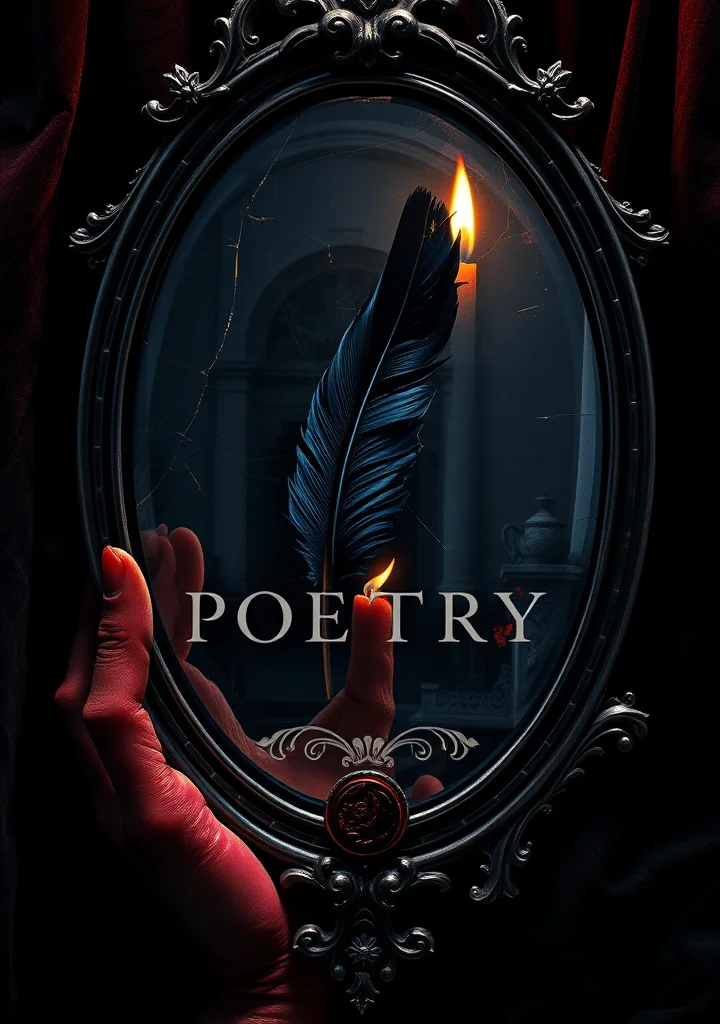
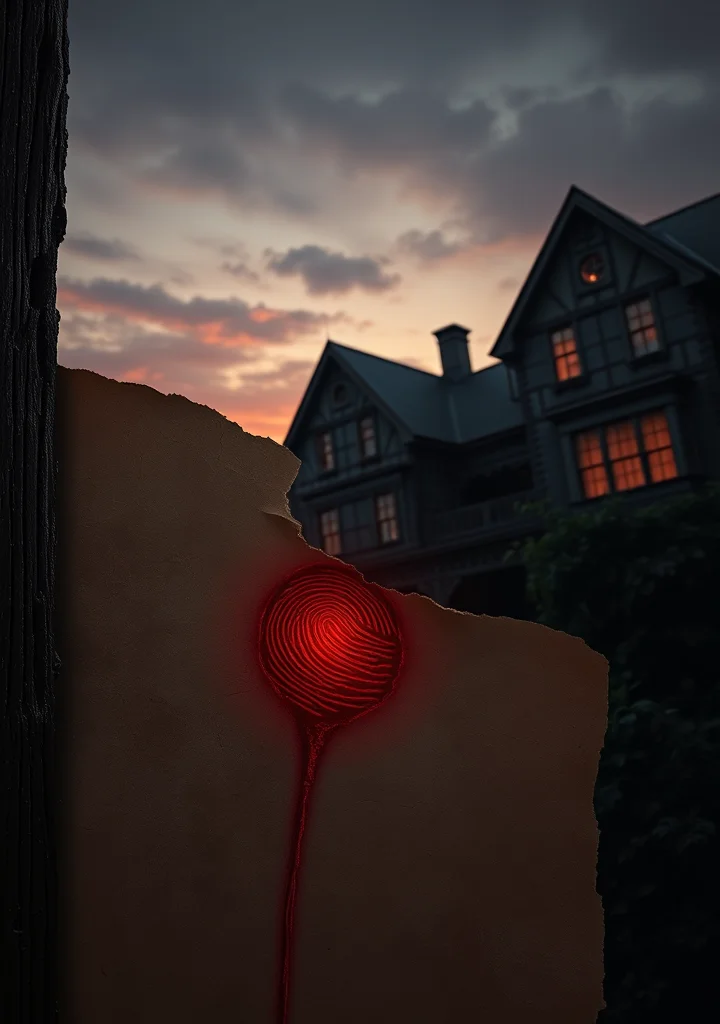
The narrative unfolds like the peeling of layers from a corpse, revealing not just the crime itself, but the rot within the investigator’s soul. A suffocating claustrophobia permeates the descriptions of the Grange, mirroring the tightening grip of the mystery. The scent of formaldehyde and old wood hangs heavy in the air, mingling with the metallic tang of something long concealed. Rain lashes against the windows, mirroring the fractured logic of the perpetrator, and the red thumbmark—less a symbol of violence, more a perverse signature of ownership—becomes a hypnotic focal point for a descent into madness. It's a slow burn of psychological horror, where the true terror resides not in what is done, but in *how* it is known, and the terrible certainty of its inevitability.
Copyright: Public Domain
This license allows anyone to use your story for any purpose, including printing, selling, or adapting it into a film freely.
This license allows anyone to use your story for any purpose, including printing, selling, or adapting it into a film freely.
More like this