
-
Read 382
-
0
-
Part 32
Completed, First published Mar 02, 2026
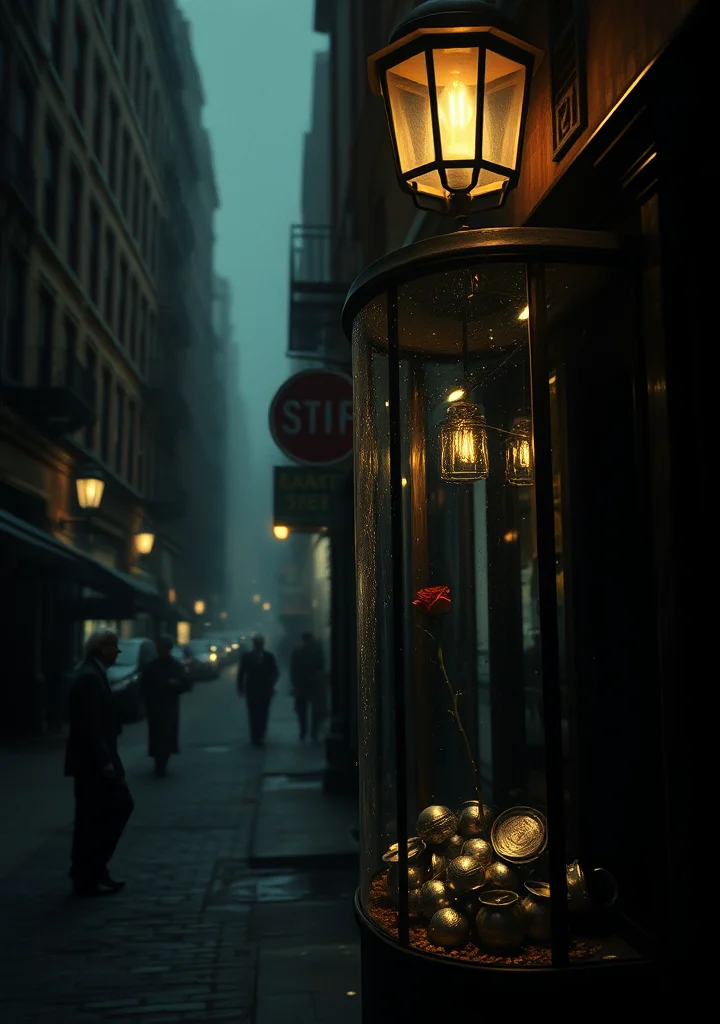
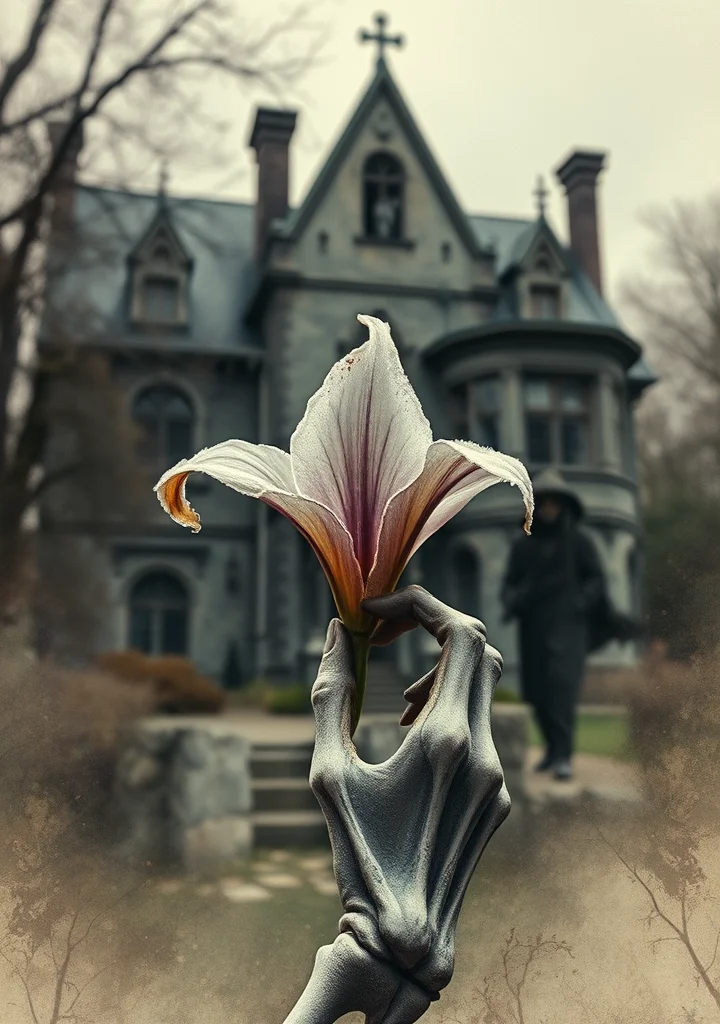
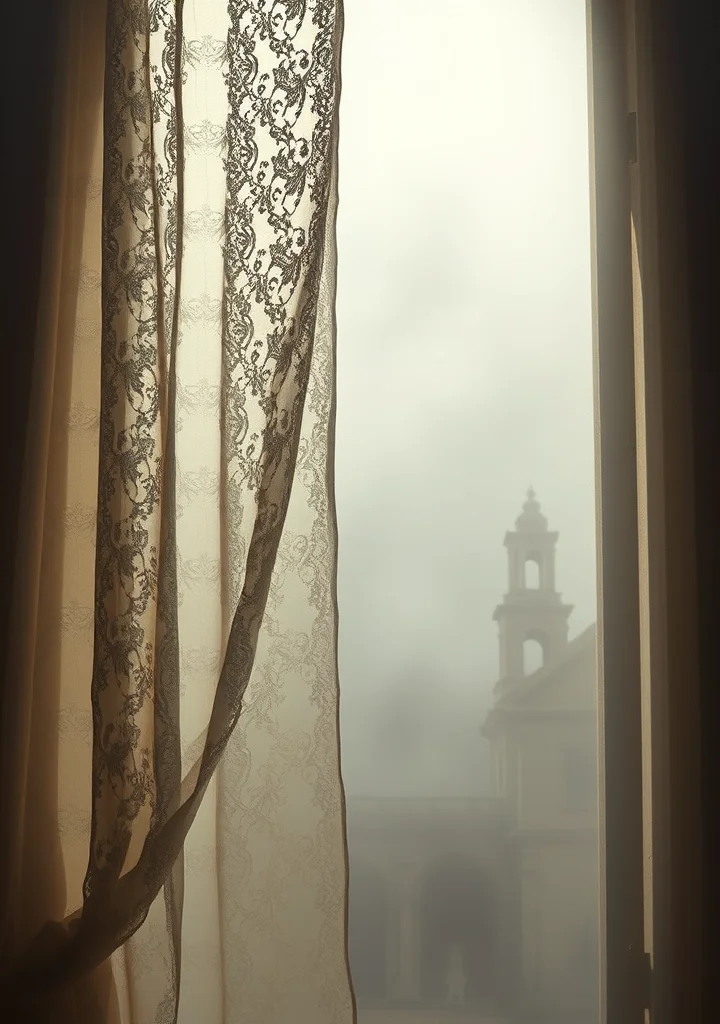
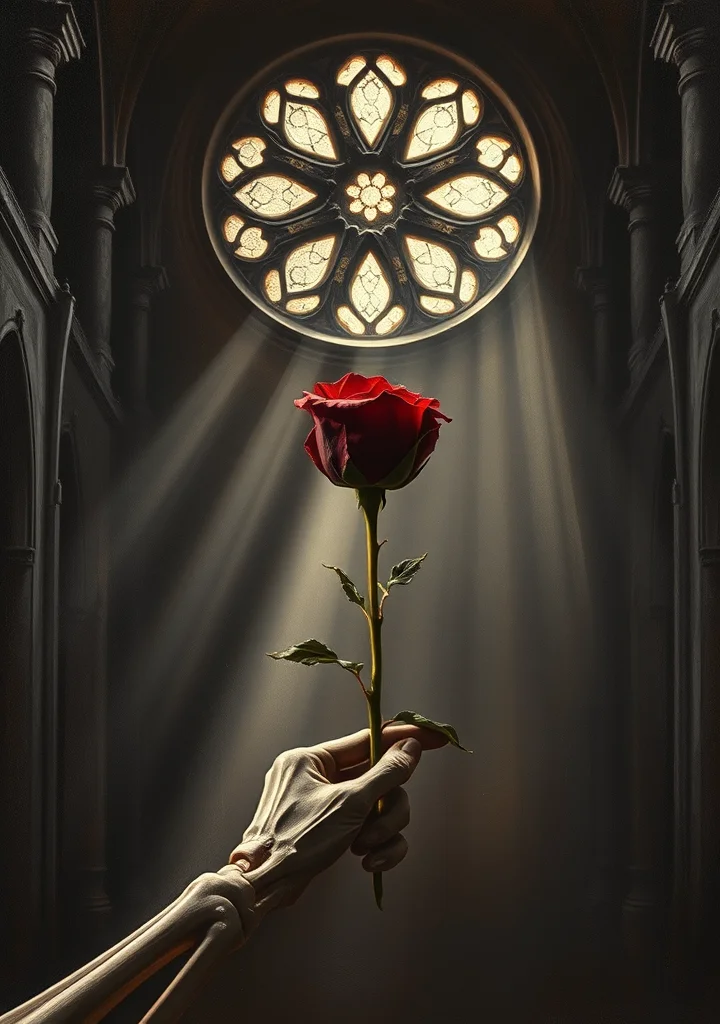
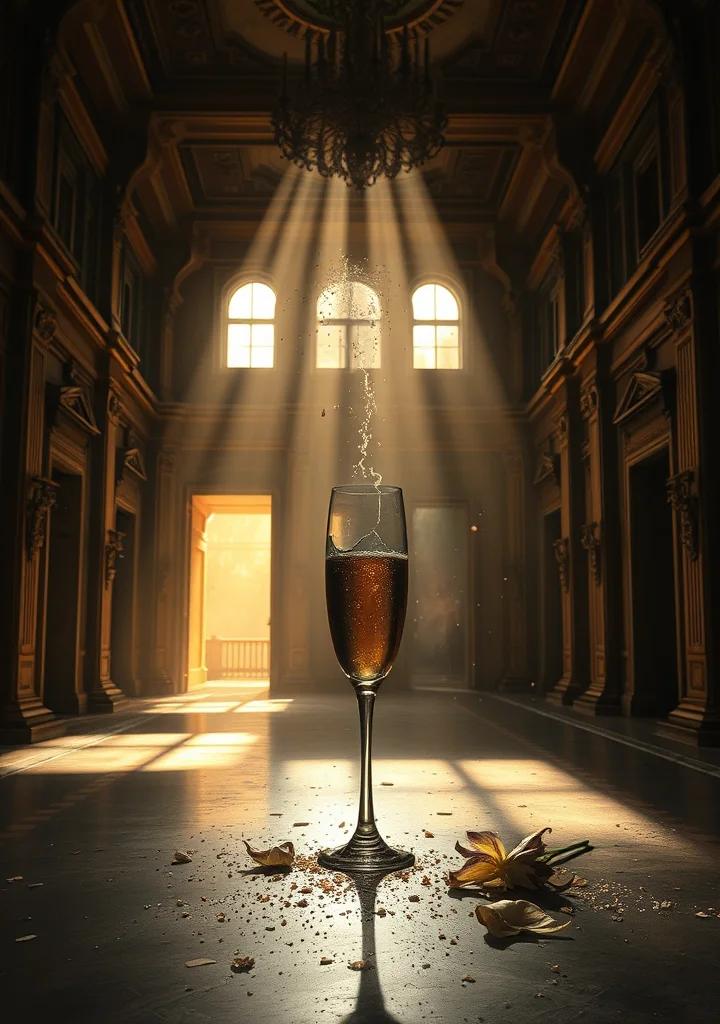
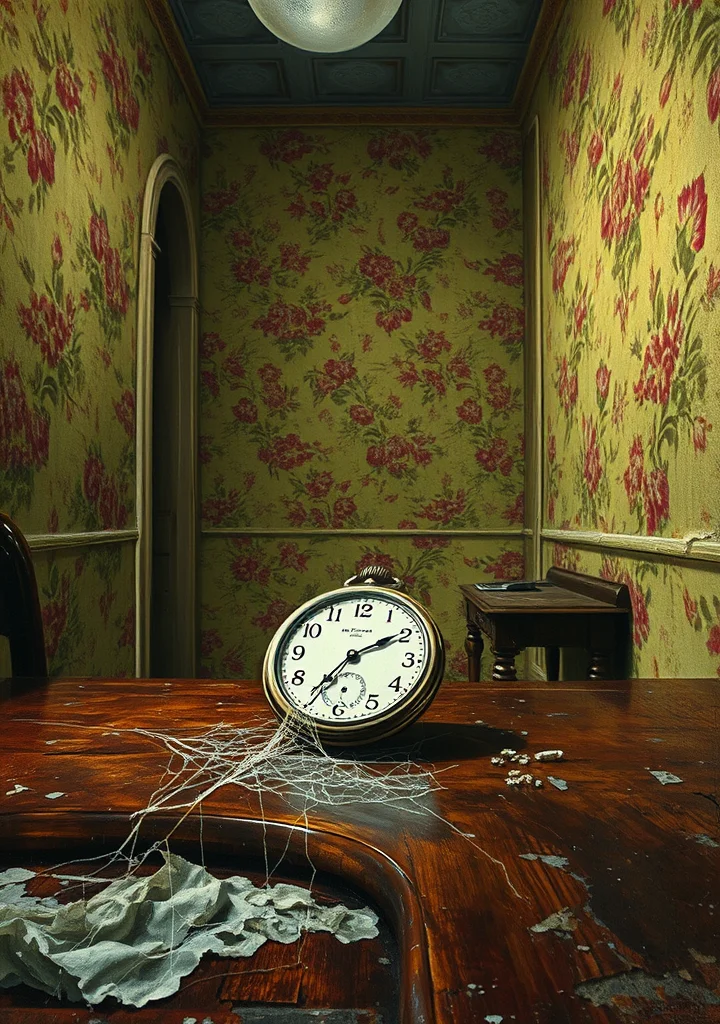
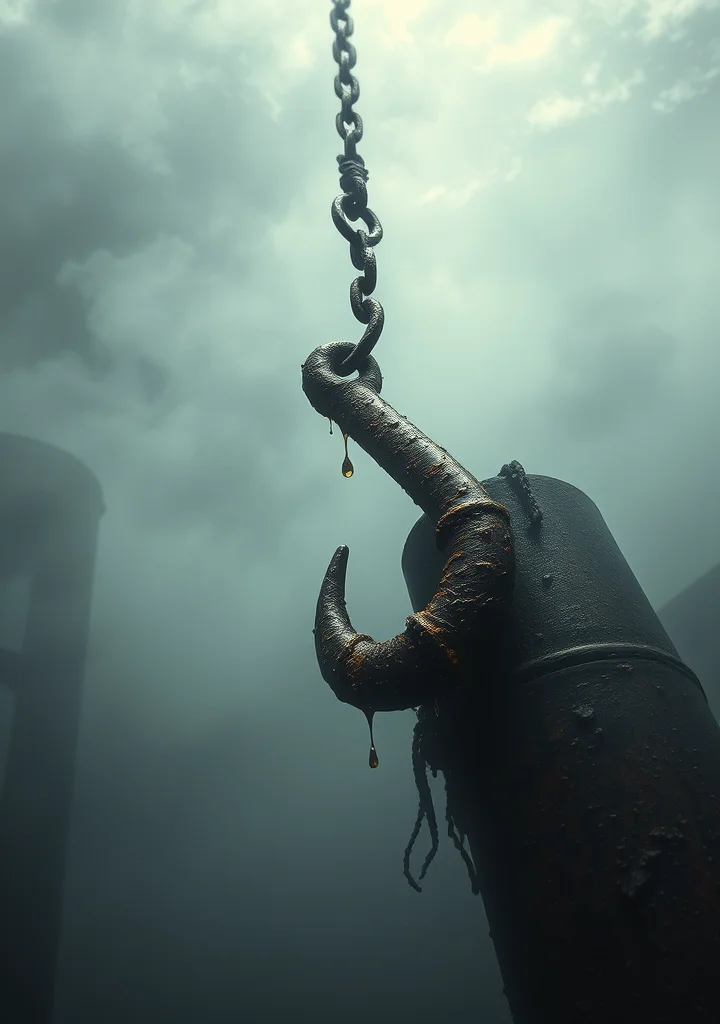
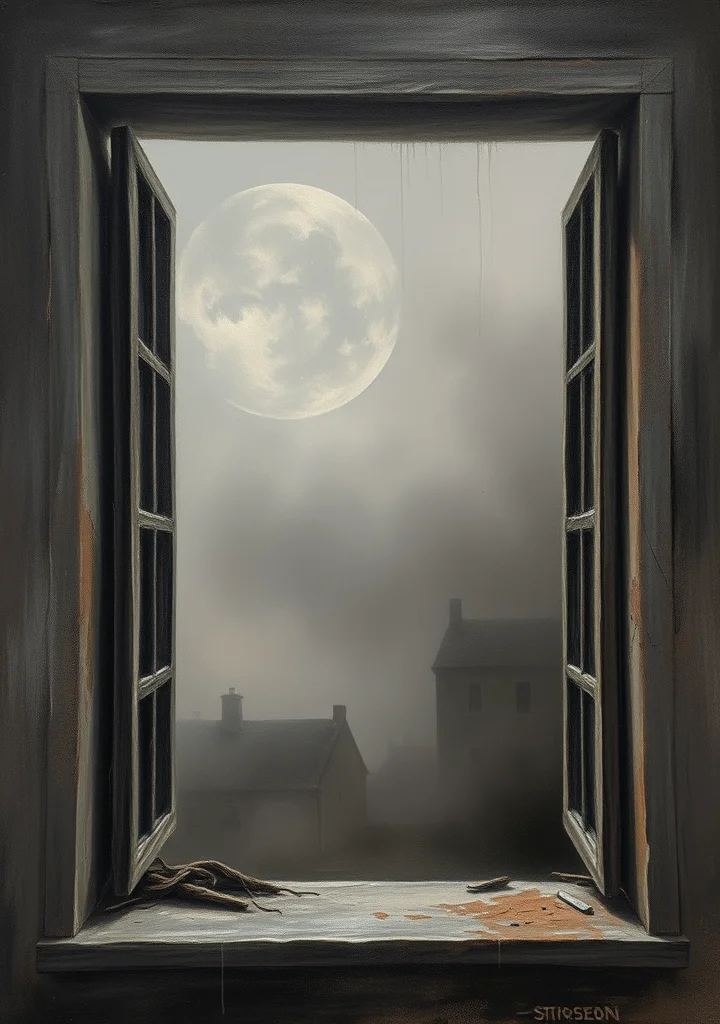
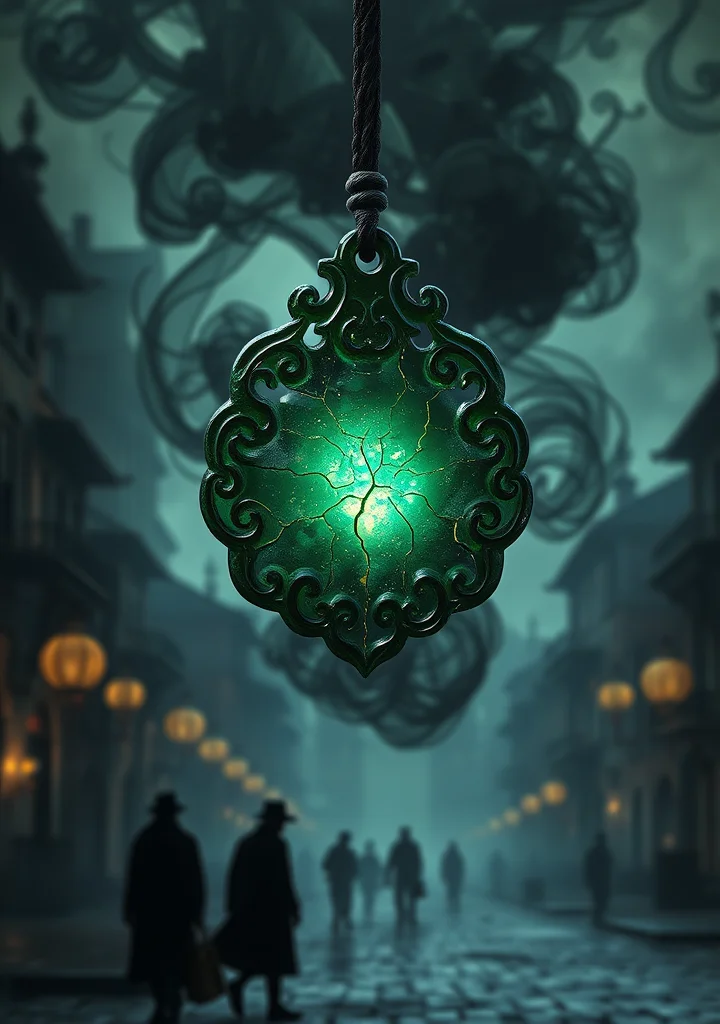
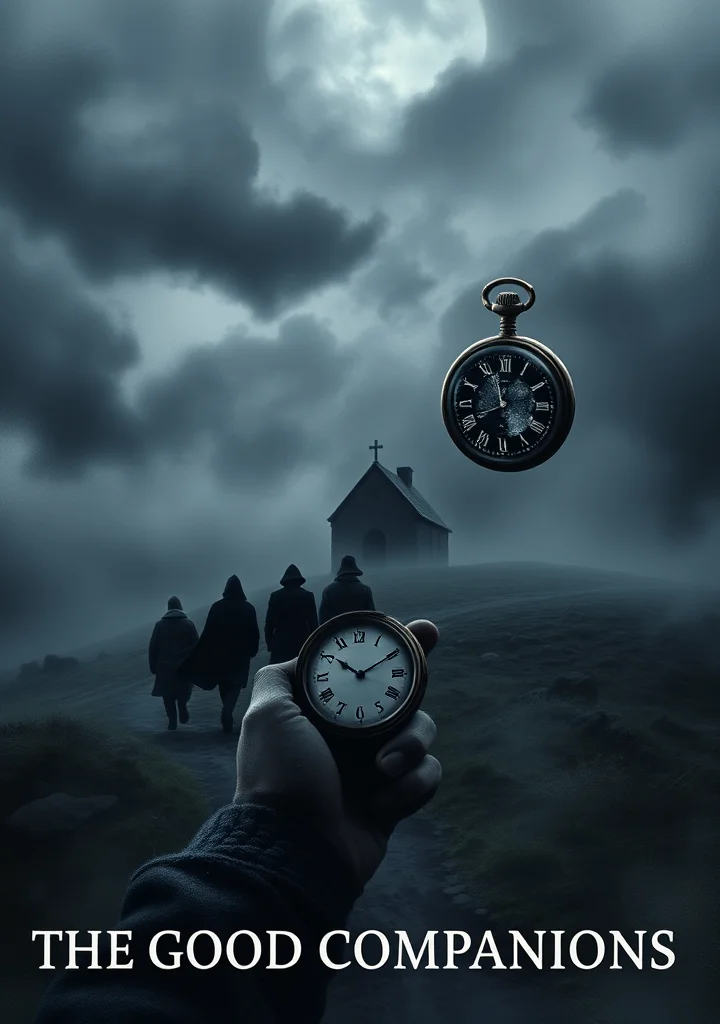
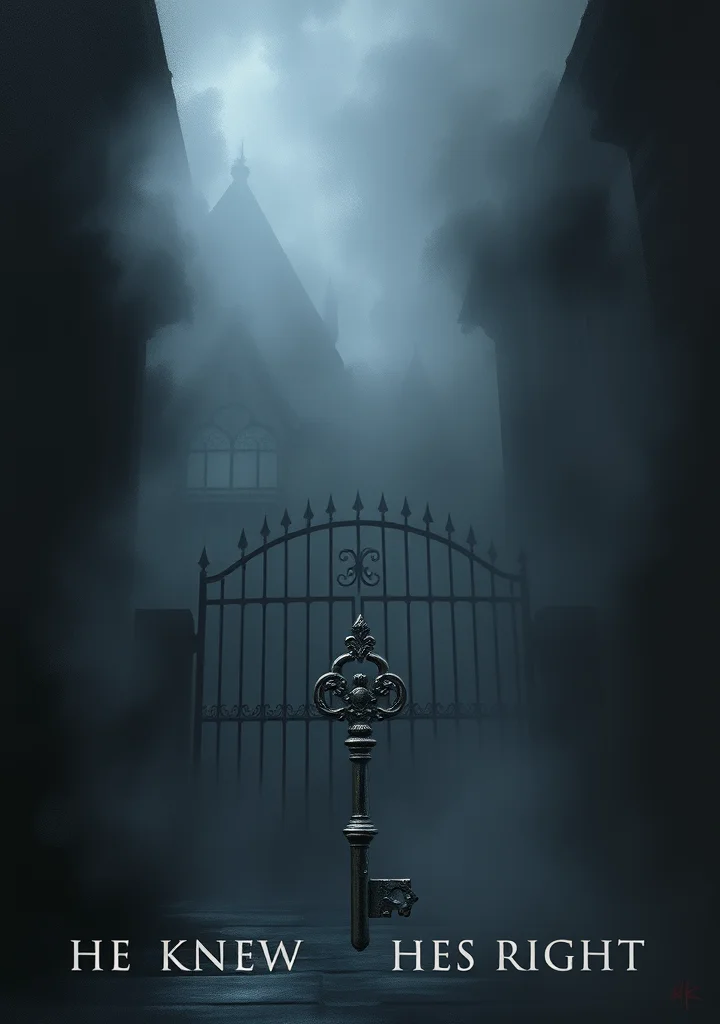
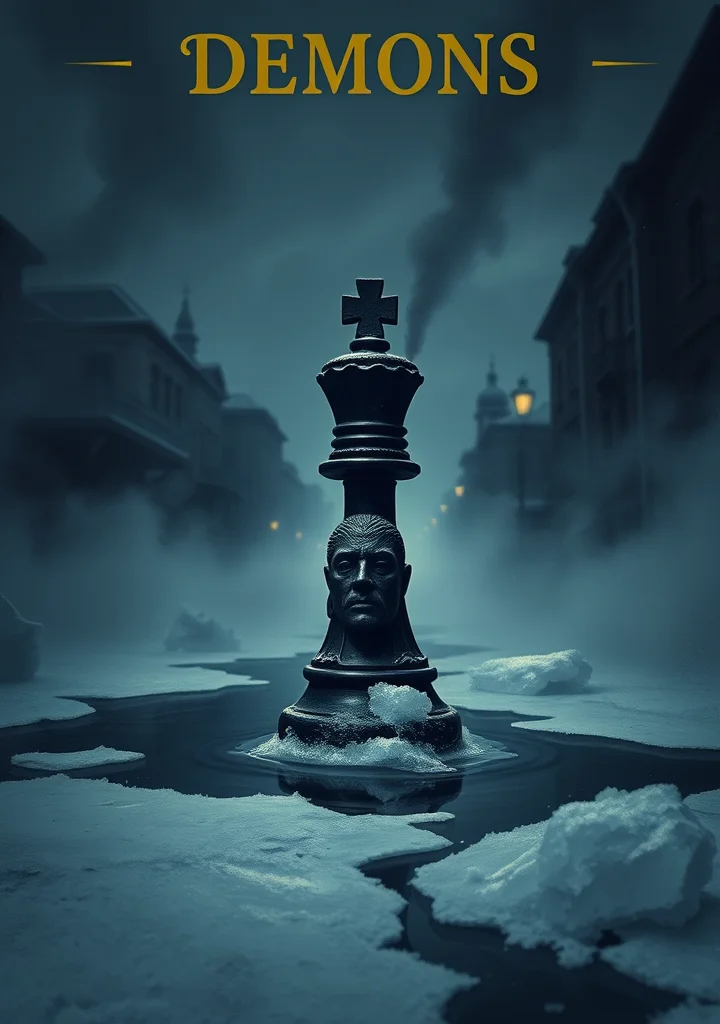
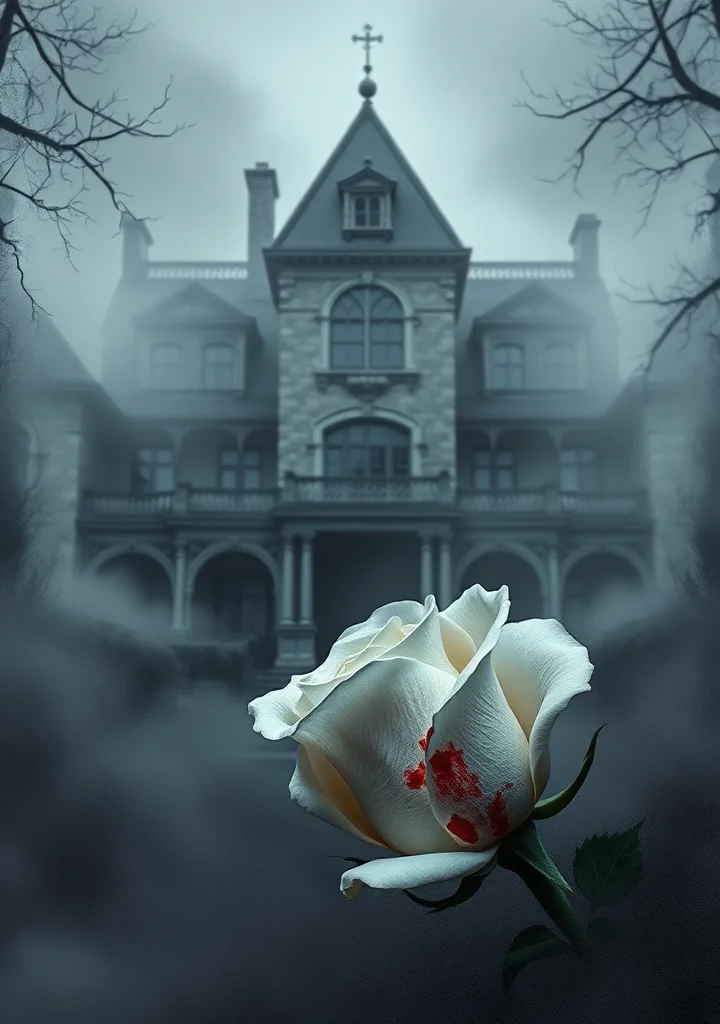
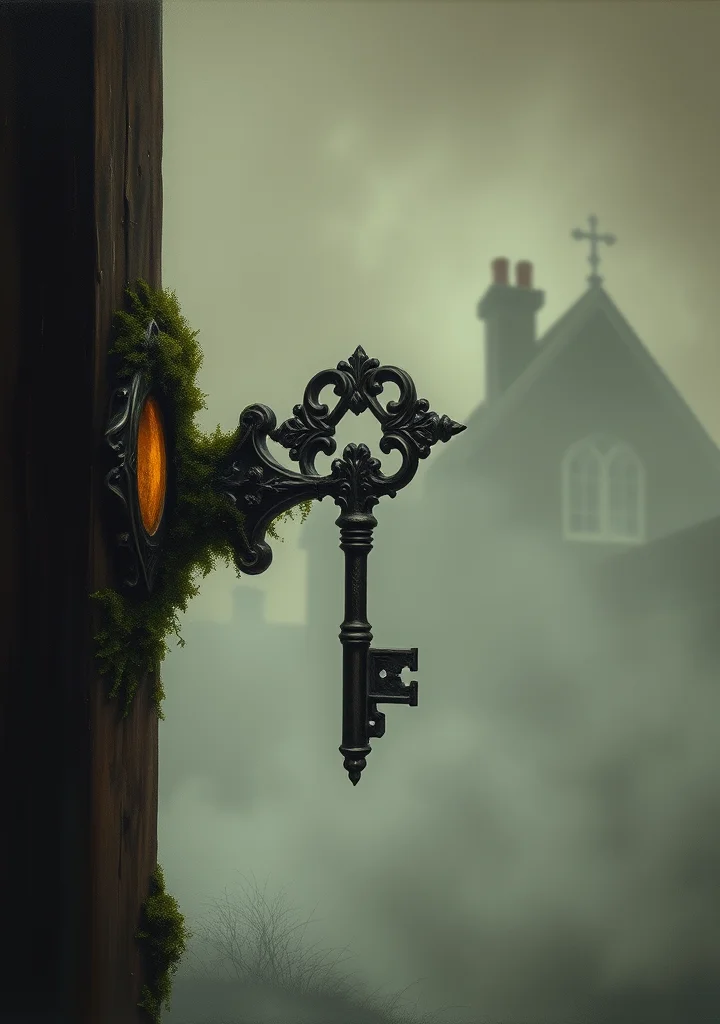
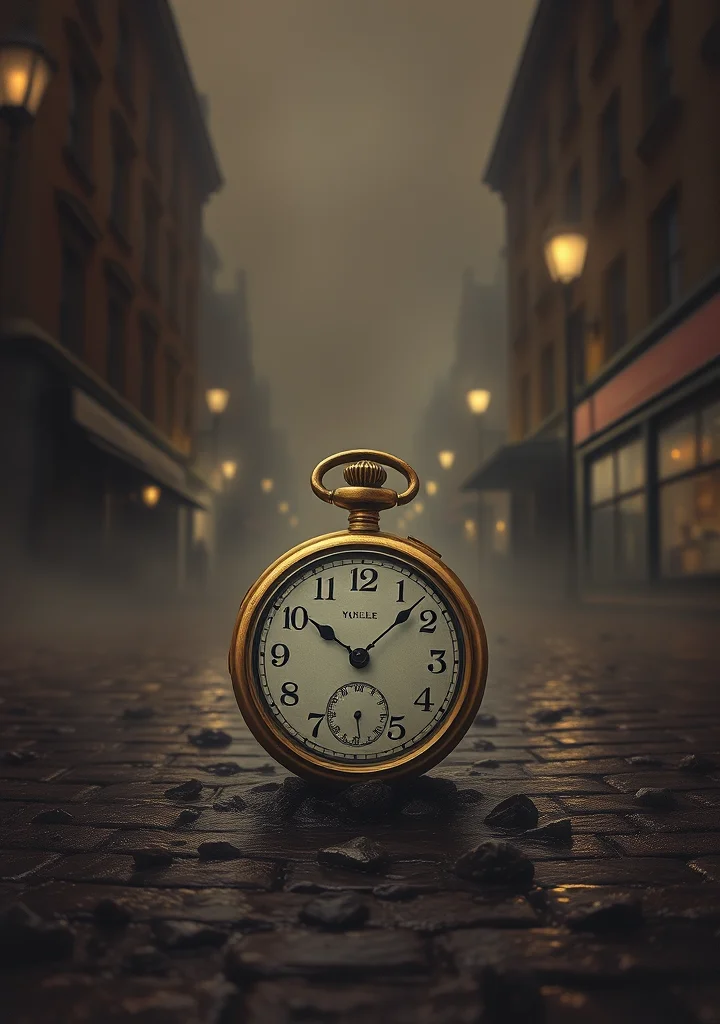
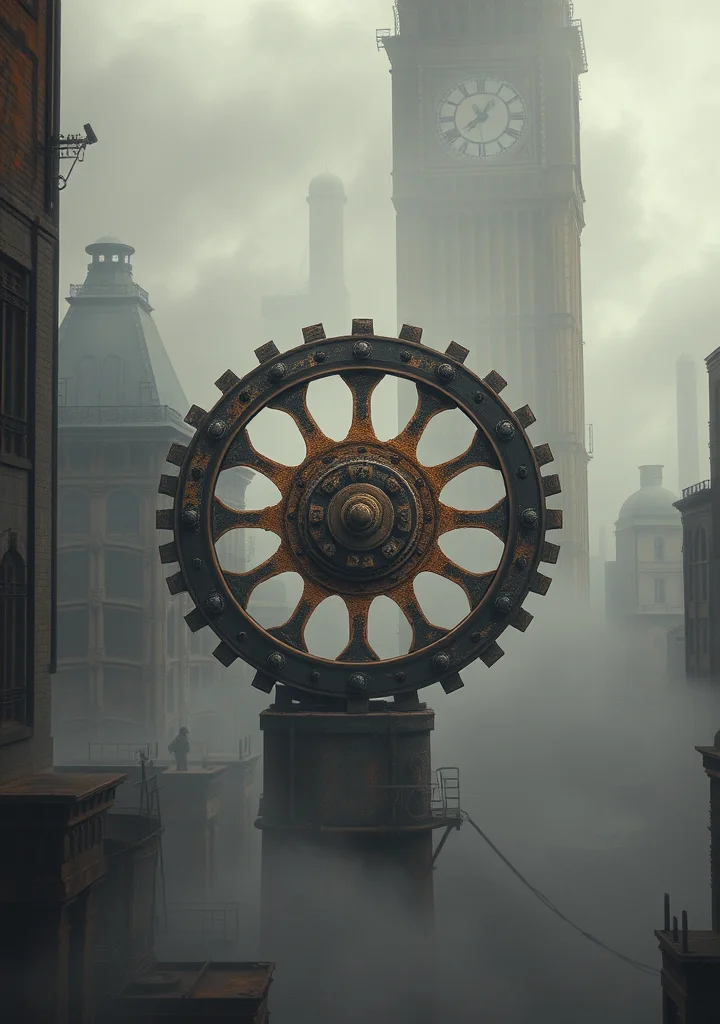
A creeping fog clings to the skeletal remains of Victorian industry, a rust-colored haze that seeps into the very bones of a landscape once promising progress. This is not a return to a land remembered fondly, but a descent into a mirrored nightmare where the echoes of utopian striving have curdled into a chilling, bureaucratic despair. The air hangs thick with the scent of decay – not of flesh, but of ambition gone sour, of reason meticulously dismantled.
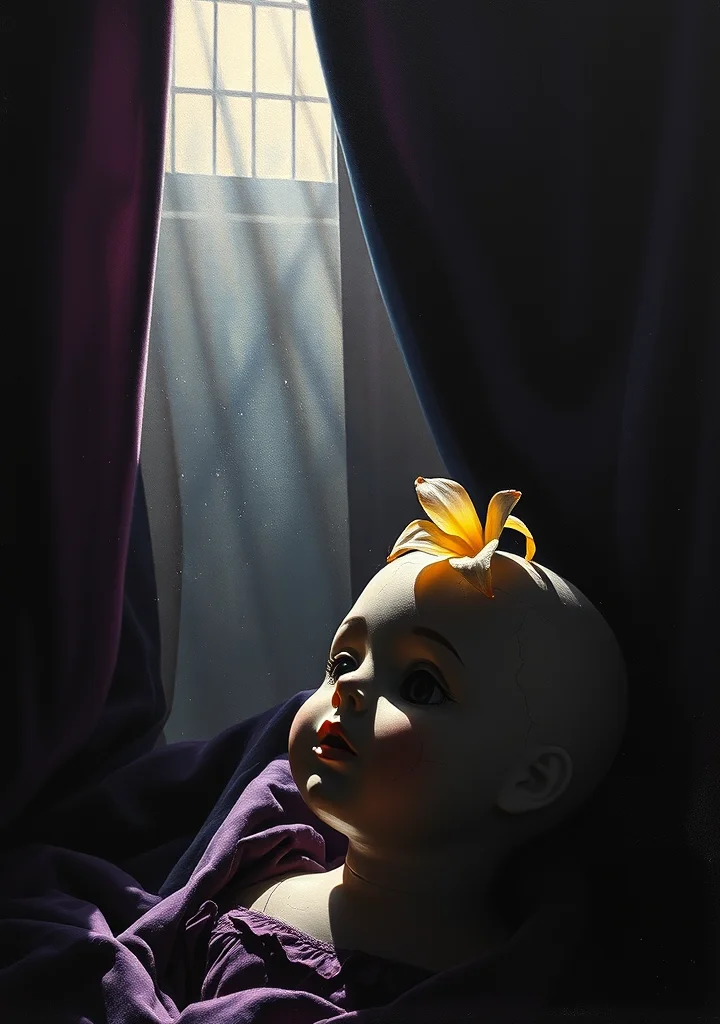
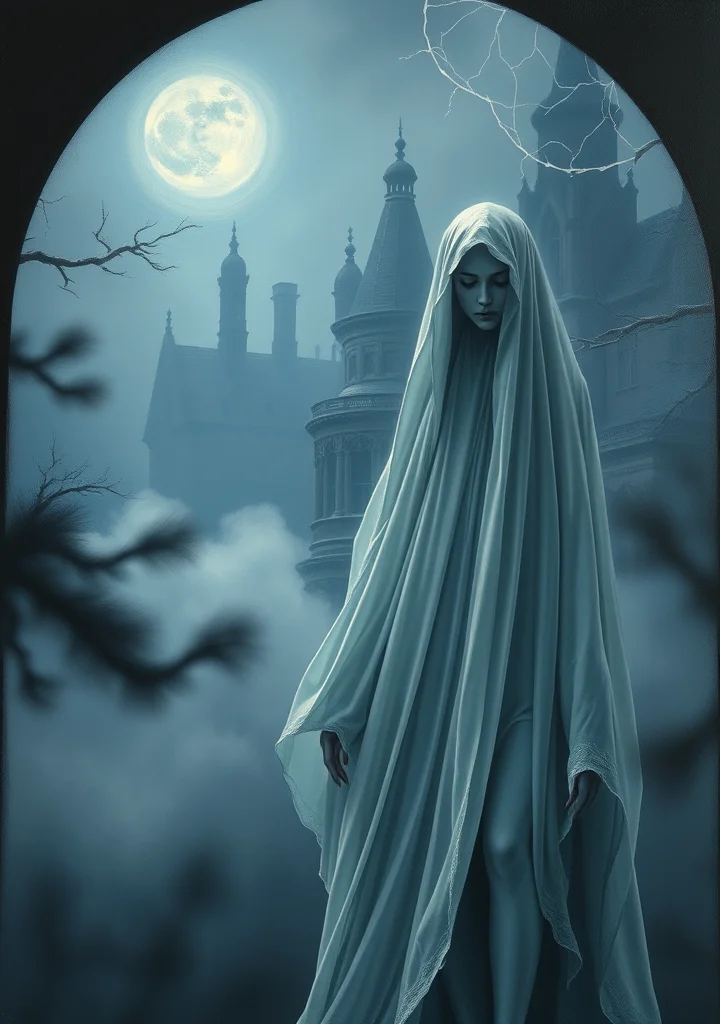
The streets of Erewhon, once gleaming with naive idealism, are now haunted by the ghosts of enforced wellness, of machines built to mimic life yet devoid of soul. Every perfectly ordered garden conceals a rot beneath the manicured blooms. A sense of pervasive surveillance doesn’t come from watchful eyes, but from the suffocating weight of conformity.
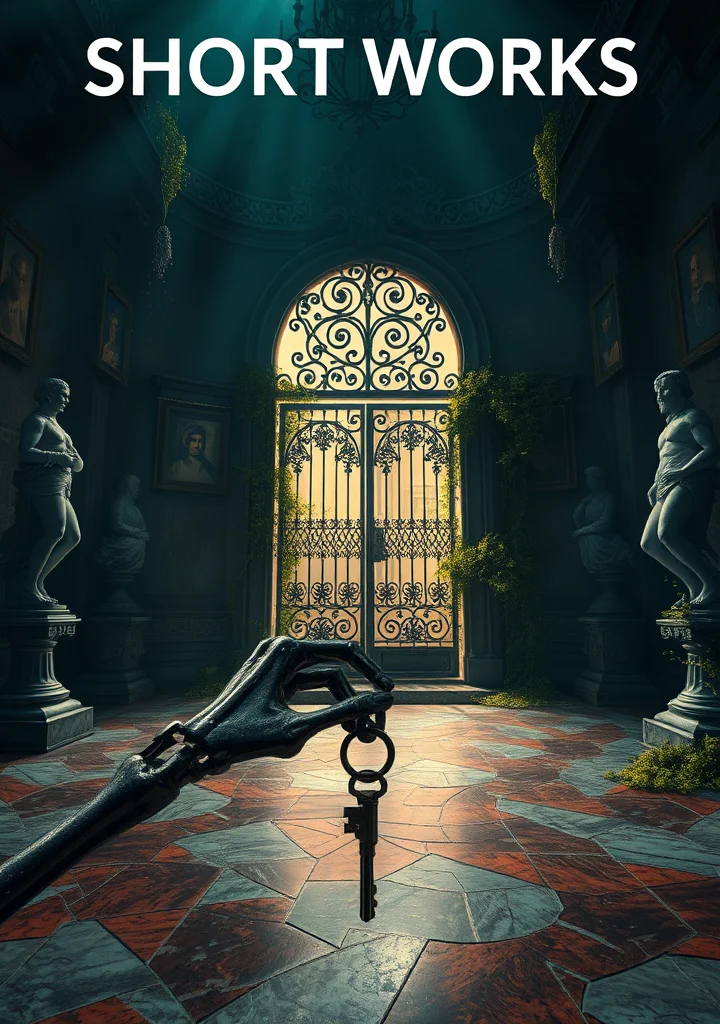
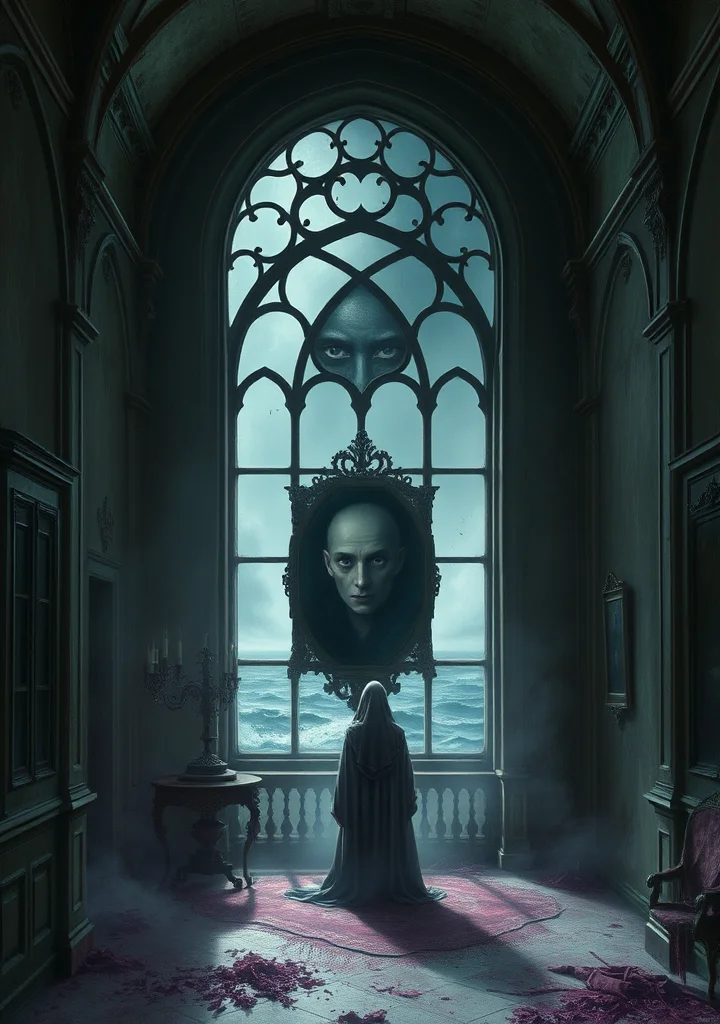
The narrative unfolds as a fractured pilgrimage through a society meticulously constructed on denial—denial of sickness, of suffering, of the very nature of being human. The architecture itself feels like a cage, each building a testament to the precision of a logic that has severed itself from empathy. The sun, when it deigns to appear, casts long, distorted shadows that dance with the shadows of the past, revealing the grotesque underbelly of a paradise built on lies. It is a place where the line between sanity and madness dissolves in a perpetual twilight, and where the only escape is to lose oneself in the labyrinthine corridors of its perfectly engineered delusion. A suffocating stillness permeates everything, broken only by the rhythmic, mechanical beat of a heartless order.
Copyright: Public Domain
This license allows anyone to use your story for any purpose, including printing, selling, or adapting it into a film freely.
This license allows anyone to use your story for any purpose, including printing, selling, or adapting it into a film freely.
Chapter List
-
« Erewhon Revisited »📖 Continue Reading
-
« Chapter_3 »
-
« Author’s Preface »
-
« Erewhon Revisited »
-
« I »
-
« II »
-
« III »
-
« IV »
-
« V »
-
« VI »
-
« VII »
-
« VIII »
-
« IX »
-
« X »
-
« XI »
-
« XII »
-
« XIII »
-
« XIV »
-
« XV »
-
« XVI »
-
« XVII »
-
« XVIII »
-
« XIX »
-
« XX »
-
« XXI »
-
« XXII »
-
« XXIII »
-
« XXIV »
-
« XXV »
-
« XXVI »
-
« XXVII »
-
« XXVIII »
32
-
« Erewhon Revisited »
-
« Chapter_3 »
-
« Author’s Preface »
-
« Erewhon Revisited »
-
« I »
-
« II »
-
« III »
-
« IV »
-
« V »
-
« VI »
-
« VII »
-
« VIII »
-
« IX »
-
« X »
-
« XI »
-
« XII »
-
« XIII »
-
« XIV »
-
« XV »
-
« XVI »
-
« XVII »
-
« XVIII »
-
« XIX »
-
« XX »
-
« XXI »
-
« XXII »
-
« XXIII »
-
« XXIV »
-
« XXV »
-
« XXVI »
-
« XXVII »
-
« XXVIII »
More like this