
The Wind in the Willows
  • 82
  • 0
  • 13
  • Reads 82
  • 0
  • Part 13
Completed, First published Mar 02, 2026

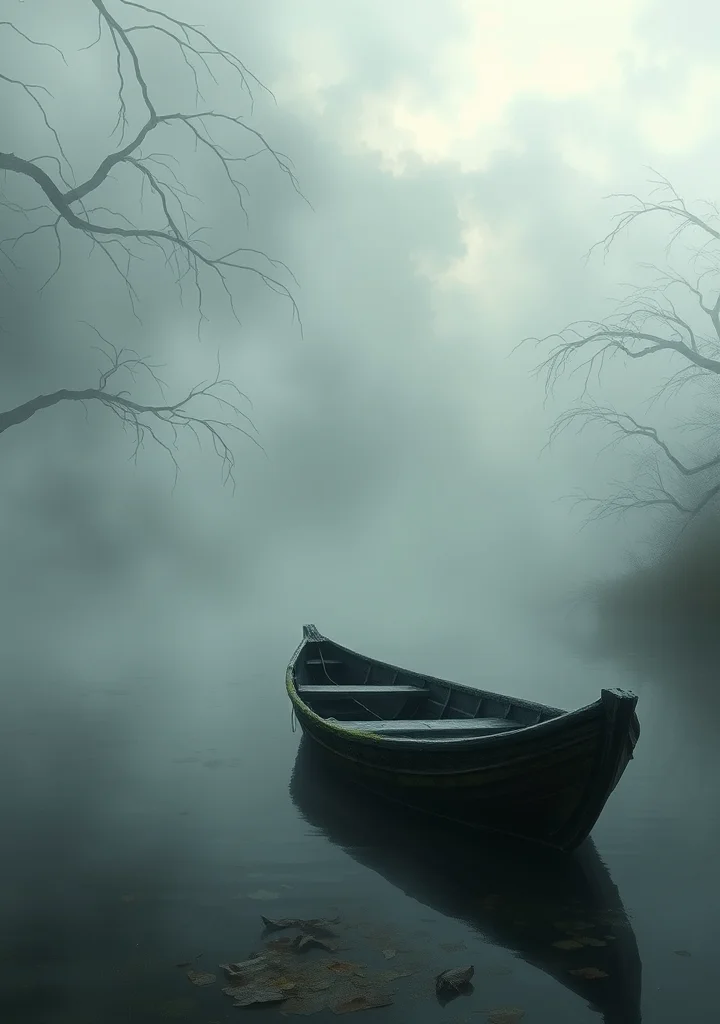
A creeping mist clings to the riverbank, blurring the edges of the wild wood. Though ostensibly a children’s tale, a disquieting stillness permeates the pastoral landscapes of Grahame’s England. Sunlight feels brittle here, casting long shadows that stretch and distort the familiar forms of badger, mole, and rat. The very waterways whisper of forgotten paths and submerged histories. Beneath the veneer of gentle camaraderie, a loneliness echoes—a longing for a world lost to the encroaching seasons. The scent of damp earth and decaying leaves hangs heavy, hinting at a deeper, more melancholic cycle than mere animal life. A sense of isolation settles with the falling dusk, as the river itself becomes a conduit for whispers of what was, and what might be swallowed by the deepening gloom. It is a world on the cusp of winter, where even the bravest creatures carry the weight of a quiet, enduring grief. The wind doesn't merely blow through the willows; it *remembers* a world on the verge of vanishing.
Copyright: Public Domain
This license allows anyone to use your story for any purpose, including printing, selling, or adapting it into a film freely.
Recommended for you
21 Part
A creeping dread clings to the salt-laced shores of Varick Isle, where the crumbling manor of its namesake stands sentinel against a perpetual grey sky. The story unfolds not as a linear descent, but as a slow unraveling—a tapestry of whispered confessions unearthed in brine-soaked journals and the fevered ramblings of those who dared to seek Varick’s secrets. Saltus paints a world steeped in maritime rot and the suffocating weight of ancestral guilt. Each chapter feels like a chipped fragment of a drowned memory, revealing glimpses of a man consumed by his own meticulous, morbid obsession with charting the currents of madness. The narrative breathes with the damp chill of forgotten crypts, where shadows twist into the shapes of Varick’s monstrous creations—not of flesh and bone, but of painstakingly transcribed nightmares. A suffocating claustrophobia permeates the text, mirroring the labyrinthine passages of the manor itself. The air is thick with the scent of decaying parchment and the metallic tang of blood, both real and imagined. The truth, as it surfaces, is less a revelation than a contagion—a spreading stain of corruption that seeps into the reader's mind, blurring the line between the rational and the grotesque. It is a story of inheritance not of wealth, but of decay, a descent into a watery grave where the boundaries of sanity dissolve into the churning depths. One finds oneself not merely reading of Varick’s madness, but *experiencing* it, drawn into its suffocating vortex, haunted by the echoes of its mournful cries carried on the wind.