
Nightmare Abbey
  • 98
  • 0
  • 18
  • Reads 98
  • 0
  • Part 18
Completed, First published Mar 02, 2026

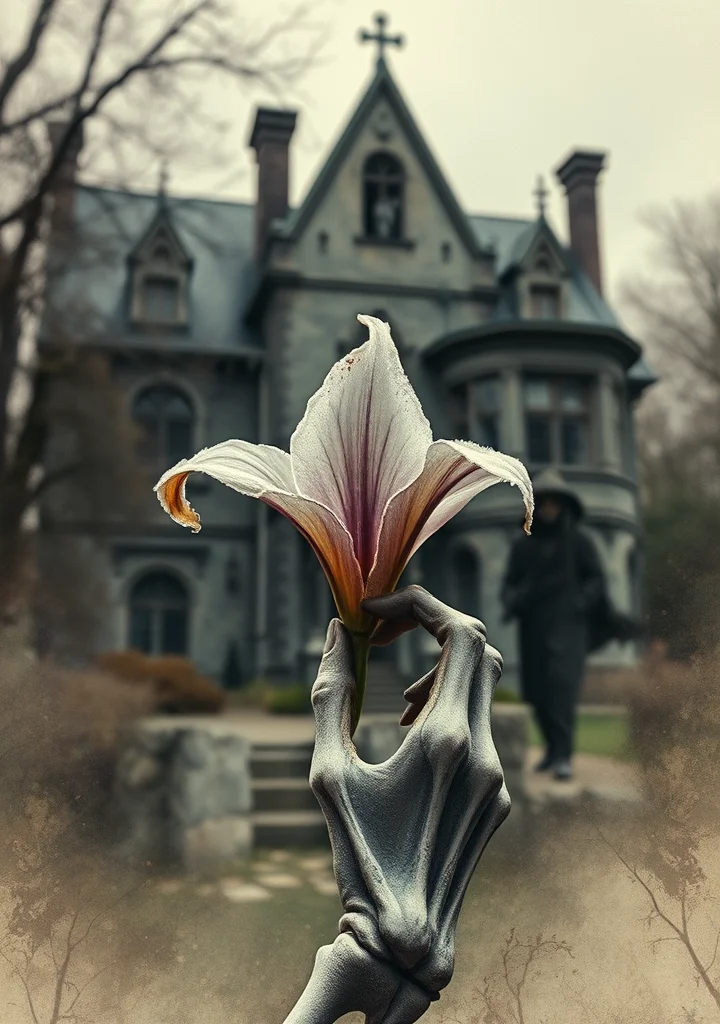
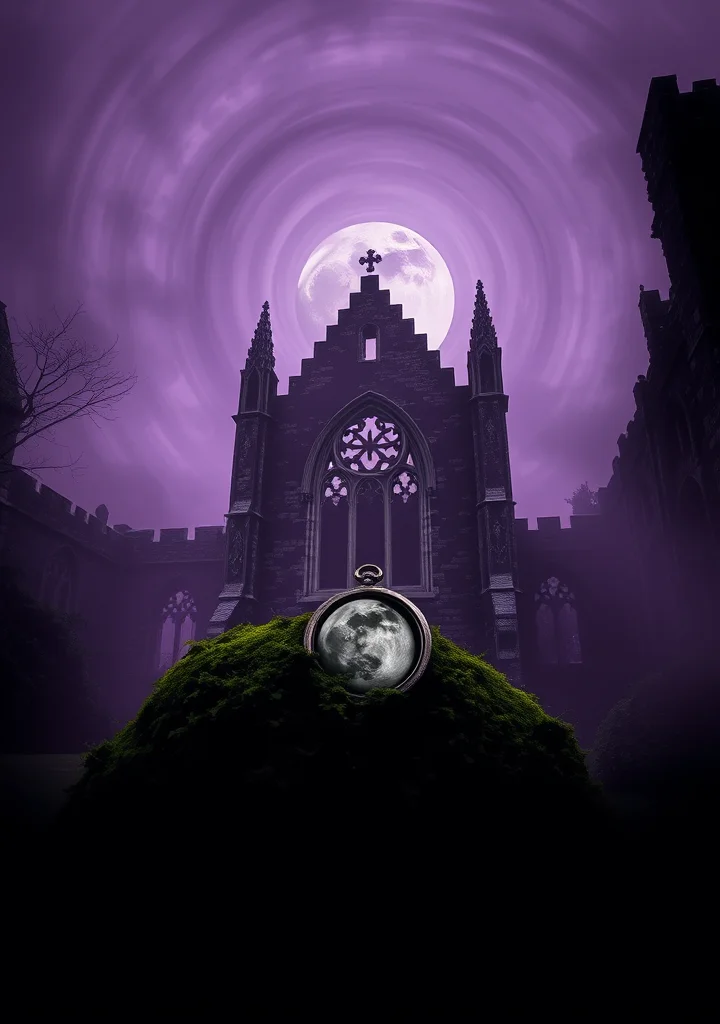
A creeping mist clings to the decaying stone of Nightmare Abbey, a melancholy estate haunted by the ghosts of ambition and disillusionment. Within its shadowed halls, a brittle aristocracy circles, each member a grotesque caricature of intellect and vanity. The air is thick with cynical wit, delivered as barbs aimed at the heart of progress, of faith, of love itself. A young, earnest soul arrives, drawn into this orbit of decaying grandeur, and finds himself entangled in a web of fractured philosophies and spectral romances. But the Abbey is not merely a prison of ideas; it’s a mausoleum of the heart, where every whispered conversation unravels into a morbid dissection of desire. The narrative unfolds like a slow poisoning, a creeping dread that blossoms not from supernatural horror, but from the suffocating weight of ennui and the exquisite torture of unfulfilled potential. Sunlight seems to fear the Abbey’s shadowed corners, and the laughter echoing through its chambers is a brittle, hollow sound, promising only the echo of its own decay. The very walls seem to listen, absorbing the venomous pronouncements until the Abbey itself becomes a living testament to the futility of human endeavor. It is a place where reason and madness dance a macabre waltz, and where the boundaries between dream and waking nightmare blur into a suffocating, elegant despair.
Copyright: Public Domain
This license allows anyone to use your story for any purpose, including printing, selling, or adapting it into a film freely.
Recommended for you
13 Part
A suffocating dread clings to the stone of Calvary, not of Christ’s ascent, but of a family’s descent into inherited madness. The chateau breathes with the rot of generations, each gilded room echoing with the ghosts of ambition and decay. Here, the de Juvigny lineage festers, consumed by a legacy of brutal land-grabbing, military glory bought with the lives of men, and a morbid obsession with lineage that curdles into a grotesque parody of piety. The air is thick with the scent of damp earth, decaying flowers, and the bitter tang of arsenic, whispered to be the family’s favored tonic. Shadows dance in the crumbling corridors, mirroring the unraveling sanity of the patriarch, a man carved from granite and haunted by the phantom victories of his father. His sons, twisted reflections of his own brutal ambition, circle like carrion birds, each desperate to claim the crumbling estate as their own. A suffocating claustrophobia grips the reader as the narrative burrows deeper into the poisoned roots of the de Juvigny bloodline. The very walls seem to weep with the weight of unspeakable deeds. It is a world where beauty is a fragile veneer masking a core of rot, where devotion is a suffocating ritual, and where the soil itself is stained crimson with the secrets of a dynasty’s savage hunger. The narrative doesn't merely unfold; it *bleeds* into the reader's consciousness, leaving behind a residue of cold stone, whispered curses, and the chilling realization that Calvary is not a place of redemption, but a monument to the enduring power of darkness.
20 Part
A creeping dread clings to the salt-laced air of Porthaven, a village choked by perpetual mist and shadowed by the crumbling manor of Blackwood Hall. Old Man Hemlock, postmaster and keeper of forgotten grievances, delivers letters not to their intended hands, but to the hollows of regret and festering secrets. Each missive, delivered with a tremor and a whispered apology, unravels a life already frayed by loneliness and the weight of unacknowledged sins. The narrative follows Elara Thorne, a woman haunted by a correspondence she never sent, a confession penned in feverish ink and delivered to a phantom recipient. As she seeks the source of these spectral deliveries, she descends into Blackwood’s labyrinthine halls, where portraits weep with soot and the scent of brine mixes with the dust of forgotten rituals. The house itself breathes with a sorrowful intelligence, its corridors echoing with the murmur of broken promises. Every room is a mausoleum of fractured memory, each object a shard of a life shattered by the wrong letter—a word misplaced, a truth concealed, a love betrayed. The very stones seem to weep with the weight of the past, and Elara finds herself caught in a tightening spiral of delusion and decay, unsure if the horrors she uncovers are real or born of her own unraveling mind. The fog outside mirrors the confusion within, obscuring the boundaries between the living and the dead, and the truth buried beneath layers of whispered accusations and unspoken fears. A chilling silence pervades, punctuated only by the relentless drip of rain and the unsettling certainty that someone, somewhere, is watching her unravel.