
She Stoops to Conquer
  • 91
  • 0
  • 17
  • Reads 91
  • 0
  • Part 17
Completed, First published Mar 02, 2026

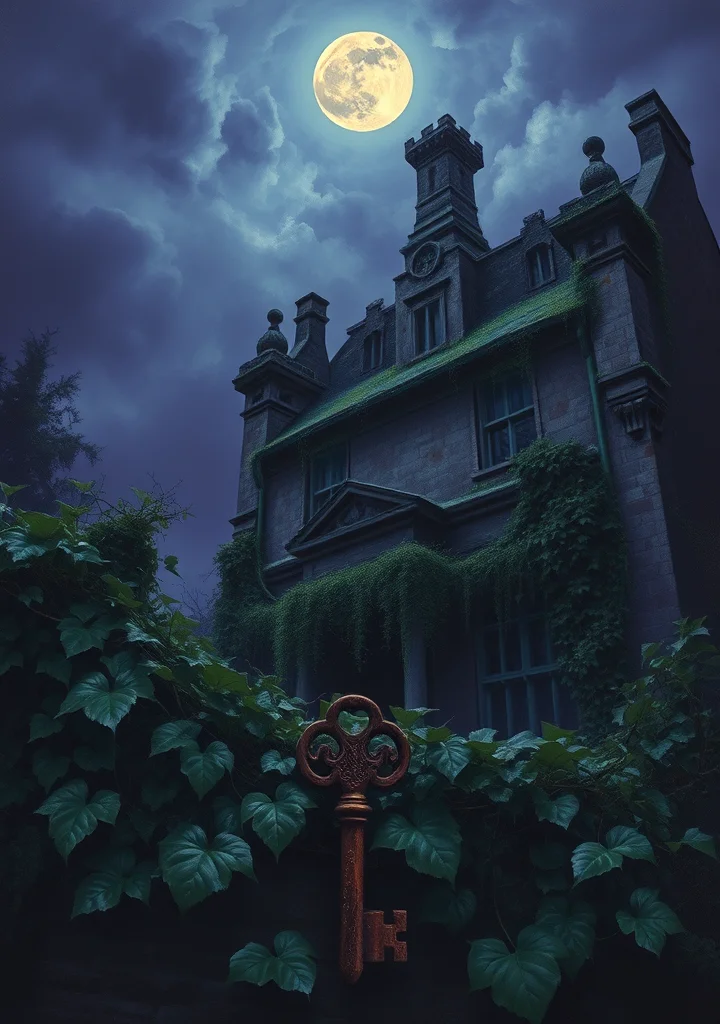
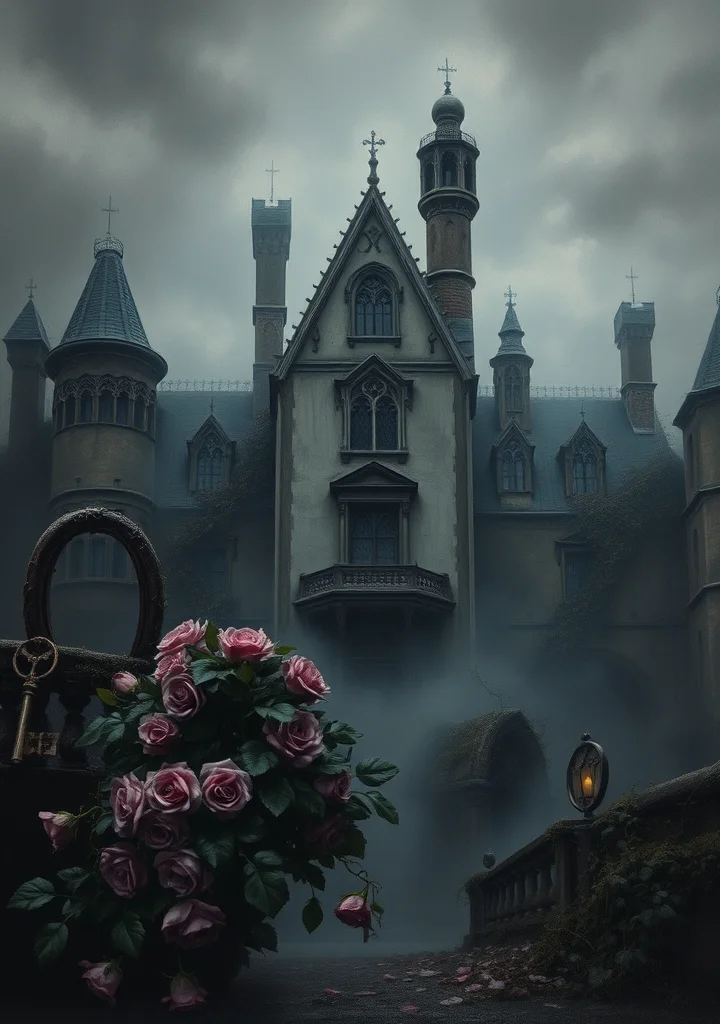
A creeping mist clings to the ancient manor, its stone bones groaning under the weight of generations past. Here, amidst shadowed halls and overgrown gardens, a deception blooms. The air hangs thick with the scent of decaying roses and unspoken desires, a fragrant rot mirroring the unraveling of propriety. A gentleman, cloaked in disillusionment, seeks a bride but finds himself drawn into a labyrinth of masquerade. The very estate seems to breathe with a sly, knowing amusement as he mistakes a fiery commoner for a delicate heiress. Each stolen glance, each whispered word, becomes entangled in a web of carefully constructed illusion. The laughter echoing through the corridors is brittle, a hollow sound that betrays the fragility of the charade. A simmering tension coils around the hearth, threatening to ignite into a reckless abandon. The darkness within the manor isn’t merely architectural; it’s woven into the hearts of those who dare to seek love within its crumbling embrace, a place where truth is obscured by the shadows of ambition and the desperate yearning for connection. The estate itself becomes a silent accomplice, watching as hearts collide and the foundations of social order begin to crumble under the weight of desire.
Copyright: Public Domain
This license allows anyone to use your story for any purpose, including printing, selling, or adapting it into a film freely.
Recommended for you
15 Part
A suffocating mist clings to the crumbling stone of Wollaston’s world, a landscape haunted by the ghosts of reason abandoned. This is not a tale of spectral apparitions, but of a rot within the very bone of existence, where the boundaries between the natural world and the fracturing psyche dissolve. The narrative unfolds like a slow poisoning, tracing the decay of a man’s faith not through divine revelation, but through the cold, clinical dissection of the world’s mechanics. Every wildflower dissected, every star’s trajectory charted, feels less a discovery and more an incision – revealing not the hand of God, but the gaping void where devotion once resided. A pervasive dread settles not in grand, theatrical horrors, but in the meticulous observation of decay. The prose mirrors the era’s obsession with precision, yet each measured sentence feels like a tightening noose. Sunlight here is not a promise of warmth, but a harsh glare exposing the barrenness of a landscape stripped of all comfort. It is a study in isolation, not of hermits in remote cabins, but of a consciousness slowly entombed within the suffocating rationality of its own design. The silence isn’t emptiness, but the stifled scream of a soul observing its own extinction. The air itself tastes of ash and the scent of dried herbs, hinting at a morbid alchemy where the pursuit of natural law becomes a ritual of self-annihilation. One reads not to understand a religion, but to witness the unraveling of one man’s mind as he methodically charts his descent into the barren, unforgiving wilderness of a godless universe.

30 Part
A suffocating stillness clings to the crumbling estate of Blackwood Manor, where whispers of inherited madness and manufactured desires coil like smoke around the brittle bones of its last inhabitants. The air hangs thick with the scent of lilies and something acrid, something *new* – the scent of molded perfection, of faces smooth as porcelain, yet hollowed by an emptiness that mirrors the decay within the manor’s walls. Young Alistair Finch arrives seeking respite, lured by tales of his aunt’s peculiar philanthropy, but finds himself instead swallowed by a society obsessed with ‘refinement.’ Here, beauty is not born, but *constructed*. Faces are remade, personalities reshaped with a chilling precision, all under the watchful gaze of Aunt Isolde, whose smile is as flawless as it is predatory. Alistair discovers the manor’s guests are not merely indulging in vanity, but submitting to a procedure – a sculpting of flesh and will – that promises eternal youth and flawless form. But beneath the polished surfaces, cracks begin to appear. The garden, a labyrinth of sculpted hedges and glass flowers, holds a dark secret: discarded ‘shells’ of those who failed to meet Isolde’s impossible standards. Alistair finds himself drawn to Clara, a woman haunted by fragments of a life she no longer remembers, her eyes mirroring the vacant stare of the mannequins that populate the manor’s shadowed halls. As Alistair unravels the truth, he discovers the price of perfection is not merely beauty, but the very essence of self. The plastic age is not an era of renewal, but of extinction, where humanity is slowly, meticulously, *molded* into oblivion.