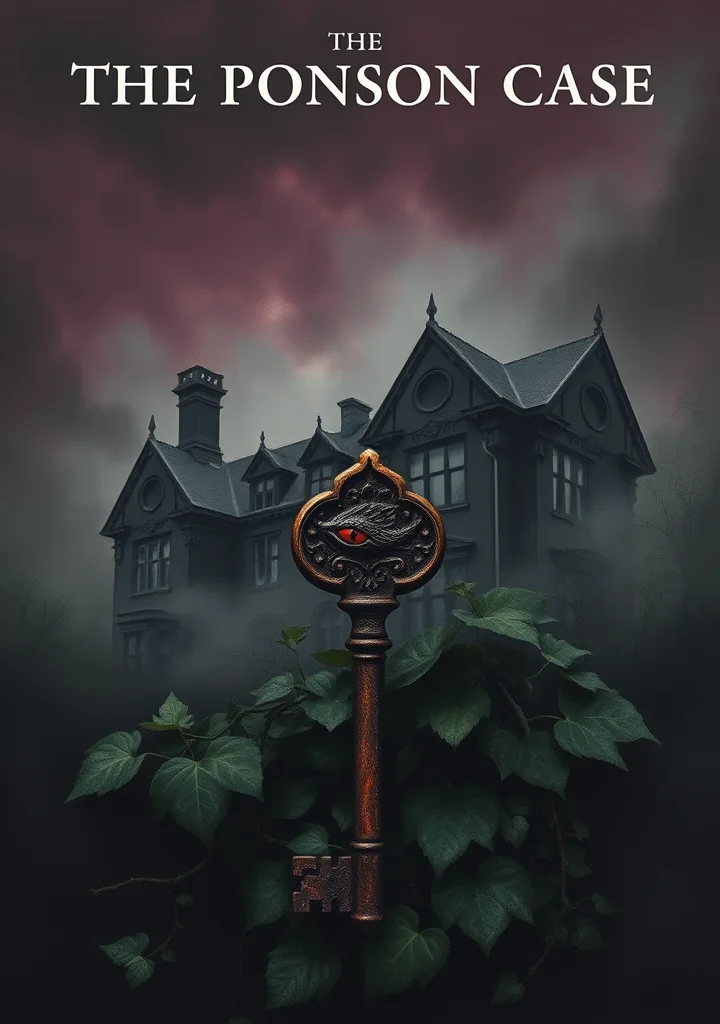

The Ponson Case
  • 85
  • 0
  • 17
  • Reads 85
  • 0
  • Part 17
Completed, First published Mar 02, 2026

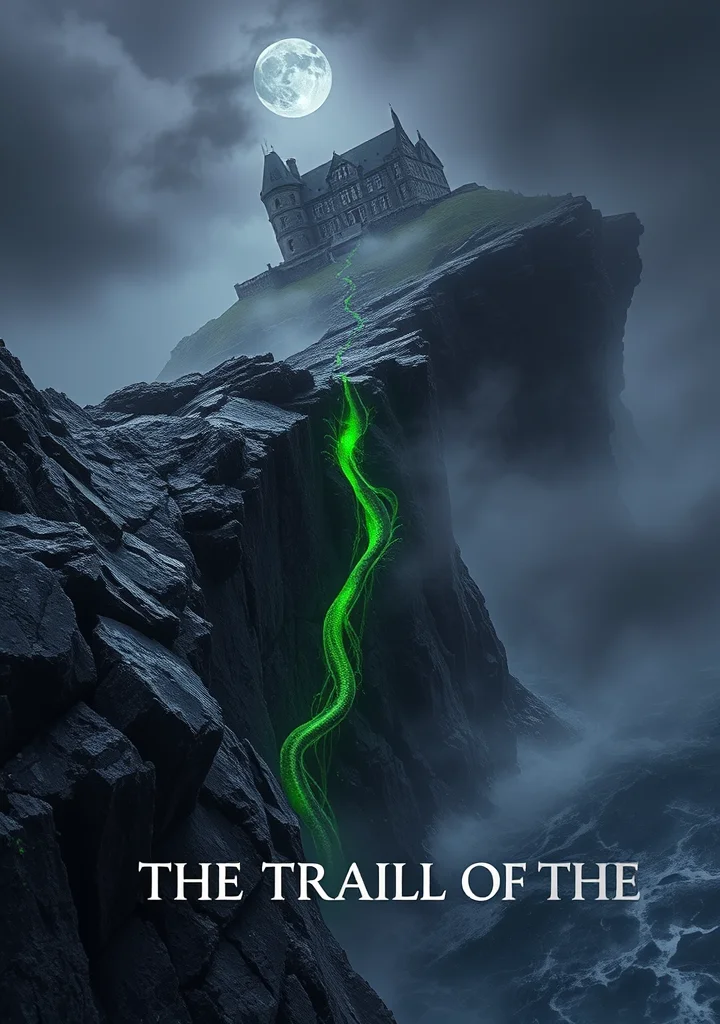
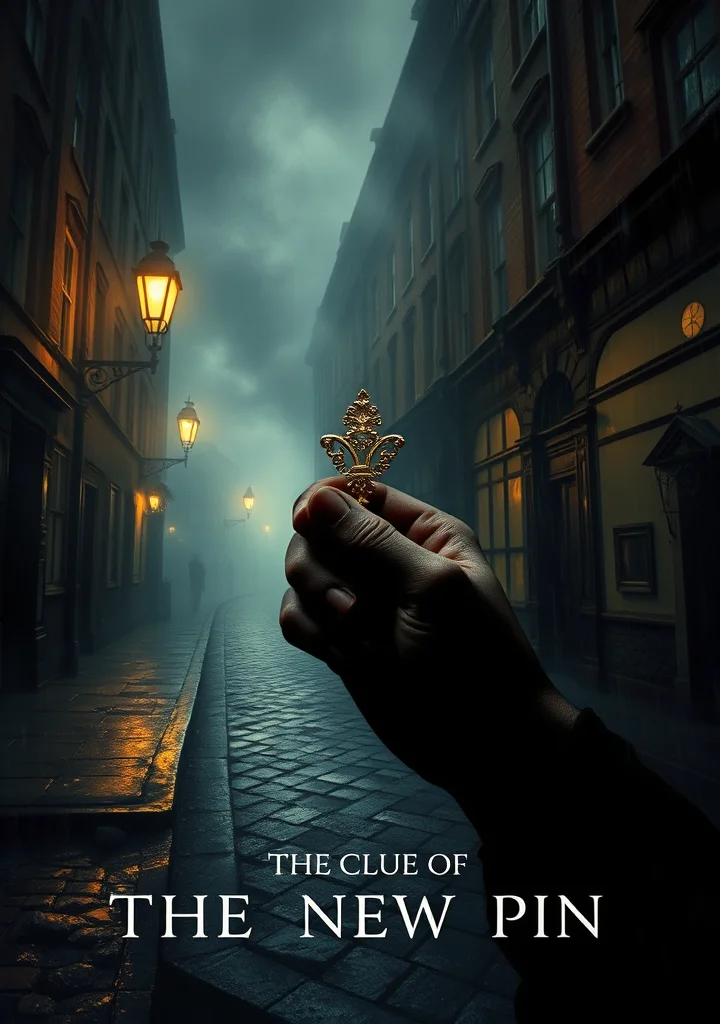
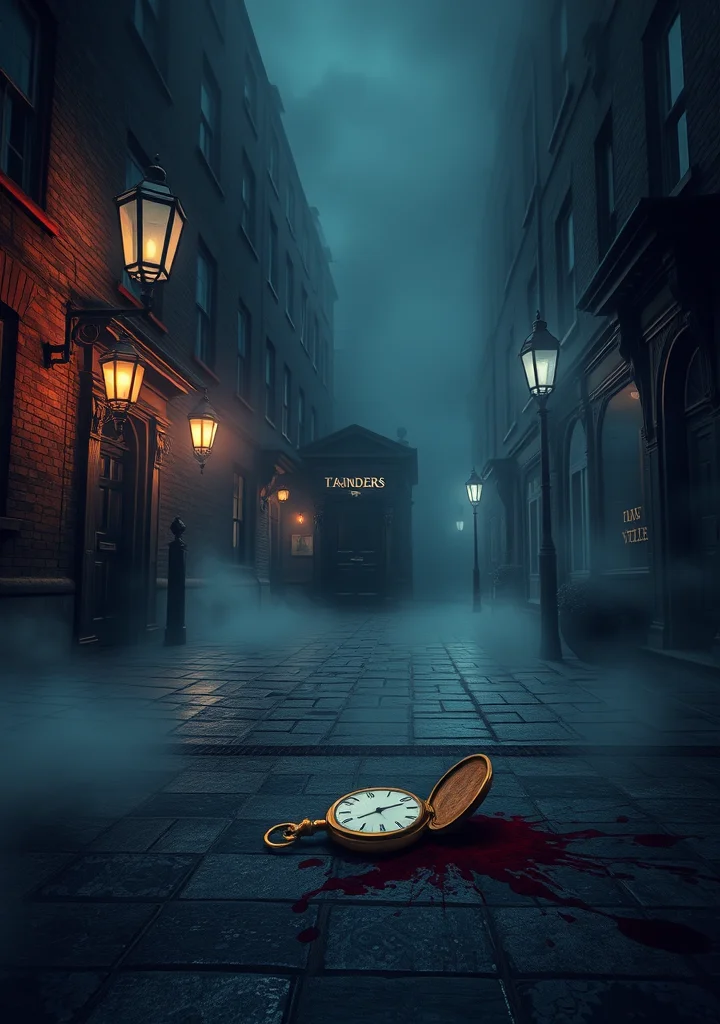
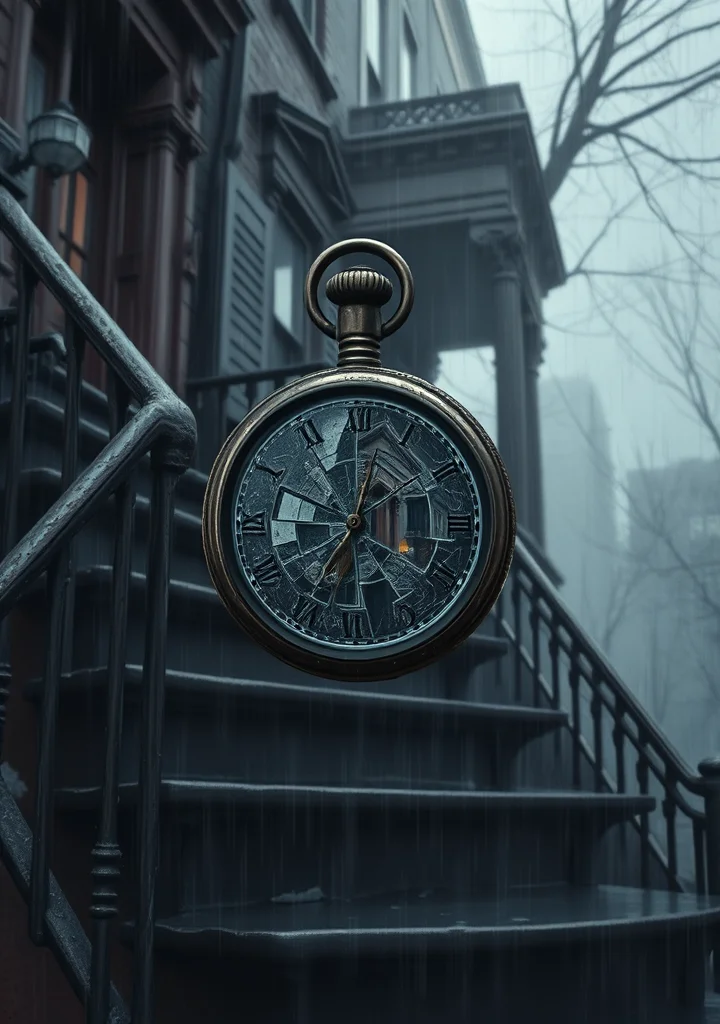
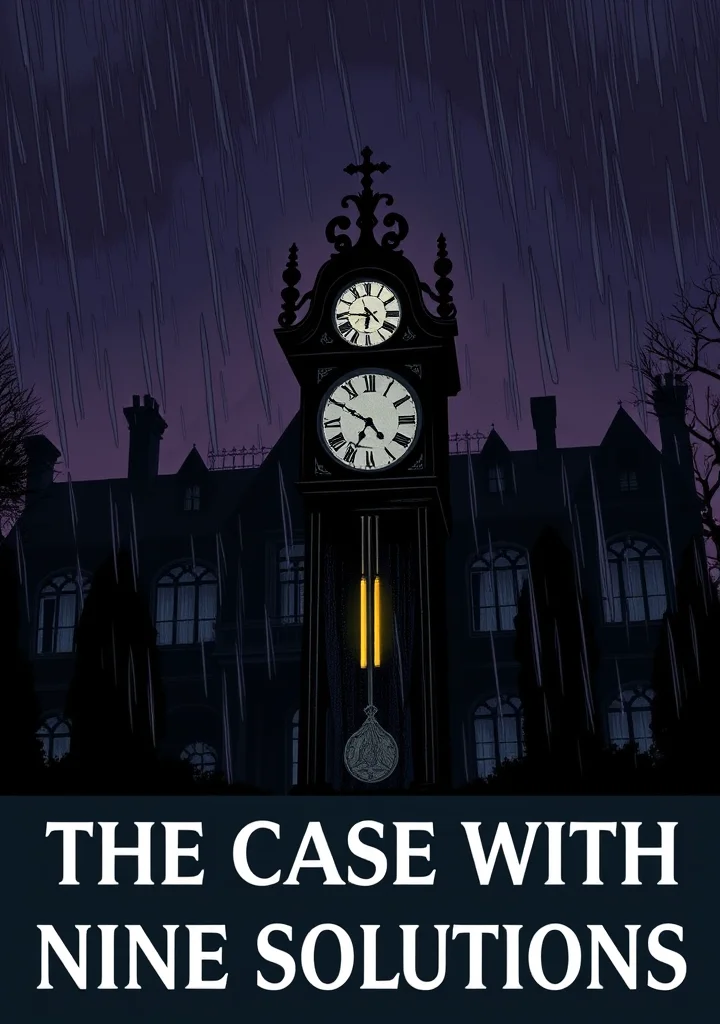
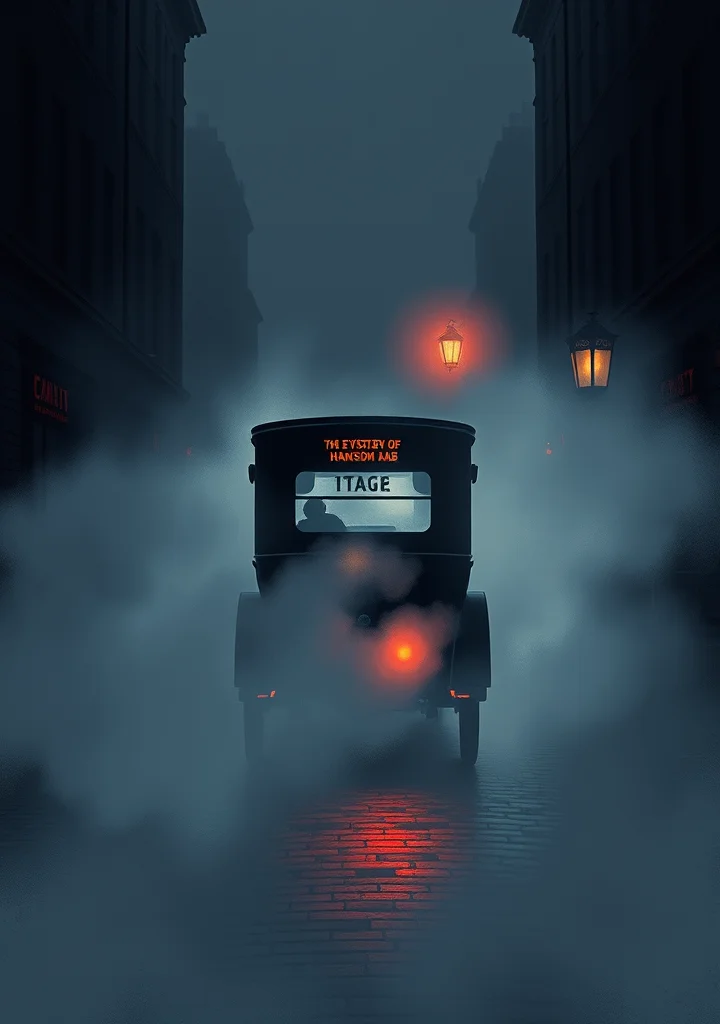
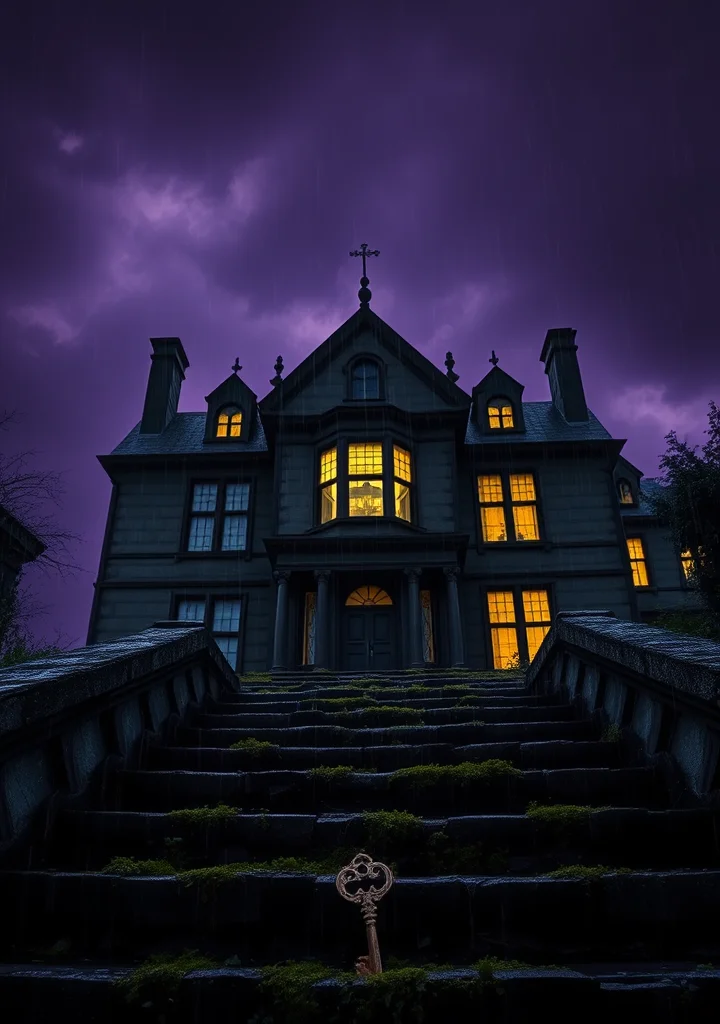
A creeping fog clings to the Essex marshes as Inspector Dampf of Scotland Yard unravels a tale of calculated malice within the crumbling manor of Ponson Hall. The scent of damp earth and decaying roses permeates every shadowed corner, mirroring the rot at the heart of the Ponson family. A locked room, a meticulously timed demise, and a cast of suspects each draped in secrets as thick as the November mist—a brittle widow, a resentful son, a shadowy solicitor—all swirl around the investigation. Dampf navigates a labyrinth of inherited grudges and whispered accusations, the atmosphere tightening with each discovered clue. The narrative is a slow burn, laced with the oppressive weight of provincial life and the chilling precision of a mind meticulously planning a perfect crime. Evidence is not found, but *extracted* from a landscape steeped in quiet desperation. The very stones of Ponson Hall seem to hold their breath, guarding the truth until Dampf, with relentless logic, exposes the darkness festering within its ancient walls. A suffocating sense of inevitability pervades the story, leaving the reader adrift in a web of suspicion where every face is masked by a shared complicity in the shadow of a legacy built on lies.
Copyright: Public Domain
This license allows anyone to use your story for any purpose, including printing, selling, or adapting it into a film freely.
Recommended for you
53 Part
A creeping dread clings to Lindores Castle, a stone behemoth shadowed by ancient pines and whispered histories. Within its decaying grandeur, the Lindores sisters – refined, brittle, and bound by a shared, unspoken sorrow – drift through lives as brittle as dried leaves. Each woman, a delicate bloom fading within the suffocating confines of their ancestral home, bears the weight of a past tragedy that stains the very stones with melancholy. The narrative unravels not with grand spectacle, but with the slow, insidious rot of isolation, the suffocating politeness masking a simmering resentment, and the chilling echo of secrets clinging to the castle’s shadowed corners. A sense of mournful expectancy pervades every chamber, as if the Lindores sisters are not merely living, but *waiting* – for revelation, for release, or for the inevitable descent into the same quiet oblivion that claimed their mother. The atmosphere is one of perpetual twilight, where the boundaries between reality and haunting blur, and the scent of decay mingles with the perfume of forgotten grief. Every glance exchanged, every stifled sigh, feels laden with the weight of a lineage cursed to wither within the castle walls, mirroring the slow, inexorable decline of Lindores itself. It is a story steeped in the claustrophobia of inherited sorrow, where the true horror resides not in what is seen, but in what is felt – the icy touch of loneliness and the suffocating silence of a family slowly dissolving into shadow.
62 Part
Dust motes dance in the fading light of provincial chateaux, mirroring the slow decay of ambition and the brittle fragility of hope. These letters, unearthed from forgotten bureaux and damp attics, whisper of two women bound by circumstance and the suffocating weight of societal expectation. One, a bride purchased for lineage, haunted by the spectral echoes of a loveless marriage. The other, a bride of convenience, her youth traded for the preservation of a crumbling estate. The narrative unfolds not in grand pronouncements, but in the tremor of a penned word, the bleed of ink mirroring the slow erosion of their spirits. Each missive is a fragment of a fractured life, stained with the bitter residue of betrayal, the chill of isolation, and the gnawing desperation for a love that exists only in the shadowed corners of their dreams. A pervasive melancholy clings to the pages, thick as the fog that shrouds the ancestral homes. The air hangs heavy with the scent of dying roses and the unspoken resentments that fester beneath layers of silk and lace. The landscapes—bleak vineyards, crumbling manors, and the oppressive silence of shadowed forests—become extensions of the women's internal landscapes: barren, desolate, and haunted by the ghosts of promises broken. The letters themselves are not merely communication, but desperate pleas cast into a void, each echoing with the chilling realization that they are trapped within a labyrinth of obligation and despair, their fates inextricably intertwined with the decaying grandeur of a bygone era.