
The Clue of the Twisted Candle
  • 199
  • 0
  • 24
  • Reads 199
  • 0
  • Part 24
Completed, First published Mar 02, 2026

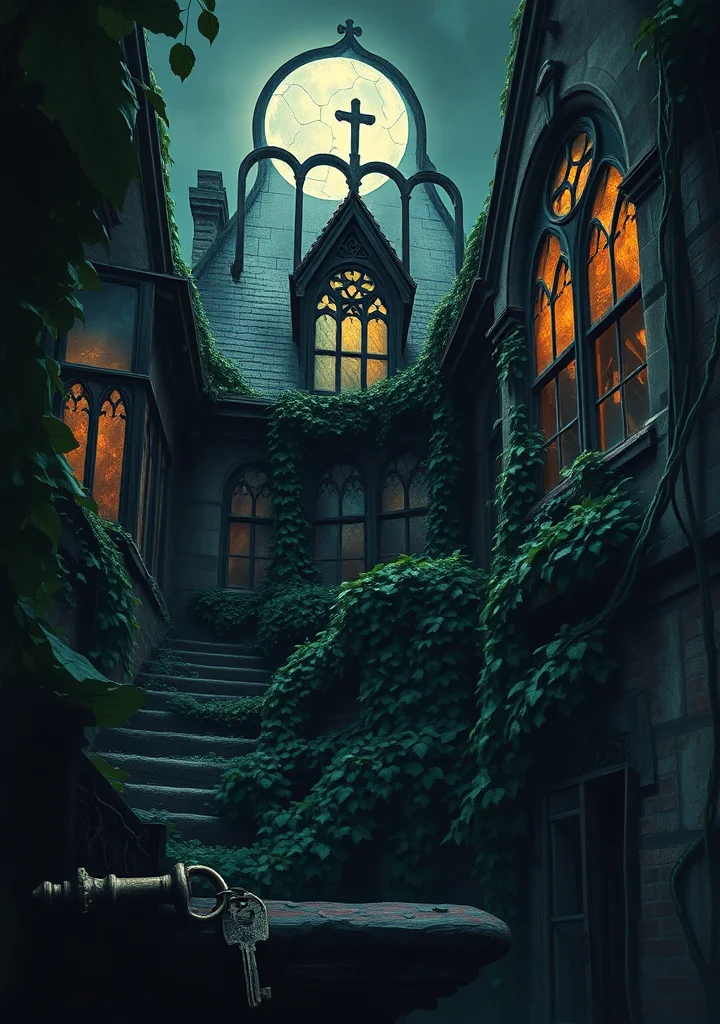
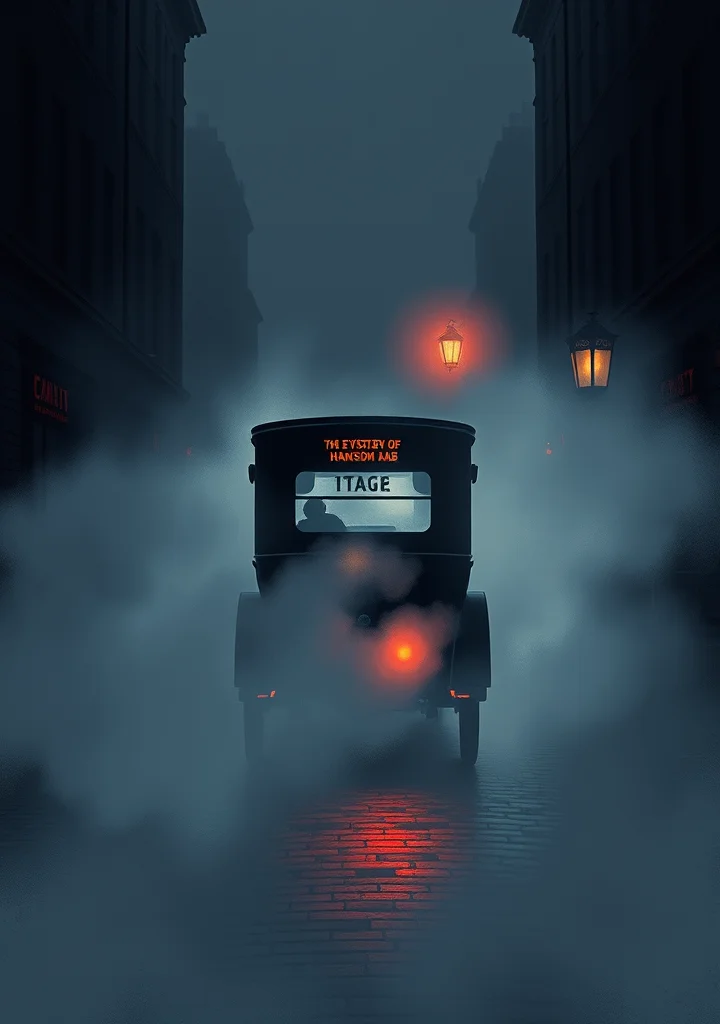
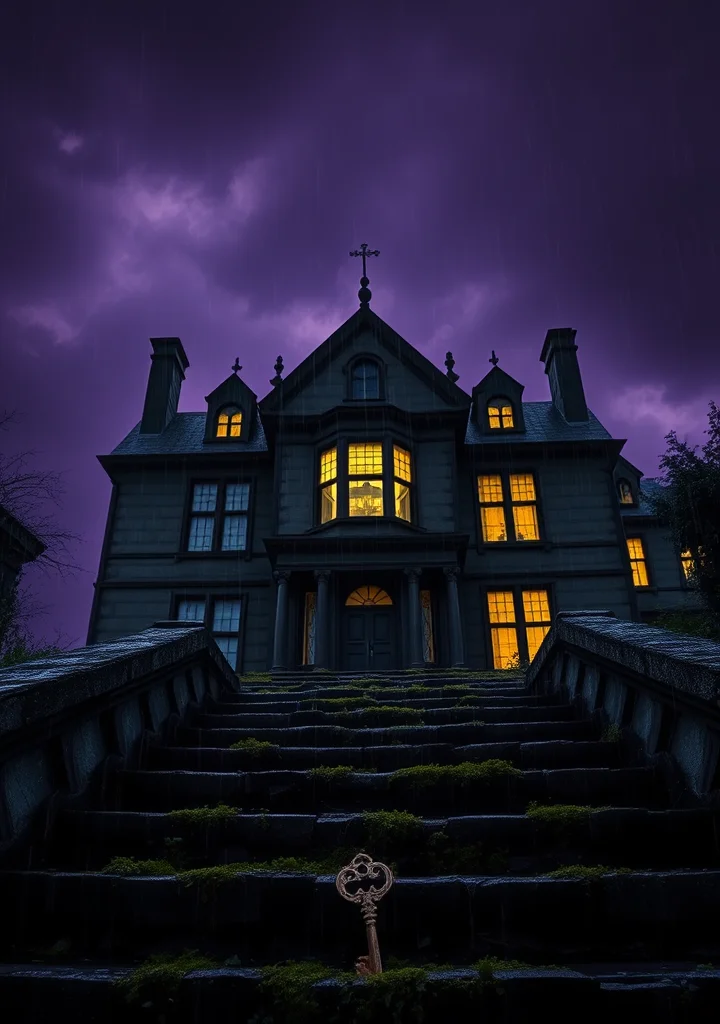
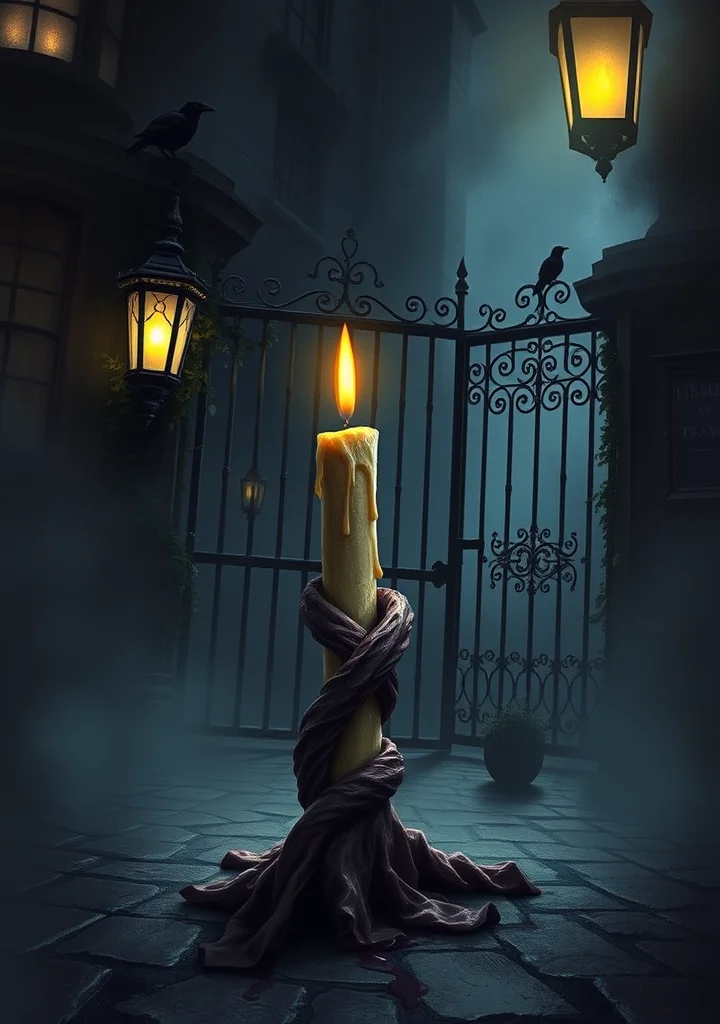
A creeping dread clings to the fog-choked streets of London, mirroring the labyrinthine corridors of Blackwood Manor. Within its shadowed halls, a single twisted candle – extinguished mid-burn – holds the key to a legacy of betrayal and a chilling disappearance. The air tastes of coal dust and suppressed screams, each room a mausoleum of whispered secrets. Wallace weaves a suffocating atmosphere where gaslight flickers across faces contorted by fear, and the scent of decay hangs heavier than the London smog. The narrative unravels like unraveling silk, each thread leading to a darker, more desperate corner of a city consumed by its own shadows. Every locked door, every hidden passage, exhales a history of desperation. A slow burn of suspicion, fueled by inherited malice and the suffocating weight of familial obligation, permeates every page. The very stones of Blackwood Manor seem to weep with the echoes of forgotten crimes, and the silence between each chapter is thick with the promise of a violence that has already claimed its victims. The search for the missing heir isn’t merely a hunt for a man, but a descent into the fractured psyche of a city where darkness thrives in the heart of every gilded cage.
Copyright: Public Domain
This license allows anyone to use your story for any purpose, including printing, selling, or adapting it into a film freely.
Recommended for you
2421 Part
A creeping dread clings to the shadowed halls of Burgunden, where the echoes of ancient pacts and broken vows stain the stone with crimson. This is not a tale of heroes, but of a rot blooming within the heart of a kingdom—a festering wound carved by ambition and fueled by the lust for gold. The clang of steel is ever-present, not in glorious battle, but in the hushed corners of betrayal. Each gilded chain, each forged ring, whispers of a doom woven into the very fabric of the Nibelungs’ legacy. The river Rhine holds more than just the shimmering hoard; it carries the spectral lament of a bride stolen, a vengeance born of ice and night. Crimson stains the snows, not from winter’s chill, but from the spilling of blood under a moon that witnesses every fractured oath. Walls weep with the memory of feasts where deceit was served alongside wine, and the laughter of kings rings hollow as they dance toward their inevitable, brutal reckoning. The air is thick with the scent of pine resin and the metallic tang of iron, a perfume of decay that clings to the damp stone of castles and the frosted breath of dying men. Shadows stretch long and hungry, mirroring the growing darkness within the souls of those who chase power beyond its rightful measure. A sickness of the soul permeates the land, and the weight of prophecy feels like a shroud tightening around the throat, promising only the hollow echo of a fallen empire. The world is poised on a knife’s edge, where honor is a forgotten word and the only certainty is the coming storm of ruin.

24 Part
A creeping dread clings to the salt-laced air around the Gables, a house steeped in the shadowed legacy of Pyncheons and their avarice. Within its decaying timbers, generations of sorrow have woven themselves into the very mortar, a silent chorus of regret echoing through dust-laden chambers. The scent of brine and decay permeates every corner, mingling with the spectral weight of unfulfilled desires. Sunlight seems to falter before reaching its gabled peaks, as if the house itself actively resists illumination. A stifling claustrophobia settles upon all who enter, born not of cramped spaces but of the suffocating weight of the past. Here, secrets fester like slow-blooming mold, and the line between the living and the dead blurs with each rustle of wind through the withered rose bushes. The house breathes with a mournful cadence, its darkened windows offering glimpses into a world where the sins of ancestors cast long, skeletal shadows, and the yearning for redemption is forever trapped within its crumbling embrace. A palpable sense of isolation permeates the narrative, a sense that the Gables stand not merely as a dwelling, but as a mausoleum for a fractured lineage, slowly succumbing to the rot of time and the insatiable hunger of its own history. The very stones seem to weep with the weight of forgotten promises, and the silence within is a tangible thing, heavy with the unspoken grief of those who dared to dream within its shadowed walls.