
The Mystery of Cabin Island
  • 201
  • 0
  • 26
  • Reads 201
  • 0
  • Part 26
Completed, First published Mar 02, 2026

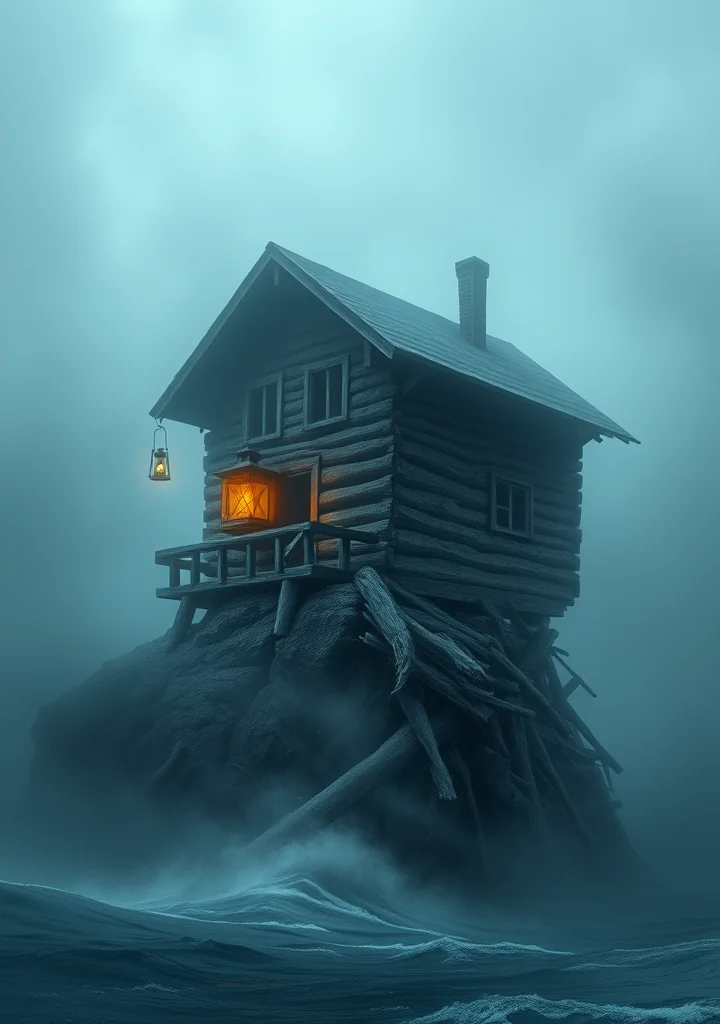
A perpetual mist clings to Cabin Island, a skeletal finger of land reaching into a grey, unforgiving sea. The air tastes of brine and decay, of secrets held too long beneath damp floorboards. This is a place where the wind doesn’t merely blow, but *remembers* – whispers of vanished fishermen, of a lighthouse keeper driven mad by solitude, of a fortune swallowed by the shifting sands. The cabin itself, weathered to a bruised grey, feels less a structure of wood and stone than a hollowed-out skull, gazing blindly at the churning waves. Within, shadows dance with a life of their own, mimicking shapes just beyond recognition. Every creak of the timbers, every sigh of the wind through broken panes, feels like a warning. A creeping dread permeates the island, a sense of being watched not by living eyes, but by the ghosts of those lost to the sea’s embrace. The mystery isn't merely *of* Cabin Island; it *is* the island, woven into its very fabric, clinging to the rocks like barnacles, and waiting to claim anyone foolish enough to disturb its slumber. It’s a place where the boundaries between reality and nightmare blur, and the only certainty is that something ancient and malevolent stirs beneath the waves.
Copyright: Public Domain
This license allows anyone to use your story for any purpose, including printing, selling, or adapting it into a film freely.
Recommended for you
18 Part
Dust motes dance in perpetual twilight, clinging to the scent of woodsmoke and forgotten lace. A chill, not of winter but of absence, permeates the Darling nursery, where shadows stretch long and the air hums with the memory of vanished laughter. This is a story woven from the threads of loss – not death, but the slow unraveling of childhood's grip. Peter arrives not as a savior, but as a fracture, a beautiful, glittering shard of defiance against the inevitable march of time. Neverland isn’t paradise, but a gilded cage of perpetual youth, stained with the bitter tang of regret for what *must* be left behind. The boys are brittle things, fueled by recklessness and the echoing emptiness of being chosen. Wendy’s heart, though offered as a mother to them all, is perpetually bruised, haunted by the knowledge of what she’s traded for a glimpse of eternal play. Every victory is shadowed by the creeping realization that joy born of stolen moments is built on the ruins of a world she can no longer fully inhabit. The darkness isn’t found in Captain Hook’s malice, but in the suffocating silence that descends when the lost boys finally look into the hollows of their own prolonged childhoods. The island breathes with a mournful sigh, a testament to the impossibility of holding onto the fading light, and the unbearable weight of a future forged from the echoes of yesterday’s dreams. It is a place where the most potent magic is not creation, but remembrance. And every return to the world of mothers and clocks is a slow, agonizing descent into the very grief Neverland was meant to outrun.
6 Part
Dust motes dance in the perpetual twilight of a manor house library, where the very stones seem to weep with the weight of forgotten pedagogies. Locke’s treatise, bound in cracked leather, isn't merely read, it’s *absorbed* by the shadowed corners of the mind. Each proposition, each carefully reasoned argument, feels less like instruction and more like an excavation – uncovering the brittle bones of a child’s soul, laid bare to observation. The air thickens with the scent of beeswax and decaying paper, mirroring the slow rot of innocence as it's dissected into habits and virtues. A chill descends not from the winter winds, but from the chilling logic of a system designed to sculpt a being from clay. The garden, glimpsed through leaded windows, is not a place of growth but of imposed order – clipped hedges mirroring the pruning of unruly thought. One senses, lurking between the lines, the ghost of a tutor’s stern gaze, demanding conformity in the very bloom of youth. The narrative isn't one of malice, but of insidious precision. It’s the sound of a key turning in a locked room—the room of the self—and the realization, creeping like ivy across a crumbling wall, that the very foundations of belief are being meticulously, irrevocably reshaped. The silence within the house isn’t peaceful, but a pregnant stillness—a waiting for the echoes of a will imposed, a spirit molded, and the final, hollow resonance of a mind made obedient.