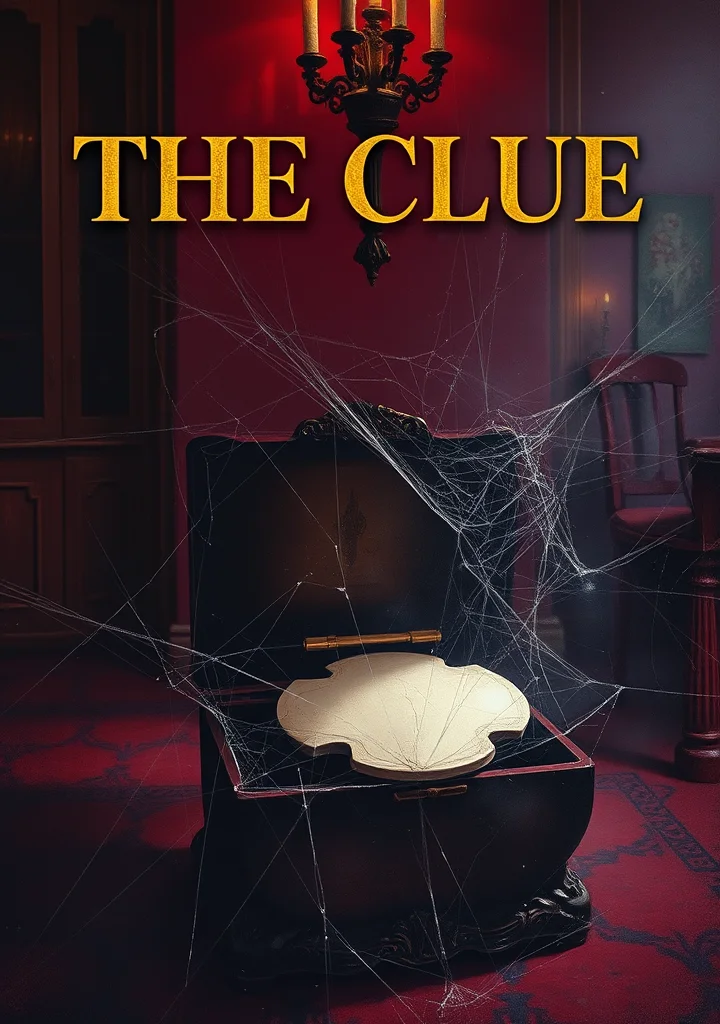

The Clue
  • 158
  • 0
  • 25
  • Reads 158
  • 0
  • Part 25
Completed, First published Mar 02, 2026

A suffocating parlor of inherited secrets clings to the edges of this narrative. Dust motes dance in the perpetual twilight of Blackwood Manor, mirroring the fractured memories of its inhabitants. The Clue isn't merely a puzzle to unravel, but a slow rot consuming a lineage already steeped in shadow. Each whispered accusation, each veiled glance, unravels not a crime, but a crumbling edifice of respectability. The scent of fading lilies and beeswax polish cannot mask the underlying tang of desperation. The investigation itself becomes a descent into a suffocating claustrophobia, where the very walls seem to lean in, absorbing the cries of the accused into the very grain of the wood. A fragile, porcelain-doll elegance masks a core of brittle malice. The truth, when finally unearthed, is less a revelation than an exhumation—a chilling bloom from the grave of Blackwood’s long-forgotten sins. It isn’t simply *who* committed the deed, but *what* has been awakened in the darkness that lingers after the final, shuddering breath.
Copyright: Public Domain
This license allows anyone to use your story for any purpose, including printing, selling, or adapting it into a film freely.
Recommended for you
93 Part
Dust motes dance in the suffocating heat of Judea, clinging to the linen-wrapped limbs of forgotten gods and the simmering resentment of a people bound by chains both literal and ancestral. The scent of frankincense and blood hangs heavy in the air, a perfume of prophecy and despair. Wallace doesn’t offer sunlight, but a slow burn beneath the skin, a fever dream of vengeance and grace. Each chariot race is not a spectacle of skill, but a spiraling descent into madness fueled by the screams of a captive audience, the rasp of sandaled feet on scorched earth. This is a story of shadows stretched long across sun-baked stone, of whispers carried on desert winds that speak of betrayal and divine reckoning. The narrative coils like a viper in the ruins of ancient empires, its venom a relentless pursuit of justice that leaves no room for mercy. Even forgiveness is a brittle thing, cracked like the pottery shards littering the Roman roads. The weight of empire presses down, suffocating the narrative with the stench of ambition and the metallic tang of sacrifice. It’s a world where loyalty is a phantom limb, and faith a desperate gamble against the encroaching darkness. Beneath the grandeur of the arena and the clang of legionary steel, a deeper, more agonizing silence resides – the hollow echo of a life stolen, and the desperate, echoing plea for redemption amidst the ruins of a fallen world. The very stones weep with the memory of what has been lost.
55 Part
Dust-choked prairies stretch towards a horizon perpetually bruised violet, mirroring the ache within the heart. This is a story breathed from the wind-scoured earth, a lament for a lost Eden etched in the bone-white light of Nebraska summers. It unfolds not as a specter of the supernatural, but as a haunting through absence – the absence of youth, of innocence, of a world before the relentless march of progress. The narrative clings to the memory of Ántonia like clinging vines to a crumbling barn, a figure both vital and spectral, forged in hardship and stained with the relentless sun. Shadows lengthen across the farmsteads, mirroring the encroaching anxieties of the immigrant experience, a land both promising salvation and delivering brutal isolation. The beauty of the landscape, vast and unforgiving, becomes a character itself – a silent witness to fractured dreams and the slow erosion of hope. It’s a world built on the hushed whispers of shared toil and the weight of unfulfilled promises, where the past is a phantom limb, forever felt but forever out of reach. The scent of hay and manure, the mournful howl of the winter wind—these are the talismans of a life surrendered to the unforgiving plains, a life observed from a distance, filtered through the gauze of memory and regret. A stillness descends with the dusk, a premonition of the stories buried beneath the fields, whispering of lives broken and rebuilt, leaving only ghosts in the furrows.
72 Part
The Cornish coast breathes chill as a shroud, clinging to the crumbling stones of Sker House. A perpetual twilight bleeds from the grey cliffs into the churning sea, mirroring the half-forgotten sorrows trapped within the manor’s walls. This is a tale steeped in the brine of legend, where the echoes of ancient Welsh songs tangle with the desperate cries of a family fractured by pride and spectral longing. The air itself is thick with the scent of salt and decay, clinging to the damp velvet of forgotten chambers. A young man, driven by a shadowed past, finds himself entangled with the ghostly figure of Jinny, a maid claimed by the sea and bound to Sker by a curse of unfulfilled love. But her presence isn’t one of gentle sorrow; it’s a haunting that seeps into the very timbers of the house, twisting the minds of those who linger too long. Every wave that crashes against the shore feels like a mournful confession, and the cries of gulls carry whispers of betrayal. The narrative unravels not through bold action, but through the slow, insidious creep of dread. It’s a descent into a labyrinth of ancestral grief, where the boundary between the living and the dead is blurred by the relentless, mournful ache of the sea, and the secrets held within Sker House threaten to drown all who dare to uncover them. The moorland wind carries not just a chill, but the weight of centuries, pressing down on the heart until only the echo of Jinny’s lament remains.