
-
Read 541
-
0
-
Part 40
Completed, First published Mar 02, 2026
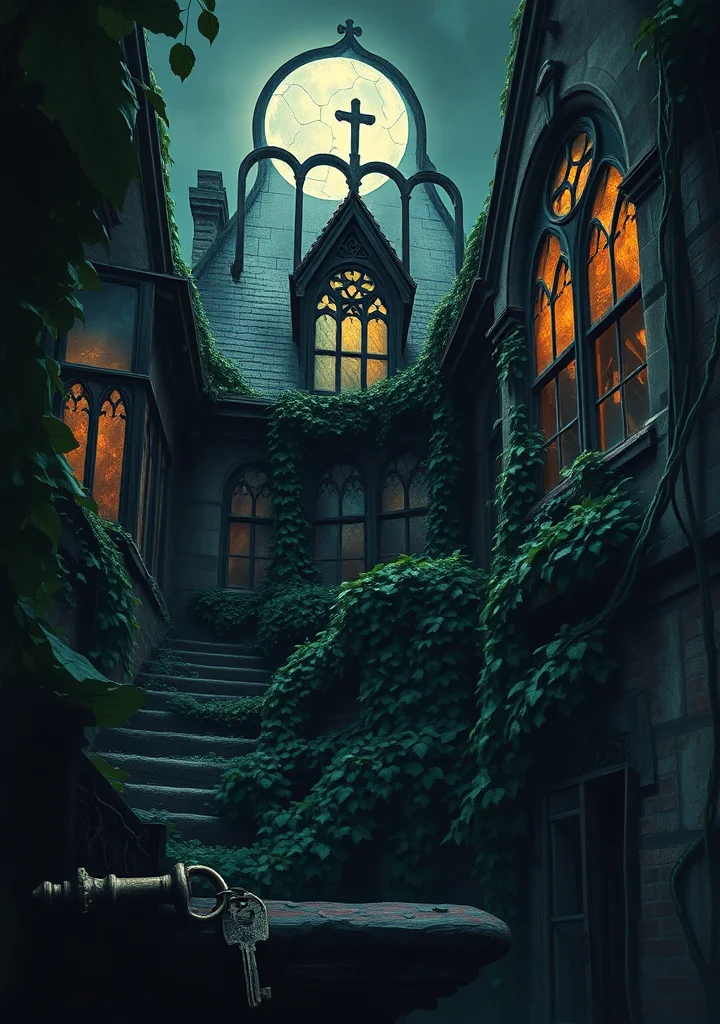
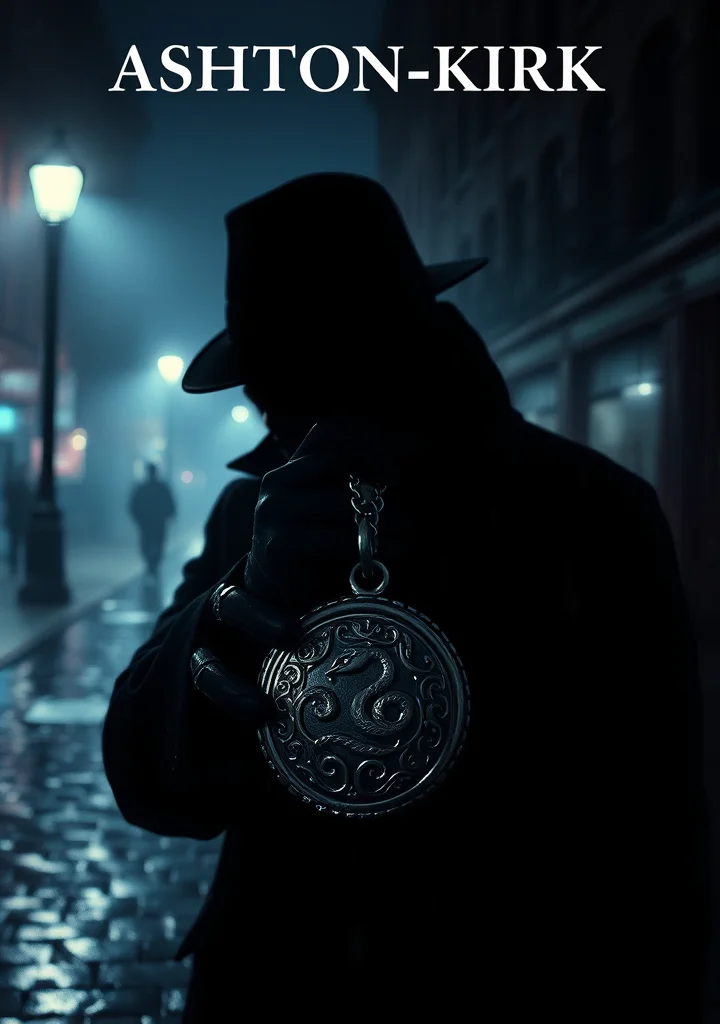
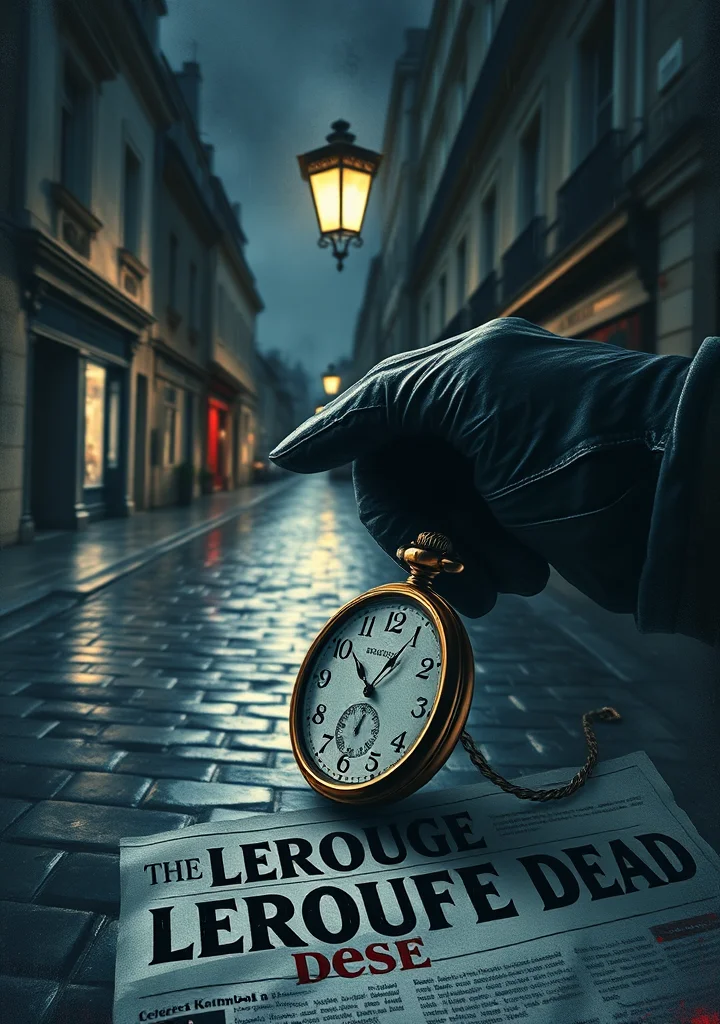
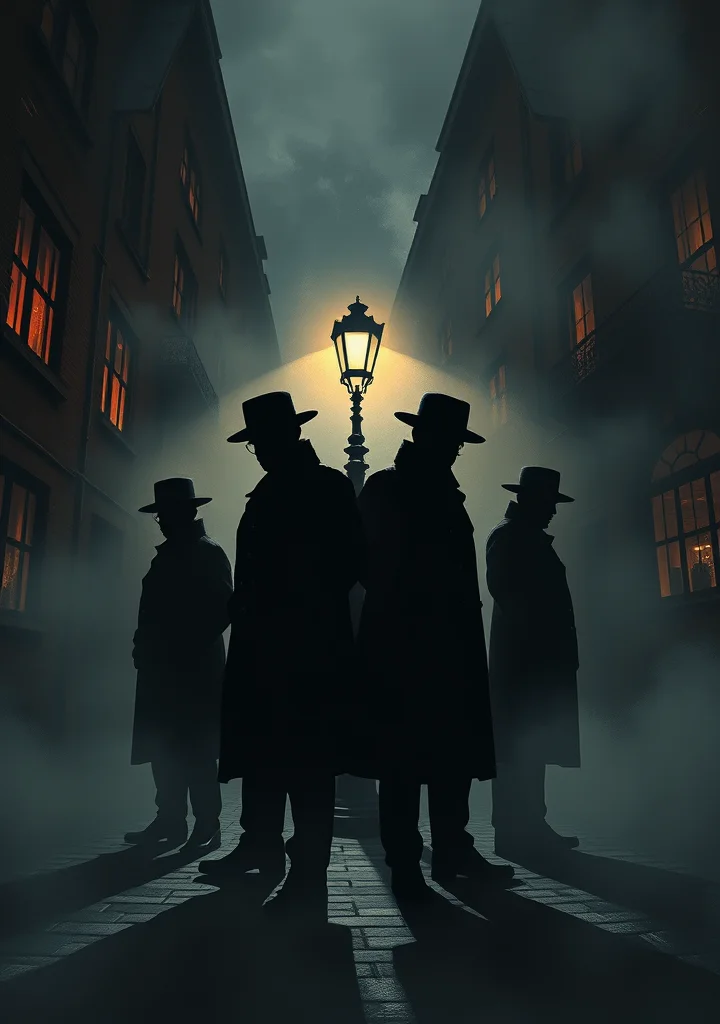
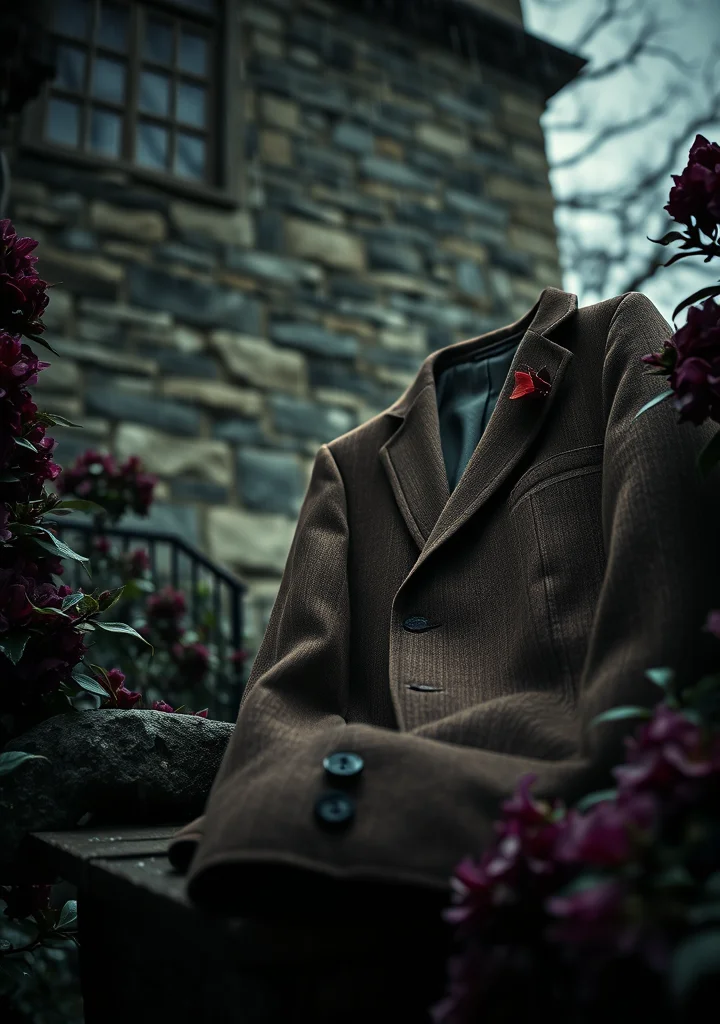
A creeping unease settles over the Cornish coast, clinging to the stone walls of the manor and the shadowed paths winding through the rhododendrons. The scent of salt and damp earth mixes with the faintest, lingering trace of fear. A young man, carelessly flamboyant, arrives with a secret tucked into the lining of his coat, a secret that unravels like a threadbare tapestry revealing a legacy of greed and desperation. The air is thick with suspicion; every smile feels brittle, every glance a calculated assessment. The narrative pulls you into a labyrinth of whispered accusations and shadowed motives, where the idyllic landscape becomes a canvas for fractured loyalties. Sunlight feels like a betrayal, revealing only glimpses of the rot beneath the polished veneer of a seaside community. A suffocating intimacy permeates the story, a sense that the truth is not merely hidden, but *breathed* into the very stone and wood of the estate, waiting to be exhaled in a final, chilling revelation. The shadows lengthen as the investigation deepens, mirroring the descent into the darkness of a heart consumed by avarice.
Copyright: Public Domain
This license allows anyone to use your story for any purpose, including printing, selling, or adapting it into a film freely.
This license allows anyone to use your story for any purpose, including printing, selling, or adapting it into a film freely.
Chapter List
-
« The Man in the Brown Suit »📖 Continue Reading
-
« Chapter_3 »
-
« The Man in the Brown Suit »
-
« Prologue »
-
« I »
-
« II »
-
« III »
-
« IV »
-
« V »
-
« VI »
-
« VII »
-
« Chapter_13 »
-
« Chapter_14 »
-
« X »
-
« XI »
-
« Chapter_17 »
-
« XIII »
-
« Chapter_19 »
-
« XV »
-
« XVI »
-
« Chapter_22 »
-
« Chapter_23 »
-
« XIX »
-
« XX »
-
« XXI »
-
« Chapter_27 »
-
« Chapter_28 »
-
« XXIV »
-
« XXV »
-
« XXVI »
-
« XXVII »
-
« Chapter_33 »
-
« XXIX »
-
« Chapter_35 »
-
« Chapter_36 »
-
« Chapter_37 »
-
« XXXIII »
-
« XXXIV »
-
« XXXV »
-
« XXXVI »
40
-
« The Man in the Brown Suit »
-
« Chapter_3 »
-
« The Man in the Brown Suit »
-
« Prologue »
-
« I »
-
« II »
-
« III »
-
« IV »
-
« V »
-
« VI »
-
« VII »
-
« Chapter_13 »
-
« Chapter_14 »
-
« X »
-
« XI »
-
« Chapter_17 »
-
« XIII »
-
« Chapter_19 »
-
« XV »
-
« XVI »
-
« Chapter_22 »
-
« Chapter_23 »
-
« XIX »
-
« XX »
-
« XXI »
-
« Chapter_27 »
-
« Chapter_28 »
-
« XXIV »
-
« XXV »
-
« XXVI »
-
« XXVII »
-
« Chapter_33 »
-
« XXIX »
-
« Chapter_35 »
-
« Chapter_36 »
-
« Chapter_37 »
-
« XXXIII »
-
« XXXIV »
-
« XXXV »
-
« XXXVI »
More like this