
The Lerouge Case
  • 143
  • 0
  • 22
  • Reads 143
  • 0
  • Part 22
Completed, First published Mar 02, 2026

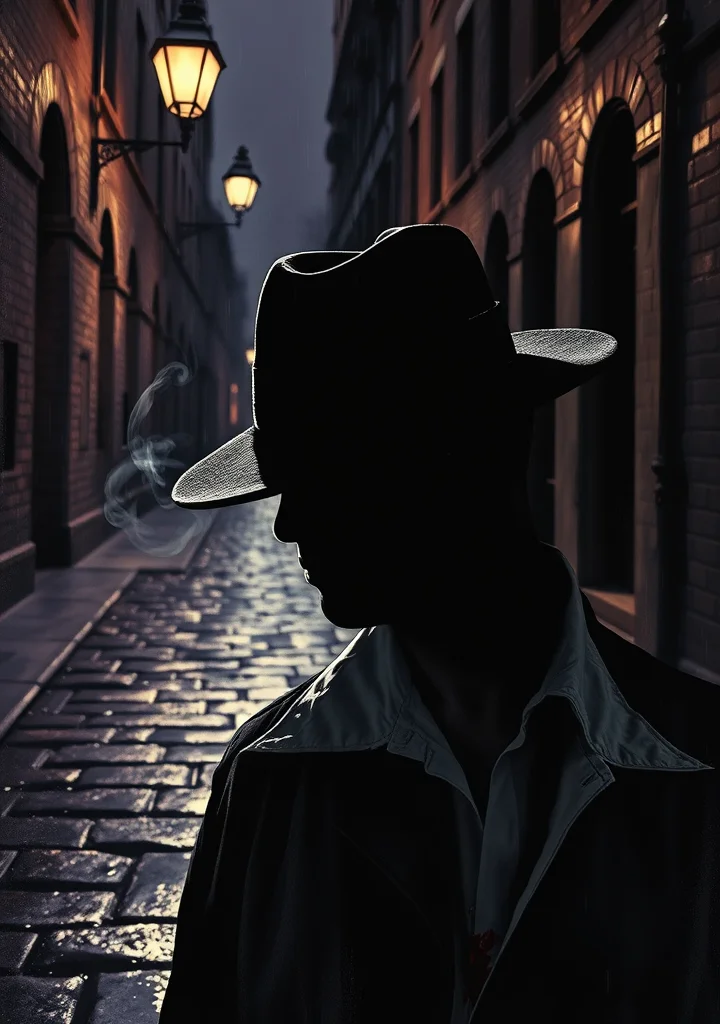
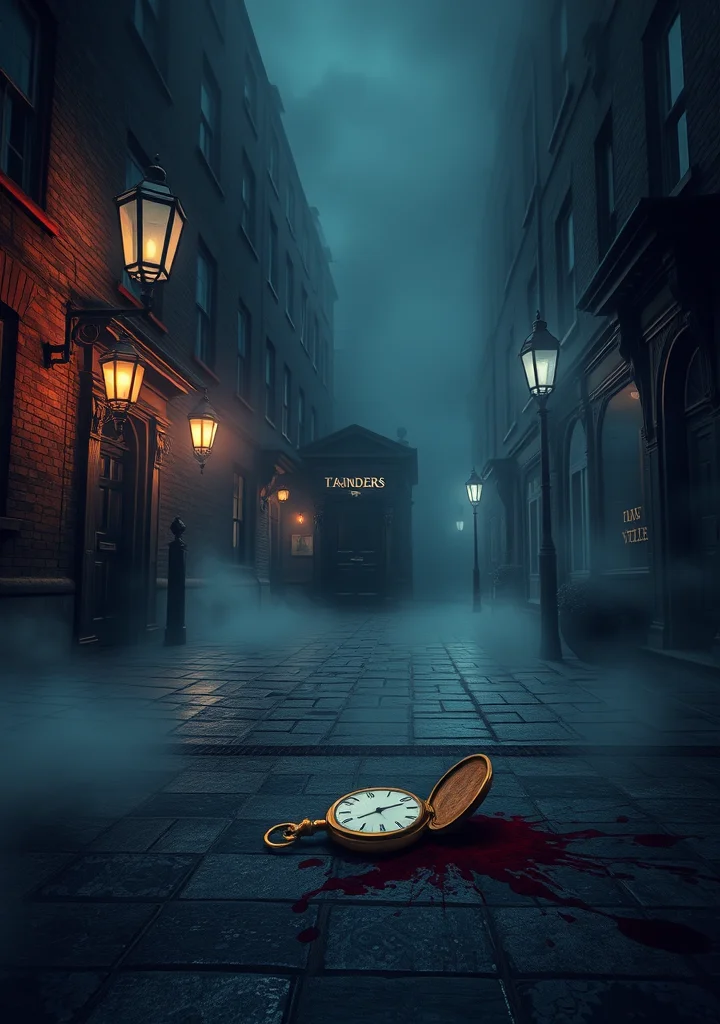
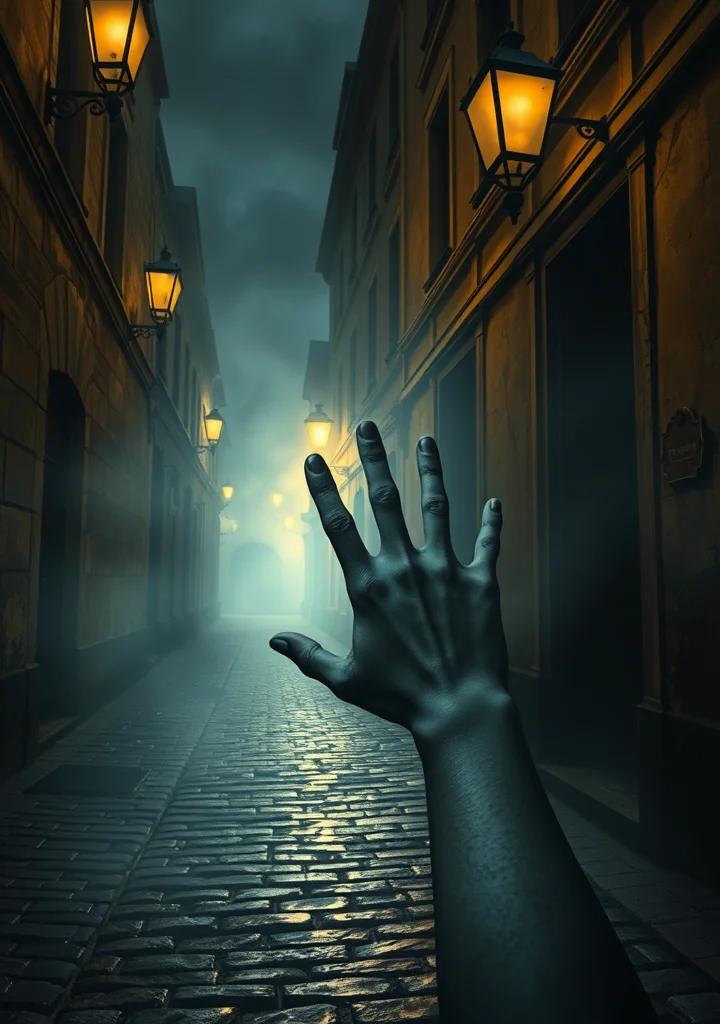
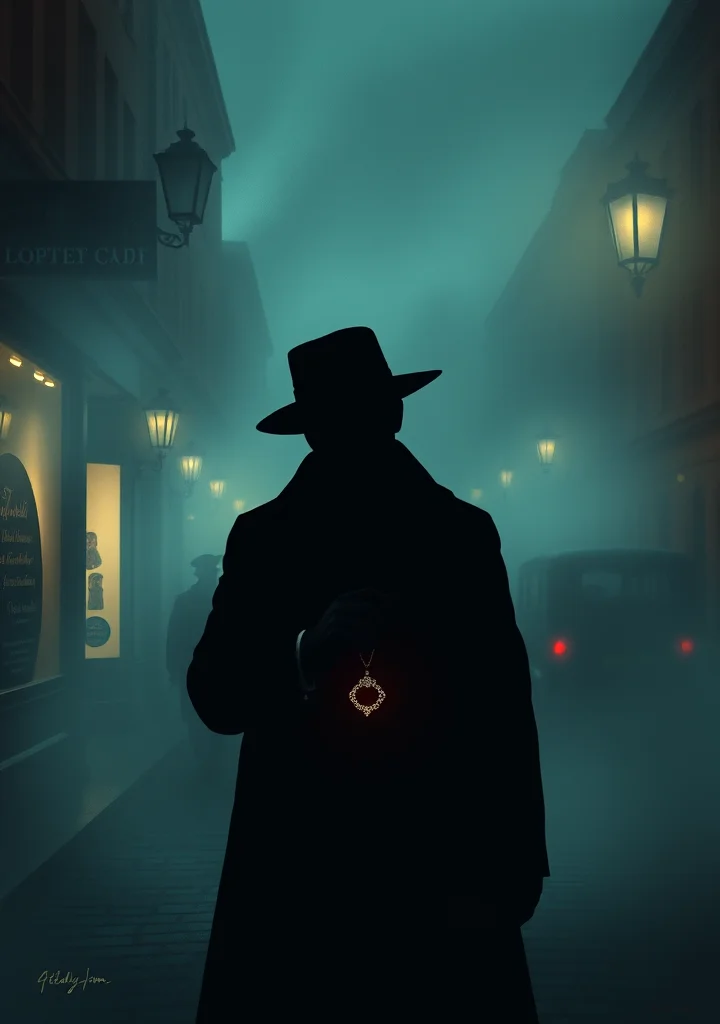
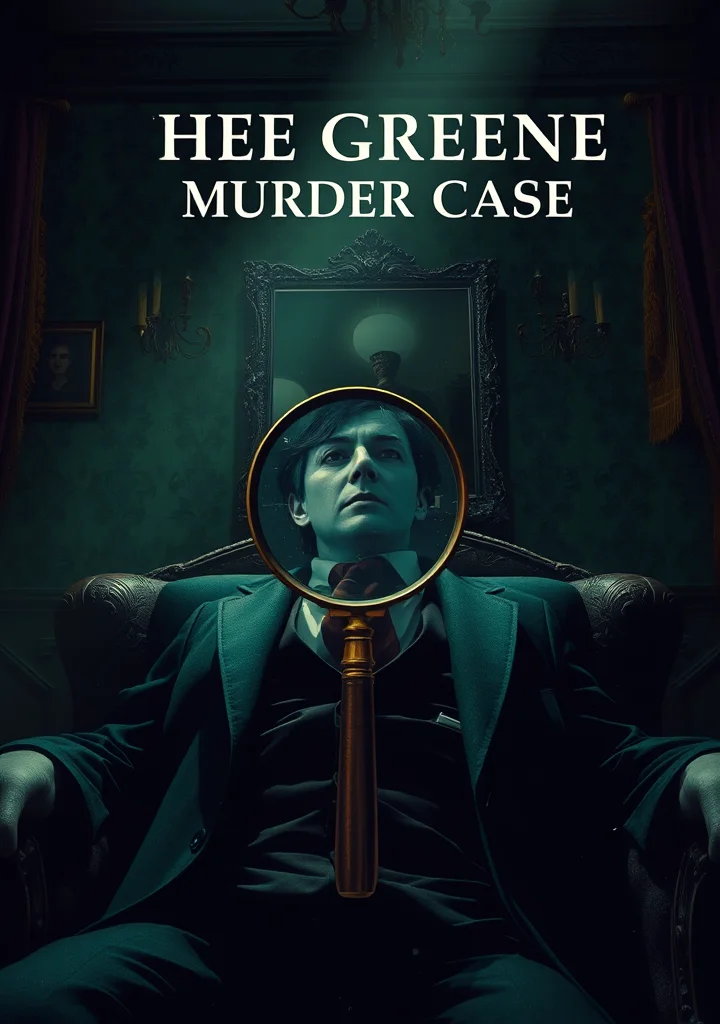
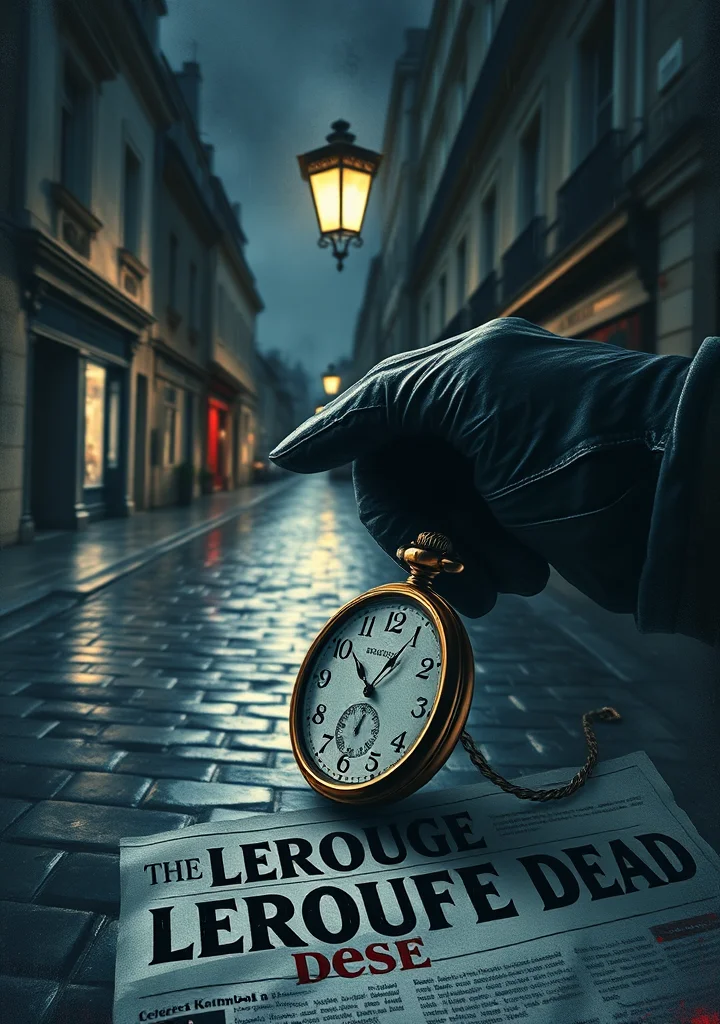
A suffocating fog clings to the cobbled streets of Paris, mirroring the miasma of suspicion that settles over the Lerouge investigation. A murdered man, a missing inheritance, and a labyrinthine network of false leads—these are the shadows that haunt the waking hours of Monsieur Lépine, the astute but weary detective. The air within the opulent homes of the elite is thick with whispered secrets, each drawing room a stage for veiled ambitions and long-held resentments. Every glance is calculated, every gesture a performance in a society draped in mourning and avarice. The investigation unfolds not as a clean pursuit of fact, but a descent into the shadowed corners of the city’s heart, where gas lamps flicker on damp brick and the scent of decay mingles with the perfume of the wealthy. A relentless, creeping dread permeates the narrative, born not from monstrous villains, but from the chilling realization that betrayal can bloom within the most respectable circles. The reader is drawn into a suffocating intimacy with the city’s underbelly, where the echoes of footsteps on stone and the rustle of silk skirts become harbingers of a darkness that threatens to consume all who dare to look too closely. The mystery unravels with the slow, agonizing precision of a tightening noose, leaving one to question if justice will be served or if the Lerouge case will become just another ghost in the Parisian night.
Copyright: Public Domain
This license allows anyone to use your story for any purpose, including printing, selling, or adapting it into a film freely.
Recommended for you
35 Part
A creeping dampness clings to every page, mirroring the subterranean passage that dominates this fractured narrative. Here, the London streets exhale not into sunlight, but into a labyrinth of echoing brick and shadowed alcoves. The protagonist, adrift in a city both vast and suffocating, finds herself drawn – or perhaps driven – towards a network of tunnels beneath the city’s heart. These aren’t merely physical spaces, but corridors of memory, of unspoken desires, and of a creeping, nameless dread. The narrative unravels like damp thread, pulling at the edges of a life fractured by loss and yearning. A fractured, internal world is rendered through fragmented perceptions. Every encounter, every overheard fragment of conversation, feels weighted with a melancholic resonance. The air is thick with the scent of coal dust and decay, punctuated by the distant rumble of unseen machinery. There is a sense of being watched, of being drawn into a conspiracy of shadows, not by villains, but by the very fabric of the city itself. The tunnel is a metaphor, of course—a descent into the subconscious, a descent into a forgotten self. The prose is less about what is seen, and more about what is *felt* – the cold stone against skin, the suffocating weight of the earth above, the gnawing certainty of something lost, irretrievable, and buried deep within the echoing darkness. A claustrophobic, hypnotic descent into the heart of a woman’s unraveling, and a city’s hidden wounds.
62 Part
A creeping malaise descends with the first ascent to Berghof, a sanatorium clinging to the precipice between life and death. Not a fever dream, but a deliberate, glacial erosion of the self, orchestrated by the mountain’s insidious stillness. Here, time dilates, stretching into an eternity measured not by clocks, but by the slow, deliberate consumption of lungs and the languid unraveling of souls. The air itself is a narcotic, laced with the scent of pine and the ghosts of consumption, drawing the protagonist into a hypnotic orbit around the tubercular aristocracy of the sanatorium. Days bleed into weeks, weeks into years, punctuated only by the hollow coughs echoing through corridors, and the unsettlingly precise rituals of measurement – weight, temperature, sputum. A baroque decay permeates every surface, mirroring the rot within the bodies of its inhabitants. The mountain is not merely a backdrop, but a character, a malevolent deity presiding over a kingdom of shadows and protracted farewells. Whispers of philosophy mingle with the damp chill of mortality, as the protagonist drifts through a labyrinth of intellectual debate, drawn into the orbit of a charismatic, cynical aesthete who seems to thrive on the very sickness that defines their gilded cage. It is a descent into a hypnotic, self-imposed exile, a voluntary surrender to the beautiful, terrible weight of waiting. The world below, the world of action and ambition, becomes a fading memory, a phantom limb severed by the mountain's isolating embrace. The narrative is less a journey toward recovery, and more a meticulous charting of the boundaries of oblivion, a slow, deliberate burial within the snow-capped peaks of the self.