
-
Read 358
-
0
-
Part 20
Completed, First published Mar 02, 2026
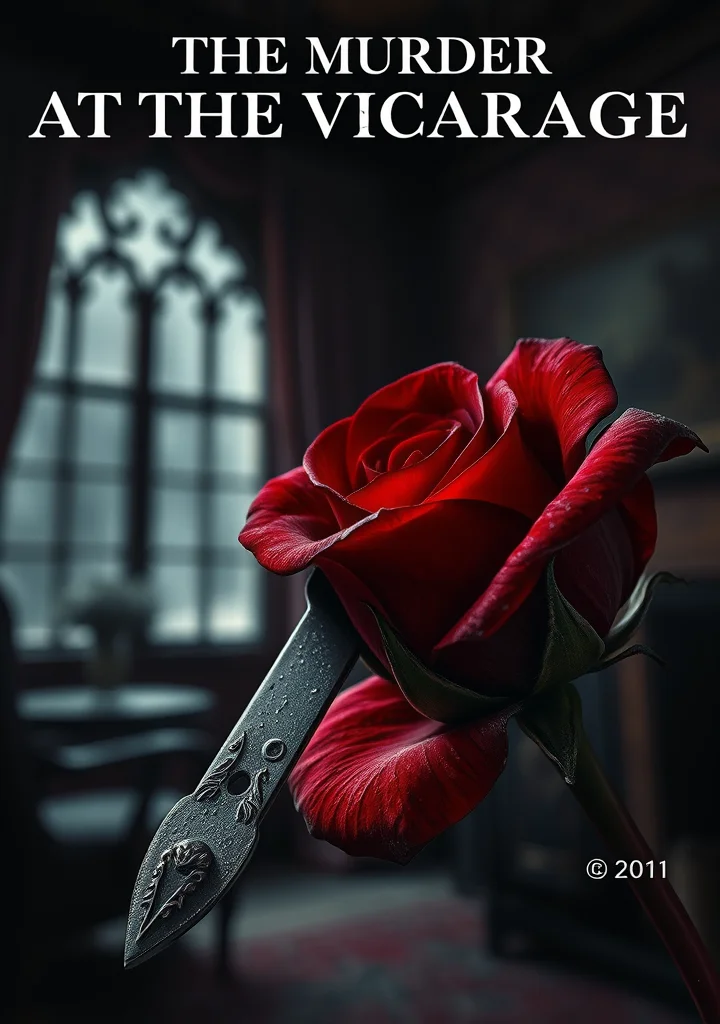
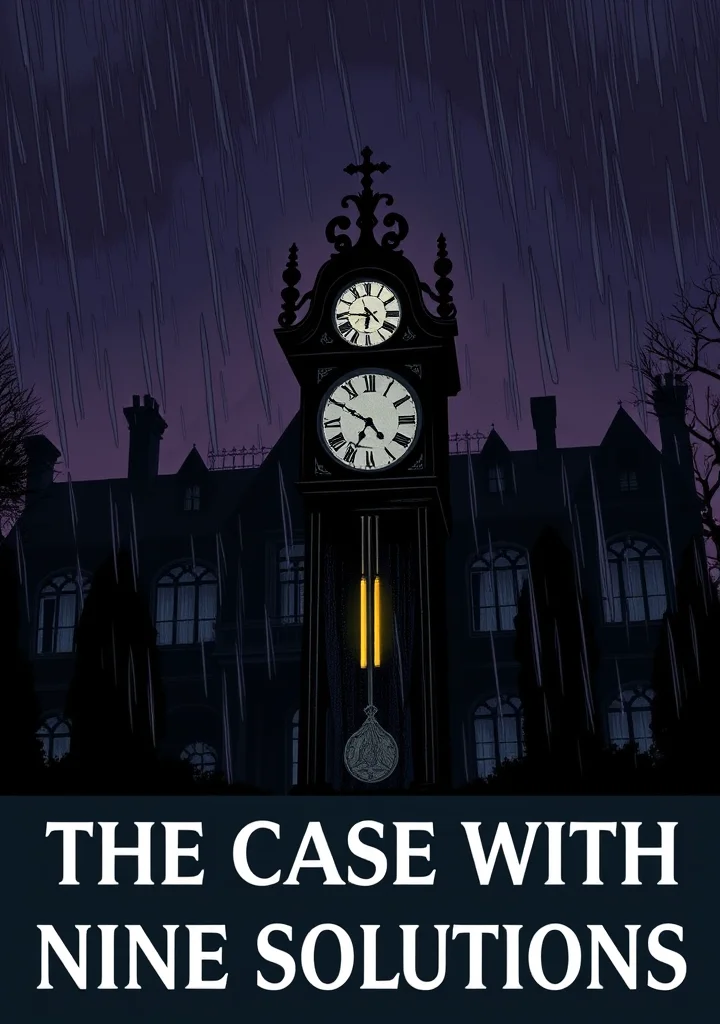
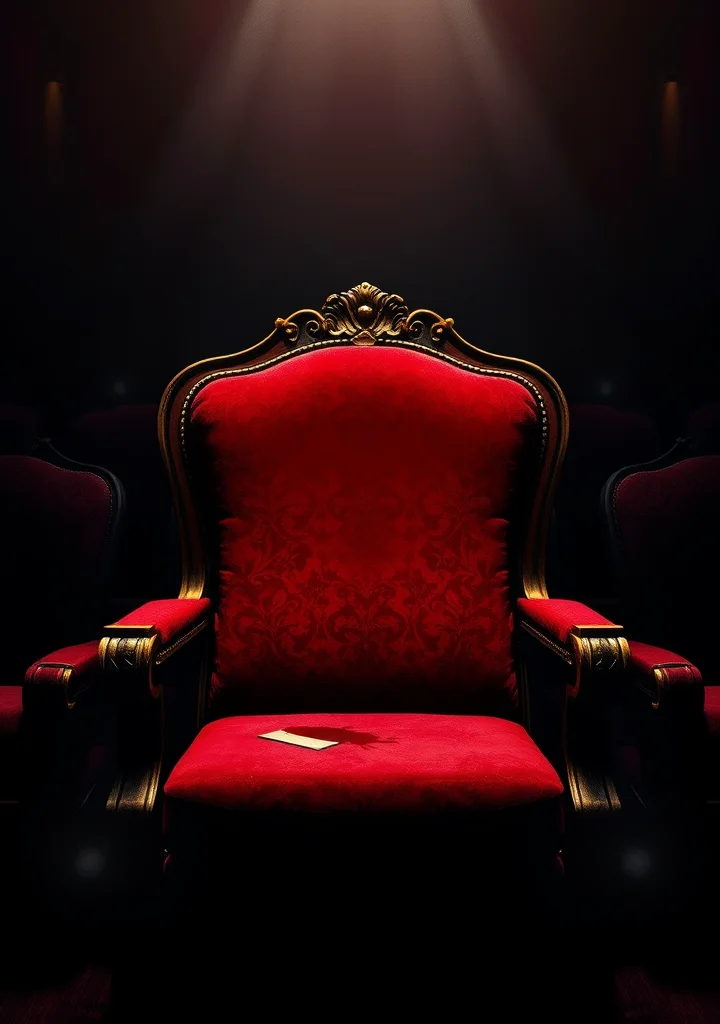
A suffocating dread clings to the shadowed wings of the Regent Theatre, a labyrinth of velvet ropes and hushed anxieties. The scent of stale perfume and decaying grandeur hangs heavy as Inspector Carnall navigates a world where ambition and desperation breed in the darkness between acts. Each meticulously crafted alibi is a chipped mirror reflecting a fractured truth, the polished surfaces concealing rot. The theatre itself becomes a suffocating confessional, its ornate architecture trapping whispers of blackmail and illicit affairs. A single, brutal act within the box office—a crimson stain blooming on starched linen—unravels the fragile facade of London’s high society. The investigation descends into a suffocating maze of coded messages, secret rendezvous, and the echoing footsteps of a killer who vanishes into the labyrinthine stagehands’ corridors. Every prop, every costume, every darkened stall becomes a silent witness to a conspiracy woven with the threads of greed and shadowed intent, leaving Carnall to sift through the debris of shattered lives amidst the chilling spectacle of a city’s hidden heart.
Copyright: Public Domain
This license allows anyone to use your story for any purpose, including printing, selling, or adapting it into a film freely.
This license allows anyone to use your story for any purpose, including printing, selling, or adapting it into a film freely.
More like this